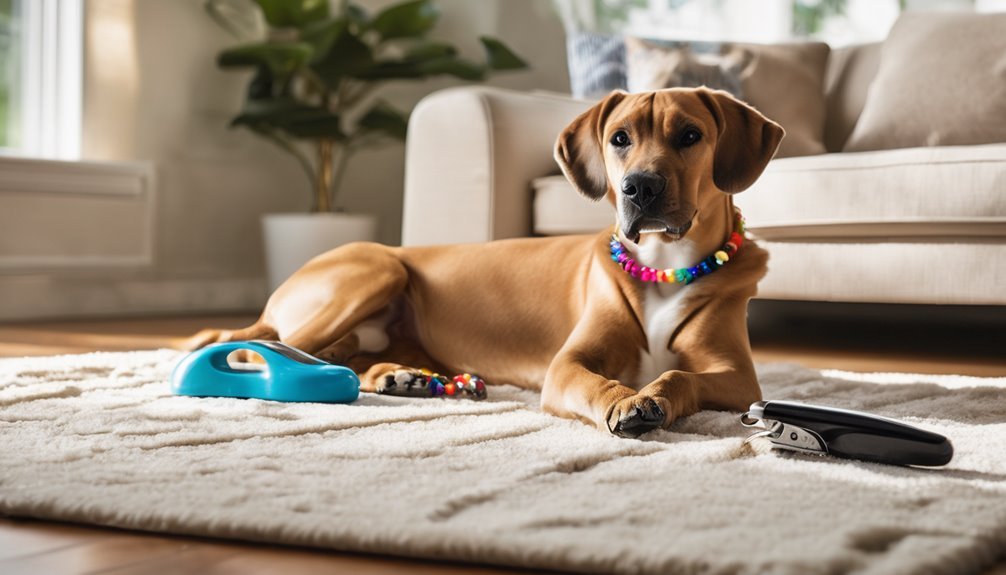
Did you know that trimming your dog’s nails can prevent painful conditions like splayed toes or joint issues? It’s crucial to understand nail anatomy and select the right tools before you begin. Many pet owners feel apprehensive about this task. With the right approach, you can make nail trimming a positive experience for both you and your dog. Let’s explore how to set the stage for a safe and effective grooming session.
Key Takeaways
- Familiarize yourself with the quick to avoid cutting too deep, especially in dark nails where it’s not visible.
- Choose the right tools, such as scissor-style clippers or nail grinders, for safe and effective trimming.
- Create a calm environment and gradually introduce trimming tools to help your dog feel comfortable.
- Use positive reinforcement, like treats, to encourage good behavior during the trimming process.
- Be prepared for accidental cuts by keeping styptic powder handy and applying gentle pressure to stop any bleeding.
Step-By-Step Guide to Trimming Your Dog’s Nails
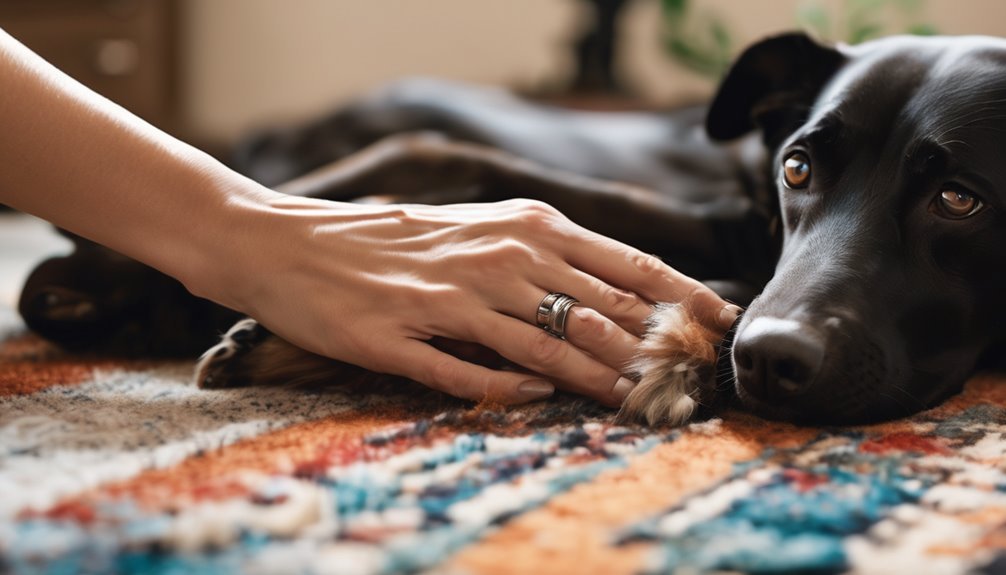
Trimming your dog’s nails can seem daunting, but with the right approach, it becomes a straightforward task.
Start by familiarizing yourself with dog nail anatomy; understanding the quick will help you avoid cutting too deep.
Understanding dog nail anatomy, especially the quick, is essential to ensure safe and effective trimming.
Begin by gently holding your dog’s paw, ensuring they’re comfortable. Use nail trimming techniques like the “one paw at a time” method, which keeps your dog calm and focused.
Trim just the tip of the nail, especially if your dog has dark nails where the quick isn’t visible. If you see a small, white dot in the center, you’ve reached the quick—stop there.

Reward your dog with praise or treats to create a positive experience, making future nail trims easier for both of you.
Choosing the Right Tools for Dog Nail Trimming
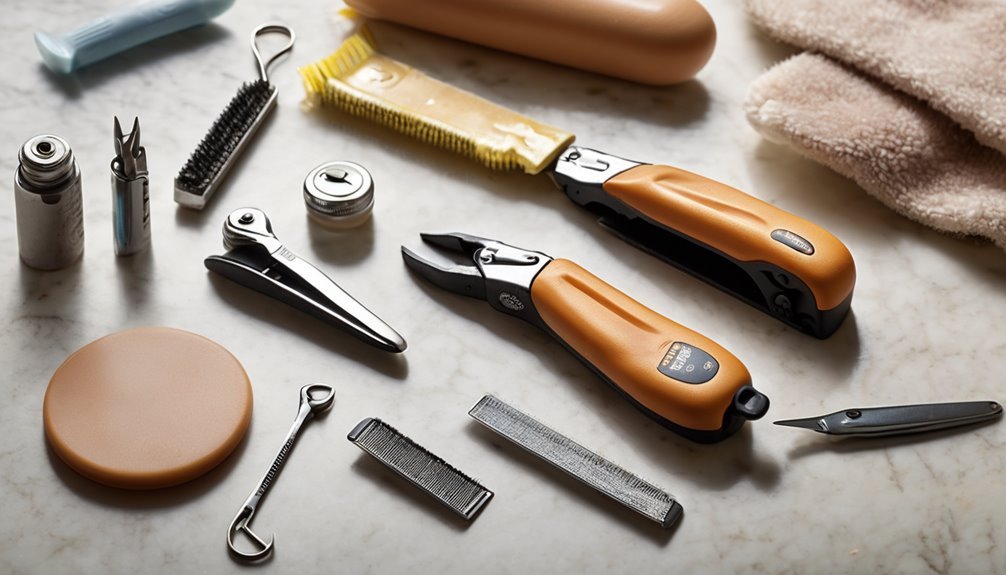
A successful nail trimming session hinges on having the right tools at your disposal. Choosing the appropriate equipment can make all the difference in ensuring a stress-free experience for both you and your dog.
Consider these essential tools:
- Nail Clippers Types: Choose from scissor-style, guillotine-style, or electric clippers based on your comfort.
- Nail Grinding Tools: An electric grinder can smooth rough edges and reduce the risk of cutting too short.
- Styptic Powder: This helps stop bleeding if you accidentally cut the quick.
- Dog Treats: Reward your pup throughout the process to keep them calm.
- Good Lighting: Ensure you have ample light to see your dog’s nails clearly.
With the right tools, you’ll feel more confident and your dog will appreciate your care.
Preparing Your Dog for Nail Trimming
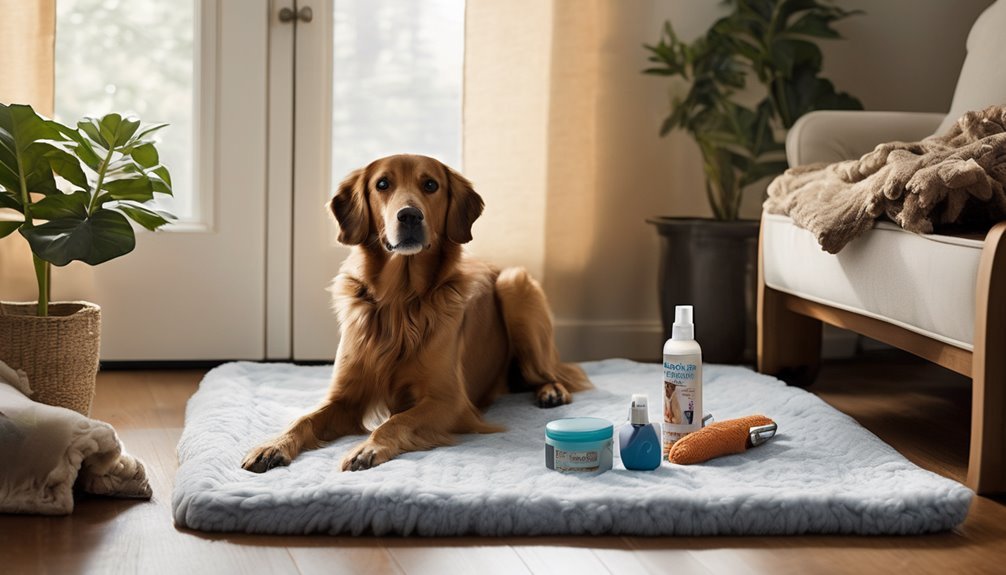
Before you start the nail trimming process, it’s crucial to prepare your dog to ensure a smooth experience.
Begin by creating a comfortable environment; choose a quiet space with minimal distractions. This helps your dog feel safe and relaxed.
Introduce the tools gradually, letting your dog sniff and explore them. Use positive reinforcement, like treats or praise, to associate nail trimming with something enjoyable.
You might even practice handling your dog’s paws gently, rewarding calm behavior.
Schedule the session when your dog is naturally calm, perhaps after a walk or playtime.
How to Identify the Quick and Avoid Pain?
Once your dog is comfortable with the idea of nail trimming, it’s important to know how to identify the quick, which is the sensitive part of the nail that contains blood vessels and nerves. Understanding quick anatomy is essential for pain avoidance during nail trimming.
Here’s how to spot it:
- The quick appears as a pinkish area within the nail.
- In dogs with dark nails, look for a slight curve or change in texture.
- Trim gradually, observing for any flinching or discomfort.
- Use a flashlight to better see the quick in dark nails.
- Always have styptic powder handy in case of accidental cuts.
Tips for Keeping Your Dog Calm During Nail Trims
Many dogs can feel anxious during nail trims, but there are effective strategies to help keep them calm.
Start by creating a relaxed environment, free from loud noises and distractions. Use distraction techniques, like offering their favorite toy or a treat, to divert their attention while you work.

Create a calm space without distractions, using toys or treats to keep your dog focused during nail trims.
Incorporate positive reinforcement throughout the process; praise your dog or give them a small reward after each nail is trimmed. This builds a positive association with nail trimming, making it less stressful for both of you.
If your dog still seems nervous, consider breaking the process into smaller sessions, trimming just one or two nails at a time.
Patience and consistency will go a long way in easing their anxiety.
What to Do If You Cut the Quick?
Accidentally cutting the quick of your dog’s nail can be alarming, but knowing how to respond can make the situation manageable. Here’s what you can do for quick recovery and effective pain management:
- Stay calm: Your dog senses your anxiety; a calm demeanor helps reassure them.
- Apply pressure: Use a clean cloth or gauze to stop any bleeding by applying gentle pressure.
- Use styptic powder: If available, sprinkle styptic powder on the nail to help clot the blood quickly.
- Distract your dog: Offer treats or a favorite toy to keep their mind off the pain.
- Monitor for signs of infection: Keep an eye on the nail for swelling or unusual discharge, and consult your vet if needed.
Your prompt action can make all the difference.
Keeping a Nail Trimming Routine
Establishing a consistent nail trimming routine is essential for your dog’s health and comfort, as regular maintenance prevents overgrowth and potential injury. Aim for a nail trimming frequency that suits your dog’s activity level and nail growth rate, typically every 3 to 4 weeks. This helps keep their nails manageable and their paws healthy.
Use positive reinforcement to make the experience enjoyable. Reward your dog with treats or praise after each successful trimming session, creating a positive association.
Start slow, trimming just a small amount at first, and gradually increase as your dog becomes more comfortable. By sticking to a routine and celebrating each accomplishment, you’ll foster a trusting relationship with your dog while ensuring their well-being.
When to Seek Professional Help for Nail Trimming
While regular nail trimming is crucial for your dog’s health, there are times when seeking professional help is the best option.
Regular nail trimming is essential for your dog’s well-being, but sometimes professional assistance is the best choice.
If you notice any signs of discomfort or your dog experiences nail trimming anxiety, it might be time to call in the experts.
Consider professional help if:
- Your dog shows intense fear or aggression during trimming.
- You’re unsure about where to cut without causing pain.
- You notice bleeding or a broken nail.
- Your dog’s nails are overly thick or curved.
- You feel overwhelmed by the process and need guidance.
Conclusion: Keeping Your Dog’s Paws Healthy
Keeping your dog’s paws healthy is essential for their overall well-being, as regular nail trimming not only prevents discomfort but also reduces the risk of injury. Maintaining good paw health goes beyond just nail care; it involves checking for signs of wear, ensuring proper grooming, and monitoring their walking habits.
| Nail Care Tips | Benefits |
|---|---|
| Trim nails regularly | Prevents injury |
| Inspect paw pads | Avoids infections |
| Use appropriate tools | Ensures safe trimming |
Frequently Asked Questions
How Often Should I Trim My Dog’s Nails?
You should trim your dog’s nails every 3 to 4 weeks, depending on their activity level and nail growth. Regular nail care is essential for their comfort and health, so make it a routine.
Can I Use Human Nail Clippers on My Dog?
You shouldn’t use human nail clippers on your dog. Dog nail clippers are specifically designed for their nails, ensuring a safer, more comfortable experience. Choosing the right tool helps prevent injury and makes the process easier.
What Signs Indicate My Dog Needs a Nail Trim?
If your dog’s nails touch the ground when standing, it’s time for a trim. About 70% of dogs experience nail health issues, so using proper trimming tools ensures their comfort and well-being. Keep an eye out!
Are There Specific Nail Trimming Techniques for Different Dog Breeds?
Yes, breed-specific techniques matter. Different nail shape differences require tailored approaches. For instance, flat-nosed breeds often need gentler handling. Always adapt your method to your dog’s unique needs for a safer, more comfortable experience.
How Can I Tell if My Dog Is Stressed During Nail Trimming?
If your dog’s body language shifts—ears back, tail tucked—stress signals flare. Use calming techniques like gentle strokes and soothing words to ease their tension, creating a serene atmosphere for both you and your furry friend.
Conclusion
In the journey of maintaining your dog’s health, think of nail trimming as a gentle sail through calm waters. By mastering this skill, you ensure smooth navigation for your furry friend, preventing painful obstacles ahead. Embrace each session as a bonding experience, reinforcing trust and comfort. As you cultivate this routine, you’ll not only keep their paws healthy but also strengthen the bond between you and your canine companion, creating a harmonious voyage together.