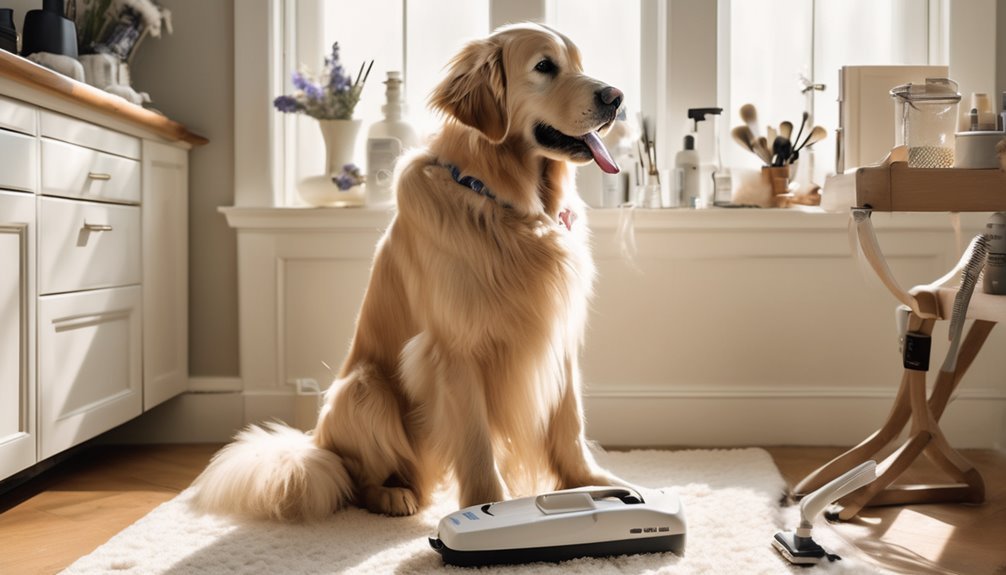
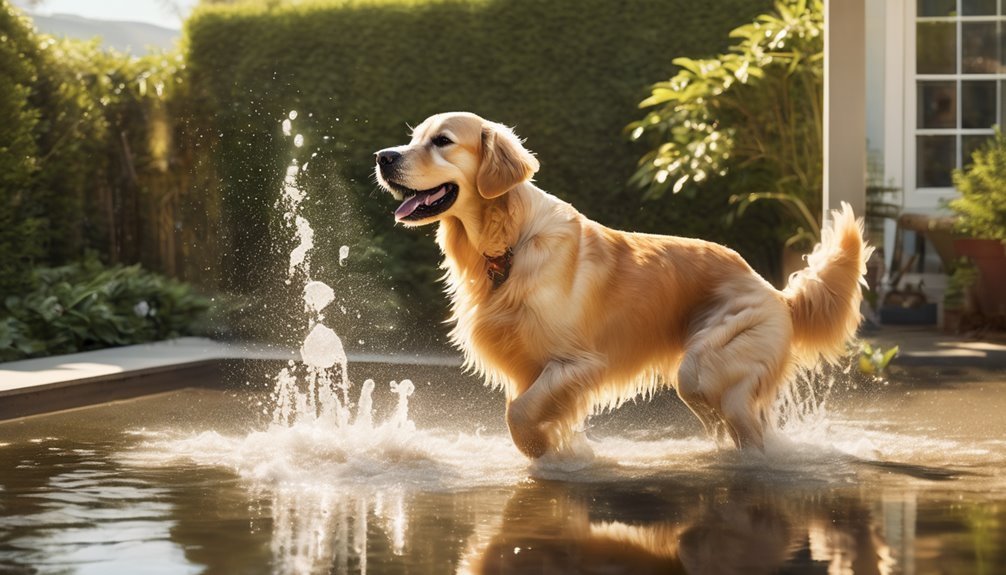
Imagine you have a Golden Retriever that loves to play outside. You might wonder how often you should bathe him to keep his coat healthy and free of dirt. The answer isn’t straightforward; it varies based on factors like breed, coat type, and lifestyle. Understanding these elements is crucial for maintaining your dog’s hygiene and comfort. So, what should you consider when determining the right bathing frequency?
Key Takeaways
- Puppies generally require less frequent baths, while older dogs may need more depending on their health and activity levels.
- Short-haired breeds typically need fewer baths, while long-haired and oily coat breeds require regular washing to prevent matting and maintain coat health.
- Bathing frequency should be adjusted based on outdoor activities, with active dogs needing more frequent baths due to dirt and odor.
- Recognize bath time indicators, such as noticeable odor, dirt accumulation, or excessive scratching, to determine when a bath is necessary.
- Avoid overbathing, as it can strip natural oils, leading to dryness and skin irritation; tailor the schedule to your dog’s individual needs.
Key Factors Affecting Your Dog’s Bathing Schedule
When determining how often to bathe your dog, several key factors come into play.
Age considerations are crucial; puppies often require less frequent baths, while older dogs may need more attention due to skin changes.
Health factors also significantly impact this decision. For instance, dogs with skin conditions may benefit from more regular bathing with medicated shampoos, while those with sensitive skin could require less frequent cleaning to avoid irritation.

Additionally, if your dog enjoys outdoor activities, you might need to adjust their bathing schedule based on dirt and odor.
How Breed Impacts Bathing Frequency
Breed plays a significant role in determining how often you should bathe your dog. Different breeds have unique grooming habits and breed characteristics that influence their bathing needs.
- Short-haired breeds usually need less frequent baths.
- Long-haired breeds may require more regular washing to prevent matting.
- Dogs with oily coats, like Basset Hounds, often need baths more often.
- Hypoallergenic breeds, such as Poodles, might require special shampoos for sensitive skin.
- Active breeds that love the outdoors may need extra baths to remove dirt and odors.
Coat Type and Its Role in Bathing Needs
Coat type significantly influences how often you should bathe your dog, as various textures and lengths require different care.
For instance, dogs with long, dense coats may need more frequent baths to prevent matting and maintain skin health. Conversely, short-haired breeds often require less frequent bathing, relying more on regular grooming routines to remove loose hair and dirt.
Curly or wavy coats may require specialized shampoos to prevent buildup and maintain moisture levels.
Understanding your dog’s coat type helps you tailor your bathing schedule, ensuring their skin stays healthy and their coat remains vibrant.
Regular grooming routines are essential, as they complement bathing and promote overall well-being.
Pay attention to your dog’s unique needs for the best results.
How to Recognize When Your Dog Needs a Bath
How can you tell if your dog needs a bath? Recognizing the signs is key for maintaining their skin health and comfort. Here are some indicators to watch for:
- Noticeable odor detection, even after regular grooming
- Dirt or mud accumulation on their coat
- Excessive scratching or skin irritation
- Greasiness or a dull appearance in their fur
- Presence of fleas or ticks
These signs often suggest that it’s time for a bath.

Regular bathing not only keeps your dog smelling fresh but also supports their skin health by removing allergens and dirt.
Pay attention to your furry friend’s needs, and you’ll ensure they stay clean and comfortable.
Is Overbathing Harmful?
Overbathing your dog can lead to several health issues, particularly affecting their skin and coat. Frequent baths can strip away natural oils essential for maintaining skin health, causing dryness and irritation.
Without these oils, your dog may experience itching and discomfort, leading to more serious skin conditions. Additionally, overbathing can disrupt the skin’s protective barrier, making it more susceptible to infections.
It’s crucial to balance bath frequency with your dog’s specific needs, considering factors like breed, coat type, and lifestyle. A well-timed grooming schedule can help keep your dog clean without compromising their skin health.
Always pay attention to your dog’s reactions to baths and adjust accordingly, ensuring they remain comfortable and happy.
Tips for a Stress-Free Bathing Experience
To ensure your dog enjoys bath time, start by creating a calm and inviting environment. This helps reduce stress and makes the experience more pleasant for both of you.
Creating a calm and inviting environment is key to making bath time enjoyable for you and your dog.
Here are some tips to make bath time smooth:
- Choose the right bathing techniques for your dog’s coat type.
- Gather effective grooming tools, like brushes and dog-safe shampoos.
- Use lukewarm water to maintain comfort.
- Introduce treats and praise to reinforce positive behavior.
- Play soothing music to help create a relaxed atmosphere.
Frequently Asked Questions
Can I Use Human Shampoo on My Dog?
No, you shouldn’t use human shampoo on your dog. The ingredients can irritate their sensitive skin, disrupting its natural balance. Always choose dog-specific shampoos formulated to maintain optimal dog skin health and hydration.
How Do I Dry My Dog After a Bath?
After a bath, gently towel your dog, using soft motions like a warm hug. For drying techniques, consider a pet dryer on low heat. Good post-bath care helps maintain their coat and bond strengthens.
What Time of Year Is Best for Bathing My Dog?
The best time for seasonal bathing is during mild temperatures, typically spring or fall. Avoid extreme heat or cold, as your dog’s skin can react poorly. Ensure comfort by maintaining a warm environment post-bath.
Are There Any Natural Alternatives to Dog Shampoo?
You can use natural ingredients like oatmeal, coconut oil, or apple cider vinegar in DIY recipes for dog shampoo. These alternatives are gentle on your pup’s skin and can strengthen your bond during bath time.
Can Bathing Help With My Dog’s Allergies?
Bathing your dog can provide allergy relief by removing irritants from the skin, promoting overall skin health. Regular cleansing helps soothe itching and inflammation, enhancing your furry friend’s comfort and well-being.
Conclusion
In the grand tapestry of your dog’s health, bathing is a crucial thread. Just like a well-tended garden flourishes, your furry friend thrives with the right bathing routine. Listen to their body’s whispers—odors and scratches signal when it’s time for a wash. Balance is key; too much can strip natural oils, while too little may invite trouble. By understanding their unique needs, you’ll cultivate a happy, healthy companion who shines just as brightly as their love for you.