Did you know that nearly 70% of households in the U.S. have pets, many of which are chosen for their suitability for kids? Selecting the right pet can significantly influence a child’s development and sense of responsibility. It’s not just about choosing a cuddly companion; it’s about fostering a genuine bond. But how do you ensure your child learns to care for their new friend effectively? Let’s explore the best options and strategies to make this experience rewarding.
Key Takeaways
- Choose Suitable Pets: Opt for gentle, trainable pets like hamsters or guinea pigs, which are manageable for kids and promote responsibility.
- Involve Kids in Care: Engage children in daily tasks like feeding, grooming, and exercise to instill a sense of responsibility towards their pets.
- Teach Basic Health Checks: Educate kids on recognizing signs of health issues and the importance of regular vet visits to ensure pet well-being.
- Create a Safe Environment: Designate pet-free zones and supervise interactions to ensure safety for both pets and children.
- Encourage Routine Tasks: Establish a consistent schedule for pet care activities to help children understand the commitment involved in owning a pet.
Best Pets for Kids: An Overview of Child-Friendly Options
When you’re considering adding a furry or scaly friend to your home, it’s essential to choose a pet that fits your child’s needs and lifestyle.
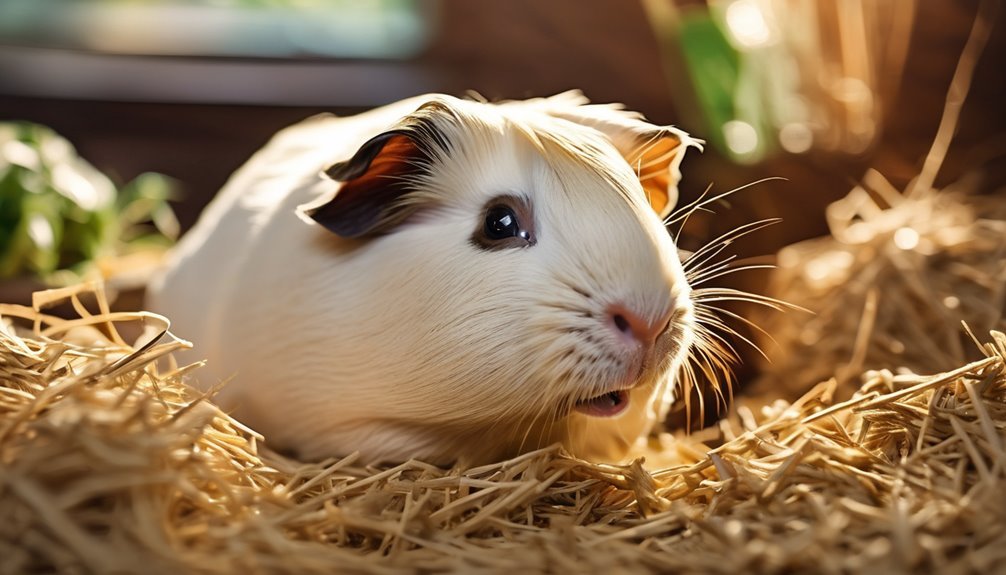
Dogs and cats often steal the spotlight, but don’t overlook smaller pets like hamsters or guinea pigs, which can teach responsibility without overwhelming your child.
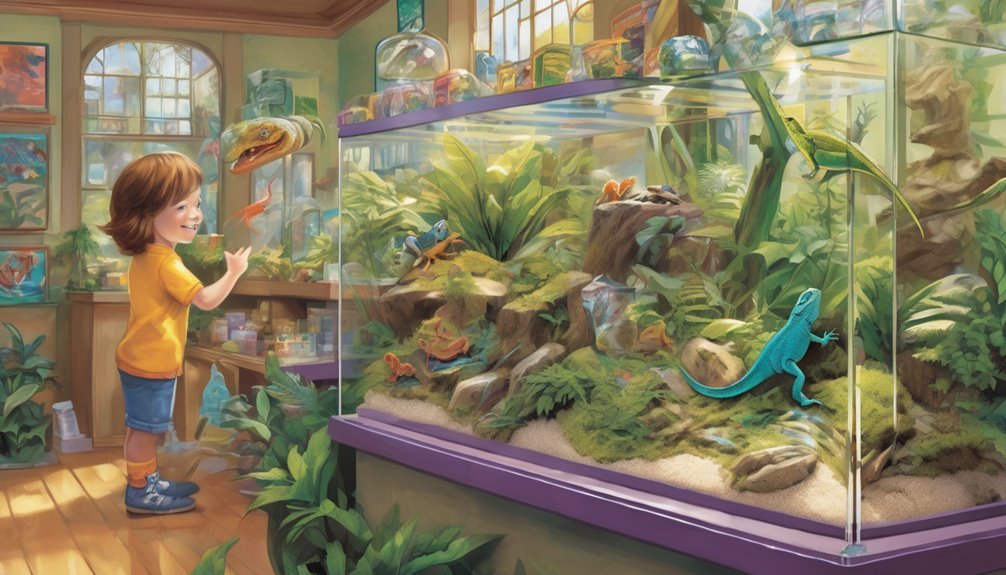
If you’re feeling adventurous, consider setting up fish tanks for vibrant aquatic life or even adopting exotic reptiles, like bearded dragons or geckos.

These unique pets can spark curiosity and provide endless learning opportunities.
Each option brings its own charm, so think about your child’s interests and activity level.
Ultimately, the right pet can foster a beautiful bond and enrich your family’s life together.
Essential Traits for Selecting a Child-Friendly Pet

Choosing the right pet for your child means considering several essential traits that ensure a harmonious match. Start with a temperament assessment; look for pets that are gentle, patient, and social. Age considerations also play a crucial role; younger children may need more tolerant pets.
| Trait | Importance |
|---|---|
| Temperament | A calm, friendly pet eases bonding |
| Trainability | Easy to train pets help kids learn responsibility |
| Size & Space Needs | Smaller pets often suit limited spaces |
Comparing Popular Family Pets: Dogs, Cats, and Small Animals

Three popular family pets—dogs, cats, and small animals—each offer unique benefits and challenges for kids.
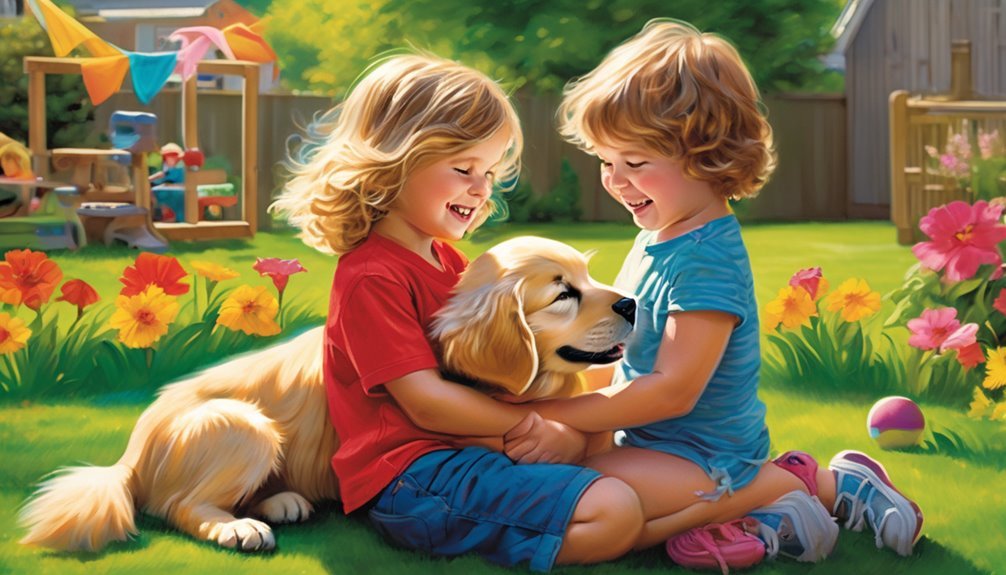
Dog breeds vary widely, so you can find one that fits your family’s energy level. They require consistent training techniques, which can be a fun bonding experience for you and your child.
Cats, with their diverse personalities, can be more independent but still crave affection and playtime. Keep in mind pet allergies; some breeds are hypoallergenic.
Small animals, like hamsters and guinea pigs, are great for teaching small animal care but may require less interaction.
Pet adoption is a wonderful option for all these animals, giving your family a chance to provide love and a home to a deserving pet.
Teaching Kids How to Care for Their Pets
While pets can bring joy and companionship, teaching kids to care for them is essential for fostering responsibility and empathy.
Teaching kids to care for pets fosters responsibility and empathy, enriching their lives and nurturing important values.
Start with simple pet care tasks that make them feel involved and important. Here are some key lessons to instill:

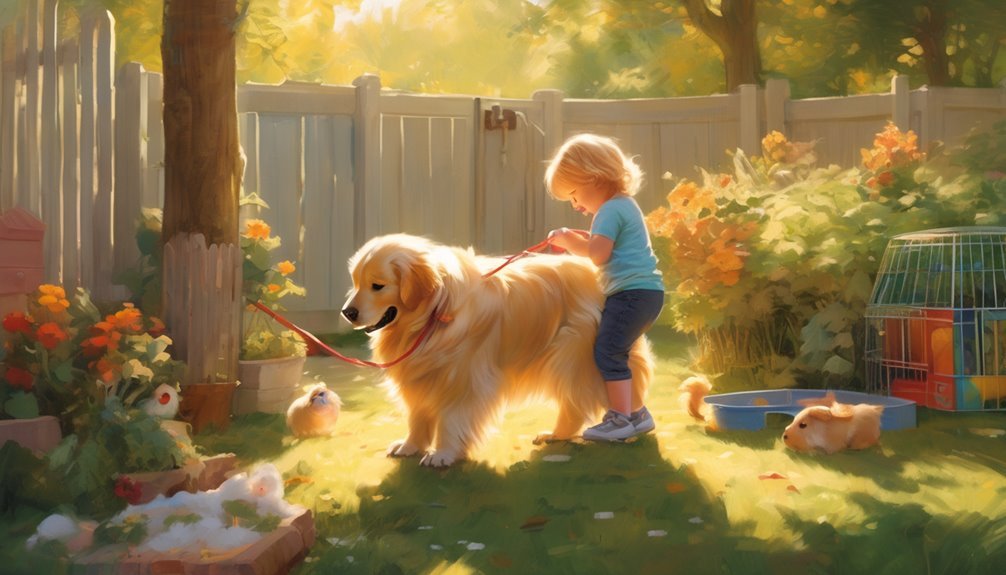
- Feeding: Let them scoop kibble or fill water bowls.
- Grooming: Show them how to brush fur or trim nails gently.
- Exercise: Encourage walks or playtime, making it fun.
- Cleaning: Teach them to tidy up after their pets, like changing litter or cleaning cages.
- Health Checks: Explain the importance of regular vet visits and observing any changes in behavior.
These responsibility lessons not only nurture a bond with their pets but also help shape their character for the future.
Fun Bonding Activities to Enjoy With Your Pet
Engaging in fun activities with your pet not only strengthens your bond but also creates lasting memories for both of you.
Try incorporating playful games like fetch or tug-of-war, which encourage interaction and excitement. These activities not only keep your pet physically active but also promote teamwork and communication.
You can also explore interactive toys that challenge your pet mentally, keeping them entertained while stimulating their curiosity. Puzzle feeders are great for this, turning mealtime into a fun challenge.
Involving your kids in these activities teaches them responsibility and nurtures empathy towards animals.
Whether it’s a simple game or a new toy, these moments of joy will deepen your connection and create cherished experiences for your family.
Creating a Safe Environment for Kids and Pets
Creating a safe environment for both kids and pets is essential for fostering a harmonious home.
Creating a secure space for both children and pets is vital for nurturing a peaceful home atmosphere.
By implementing effective pet proofing strategies, you can ensure that everyone stays happy and secure.
Here are some tips to create safe playspaces:
- Secure hazardous items like cleaning supplies and medications.
- Use baby gates to limit access to certain areas.
- Designate pet-free zones where kids can relax.
- Supervise interactions between pets and young children.
- Provide safe toys for both kids and pets to enjoy.
Frequently Asked Questions
What Age Is Appropriate for Kids to Start Caring for Pets?
You can start introducing kids to pet care around age five, gradually increasing responsibilities as they grow. This responsibility timeline helps them learn empathy and commitment, fostering a deeper bond with their furry friends.
How Can Pets Help Teach Kids Empathy and Compassion?
Like a gentle breeze, pets nurture kids’ emotional connection, fostering empathy and compassion. Caring for them awakens nurturing instincts, teaching your child the value of kindness, responsibility, and understanding towards all living beings.
Are There Pets That Require Minimal Supervision From Children?
Yes, low maintenance pets like certain suitable reptiles, such as leopard geckos or corn snakes, require minimal supervision. They’re fascinating, easy to care for, and perfect for kids learning responsibility without overwhelming daily demands.
What Should I Do if My Child Is Allergic to Pets?
If your child’s allergic to pets, consider allergy testing to identify triggers. Meanwhile, explore pet alternatives like hypoallergenic animals or even stuffed toys, ensuring your child still enjoys companionship without the discomfort of allergies.
How Can I Involve My Child in Pet Adoption Decisions?
Involve your child by having family discussions about pet selection. Explore different animals together, consider their needs, and visit shelters. This empowers your child, making them feel invested in the adoption process and fostering responsibility.
Conclusion
In the journey of pet ownership, remember that “a pet is for life, not just for Christmas.” By choosing the right companion and involving your kids in care, you’re not just nurturing a bond; you’re teaching valuable lessons in responsibility and empathy. With love and guidance, both your child and pet can thrive together, creating memories that last a lifetime. Embrace the joy of pet ownership, and watch your family flourish alongside your furry friends!