Many pet owners believe that caring for guinea pigs is straightforward, but this isn’t always the case. Misunderstandings about their dietary needs, social requirements, and proper living conditions can lead to serious health issues. By examining common mistakes, you can ensure your guinea pig thrives in a happy and healthy environment. Are you confident that your current care practices meet their needs? Let’s explore what you might be overlooking.
Key Takeaways
- Neglecting Vitamin C: Forgetting to provide vitamin C supplements can lead to serious health issues in guinea pigs.
- Inadequate Cage Size: Using a cage smaller than the minimum 7.5 square feet can cause stress and behavioral problems.
- Improper Bedding Choices: Using cedar or pine bedding can harm guinea pigs; opt for safe alternatives like aspen or paper bedding.
- Lack of Social Interaction: Keeping a guinea pig alone can lead to loneliness and behavioral issues; they thrive with companionship.
- Ignoring Health Signs: Failing to monitor changes in activity, grooming, or droppings can result in missed health problems.
Understanding Guinea Pig Dietary Needs
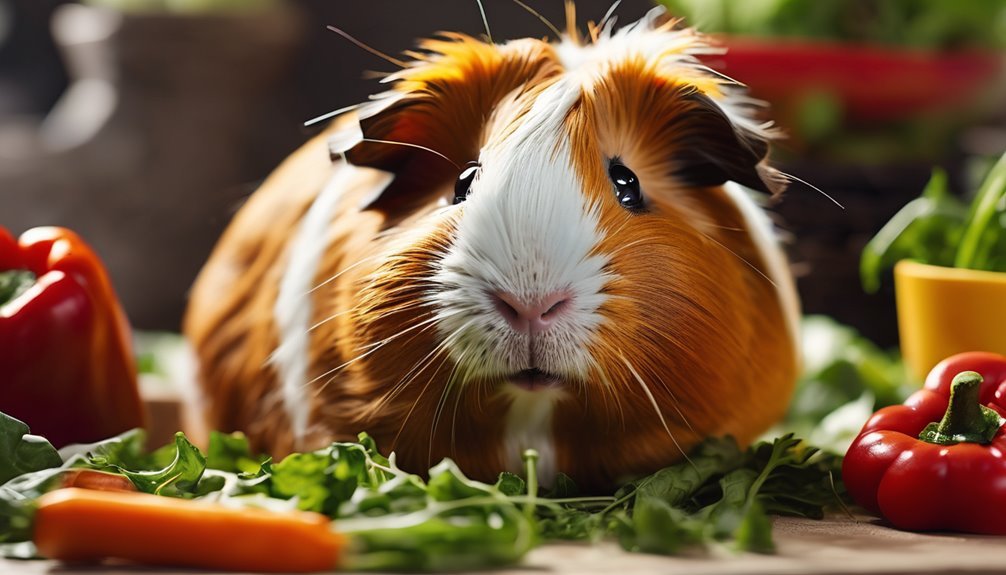
When you bring a guinea pig into your home, understanding its dietary needs is crucial for its health and happiness.
These small creatures thrive on a diet rich in hay varieties, like Timothy and Orchard grass, which provide essential fiber. Fresh vegetables should complement their diet, but be cautious with fruits due to sugar content.
Additionally, vitamin supplements are vital, especially vitamin C, as guinea pigs can’t produce it on their own. Always ensure fresh water is available, and avoid processed foods, as they can lead to serious health issues.

Choosing the Right Cage Size and Setup
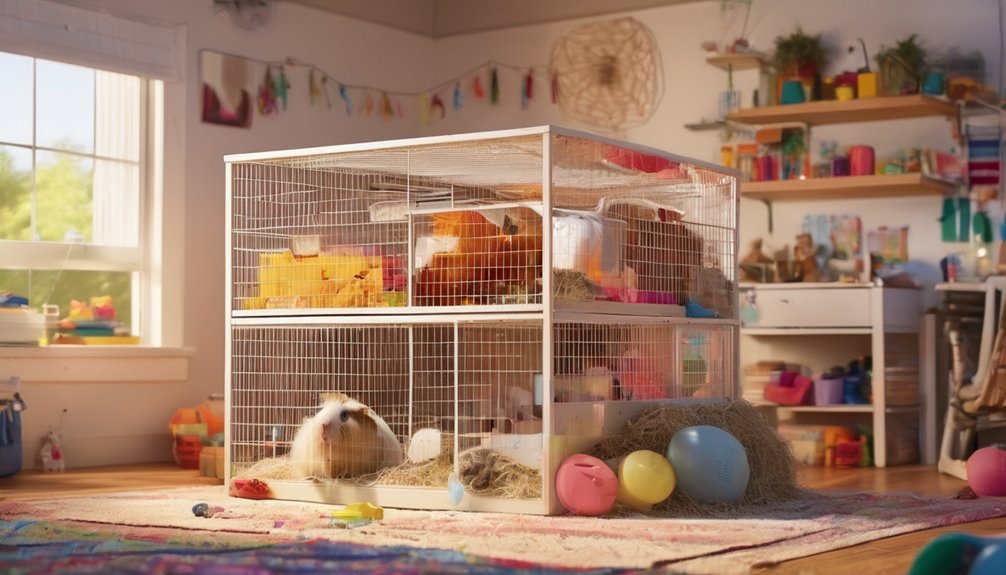
Choosing the right cage size and setup is essential for your guinea pig’s well-being, as inadequate space can lead to stress and health issues. Aim for a minimum of 7.5 square feet for one guinea pig, with additional space for more.
Choosing the right cage size is crucial for your guinea pig’s health—at least 7.5 square feet is recommended for one.
When selecting cage materials, opt for sturdy, non-toxic options to ensure safety. Avoid wire-bottom cages, as they can hurt your guinea pig’s feet.
For layout design, create separate areas for sleeping, eating, and play. Include cozy hiding spots and ramps to encourage exploration.
Regularly rearranging the setup can also keep things exciting for your furry friend. By providing a spacious, thoughtfully designed environment, you’ll foster happiness and vitality in your guinea pig’s life.
The Importance of Social Interaction for Guinea Pigs
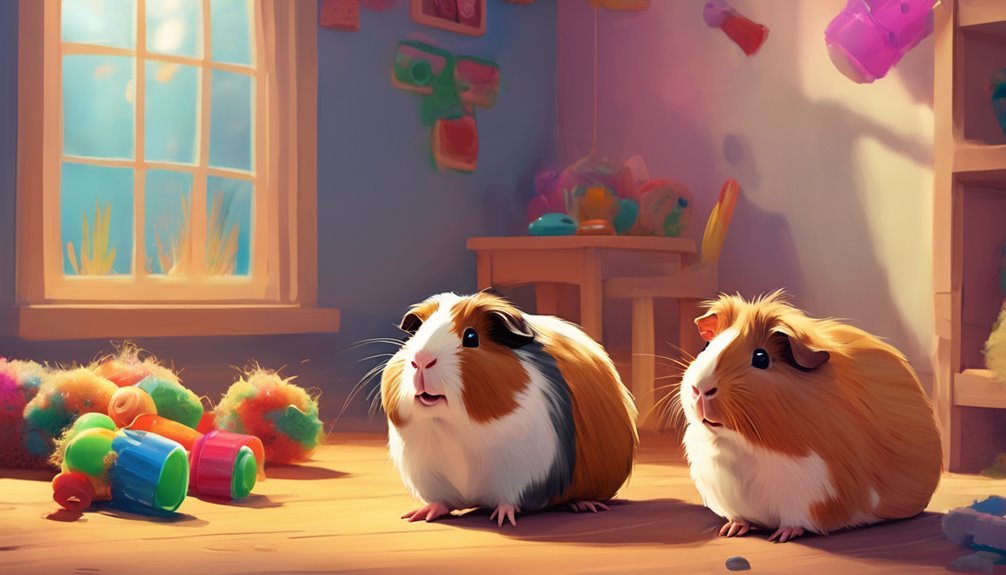
Creating a spacious and well-designed cage is just one aspect of keeping your guinea pig happy and healthy. Social interaction is crucial for their well-being. These gentle creatures thrive on companionship, whether it’s from other guinea pigs or from you.
Engaging in bonding techniques, like gentle petting or talking softly, strengthens your connection and builds trust.
Encourage social play by providing toys and tunnels that promote interaction. This not only keeps them active but also stimulates their minds.
Remember, a lonely guinea pig can become stressed or depressed, so spend quality time daily, whether through play or simple companionship.
Top Bedding Mistakes for Guinea Pigs and How to Avoid Them
While many owners focus on diet and companionship, selecting the right bedding for your guinea pig is equally essential for their health and happiness. Common mistakes in bedding choices can lead to discomfort or health issues. Here’s how to avoid them:
| Mistake | Solution |
|---|---|
| Using cedar or pine | Opt for aspen or paper bedding |
| Not changing bedding often | Maintain a weekly cleaning schedule |
| Choosing synthetic materials | Stick to natural, biodegradable options |
| Ignoring odor control | Use absorbent bedding materials |
How to Recognize Early Signs of Illness in Guinea Pigs?
How can you ensure your guinea pig stays healthy? Start by paying close attention to symptom identification and any behavioral changes.
If you notice your guinea pig becoming less active, hiding more often, or showing reluctance to eat, these could be early signs of illness.
Watch for changes in grooming habits; a dirty or unkempt coat may indicate distress or discomfort.
Additionally, monitor their droppings; any changes in size, shape, or frequency can signal health issues.

Keep an eye on their eyes and nose for discharge, which can also indicate illness.
Importance of Exercise and Enrichment
Exercise and enrichment play a crucial role in maintaining your guinea pig’s physical and mental health. Regular exercise routines, like floor time or gentle laps in a safe space, help prevent obesity and keep their muscles strong.
Incorporate fun enrichment activities, such as tunnels, chew toys, or foraging games, to stimulate their minds and encourage natural behaviors. These activities not only enhance their daily lives but also strengthen your bond with them.
Unsafe Foods for Guinea Pigs: What to Avoid in Their Diet
What should you avoid feeding your guinea pig to keep them healthy? It’s essential to steer clear of certain foods that can harm their well-being. Focus on these key categories:
- Toxic vegetables: Avoid onions, garlic, and mushrooms; they can disrupt your guinea pig’s health.
- Unsafe fruits: Steer clear of high-sugar fruits like bananas and grapes, which can spike their sugar content.
- Harmful treats: Skip commercial treats that may contain artificial ingredients and high calcium levels, which can lead to urinary issues.
Pay attention to feeding frequency and balance their diet to ensure they thrive.
Grooming and Hygiene Tips for Happy Guinea Pigs
After ensuring your guinea pig’s diet is safe and nutritious, it’s time to focus on grooming and hygiene to keep them happy and healthy.
Start by gathering essential grooming supplies like a soft brush and small nail clippers. Regular brushing not only keeps their coat shiny but also helps prevent matting, especially in long-haired breeds.
When it comes to bathing techniques, remember that guinea pigs don’t need frequent baths—once every few months is usually enough. Use a gentle, vet-approved shampoo and ensure you dry them thoroughly afterward.
Keep an eye on their ears and teeth, too; a quick check can go a long way in maintaining their overall well-being. Your loving attention makes all the difference!
Why Regular Vet Check-Ups Matter for Your Guinea Pig?
Regular vet check-ups are essential for keeping your guinea pig healthy and happy, as they can help catch potential health issues before they become serious.
By prioritizing these visits, you’re investing in their long-term well-being. Here’s why regular check-ups matter:
- Preventative care: Routine visits allow for vaccinations and early detection of diseases.
- Health assessments: Your vet can monitor your guinea pig’s weight, teeth, and overall health, ensuring they’re thriving.
- Behavioral insights: Regular check-ups provide an opportunity to discuss any changes in behavior, ensuring you address any concerns early.
Frequently Asked Questions
Can Guinea Pigs Live Alone or Need Companions?
Guinea pigs shouldn’t live alone; they thrive on companionship. As social animals, they need interaction with other pigs to feel secure and happy. Consider adopting a pair to meet their social needs and enhance their well-being.
How Often Should I Clean My Guinea Pig’s Cage?
You should clean your guinea pig’s cage at least once a week. Use absorbent bedding types like fleece or paper. Regular cleaning keeps their environment fresh, promoting a happy, healthy life for your little companion.
What Are the Best Toys for Guinea Pigs?
The best toys for your guinea pig include chew toys, interactive play items, hideouts, tunnels, foraging toys, and exercise wheels. These enrich their environment, promote exercise, and satisfy their natural instincts for exploration and chewing.
How Can I Tell if My Guinea Pig Is Stressed?
You can tell if your guinea pig is stressed by observing signs like hiding, teeth chattering, or fur standing on end. Use calming techniques such as gentle petting and providing safe spaces to help soothe them.
What Temperature Is Ideal for Guinea Pigs?
The ideal temperature for guinea pigs is between 65°F and 75°F. Avoid temperature fluctuations, as they can stress your pets. Keep their environment stable, ensuring they feel safe and comfortable in their home.
Conclusion
By avoiding these common guinea pig care mistakes, you’re not just ensuring your pet’s health; you’re also fostering a joyful, enriched life for them. But what if you overlook just one detail? A seemingly minor mistake could lead to serious consequences. Stay vigilant, monitor their well-being, and always seek knowledge. Your guinea pig relies on you, and the bond you share is worth every effort. What will you do today to make their life even better?