You may not know that a dog’s tail wag is not always a sign of happiness. You can read it as part of a larger body-language system, where speed, height, direction, and stiffness all change the message. A loose, broad wag can show ease, while a tight, rapid wag may signal tension. What looks simple at first often isn’t, and the details can tell you much more.
Key Takeaways
- Dogs wag their tails to communicate emotions like excitement, interest, uncertainty, or stress.
- The speed, height, and stiffness of a wag help show what the dog is feeling.
- Loose, broad tail wags usually signal friendliness or contentment.
- Tight, rapid, or stiff wags can indicate tension, anxiety, or conflict.
- Tail wagging works with other body cues, so context is essential for understanding it.
What Does a Dog Tail Wag Mean?
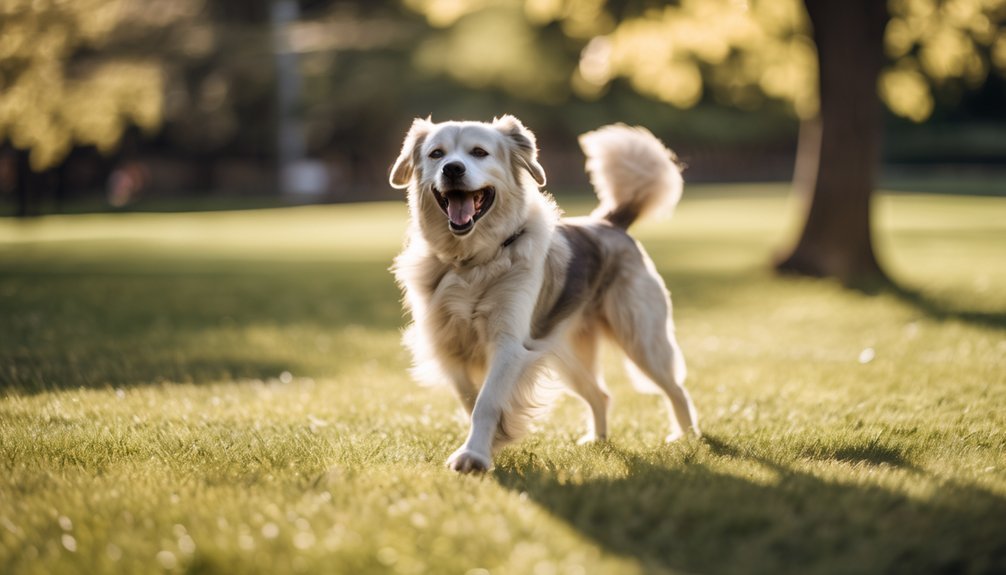
A dog’s tail wag is a form of communication that can signal a range of emotions, including excitement, interest, uncertainty, or stress. You can read tail communication by noting speed, height, stiffness, and direction.
A loose, broad sweep often reflects positive wagging emotions, while a tight, rapid motion may show arousal or tension. If the tail sits high and moves sharply, your dog may feel alert; if it hangs low and wags minimally, your dog may be uncertain.
A loose, broad sweep often signals positive emotion, while a tight, rapid wag may indicate tension or arousal.
You should always assess the full body, including ears, posture, and facial tension, because a wag alone doesn’t give a complete clinical picture.
When you pay close attention, you’ll understand what your dog’s tail is telling you and respond with greater confidence and care.

Why Dogs Wag Their Tails
Dogs wag their tails because tail movement is part of canine communication, helping them signal emotional state, social intent, and arousal to other animals and to you. You can read this as tail communication, not random motion.
The tail gives your dog a direct channel for emotional expression, letting excitement, uncertainty, friendliness, or alertness show quickly. Dogs evolved this signal because it helps them exchange information with conspecifics and with you during close social contact.
When your dog wags, the movement can support interaction, reduce ambiguity, and coordinate responses in real time. You’ll notice that tail use often becomes more frequent when your dog seeks attention, engages in greeting, or responds to a meaningful stimulus.
How Tail Wags Fit Into Body Language
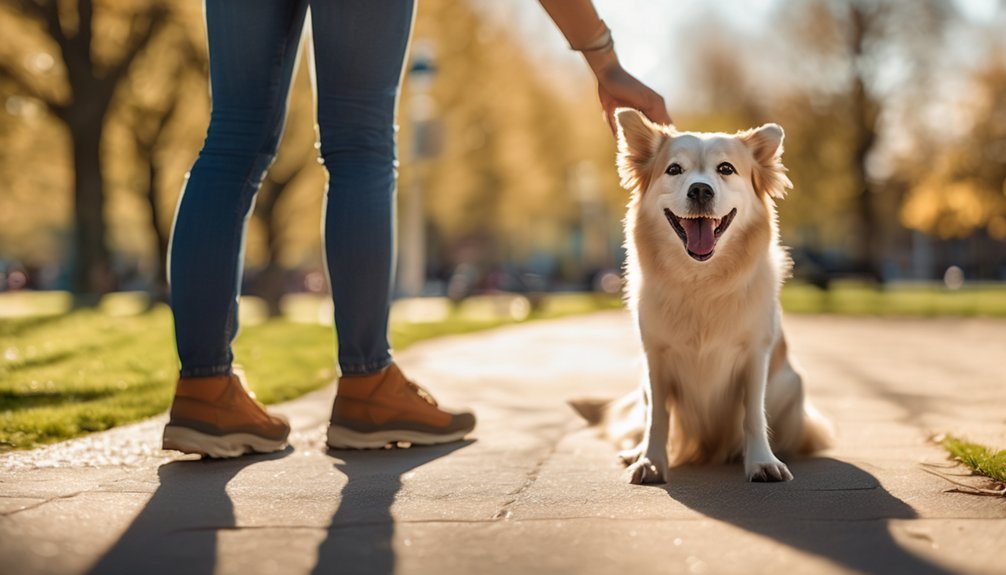
When you look at a tail wag, you’re seeing just one component of a larger body-language pattern that includes posture, facial tension, ear position, eye shape, and movement speed. You need to read the whole body to interpret tail communication accurately. A loose, balanced stance can accompany friendly emotional signals, while stiffness, lowered weight, or averted gaze may change the meaning. Watch for:
| Cue | Meaning |
|---|---|
| Relaxed muscles | Low tension |
| Soft eyes | Calm state |
| Ears forward | Alert interest |
| Fast movement | Elevated arousal |
You’ll notice that these signals work together, not separately. Your dog’s tail adds context, but the rest of the body tells you whether the message is safe, social, or conflicted.
What Different Wag Directions Mean
Tail position can add another layer of meaning to the body-language signals you’ve already been watching. When you notice your dog’s tail direction moving more to the right, you’ll often see emotional signals linked to positive arousal, such as interest or friendliness.
A leftward bias can accompany uncertainty, tension, or caution. You shouldn’t read any single wag in isolation, though. You need to compare the motion with the rest of the body: ears, eyes, mouth, and weight shift all refine the message.
A loose, even sweep usually suggests emotional balance, while a stiff, off-center pattern can show conflict. By tracking these directional changes closely, you can respond with more confidence and give your dog the calm, informed attention it craves and deserves.
How Tail Height Changes the Message
A tail’s height often shifts the meaning of the wag by showing a dog’s overall emotional state. When you read tail position, you get important emotional signals that shape canine communication.
A high tail may suggest confidence, alertness, or arousal, while a low tail can reflect caution, submission, or unease. Midlevel placement often appears during neutral social interactions.
You should always judge tail movement with body posture, because the rest of the body can confirm or soften the message. Environmental factors, such as unfamiliar people, loud sounds, or a tight space, can alter this display.
Your dog’s instinctual behavior also matters, since breed tendencies influence how high or low the tail sits during ordinary encounters.
What Fast and Slow Wags Mean
Speed adds another layer to tail-language, and it can change how you read the same wag. When you see fast wagging, you usually observe high arousal, often from excitement, anticipation, or strong interest. The tail may move in tight arcs or broad sweeps, and you should read it alongside posture, ears, and facial tension.
Slow wagging often signals a more measured state. Your dog may be assessing a person, place, or event, holding attention without fully committing.
Slow wagging often shows a measured state, with your dog assessing the moment before fully committing.
In both cases, speed matters, but context matters more. A relaxed body with loose muscles supports a friendly meaning, while stiffness changes the message.
Watch the whole dog, not the tail alone, so you can respond with confidence and keep your connection clear and calm.

When a Dog Tail Wag Signals Stress
When your dog wags with a tense body, the motion can signal stress rather than friendliness. You should watch the whole posture, not the tail alone.
A stiff wag, tucked hips, pinned ears, whale eye, lip licking, yawning, or a frozen mouth often accompanies discomfort. These stress indicators tell you your dog may feel threatened, overstimulated, or unsure.
In dog behavior, tail movement becomes one clue among many, and context matters. If the wag appears rapid but shallow, with weight shifted back, your dog may be trying to reduce conflict.
Give space, lower stimulation, and speak calmly. If the pattern continues, remove the trigger and assess for pain, fear, or environmental stressors.
How Breed and Tail Shape Change Wags
Breed and tail shape alter how you read a wag, because the same motion can look very different on a long, curled, docked, or naturally short tail. In tail breeds, you’ll notice that a broad, feathered tail shows larger arcs, while a compact tail may flick in tight beats.
Shape influence matters because a curled tail can hide lateral motion, and a docked tail can make subtle pulses harder to detect. You should compare the tail’s carriage, speed, and range to the dog’s breed standard, not to a generic model.
A husky, a pug, and a terrier won’t express movement the same way. When you know how anatomy changes the signal, you can interpret wags with more accuracy and less guesswork.
Read the Whole Dog, Not Just the Tail
A tail wag rarely tells the full story on its own, so you should assess the dog’s entire body for context. You can read tail communication more accurately when you pair it with posture, ear position, facial tension, and eye shape.
A loose body, soft mouth, and open gaze usually suggest comfortable canine emotions. In contrast, a stiff frame, flattened ears, or a tight jaw can signal arousal, caution, or stress, even if the tail moves.
Watch the speed, height, and sweep of the wag, but don’t isolate it from the rest of the dog. When you observe the whole animal, you’ll interpret intent with greater precision and respond with confidence, care, and calm attention.
What to Do When Your Dog Wags Uneasily
If your dog’s tail wag looks uncertain, pause and lower the intensity of the interaction. You should step back, soften your posture, and give your dog space to assess the situation.
Check for signs of tail anxiety, such as a low tail, stiff body, pinned ears, or lip licking. Avoid direct staring, looming over your dog, or forcing contact. Instead, use calming techniques: speak quietly, move slowly, and offer distance from triggers.
If your dog relaxes, you can resume interaction at a gentler pace. If the uneasy wag persists, end the session and let your dog settle in a familiar, low-stimulation area.
When you respond this way, you help your dog feel safer, and you strengthen trust without overwhelming them.
Frequently Asked Questions
Do All Dogs Wag Their Tails for the Same Reasons?
No, you can’t assume that. You’ll see tail language vary by breed, body type, and situation; dogs use emotional signals for excitement, fear, or tension, so you should read each dog’s whole posture carefully.
Can Puppies Understand Other Dogs’ Tail Wags?
Yes—many puppies can read tail language, but they’re still learning. About 70% of dog communication is visual, so your puppy’s socialization helps them interpret another dog’s wags, posture, and intent more accurately.
Do Docked Tails Affect Communication With Dogs?
Yes—tail docking can reduce the communication cues you notice. You’ll often miss subtle tail positions, which may affect how other dogs read intent. Dogs still use posture, ears, and scent to communicate.
Why Do Some Dogs Wag While Sleeping?
Your dog’s tail flicks like a tiny metronome because its brain may replay waking routines during sleep. In sleeping behaviors, these twitches often reflect dream interpretations, muscle activity, or brief REM-stage arousal.
Can a Dog Wag Its Tail When It Is Angry?
Yes, you can see a dog wag its tail when it’s angry; it’s part of its tail language and angry signals. You should watch posture, ears, and growling, because wagging doesn’t always mean friendliness.
Conclusion
You can learn a lot from your dog’s tail, but you shouldn’t read it alone. A 2018 study found that dogs with relaxed, broad wags were more likely to approach people positively, while stiff, high wags often signaled tension. So when you watch your dog, look at the whole body: ears, eyes, posture, and movement. If the wag seems uneasy, give space, reduce stress, and let your dog settle before interacting.