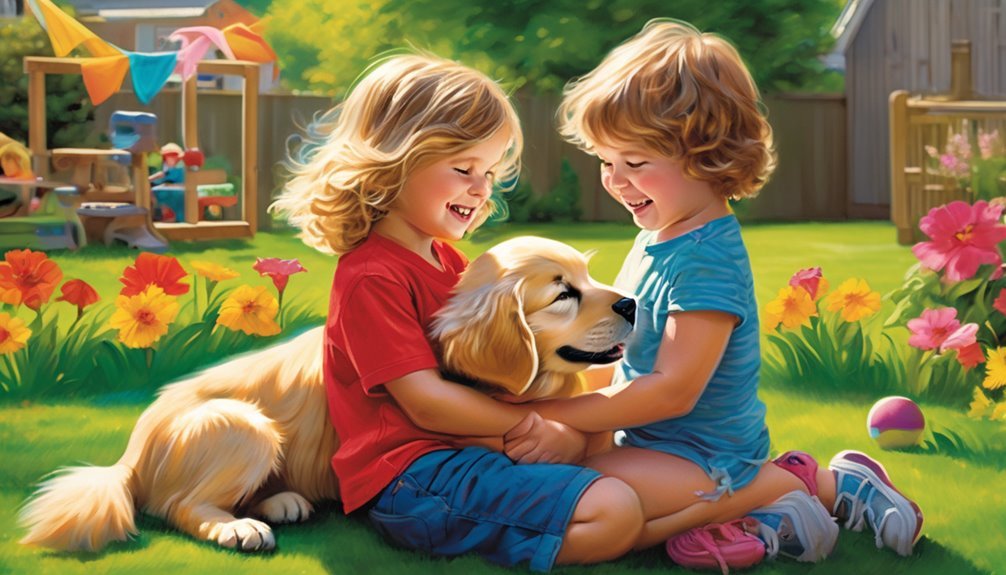
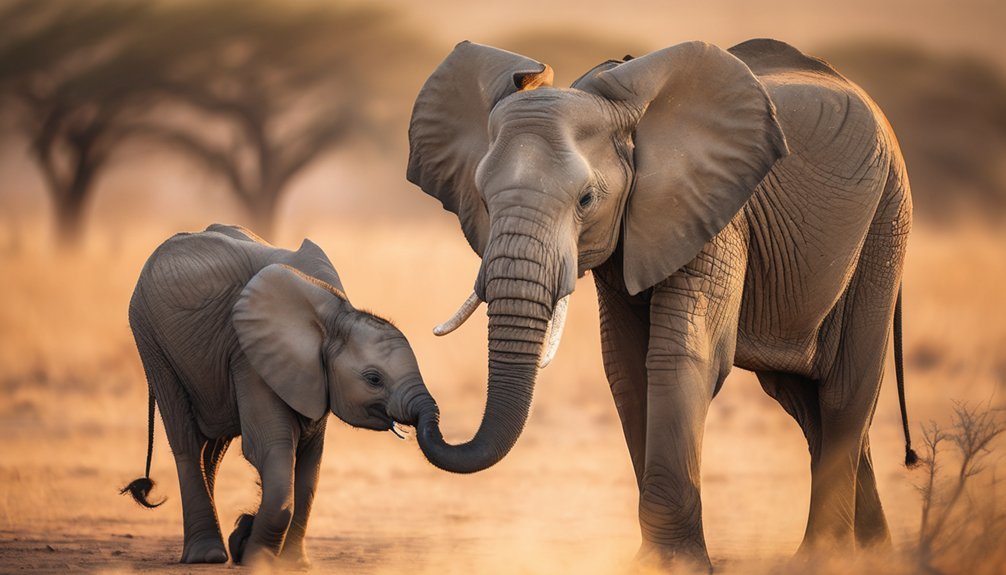
A heart-shaped ripple in a still pond can stand for what you see in animals’ social lives: signs of attachment that hint at more than instinct. You can observe grooming, closeness, distress, and even grief across many species, and research suggests these behaviors reflect real emotional states. Scientists stay careful with the word “love,” but the evidence raises a sharper question about how far animal feeling really goes.
Key Takeaways
- Many animals form strong social bonds that resemble affection, attachment, and trust.
- Scientists usually avoid calling it “love” unless behaviors and biology clearly support the claim.
- Animals show emotions like fear, joy, playfulness, grief, frustration, and stress.
- Behaviors such as grooming, seeking closeness, vocalizing, and separation distress reveal emotional states.
- Elephants, wolves, bonobos, and prairie voles are well-studied examples of animals with deep bonds.
Can Animals Feel Love? What Science Says
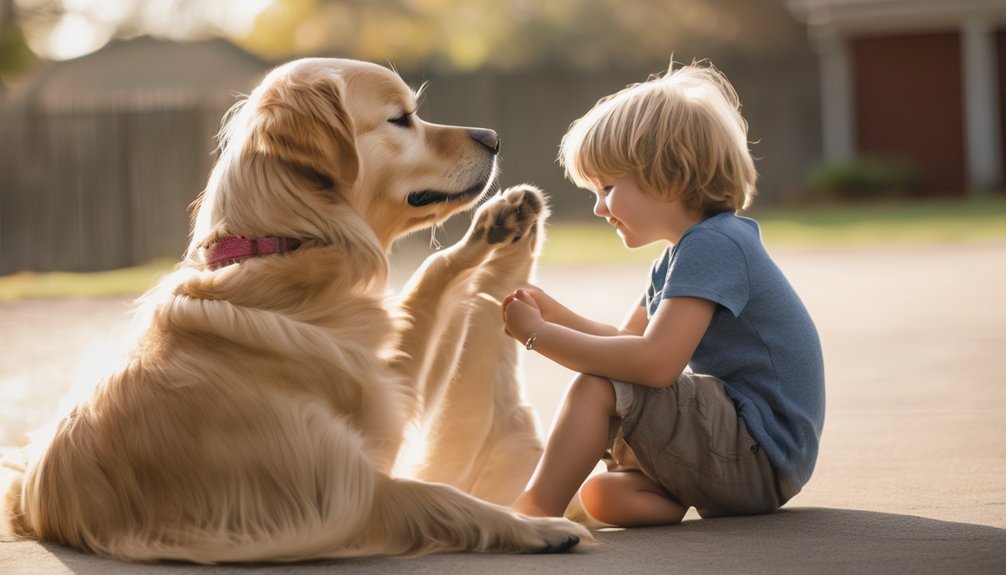
When you ask whether animals can feel love, science suggests a careful answer: many species show strong social bonds, attachment, and grief-like behavior, but researchers usually avoid using the word “love” unless they can link it to observable, measurable evidence.
You can see animal affection in grooming, proximity seeking, and protective actions, especially between parents and offspring or long-term mates. These patterns don’t prove human-style love, but they do suggest emotional intelligence shaped by social need.

When you watch a dog lean into you or a primate comfort a companion, you’re seeing behaviors that science can measure and compare. That evidence matters because it grounds your intuition in data, not fantasy, while still leaving room for genuine connection.
Which Emotions Do Animals Experience?
Scientists don’t limit animal emotion to affection alone; they look for a broader set of states that show up in behavior, physiology, and brain activity. You can see social bonding, fear, play, grief, frustration, and joy across species. These emotions often shape attachment styles and guide emotional communication. | Emotion | Common signs |
| — | — |
|---|---|
| Social bonding | grooming, proximity |
| Stress | pacing, vocal changes |
| Empathy expression | consoling contact |
Your best clue is behavioral cues that cluster with instinctual responses and stress reactions. When animals calm a distressed companion, adapt to separation, or respond to rewards and threats, they reveal emotional intelligence rather than simple reflex. Evidence suggests each species mixes these states differently, so you should expect variation, not a single emotional template.
How Scientists Study Animal Emotions
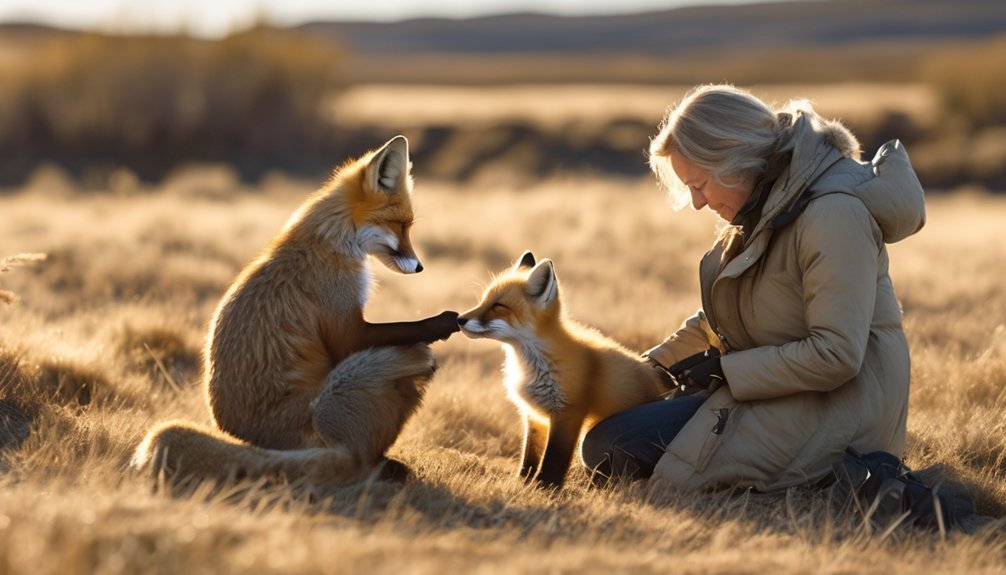
To study animal emotions, researchers combine behavioral observation with physiological and neurological measures. You can see how behavioral observations track posture, vocalizations, and choices, while neuroscience techniques reveal brain activity tied to reward, stress, or comfort.
Scientists often compare species to test whether emotional intelligence varies with ecology and social bonding demands. They also use evolutionary perspectives to ask which responses likely helped survival across lineages.
Scientists compare species to see how ecology and bonding shape emotional intelligence.
- A calm primate grooming a companion under soft light
- A dog’s ears shifting toward a familiar voice
- Brain scans highlighting activity during reunion tests
- Heart-rate charts rising and easing with touch
This evidence lets you assess patterns without guessing at feelings. It doesn’t prove humanlike thought, but it does show that animals respond in measurable, intimate ways.
Signs of Animal Emotions in the Wild
In the wild, animal emotions are inferred from consistent patterns in behavior, not from human-style interpretation. You can look for emotional communication in posture, calls, and proximity changes. | Signal | What you observe | Possible meaning |
| — | — | — |
|---|---|---|
| Play | playful interactions, relaxed chases | positive arousal |
| Loss | grief displays, reduced activity | distress or absence response |
| Care | nurturing instincts, grooming, guarding | investment in offspring |
You’ll also notice attachment behaviors, such as repeated reunion seeking, and empathy responses, when one animal adjusts after another’s alarm. Stress reactions—freezing, vigilance, or avoidance—often appear alongside changed feeding or resting. These patterns don’t prove inner experience alone, yet they give you evidence that animals regulate social bonding through behavior. To stay rigorous, compare repeated events across contexts, not one dramatic moment.
Animals That Form Strong Emotional Bonds
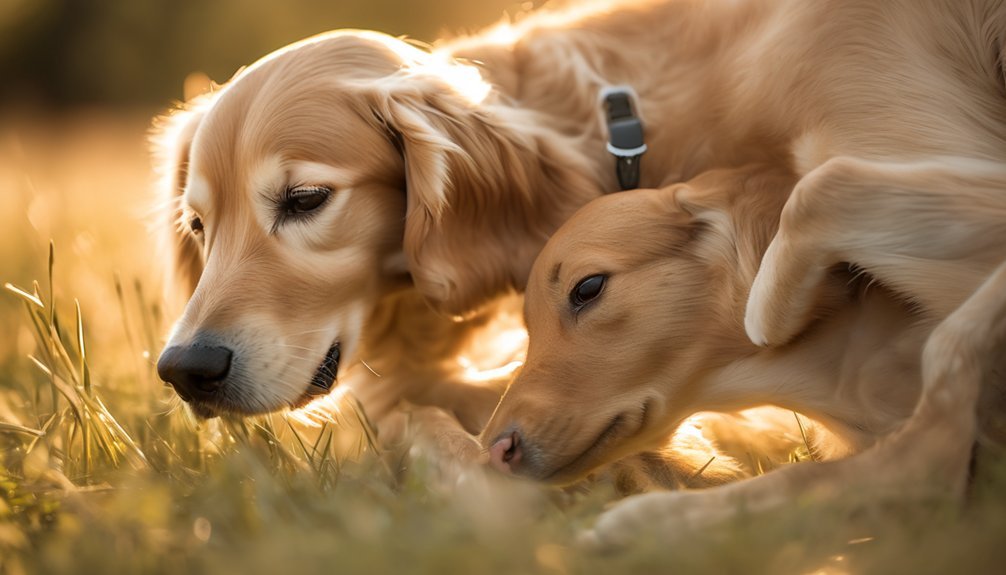
Strong emotional bonds show up most clearly in species that depend on close social cooperation, long-term pairing, or extended parental care.
When you watch elephants, wolves, bonobos, or prairie voles, you can see bonding behaviors that help maintain trust and proximity. In these animals, repeated grooming, coordinated movement, and distress when separated suggest emotional intelligence, not just routine.

- Elephants touching trunks at dusk
- Wolves resting shoulder to shoulder
- Bonobos sharing quiet grooming sessions
- Prairie voles huddling in a nest
You may notice that such bonds often strengthen survival, but they also create recognizable social warmth.
Evidence from field studies and controlled observations shows that these species respond selectively to familiar partners, which makes their connections feel deeply personal without requiring human-like interpretation.
What Animal Behavior Actually Means
Animal behavior becomes meaningful when you tie what you see to context, repetition, and measurable outcomes. You can’t treat every wag, purr, or nuzzle as proof of love; you need evidence.
Look at animal communication, then ask whether the same behavioral cues appear across situations and whether they change with stress, safety, or reward. In many species, social structures shape how individuals signal comfort, caution, or attachment.
That doesn’t erase emotion; it helps you interpret it carefully. You’re watching for patterns that suggest emotional intelligence, not projecting your own feelings onto them.
When behavior stays consistent, fits the environment, and predicts future action, you have a stronger case that it means something real, intimate, and biologically grounded.
Frequently Asked Questions
Do Pets Grieve When Their Owners Die?
Yes, you’ll often see pet mourning after an owner dies; strong emotional bonds can trigger distress, searching, and appetite changes. Studies suggest dogs and cats notice absence and adjust behavior, though grief varies by animal.
Can Animals Feel Jealousy Toward Other Animals?
Yes, you can see jealousy behaviors in some animals during animal rivalries, especially when access to attention or resources shifts. Research suggests they may react protectively, though you shouldn’t equate it exactly with human jealousy.
Do Animals Show Empathy Toward Humans?
Yes, animals can show empathy toward you—ironically, the creatures you call instinctive often read your distress best. Research on animal bonding and emotional intelligence suggests dogs, elephants, and primates may comfort, mirror, or assist humans.
Can Animals Recognize Individual Faces or Voices?
Yes, many animals can recognize individual faces and voices. You’ll see facial recognition in dogs, primates, and birds, while voice identification helps social species track companions, rivals, and caregivers with surprising accuracy.
Do Animals Remember Emotional Experiences Long-Term?
Yes—many animals do remember emotional experiences long-term. In animal cognition research, emotional memory helps you avoid danger, seek rewards, and adapt behavior, though strength varies by species, context, and individual experience.
Conclusion
So, can animals feel love and emotion? The evidence suggests they can form deep emotional bonds, even if you shouldn’t project human feelings onto them too quickly. When you watch grooming, huddling, play, grief, or protective behavior, you’re seeing more than instinct—you’re seeing a rich emotional current running through animal life. Science still studies the edges of this question, but the pattern is clear: animals’ emotions aren’t a flicker; they’re a steady fire.