Imagine your dog’s tail wagging furiously as you hold out a small, tasty treat. Choosing the right training treats can make all the difference in keeping their focus and enthusiasm high. You’ll want to look for options that are not only appealing but also nutritious. Understanding what makes a treat effective is key to successful training sessions. Let’s explore the essential traits of high-quality treats that can transform your training experience.
Key Takeaways
- Choose small, bite-sized treats to facilitate quick consumption and maintain focus during training sessions.
- Opt for high-value flavors like chicken, cheese, or peanut butter to enhance motivation and engagement.
- Use a variety of treats to keep your dog interested and excited throughout training.
- Ensure treats are made from natural ingredients for health and safety, avoiding potential allergens.
- Monitor your dog for any adverse reactions to treats and adjust flavors or types as needed.
The Importance of Choosing the Right Training Treats
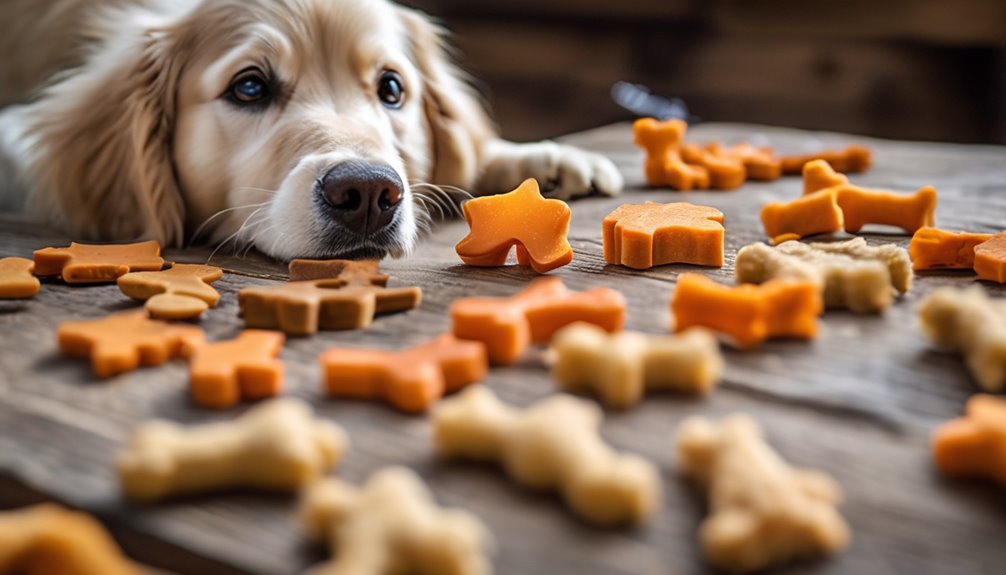
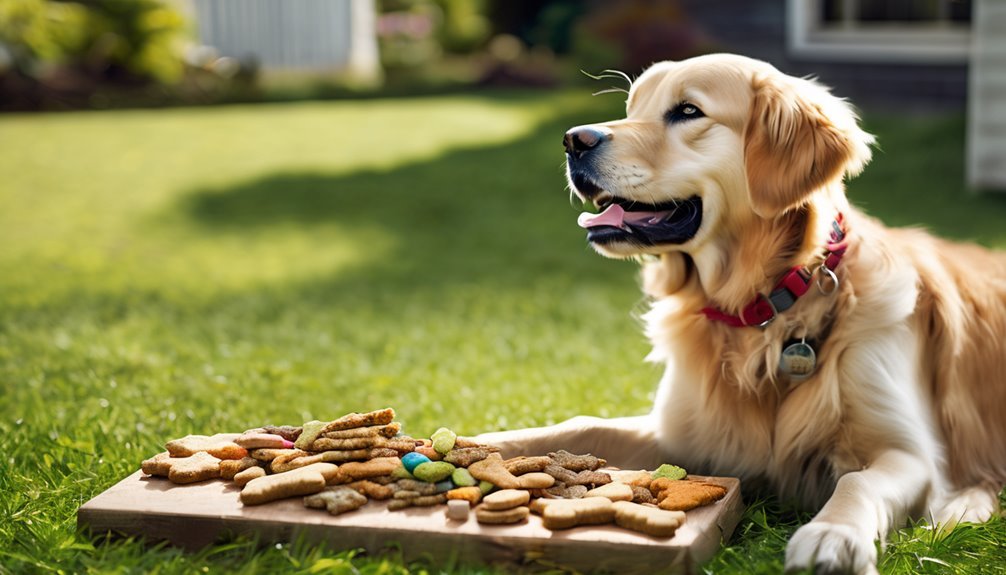
When you’re training your dog, choosing the right treats can make all the difference in their success. The size of the treats matters; you want them small enough for quick chewing but big enough to keep your pup interested.
Think about using tiny morsels that won’t disrupt your training flow. Flavor variety is equally important—dogs can get bored easily. By mixing different flavors, you keep their enthusiasm high and encourage them to focus.

Experiment with options like chicken, peanut butter, or even cheese to find what excites your dog the most.
Essential Traits of High-Quality Training Treats
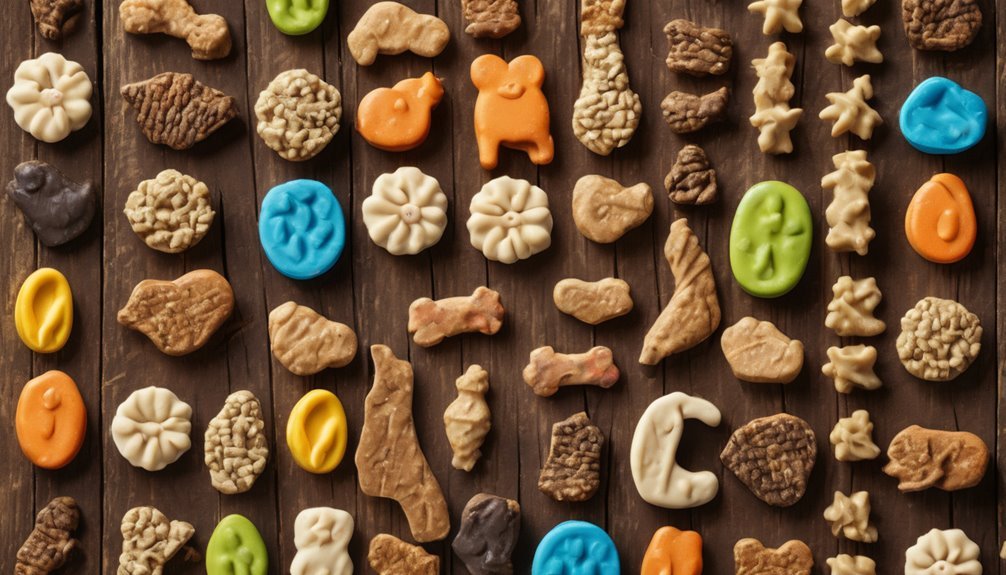
To ensure your dog stays motivated during training, it’s crucial to choose high-quality treats that meet specific criteria. Look for treats that not only catch your pup’s attention but also support their health.
Choosing high-quality treats that engage your dog and promote their health is essential for effective training.
Here are some essential traits to consider:
- Nutritional Value: Pick treats packed with beneficial ingredients to support your dog’s overall health.
- Treat Size: Opt for small, bite-sized pieces that are easy to chew and swallow, keeping training sessions smooth.
- Flavor Variety: Choose treats with different flavors to keep your dog excited and engaged.
- Natural Ingredients: Seek out treats made with wholesome, natural ingredients to ensure safety and health.
Top Dog Training Treats for Success
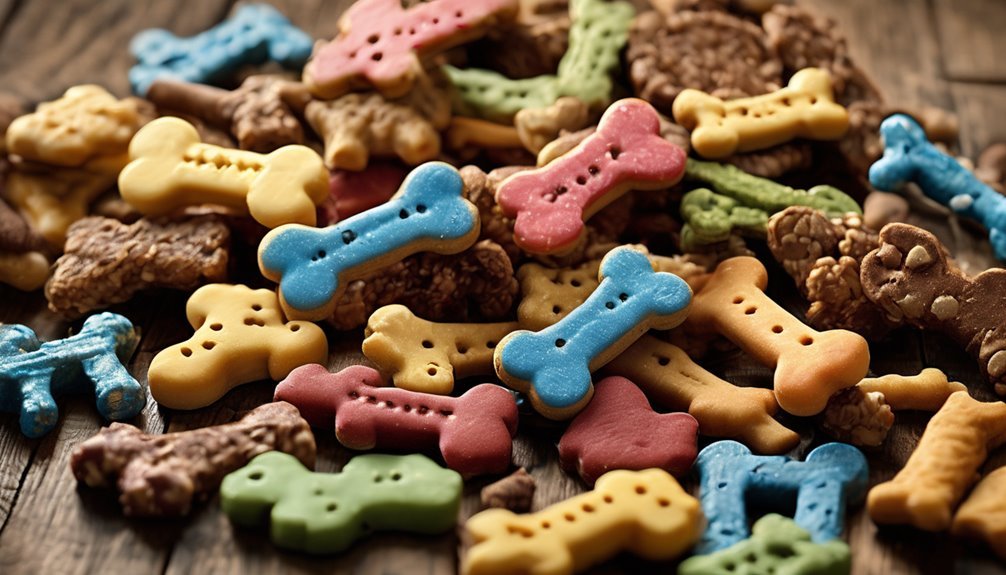
Choosing the right treats can make all the difference in your dog’s training success. Focus on treats that are small, as bite-sized pieces are easier for your pup to consume quickly. This keeps the training session flowing and maintains their focus.
Opt for high-value treats that your dog loves—think tasty bits of chicken or cheese. These will enhance positive reinforcement, making your dog eager to learn. Remember, the scent and flavor matter; they should be irresistible!
Keep a variety on hand to keep things interesting. Lastly, consider your dog’s dietary needs and avoid overly rich treats that might upset their stomach.
With the right treats, you’ll create a rewarding training experience that strengthens your bond.
Homemade Training Treat Recipes
Making homemade training treats can’t only save you money but also ensure your dog gets healthy, tasty snacks they’ll love.
Homemade training treats are a budget-friendly way to provide your dog with healthy, delicious snacks they’ll adore.
These recipes are simple and rewarding, perfect for your bonding moments.

Here are some delightful ideas to get you started:
- Peanut Butter Delights: Mix whole wheat flour, peanut butter, and an egg. Bake until golden.
- Pumpkin Bites: Combine canned pumpkin, oats, and a bit of cinnamon. Roll into small balls and bake.
- Chicken Jerky: Slice chicken breasts thinly and dehydrate or bake until crisp.
- Sweet Potato Chews: Slice sweet potatoes into strips, bake until chewy, and let them cool.
Try these treats, and watch your furry friend light up during training!
Using Treats Effectively During Training
While treats can be a powerful tool in dog training, using them effectively is key to success. Focus on positive reinforcement; reward your dog immediately after they perform the desired behavior. This helps them connect the action with the treat, reinforcing good habits.
Keep your treats small, ensuring the treat duration doesn’t distract them from training. If the treat is too big, it may take too long for your pup to chew, breaking their focus.
Vary the treats to keep their interest high—mixing favorites with new options can make training more exciting.
Troubleshooting Common Issues With Training Treats
Even with the right treats and a solid training routine, you might encounter some common challenges. Here’s how to troubleshoot:
- Treat Allergies: Always monitor your dog for signs of allergies, like itching or digestive issues. Consult your vet for safe alternatives.
- Treat Preferences: Not all dogs like the same treats. Experiment with various flavors and textures to find what excites your pup.
- Overexcitement: If your dog gets too hyper, consider using smaller treats to keep them focused and calm.
- Distraction: If your dog’s distracted, try using higher-value treats in more challenging environments to keep their attention.
Frequently Asked Questions
Can My Dog Have Training Treats if They Are on a Special Diet?
Yes, your dog can still enjoy training treats on a special diet. Look for treat alternatives that fit their dietary restrictions. You can even use small pieces of their regular food as effective rewards!
How Often Should I Give My Dog Training Treats During a Session?
Think of training treats as sparks igniting your dog’s enthusiasm. During a session, use timing strategies by offering small treats frequently, alternating treat types to keep things exciting. This keeps your furry friend engaged and motivated!
Are There Any Treats That Can Help With Specific Behavioral Issues?
Absolutely! Certain treat types can target specific behavioral triggers. For example, high-value treats can distract during anxiety, while calming chews may help with aggression. Experiment to find what resonates best with your pup’s unique needs.
What Should I Do if My Dog Loses Interest in Training Treats?
If your dog loses interest in training treats, mix it up! Try different treat alternatives or use motivation techniques like playtime or praise. Keep training fun and engaging to reignite their excitement and focus.
Can I Use Regular Dog Food as Training Treats?
Sure, you can use regular kibble as training treats! It’s ironic how your dog might find their everyday food more exciting than fancy treats. Just ensure you balance with other treat alternatives for variety and motivation.
Conclusion
In the garden of your dog’s training journey, choose treats like seeds that bloom into strong bonds of trust and joy. By selecting high-value options and using them wisely, you’re nurturing a flourishing relationship with your furry friend. Remember, each small reward is a stepping stone, leading to a well-behaved companion. So, sprinkle those treats generously, and watch as your training sessions blossom into moments of connection and accomplishment, turning challenges into delightful adventures together.