Is your pet’s waistline a silent alarm? Understanding whether your furry friend is overweight is crucial for their overall health. You’ll want to pay attention to their body shape and feel for their ribs. A defined waist is a good sign, but there’s more to consider. Changes in behavior and movement can also indicate weight issues. Let’s explore how to assess your pet’s weight more accurately and understand the implications of obesity.
Key Takeaways
- Feel your pet’s ribs; they should be easily noticeable without excess fat covering them.
- Check for a defined waist when looking down at your pet from above.
- Notice any changes in eating habits or activity levels, as these can indicate weight issues.
- Observe your pet’s movement; difficulty in jumping or walking may signal excess weight.
- Regularly weigh your pet to track weight changes and assess overall health.
Understanding Ideal Weight Ranges for Pet Breeds
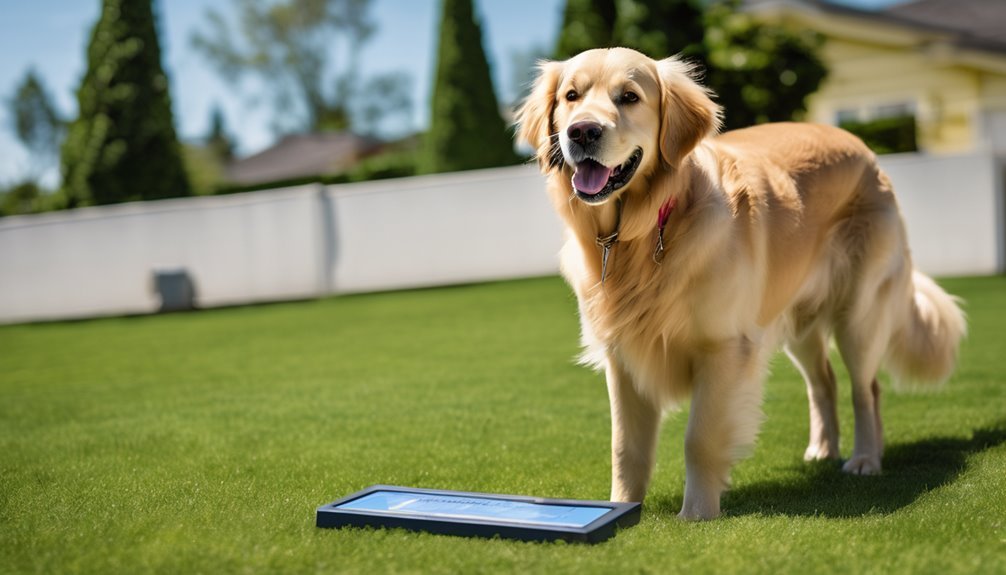
When you consider your pet’s health, understanding the ideal weight range for their specific breed is crucial. Each breed has established standards that help guide you in managing their weight effectively.
Knowing your pet’s ideal weight not only helps you maintain their health but also ensures they receive the right nutrition tailored to their needs. Proper weight management can prevent health issues like diabetes or joint problems, allowing your furry friend to live a longer, happier life.

Regular check-ups with your vet can provide valuable insights into your pet’s nutritional needs and help you adjust their diet as necessary. By staying informed about your pet’s breed standards, you can foster a healthy lifestyle that benefits both of you.
How to Identify If Your Pet Is Overweight?

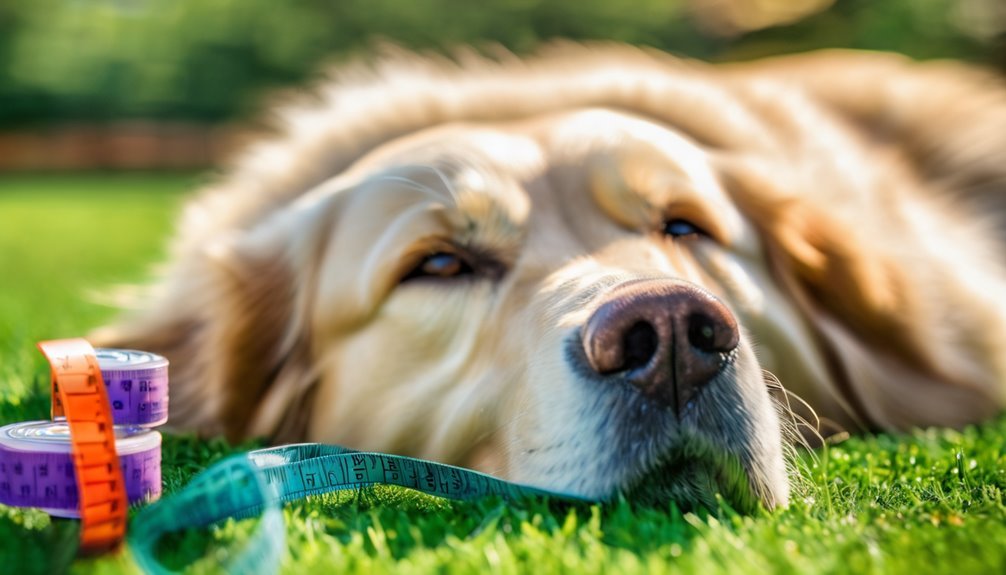
How can you tell if your pet is overweight? Start by observing their body shape. You should be able to feel their ribs without excess fat covering them.
Observe your pet’s body shape; you should be able to feel their ribs without excess fat covering them.
Look for a defined waist when viewed from above. If your pet’s feeding habits have changed or they seem less active, those are red flags. Consistent overeating or a lack of exercise routines can contribute to weight gain.
Pay attention to how easily they move; if they struggle to jump or walk, it may indicate excess weight. Regular weigh-ins can help track their progress.
Ultimately, consult your veterinarian for guidance tailored to your pet’s specific needs. Keeping them healthy is a loving commitment you both deserve.
How to Use the Body Condition Score to Evaluate Your Pet’s Weight?
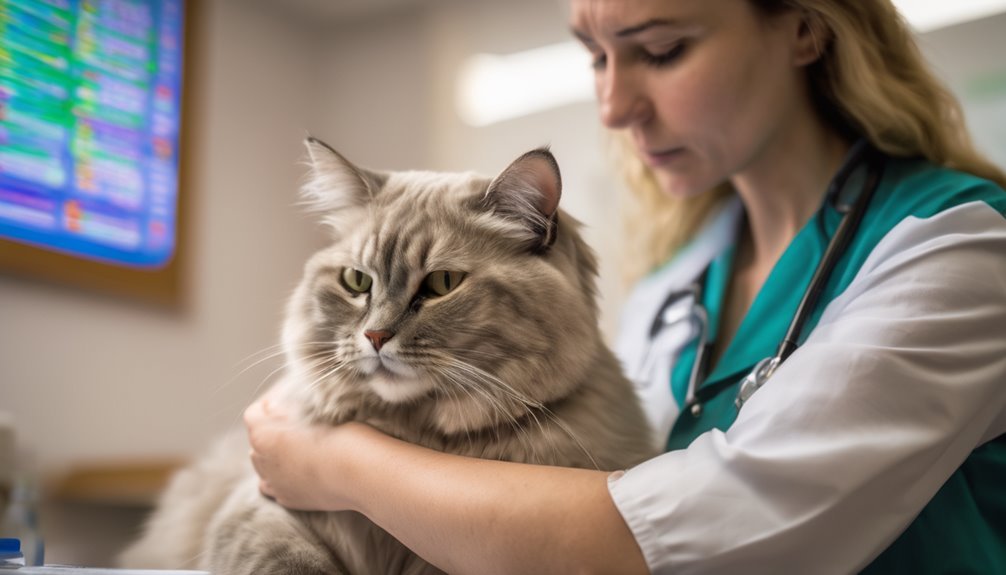
The Body Condition Score (BCS) is a valuable tool for assessing your pet’s weight. This scoring system evaluates your pet’s body shape on a scale of 1 to 9, allowing you to pinpoint whether they’re underweight, ideal, or overweight.
To use BCS effectively, feel your pet’s ribs—if you can easily feel them without excess fat, they’re likely at a healthy weight. Observe their waistline; a noticeable tuck indicates a good body shape.
Regularly assessing BCS helps you manage your pet’s weight effectively, ensuring they stay healthy and active. By understanding these simple evaluations, you can play a crucial role in your furry friend’s weight management and overall well-being.
What Health Issues Can Obesity Cause in Pets?
Understanding your pet’s Body Condition Score is just the first step in weight management. Obesity can lead to serious health issues that you might not realize, especially with common misconceptions about breed-specific risks. Overweight pets are more prone to diabetes, heart disease, and joint problems, which can drastically reduce their quality of life.
| Health Issue | Description |
|---|---|
| Diabetes | Insulin resistance increases with weight. |
| Heart Disease | Extra weight puts strain on the heart. |
| Joint Problems | Pressure on joints leads to arthritis. |
It’s essential to recognize these risks early. Keeping your furry friend at a healthy weight is crucial for their long-term well-being and happiness.

Tips for Helping Your Pet Lose Weight
Taking proactive steps to help your pet lose weight can significantly enhance their health and happiness.
Start with portion control; measure their food to avoid overfeeding. Establish a consistent feeding schedule to help regulate their appetite.
Incorporate exercise routines that you both enjoy, whether it’s daily walks or interactive playtime. Aim for at least 30 minutes of activity each day.
Replace high-calorie snacks with healthy treats like carrot sticks or apple slices, ensuring they’re still getting the nutrients they need.
Monitor their progress regularly, adjusting food and exercise as necessary.
With your commitment and a little patience, you can guide your furry friend toward a healthier, happier life together.
Frequently Asked Questions
What Are the Signs My Pet Is Gaining Weight Quickly?
If your pet’s belly seems rounder, they’re less active, or you notice difficulty with normal activities, these are weight gain indicators. Quick weight gain can increase pet health risks, so keep a close eye on them.
Can Certain Breeds Be Naturally Heavier Than Others?
Yes, certain breeds can be naturally heavier than others. Breed weight varies significantly, so it’s essential to understand your pet’s specific breed and its natural variations. Regular check-ups can help monitor their overall health.
How Often Should I Weigh My Pet?
Weigh your pet monthly to monitor weight management effectively. Regular check-ins help you catch any health implications early, ensuring your furry friend stays healthy and happy. Consistency is key for their well-being.
Are There Any Specific Diets for Overweight Pets?
Absolutely, tailored diets for overweight pets exist! Focus on weight loss with specific feeding guidelines, practice portion control, and offer healthy treats. Your furry friend will thank you as they shed those extra pounds!
Can Overweight Pets Still Be Active and Playful?
Yes, overweight pets can still lead an active lifestyle and display playful behavior. However, they may tire more easily. It’s essential to monitor their activity levels and adjust playtime to keep them healthy and engaged.
Conclusion
In conclusion, keeping an eye on your pet’s weight is crucial for their overall health. You might find that regular check-ups and mindful feeding habits not only enhance their quality of life but also strengthen your bond. Coincidentally, as you help them shed those extra pounds, you may discover new activities you both enjoy. Remember, a healthy pet is a happy pet, and your efforts today can lead to many joyful tomorrows together.