
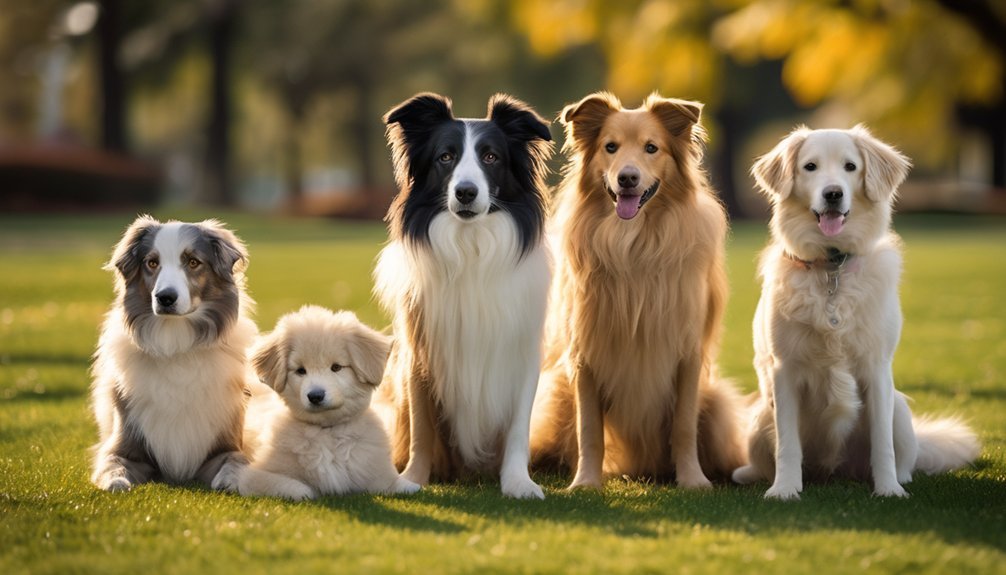
When you rank the smartest dog breeds, you need to look beyond appearance and focus on how fast they learn, solve problems, and respond to training. Border Collies and Poodles usually lead the list, but herding and working breeds often show similar skill in real-world tasks. If you want a dog that can think, adapt, and stay engaged, the next breeds may change what you expect.
Key Takeaways
- Border Collies are often ranked smartest for rapid learning, strong focus, and exceptional problem-solving.
- Poodles also rank highly, showing quick learning, agility, and strong training responsiveness.
- Working breeds like German Shepherds and Labrador Retrievers excel through task performance, adaptability, and cue reading.
- Smart family breeds learn house rules quickly, respond reliably, and bond well with children.
- The best breed depends on training style, exercise needs, temperament, and how well the dog fits your routine.
The Smartest Dog Breeds Ranked
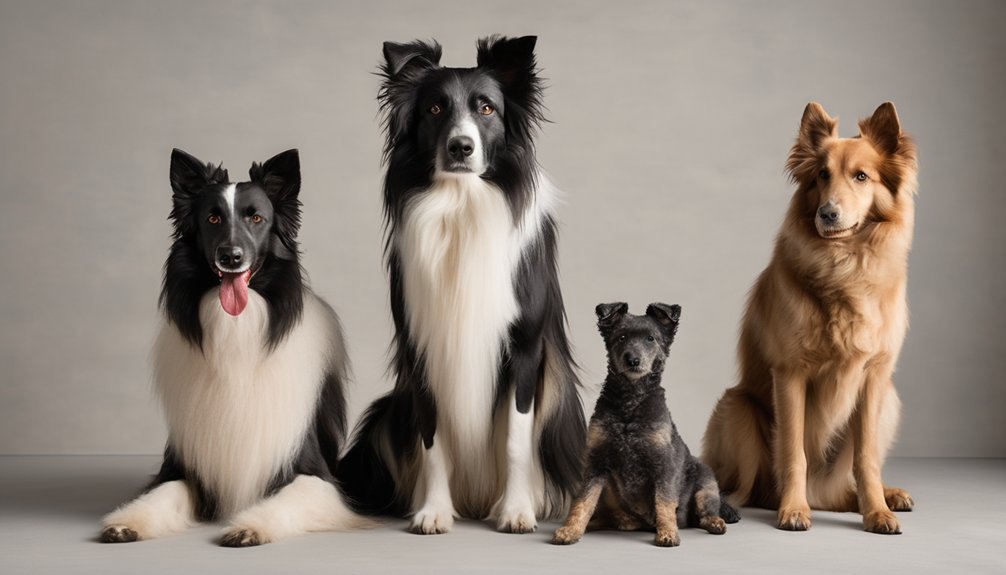
When you rank the smartest dog breeds, you’re looking at more than obedience alone; you’re assessing how quickly a dog learns, how well it solves problems, and how reliably it responds to training.
Smartest dog breeds are judged by more than obedience—they learn fast, solve problems, and respond reliably to training.
In dog intelligence testing, you evaluate recall speed, persistence, and adaptability under changing cues. You should notice that top-ranking dogs don’t just memorize commands; they generalize them with little repetition.
That matters when you choose training techniques, because efficient learners need clear structure, consistent timing, and precise rewards. You’ll get the best results when you match your methods to the breed’s cognitive style and keep sessions short, focused, and measurable.

This approach helps you identify which dogs think fast, stay engaged, and transfer skills from one context to another.
Border Collies, Poodles, and Herding Dogs
Border Collies typically rank at the top because they learn new cues quickly, retain them well, and adapt their behavior with minimal repetition. You’ll notice Border Collie Intelligence in their focused attention, rapid problem solving, and steady response to subtle signals.
Poodles follow closely; Poodle Agility lets you see fast physical coordination paired with strong learning capacity.
When you compare herding dogs, you’re observing Herding Instincts that drive quick directional changes, responsiveness, and controlled movement. These traits make structured Training Techniques especially effective: clear cues, consistent timing, and brief sessions usually work best.
You can reinforce progress with repetition, precision, and calm guidance, and you’ll often see reliable improvement without force.
Top Working Dogs With Real-World Skills
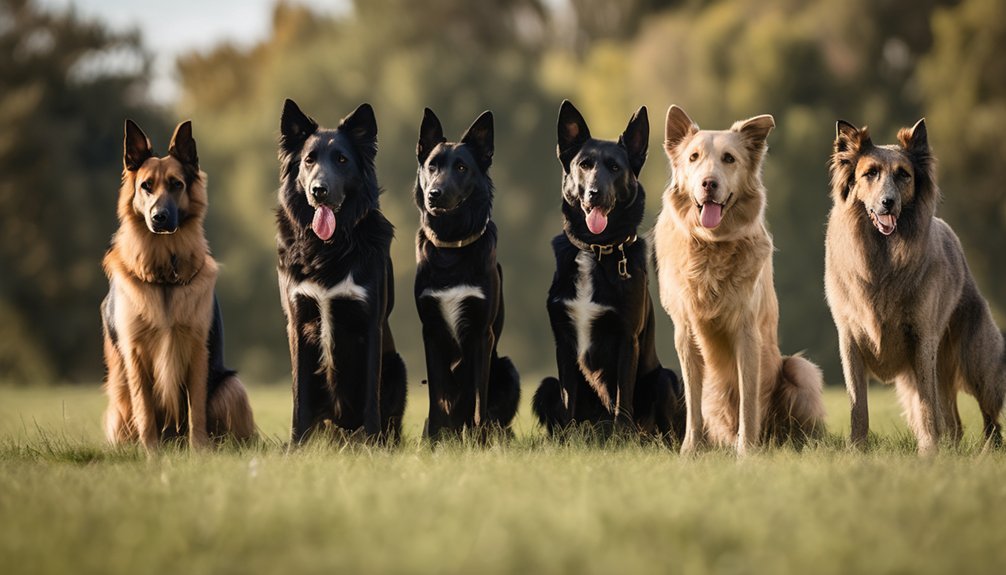
Working dogs stand out because their intelligence is expressed through task performance, not just trainability. You can see this in service dogs, guide dogs, and therapy dogs, which read your cues, stay calm, and support daily function with consistency.
Search dogs and rescue dogs track scent, locate people, and adapt fast in unstable environments, where errors matter. Police dogs add controlled force, detection, and pursuit, often under stress and distraction.
These breeds don’t just obey; they assess, respond, and sustain attention when conditions change. If you value capability, focus on dogs bred for reliable work, because their skills show in measurable outcomes, not performance tricks.
Their intelligence feels intimate because it protects, guides, and assists you when you need it most.

Smart Family Dogs That Learn Fast
Smart family dogs learn quickly, respond reliably, and fit into daily routines with minimal friction. You’ll notice family friendly intelligence in breeds that track cues, adapt to noise, and settle with consistency. Their learning curve stays short when you use training techniques that stay calm, reward timing, and clear repetition.
- They master house rules fast.
- They read your tone accurately.
- They bond closely with children.
- They retain commands under mild distraction.
In your home, these dogs support structure without demanding constant correction. You can reinforce good behavior with short sessions, predictable cues, and immediate praise.
That combination makes obedience efficient and keeps interactions warm, precise, and secure for everyone involved.
How to Choose the Right Smart Breed
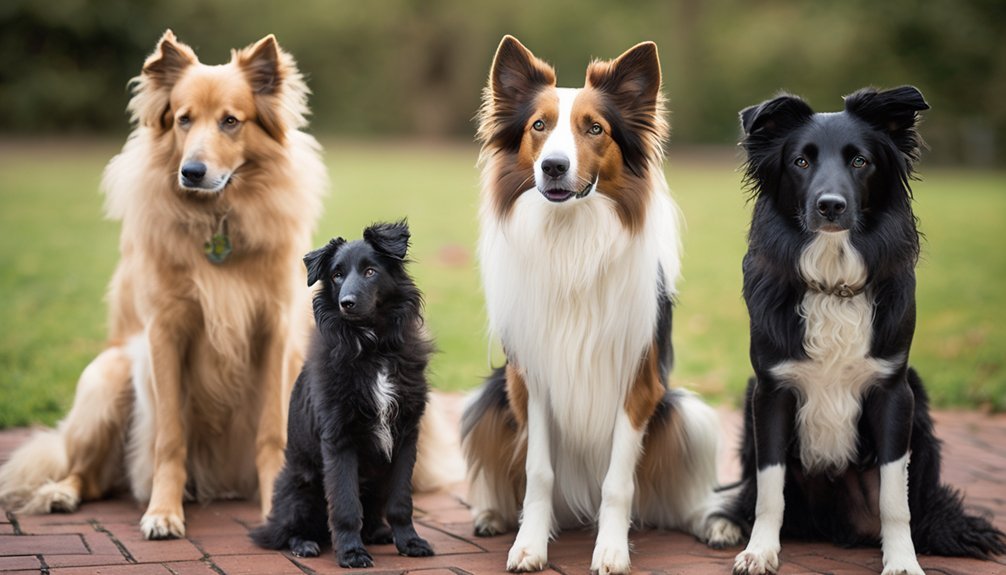
To choose the right smart breed, match the dog’s learning style to your household’s pace, training consistency, and activity level.
If you’re calm and structured, select a breed that responds well to clear routines and reward-based training techniques. If your days are busy, choose a dog that can tolerate brief sessions and still benefits from mental stimulation, puzzle toys, and task work.
Assess coat care, vocalization, prey drive, and exercise needs before you commit. A highly intelligent dog can thrive with you when you provide steady guidance, early socialization, and daily problem-solving opportunities.
If you want a close working bond, prioritize breeds that stay attentive, eager, and emotionally responsive. The best choice supports your lifestyle without overwhelming it.
Frequently Asked Questions
What Health Issues Are Common in Highly Intelligent Dog Breeds?
You’ll often see genetic disorders, hip dysplasia, epilepsy, and eye conditions in highly intelligent dog breeds. You may also notice behavioral problems from stress or under-stimulation, so regular screening, exercise, and mental enrichment matter.
How Much Daily Exercise Do Smart Dog Breeds Need?
You should give smart dog breeds 60–120 minutes of daily activity, split into structured exercise routines and mental work. Adjust for age, health, and breed; underexercised dogs often develop restlessness, anxiety, and destructive behaviors.
Are Smart Dogs Harder to Train for First-Time Owners?
Yes—smart dogs can be harder for first-time owners. About 60% show training challenges if you’re inconsistent. Your owner experience improves when you use clear routines, mental work, and positive reinforcement from day one.
Which Smart Breeds Are Best for Apartment Living?
Apartment-friendly breeds like Poodles, Cavalier King Charles Spaniels, and Shih Tzus fit well in smaller spaces. Their smart breed traits include adaptability, trainability, and calmness, so you can manage them with regular exercise and mental stimulation.
Do Intelligent Dogs Need More Mental Stimulation Toys?
Yes, you’ll usually need more mental stimulation toys for intelligent dogs. They crave mental enrichment and cognitive challenges, which reduce boredom, support behavior, and improve well-being. Rotate puzzle toys, training games, and scent work regularly.
Conclusion
When you choose a bright breed, you’re stepping onto a well-lit trail where each pawprint marks a lesson retained. Border Collies lead like sharp-eyed trail guides, while Poodles follow with graceful, adaptable stride. In your home, a smart dog becomes a mirror, reflecting your cues and structure with precision. If you match energy, consistency, and purpose, you’ll walk together through a landscape of fast learning, clear communication, and dependable companionship.