Just as the autumn leaves gently fall, our older dogs transition into their golden years, facing unique challenges. You may notice changes in their mobility, appetite, and overall comfort. It’s essential to create an environment that supports their needs while ensuring their happiness. By understanding how to adapt their care, you can enhance their quality of life and foster a nurturing atmosphere. Let’s explore the best ways to help your beloved companion thrive.
Key Takeaways
- Provide soft, supportive bedding to alleviate joint pain and ensure restful sleep.
- Maintain a tailored exercise routine with gentle activities to promote mobility without overexertion.
- Adjust the dog’s diet to include high-quality ingredients and supplements for overall health.
- Create safe spaces with non-slip flooring to reduce anxiety and prevent falls.
- Use interactive toys and regular socialization to keep the dog’s mind engaged and stimulated.
Identifying Common Challenges in Aging Dogs

As your dog ages, you might notice various challenges that can affect their quality of life. One significant concern is cognitive decline, which can manifest as confusion or disorientation. Your once sharp companion may become forgetful, struggling to recognize familiar faces or places.
Alongside this, you may observe behavioral changes, such as increased anxiety, restlessness, or even altered sleeping patterns. These shifts can be distressing, both for you and your beloved pet.

It’s important to approach these challenges with compassion and understanding. By recognizing these signs early, you can create a supportive environment that fosters comfort and security.
Keeping a close eye on these developments allows you to address their needs more effectively, helping your dog navigate their golden years with dignity.
Effective Strategies for Joint Pain and Mobility in Senior Dogs

Cognitive decline isn’t the only challenge your aging dog may face; many also struggle with joint pain and mobility issues. To help ease their discomfort, consider incorporating natural remedies like glucosamine supplements or omega-3 fatty acids into their diet. These can promote joint health and reduce inflammation.
Additionally, tailor exercise routines to suit your dog’s abilities. Gentle walks or low-impact activities, like swimming, can keep their muscles engaged without overexerting them. Regular, short sessions are often more beneficial than infrequent, intense workouts.
Don’t forget to provide a warm, supportive environment, as comfortable resting spots can further alleviate their pain.
Your attentive care makes all the difference in helping your beloved companion enjoy their golden years.
Creating a Cozy Home for Your Senior Dog
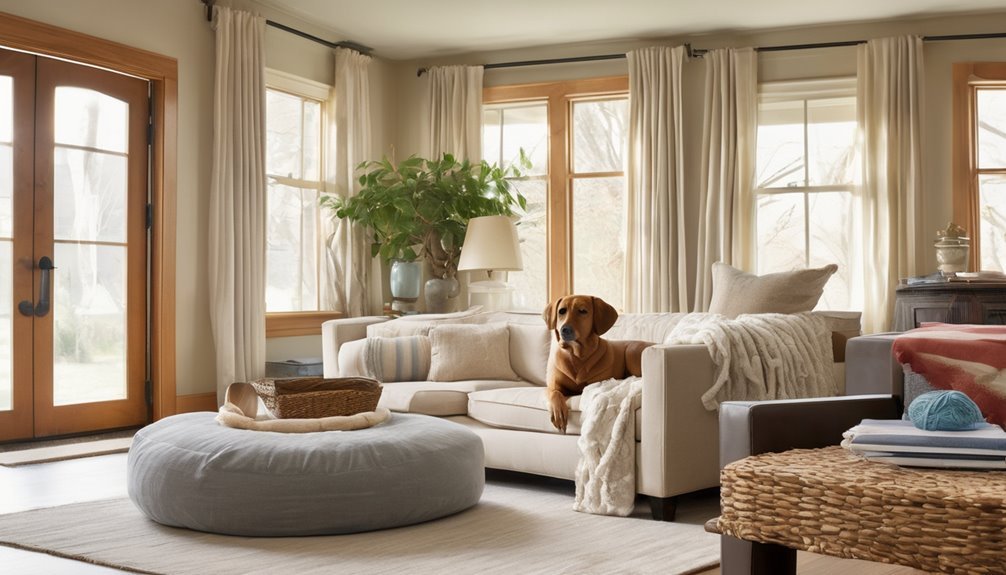
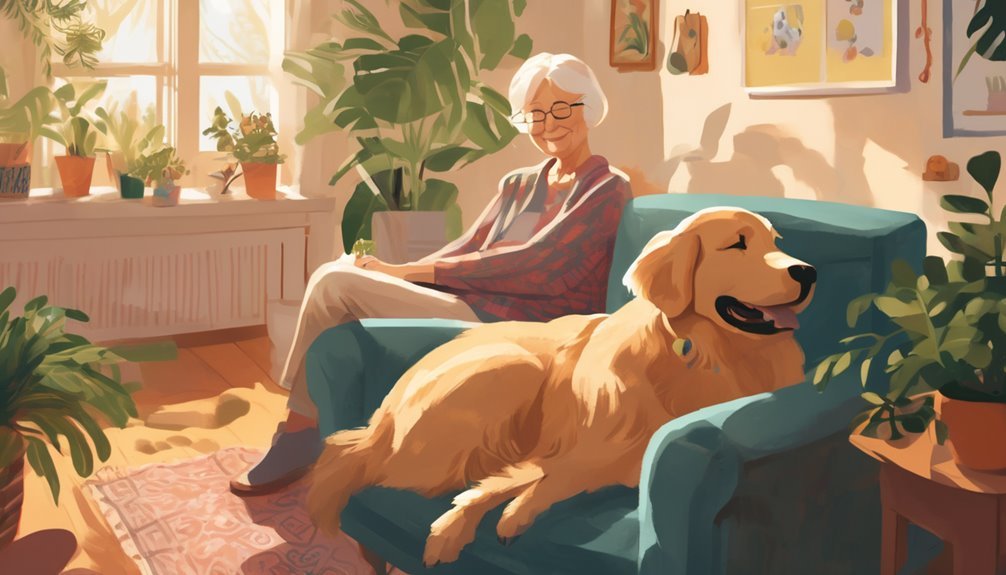
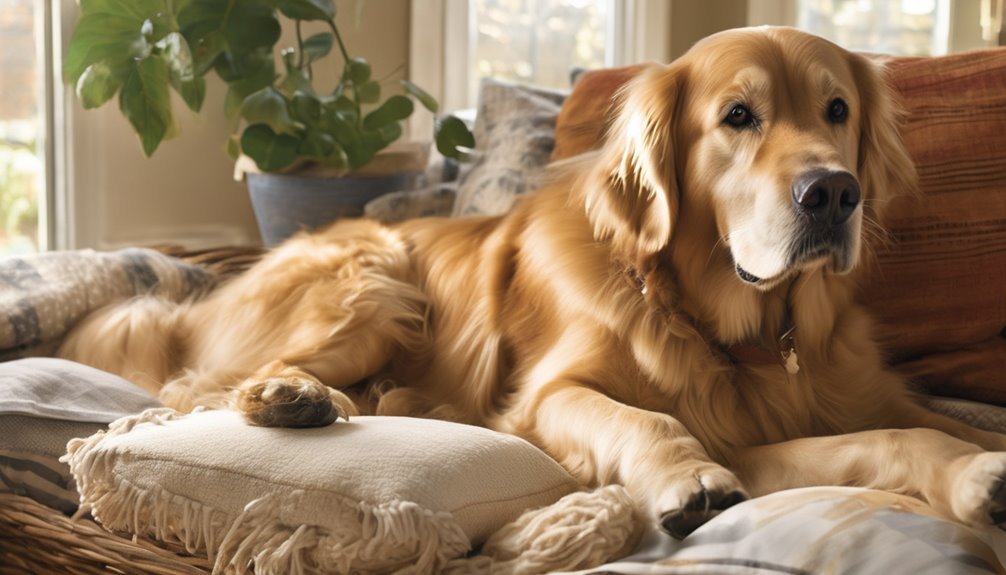
Creating a cozy home for your senior dog is essential for their comfort and well-being, especially as they face the challenges of aging. Start by providing comfortable bedding in a quiet area where they can relax. Think about creating safe spaces free from hazards to help them navigate easily.
Here’s a quick guide to enhance your dog’s environment:
| Feature | Importance |
|---|---|
| Comfortable Bedding | Supports joints and muscles |
| Safe Spaces | Reduces anxiety and injury risk |
| Easy Access | Encourages movement and play |
| Non-Slip Flooring | Prevents falls and slips |
| Cozy Blankets | Provides warmth and security |
Tailoring Nutrition for Senior Dogs
Tailoring nutrition for senior dogs is crucial, since their dietary needs change as they age. You’ll want to make nutritional adjustments that focus on lower calories but higher quality ingredients to maintain a healthy weight.

Look for dog foods rich in protein and fiber, which can help sustain muscle mass and promote digestion. Incorporating dietary supplements, like omega-3 fatty acids or glucosamine, can also support joint health and overall well-being.
Always consult your veterinarian to ensure you’re meeting your dog’s specific needs as they grow older.
Boosting Your Senior Dog’s Happiness With Mental Stimulation and Socialization
Alongside proper nutrition, keeping your senior dog mentally stimulated and socially engaged plays a significant role in their happiness and overall well-being.
Incorporating interactive toys can spark joy and challenge their minds, keeping them agile and alert. Puzzle feeders or treat-dispensing toys can turn mealtime into a fun activity, promoting mental engagement.
Additionally, fostering canine friendships can greatly enhance their social life. Regularly arrange playdates with other friendly dogs or visit pet-friendly parks where they can mingle.
These interactions not only provide exercise but also enrich their emotional health. Remember, a happy dog is a healthy dog.
Frequently Asked Questions
How Can I Tell if My Dog Is in Pain?
You can tell if your dog’s in pain by observing pain indicators like behavioral changes, mobility issues, vocal expressions, appetite shifts, and lethargy signs. Stay attentive; these clues help you support your furry friend better.
Are There Specific Breeds That Age More Gracefully?
Some breeds, like the Labrador Retriever and Greyhound, age like fine wine, showing grace and resilience. Breed characteristics and aging factors, such as size and health, play crucial roles in their graceful journey through life.
What Signs Indicate My Dog Needs a Vet Visit?
If your dog shows behavior changes like increased lethargy, anxiety, or aggression, or if you notice dietary adjustments such as loss of appetite or excessive drinking, it’s time to schedule a vet visit for evaluation.
Can Older Dogs Still Learn New Tricks?
Yes, older dogs can still learn new tricks! Using positive training techniques provides mental stimulation, keeping their minds sharp and engaging. It’s a wonderful way to bond and enrich their lives, so give it a try!
How Often Should I Exercise My Senior Dog?
You should exercise your senior dog daily, focusing on gentle activities. Aim for short, manageable sessions that fit their energy levels, and gradually develop exercise routines that keep them engaged while ensuring their comfort and safety.
Conclusion
By nurturing your senior dog’s comfort, you’re not just providing a cozy bed and gentle walks; you’re creating a warm haven where they can thrive. Imagine their contented sigh as they curl up on plush bedding, safe and secure. With tailored nutrition and engaging toys, you’ll see their eyes sparkle with joy. In this serene environment, your beloved companion can enjoy their golden years, surrounded by love, care, and the gentle rhythm of shared moments.