
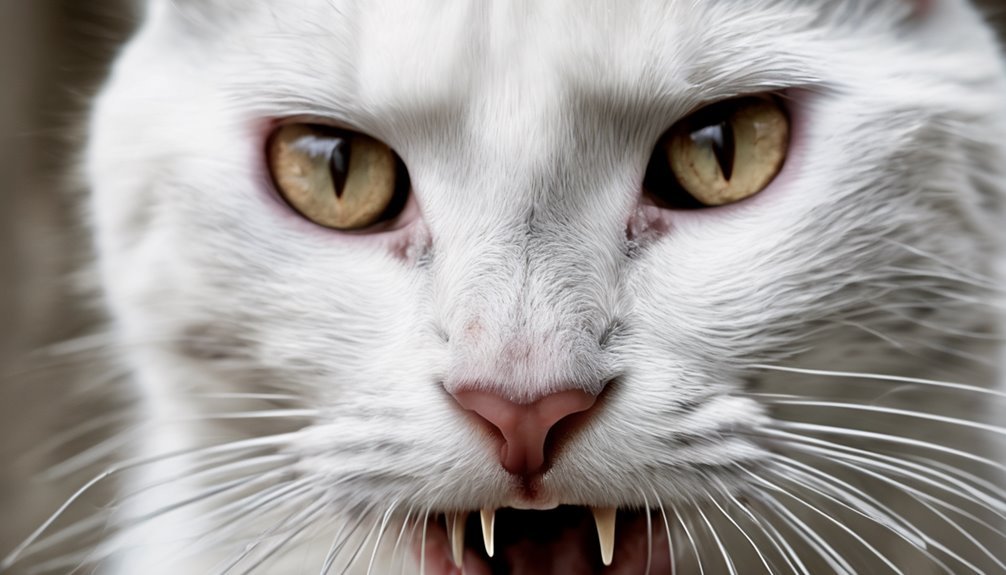
As a cat owner, you might overlook subtle signs of dental issues in your feline companion. Bad breath, changes in eating habits, and swollen gums can indicate serious problems beneath the surface. Recognizing these early warning signs is crucial for your cat’s health. Are you aware of how excessive drooling and loose teeth can affect their quality of life? Understanding these indicators can lead to timely intervention and better overall care for your pet.
Key Takeaways
- Bad breath (halitosis) often indicates plaque buildup or periodontal disease, signaling potential dental issues.
- Changes in eating habits, like preferring softer food, may suggest dental pain or discomfort.
- Swollen or bleeding gums are warning signs of gum disease and require veterinary attention.
- Excessive drooling can indicate serious dental problems and should not be ignored.
- Loose or missing teeth may point to underlying decay and necessitate a dental check-up.
Overview of Cat Dental Health
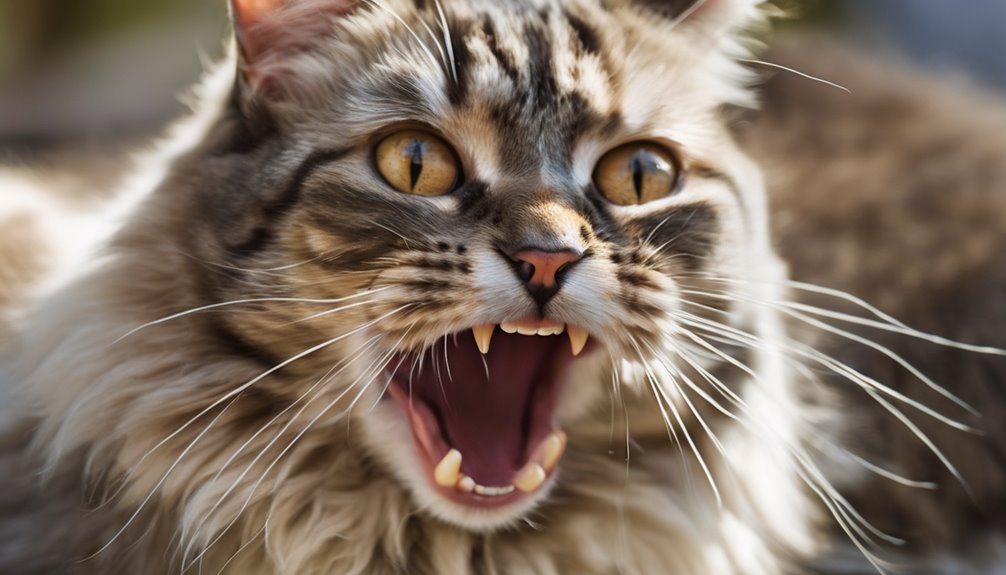
Dental health is crucial for your cat’s overall well-being. Regular preventive care is essential to maintain good dental hygiene and prevent serious issues like periodontal disease.
Start by brushing your cat’s teeth with a vet-approved toothpaste. This simple routine helps remove plaque and keeps their gums healthy. Additionally, consider dental treats or toys designed to reduce tartar buildup.
Routine veterinary check-ups are vital; your vet can spot early signs of dental problems that you might miss. Monitor your cat’s eating habits, as changes could indicate discomfort.

Recognizing Bad Breath: A Sign of Trouble?
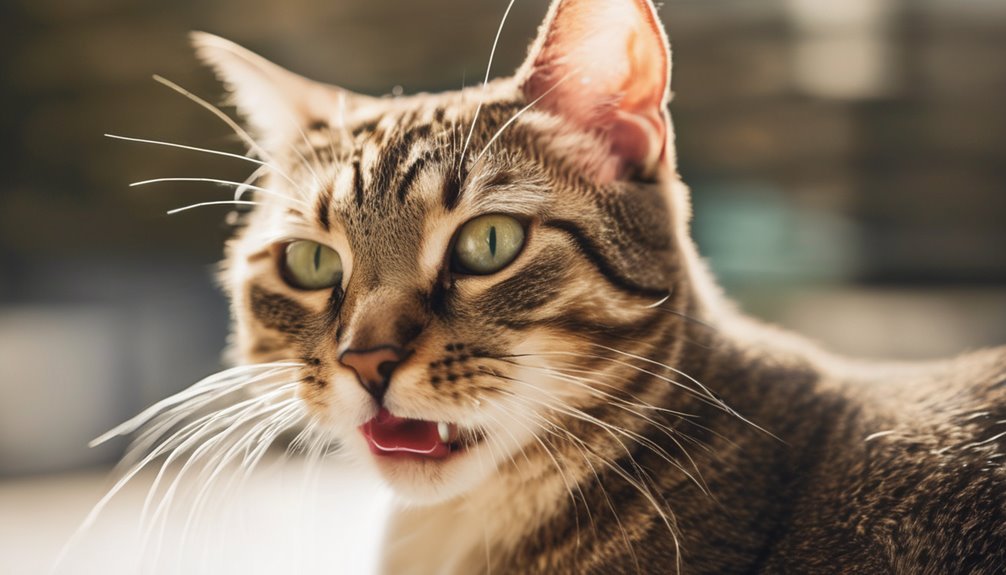
Have you noticed your cat’s breath has taken a turn for the worse? Bad breath, or halitosis, often signals underlying issues. Common bad breath causes include plaque buildup, periodontal disease, or even oral infections.
Bad breath in cats can indicate serious dental issues like plaque buildup or infections; don’t ignore it!
These dental disease indicators can lead to more severe health problems if left unchecked. Pay attention—if your cat’s breath smells foul, it might mean bacteria are thriving in their mouth, potentially harming their teeth and gums.
Regular dental check-ups are essential, as early detection can prevent escalation. Consider incorporating dental treats or toys into your cat’s routine to help maintain oral health.
You know your cat best, so trust your instincts; if something seems off, it’s worth consulting your veterinarian.
Changes in Eating Habits: What Your Cat Is Telling You
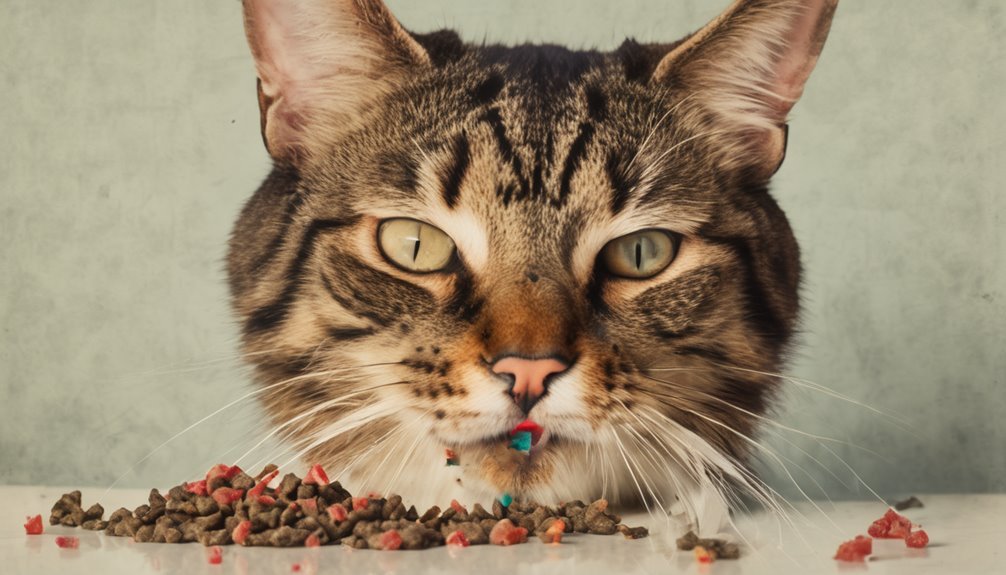
What if your cat suddenly starts eating less or avoids food altogether? This shift in eating patterns can signal dental issues. Cats may change their food preferences if they’re in pain or discomfort. Pay close attention to these changes, as they can indicate underlying problems.
| Change in Eating Habits | Possible Cause |
|---|---|
| Reduced food intake | Dental pain or discomfort |
| Preferring softer food | Oral health concerns |
| Avoiding certain flavors | Sensitivity or pain |
If you notice these signs, it’s essential to consult your veterinarian. Early intervention can make a significant difference in your cat’s health and comfort. Your feline friend relies on you to recognize these subtle yet crucial changes.
Swollen or Bleeding Gums: What to Know
Changes in eating habits often hint at underlying dental issues. If you notice swollen or bleeding gums in your cat, it’s a sign of potential gum disease. This inflammation can be painful, making it difficult for your feline friend to eat comfortably.
Poor oral hygiene often leads to plaque buildup, which irritates the gums and progresses into more severe dental problems. Regular dental check-ups and at-home care, like brushing your cat’s teeth, are crucial for maintaining their oral health.
Keep an eye out for redness or swelling around the gums, as these can indicate that something’s wrong. Addressing these symptoms early can prevent further complications and help your cat maintain a happier, healthier life.
Excessive Drooling: Causes and Concerns?
Excessive drooling in cats can signal various dental issues that warrant immediate attention.
Excessive drooling in cats may indicate serious dental problems that require prompt veterinary care.
It’s crucial to recognize the underlying causes, as they may lead to more serious health problems. Here are three potential concerns:
- Periodontal Disease: Inflammation and infection around the teeth can cause discomfort and excessive drooling.
- Oral Tumors: Growths in the mouth can lead to pain and increased salivation.
- Potential Infections: Infections in the mouth, such as abscesses, can trigger excessive drooling and require prompt veterinary care.
If you notice your cat drooling more than usual, don’t hesitate to consult your vet.
Early intervention can prevent further complications and ensure your furry friend stays healthy and happy.

Loose or Missing Teeth: Red Flags for Cat Owners
Two key indicators of dental health in cats are loose or missing teeth, which can signal serious underlying issues.
These conditions often stem from tooth decay or gum disease, both of which can escalate quickly if not addressed. A loose tooth may indicate advanced gum disease, while missing teeth could suggest a past dental abscess that went untreated.
It’s crucial to regularly check your cat’s mouth to maintain their oral hygiene. If you notice these signs, don’t wait—consult your veterinarian for a thorough examination.
Early intervention can prevent further complications and ensure your cat remains healthy and comfortable. Remember, good dental care is vital for your furry friend’s overall well-being.
Why Your Cat Might Be Acting Grumpy
When your cat suddenly becomes grumpy, it could signal underlying health issues or environmental stressors. This grumpy behavior might stem from a few common causes:
- Dental Problems: Feline discomfort from tooth pain can lead to irritability and a reluctance to eat.
- Changes in Routine: Cats thrive on consistency; disruptions can cause stress and mood swings.
- Health Issues: Conditions like arthritis or infections can make your cat feel unwell, resulting in a grumpy demeanor.
Pay attention to these signs, as they often indicate that your cat is struggling with something more than just a bad mood.
Addressing the root cause can help restore your feline’s happiness and well-being.
Why Regular Dental Check-Ups Are Vital for Cat Dental Health
Regular dental check-ups are crucial for maintaining your cat’s overall health, as dental issues can lead to serious complications if left untreated.
Regular dental check-ups are essential for your cat’s health, preventing serious complications and ensuring a happy, active life.
These visits are a form of preventive care that can identify potential problems early, allowing for timely intervention. During a check-up, your veterinarian will assess your cat’s dental hygiene, checking for plaque buildup, gum disease, and other concerns.
Addressing these issues proactively can prevent painful conditions and preserve your cat’s quality of life. Additionally, regular cleanings help minimize bad breath and promote healthier gums and teeth.
Investing in your cat’s dental health through routine check-ups not only enhances their well-being but also strengthens your bond, ensuring your furry friend stays happy and active for years to come.
Frequently Asked Questions
How Often Should I Brush My Cat’s Teeth?
You should brush your cat’s teeth at least two to three times a week to maintain good dental habits. Regular teeth brushing helps prevent plaque buildup and keeps your furry friend’s mouth healthy and happy.
What Dental Products Are Safe for Cats?
You can safely use natural remedies like coconut oil and specially formulated dental treats designed for cats. These options help reduce plaque and promote healthy gums while keeping your furry friend happy and engaged.
Can Dental Problems Affect My Cat’s Overall Health?
Yes, dental problems can significantly impact your cat’s overall health. Dental disease symptoms like pain and infection can lead to systemic issues, affecting vital organs. Regular dental care is essential to prevent these serious health complications.
Are Certain Breeds More Prone to Dental Issues?
Some breeds, like Persians and Dachshunds, show greater breed susceptibility to dental issues due to dental genetics. Just like humans, your cat’s lineage can dictate its oral health, so stay vigilant in monitoring their teeth.
When Should I Start Dental Care for My Kitten?
You should start dental care for your kitten as early as eight weeks. Early dental education fosters good dental habits, helping prevent issues. Regular brushing and dental treats can maintain your kitten’s oral health effectively.
Conclusion
Just like a ship navigating stormy seas, your cat’s dental health needs steady attention. By recognizing signs like bad breath, swollen gums, and changes in eating habits, you can steer clear of deeper troubles. Don’t let dental issues anchor your furry friend down. Regular veterinary check-ups act as a lighthouse, guiding you toward a healthier mouth and happier life for your cat. Keeping an eye on these signs ensures smooth sailing on the journey of pet ownership.