

Noticing changes in your cat’s behavior, observing unusual physical symptoms, and recognizing shifts in eating habits are all vital for their health. When these signs appear, it’s crucial to pay attention. Ignoring them can lead to serious consequences. Understanding what these indicators mean can help you provide the best care for your feline companion. So, how do you know when it’s time to consult a veterinarian? Let’s explore the signs together.
Key Takeaways
- Sudden changes in behavior, like hiding or increased aggression, can indicate stress or health issues that require veterinary attention.
- Noticeable weight fluctuations or changes in appetite may signal underlying health concerns and should be assessed by a veterinarian.
- Physical symptoms such as excessive grooming, a disheveled coat, or unusual posture often suggest discomfort or illness needing professional evaluation.
- Changes in vocalization or grooming habits can be significant indicators of pain or distress, warranting a visit to the vet.
- Persistent vomiting, diarrhea, or blood in urine are urgent signs that necessitate immediate veterinary care.
Common Behavioral Changes Affecting Cat Health
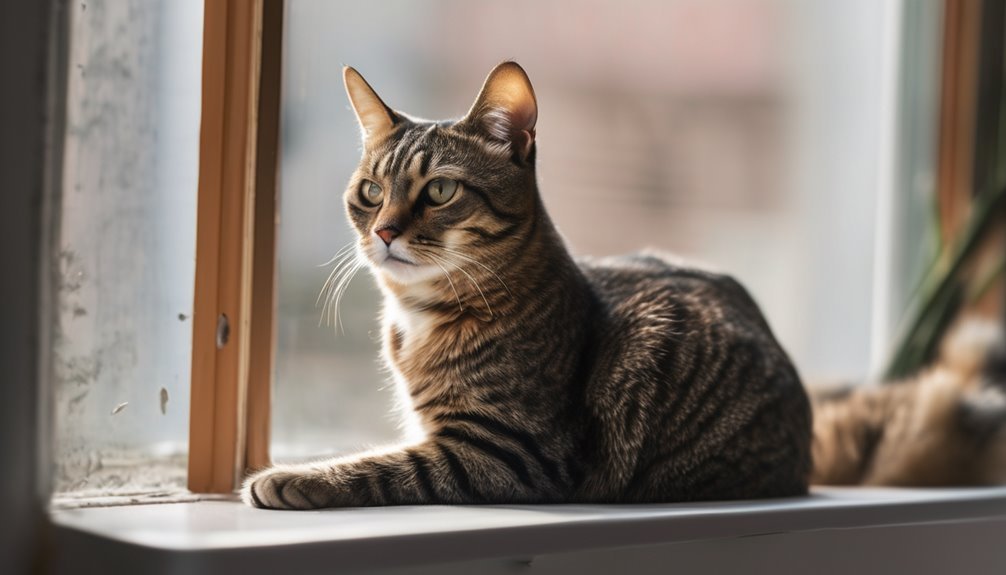
When your cat suddenly starts behaving differently, it can be a sign that something’s off with their health. You might notice stress behaviors, like increased hiding habits or changes in vocalization.
If your cat’s grooming patterns decline or they’re having litter box issues, these can indicate discomfort or anxiety. A noticeable drop in playfulness or a shift in sociability might also signal that something’s wrong.
Additionally, keep an eye out for aggression signs; if your usually friendly cat becomes irritable, it’s worth investigating. These behavioral changes are your cat’s way of communicating distress, so it’s vital to pay attention and consult your vet if any of these signs persist.

Your cat relies on you to advocate for their health.
Physical Symptoms That Indicate Health Issues
While behavioral changes can signal health issues, physical symptoms often provide clearer insights into your cat’s well-being.
Pay attention to your cat’s grooming habits; excessive grooming or a disheveled coat can indicate stress or illness. Additionally, check their dental health; bad breath, swollen gums, or difficulty eating may signal dental disease or other health concerns.
Weight fluctuations, lethargy, or unusual posture can also be signs that something’s wrong.
Observe your cat’s litter box habits; straining, blood in urine, or diarrhea should never be ignored.
By recognizing these physical symptoms early, you can take prompt action, ensuring your feline companion receives the care they need to thrive.
Always consult your vet if you notice any concerning signs.
What Changes in Eating and Drinking Mean for Your Cat’s Health

Changes in your cat’s eating and drinking habits can be significant indicators of their health. If you’ve noticed your cat suddenly eating less or more than usual, it could signal underlying issues, such as dental problems or gastrointestinal distress.
Similarly, shifts in drinking patterns can be telling; increased thirst may suggest kidney disease or diabetes, while a decrease might indicate dehydration or other serious concerns.
Pay close attention to these changes, as they can help you catch potential health problems early. If your cat’s eating or drinking habits seem off, it’s essential to consult your veterinarian.

Understanding these behaviors is key to ensuring your furry friend stays healthy and happy.
Unexplained Weight Loss or Gain: What to Watch For
Unexplained weight loss or gain in your cat can be a red flag for various health issues, so it’s vital to monitor their weight regularly.
Weight fluctuations can indicate underlying problems that need attention. Here are three things to watch for:
- Behavior Changes: If your cat is less active or more irritable, it may be a sign of discomfort or illness.
- Dietary Habits: Sudden changes in appetite, either increased or decreased, can signal health issues, including the causes of obesity.
- Physical Appearance: Noticeable changes in body shape or condition, like a protruding spine or sagging belly, require a vet’s insight.
Always consult your veterinarian if you notice these signs; early detection can lead to better outcomes for your furry friend.
Identifying Signs of Pain in Your Cat

How can you tell if your cat is in pain? Pay close attention to vocalization changes; if your cat is meowing more or less than usual, it could indicate discomfort.
Notice any hiding behavior, as cats often retreat when they’re unwell. Changes in grooming habits, such as decreased grooming or over-grooming specific areas, are also red flags.
Cats often hide when they’re unwell, and changes in grooming habits can be significant indicators of discomfort.
Watch for posture shifts—cats in pain may adopt unusual positions or avoid movement altogether. Additionally, aggressive tendencies can signal distress; if your usually docile cat suddenly acts out, it’s a concern.
Finally, monitor litter box habits; straining or reluctance to use it can indicate pain. Being vigilant about these signs will help you better understand your cat’s needs.
Recognizing When to Visit the Vet?
When should you consider taking your cat to the vet? Regular vet visits are essential for preventive care and early detection of potential health issues.
Here are three key signs to look out for:
- Changes in Behavior: If your cat becomes unusually withdrawn, aggressive, or stops eating, it’s time to consult a vet.
- Persistent Vomiting or Diarrhea: Occasional stomach upset is normal, but if it lasts more than a day, seek professional advice.
- Visible Injuries or Swelling: Any cuts, bites, or unusual lumps should be evaluated, even if your cat seems fine otherwise.
Why Regular Vet Visits Are Important for Your Cat
Regular vet visits play a crucial role in maintaining your cat’s health, as they help catch potential issues before they escalate. These routine check-ups are essential for preventive care, ensuring your feline friend stays healthy and happy. During these visits, your vet can administer vaccinations, monitor weight, and assess dental health. Regular assessments can identify early signs of diseases like diabetes or kidney issues.
Here’s a quick overview of the benefits:
| Benefit | Description |
|---|---|
| Early Detection | Spotting health issues before they worsen |
| Vaccinations | Keeping your cat protected from diseases |
| Weight Monitoring | Preventing obesity and related conditions |
| Dental Health | Ensuring healthy teeth and gums |
| Overall Wellness | Promoting a longer, happier life for your cat |
Prioritize these visits for your cat’s well-being!
Conclusion
In conclusion, staying alert to your cat’s behavior, watching for physical symptoms, and noting changes in eating and drinking can make all the difference in their health. Recognizing the signs of pain and understanding when to seek veterinary care are vital steps in ensuring your cat’s well-being. Remember, regular vet visits not only prevent issues but also promote a longer, healthier life. Your vigilance today could lead to a happier tomorrow for your beloved feline friend.