Did you know that over 30% of pet birds exhibit signs of stress at some point in their lives? Understanding these signs is crucial for their well-being. From changes in vocalizations to shifts in eating habits, your bird’s behavior can tell you a lot. By recognizing these indicators, you can help create a more harmonious environment for your feathered friend. Let’s explore how to identify stress and what you can do to alleviate it.
Key Takeaways
- Feather plucking may signify anxiety or discomfort in pet birds.
- Excessive sleeping or withdrawal can indicate overwhelming stress levels.
- Aggressive behaviors towards pets or humans often reflect distress.
- Sudden changes in vocalizations, especially high-pitched sounds, may signal discomfort or health issues.
- Altered eating habits, such as refusal of favorite treats, can indicate significant stress.
Recognizing Signs of Pet Bird Stress
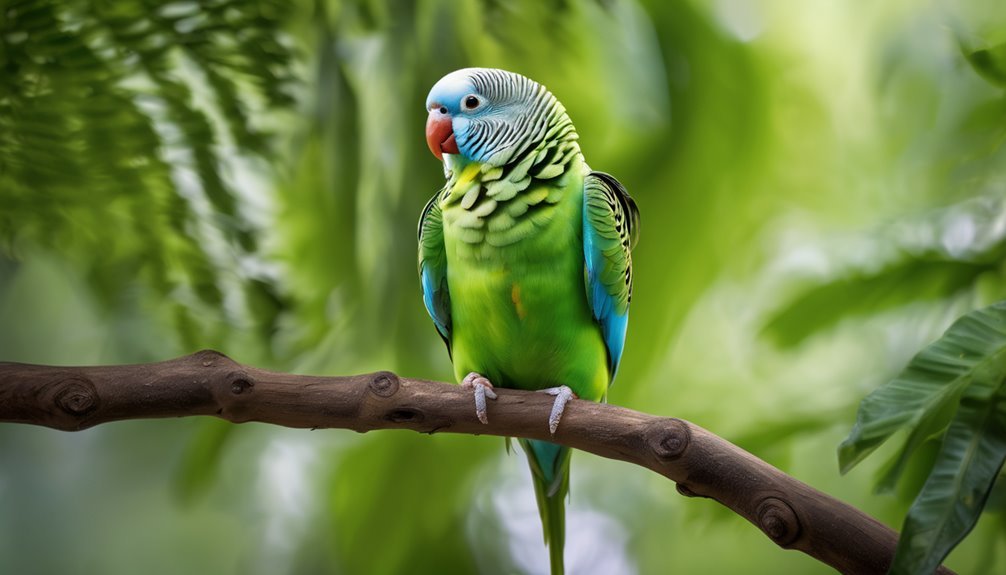
Recognizing signs of stress in pet birds is crucial for their well-being. You should watch for behavioral changes that might indicate distress.
For instance, feather plucking can signal anxiety or discomfort. If your bird is excessively sleeping or displays a withdrawn demeanor, it may be feeling overwhelmed.
Additionally, aggressive interactions with other pets or humans can be a cry for help. Tail bobbing, often a sign of excitement, can also indicate stress if it becomes excessive or seems out of context.

By observing these signs, you can take proactive steps to create a more supportive environment, ensuring your feathered friend remains healthy and happy.
Always consult with a veterinarian if you notice persistent changes.
Decoding Your Bird’s Vocalizations
How can you interpret your bird’s vocalizations to better understand its needs? Pay attention to vocal pitch; high-pitched sounds often indicate excitement or distress, while lower pitches may signal calmness.
Alarm calls are crucial; they alert you to potential threats or discomfort. If your bird’s vocalizations change suddenly, it could signify stress or health issues.
Observe social interaction; birds often vocalize to engage with their environment or you, revealing their emotional state. Additionally, mimicry patterns can indicate your bird’s comfort level. If it mimics sounds from your home, it might be feeling secure.
Signs of Stress in Your Bird’s Eating Habits
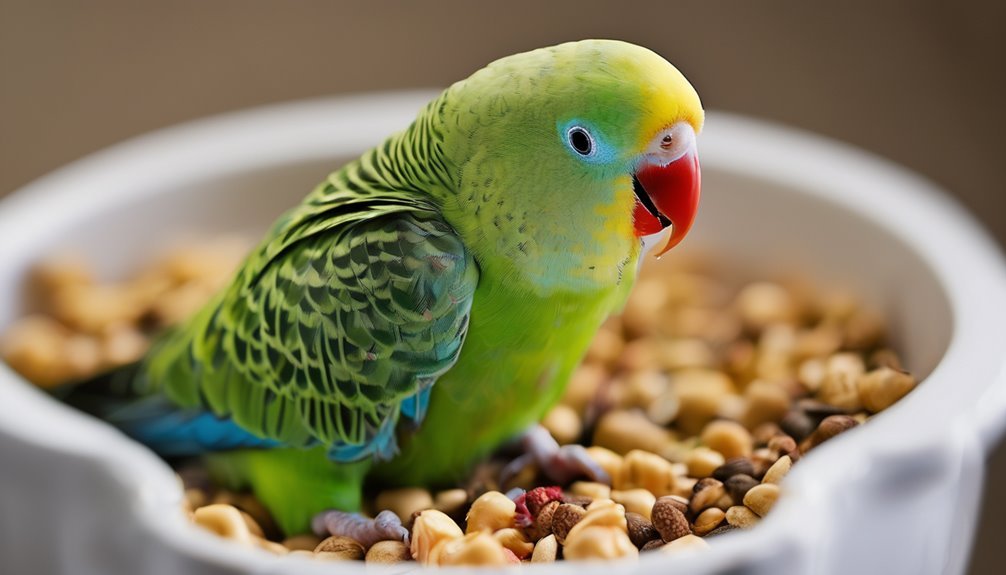
Birds communicate their emotional state through various behaviors, including their eating habits. Changes in your bird’s eating patterns can indicate stress.
If you notice a sudden shift in food preferences, such as refusing their favorite treats or eating less overall, it’s a sign something might be wrong. Behavioral changes may also manifest as your bird becoming more reclusive or anxious during feeding times.
Keep an eye on their feeding habits; excessive eating or compulsive nibbling can signal distress. Consistent monitoring of these signs is crucial for early detection of stress, allowing you to address any underlying issues promptly.
Understanding these nuances helps you provide the care your bird needs to thrive emotionally and physically.

How Environment Affects Your Bird’s Stress Levels
Creating a calm and stable environment is essential for minimizing stress in your pet bird. Factors like cage placement and ambient noise can significantly impact your bird’s well-being.
To foster a supportive atmosphere, consider the following:
- Cage Placement: Position the cage in a quiet, low-traffic area to reduce disturbances.
- Ambient Noise: Minimize loud sounds; birds can be sensitive to sudden noises.
- Lighting Conditions: Ensure natural light cycles to mimic their natural habitat, avoiding harsh artificial light.
- Social Interactions: Provide regular, positive interactions to prevent loneliness and anxiety.
- Environmental Enrichment: Incorporate toys and perches to stimulate mental and physical activity.
Addressing these elements can help create a more comfortable space for your feathered friend.
Making Your Bird’s Space a Relaxing Haven
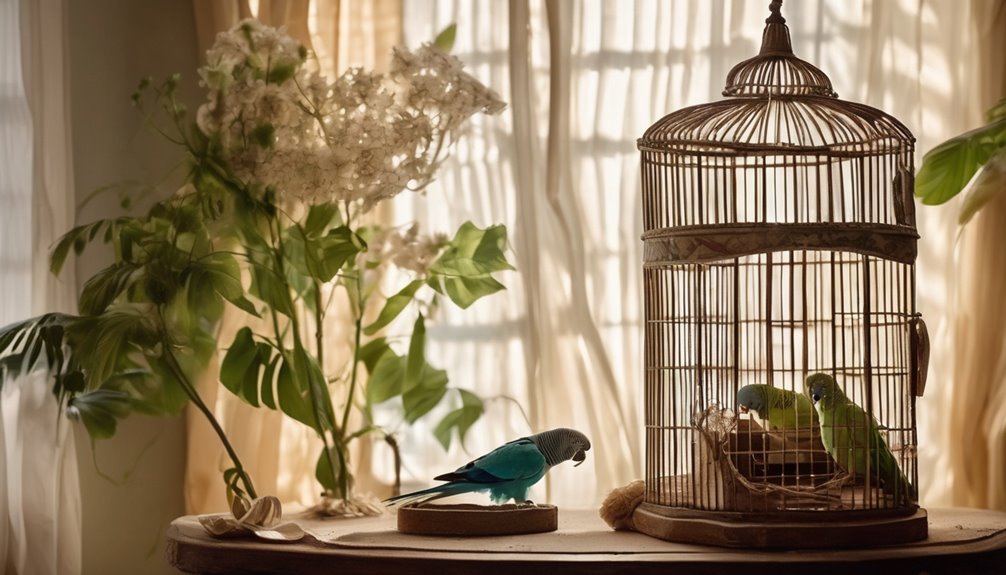
To ensure your bird feels secure and comfortable, it’s crucial to transform their space into a relaxing haven.
Start with an appropriate cage setup that provides enough room for movement and exploration. Incorporate calming accessories like soft perches, toys that encourage gentle play, and cozy hiding spots.
Position the cage in a place where your bird can enjoy natural light, as this helps regulate their mood and activity levels. Additionally, create safe spaces around the cage where your bird can retreat if they feel overwhelmed.
By fostering a peaceful environment filled with enriching elements, you’ll help your bird reduce stress and promote overall well-being.
When to Seek Professional Help for Bird Stress?
How can you tell when your pet bird’s stress levels have reached a point that requires professional intervention? If you notice significant behavioral changes, it’s time to consider a professional evaluation.
Look for these signs:
- Persistent feather plucking or mutilation
- Loss of appetite or drastic weight changes
- Increased aggression or excessive withdrawal
- Changes in vocalization patterns, like excessive screaming
- Frequent pacing or repetitive movements
These behaviors often indicate that your bird’s stress is beyond normal levels.
Seeking help from an avian veterinarian or a bird behaviorist can provide essential insights and interventions tailored to your pet’s needs.
Addressing stress early can lead to a healthier, happier life for your feathered companion.
Conclusion
In conclusion, understanding your pet bird’s stress signs is crucial for their well-being. Did you know that nearly 30% of pet birds exhibit stress-related behaviors at some point? By closely monitoring vocalizations, eating habits, and environmental factors, you can create a more soothing space for your feathered friend. If the signs persist, don’t hesitate to consult an avian veterinarian. Your attention and care can significantly improve their quality of life, fostering a happier, healthier companion.