As a new puppy owner, you’re stepping into an exciting journey filled with challenges and rewards. Training your pup is crucial for building a strong bond and ensuring good behavior. You’ll want to establish routines, use positive reinforcement, and teach essential commands. But there’s more to it than just basics. Understanding how to effectively socialize your puppy and curb unwanted behaviors can make all the difference. Let’s explore these strategies to set you and your pup up for success.
Key Takeaways
- Establish a consistent potty routine, taking your puppy out after meals, playtime, and naps to reinforce good bathroom habits.
- Use positive reinforcement, like treats and praise, to encourage desired behaviors and strengthen your bond.
- Socialize your puppy by exposing them to different people, environments, and vaccinated dogs to build confidence and adaptability.
- Teach basic commands such as sit, stay, and come using treats and hand signals to enhance understanding and obedience.
- Manage unwanted behaviors by redirecting attention, providing ample exercise, and maintaining a consistent routine to reduce anxiety.
Essential Potty Training Strategies for Success
Potty training your puppy can feel overwhelming, but with the right strategies, you can make it a smooth process.
Start by establishing a consistent routine for outdoor potty trips. Take your puppy outside after meals, playtime, and naps—this reinforces good habits.
Establish a consistent routine for outdoor potty trips, taking your puppy out after meals, playtime, and naps to reinforce good habits.
Use positive reinforcement when your puppy does their business outside; praise them enthusiastically or offer a treat.
Explore various potty training techniques, like using a designated potty area, which can help your puppy associate that spot with bathroom breaks.

Monitor their behavior closely; if they sniff or circle, it’s a sign they need to go.
Teaching Basic Commands: Start With the Basics
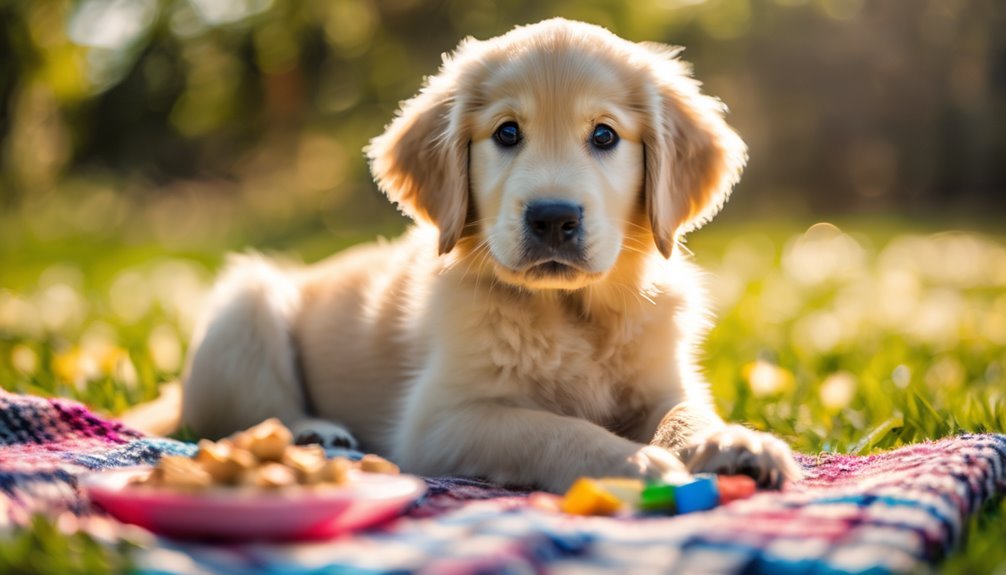
Teaching your puppy basic commands lays the foundation for effective communication and a strong bond. Start with the sit command, using a treat to encourage your puppy’s focus.
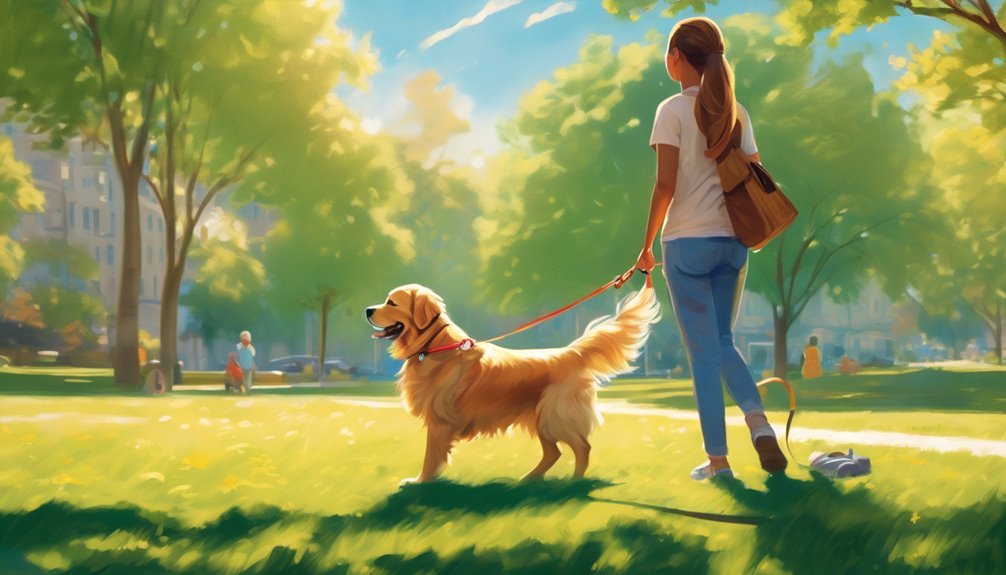
Once they master that, introduce the stay command to build patience. The come cue is vital for safety, so practice it during leash training and crate training sessions.
Incorporate hand signals to reinforce verbal commands, helping your puppy learn visually as well. Focus training helps keep their attention on you, making learning more effective.
How to Socialize Your Puppy Effectively?
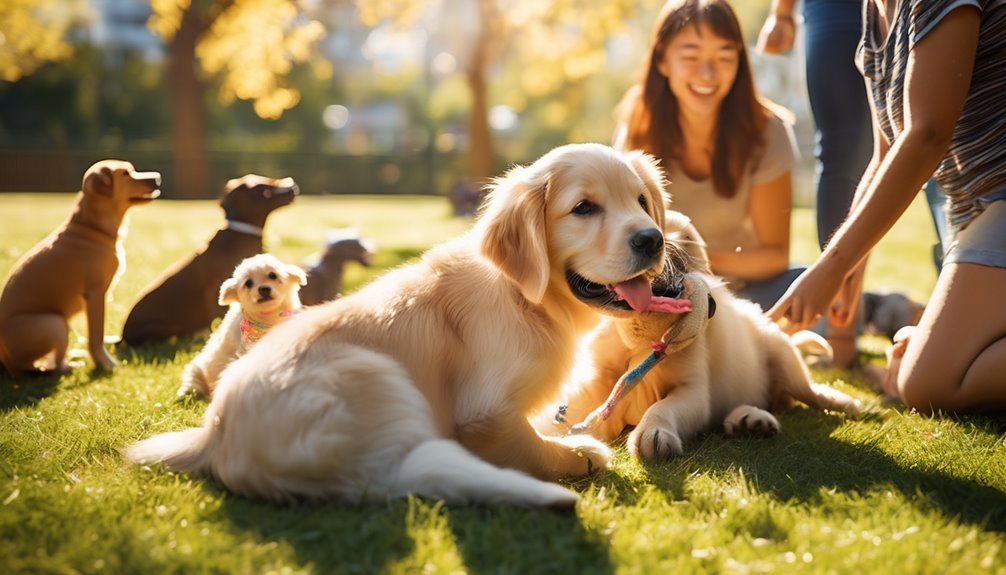
Socializing your puppy is essential for their development, as it helps them become well-adjusted adults. Start by seeking out playdate opportunities with other vaccinated dogs. These interactions teach your pup how to communicate and behave around their peers.
Mix things up with exposure variety: visit parks, pet-friendly stores, and even invite friends over. Each new experience builds confidence and reduces fear of the unknown. Keep sessions short and positive; always reward your puppy for calm behavior.
Don’t forget to introduce them to different sounds, sights, and people, too. The more diverse experiences you provide, the better equipped your puppy will be to handle life’s surprises.
Socialization is a journey—enjoy every moment together!
How to Stop Unwanted Puppy Behaviors?
Stopping unwanted puppy behaviors requires a proactive approach. By understanding your puppy’s needs and managing energy levels effectively, you can make a real difference. Here are some practical strategies:
Stopping unwanted puppy behaviors takes a proactive approach and an understanding of your puppy’s needs.
- Redirect attention: When your puppy starts misbehaving, offer a toy or engage in play.
- Establish routines: Consistent schedules help your puppy know when to expect activities, reducing anxiety.
- Provide ample exercise: A tired puppy is less likely to engage in unwanted behaviors.
- Use distraction techniques: If your puppy is fixated on something undesirable, distract them with a treat or command.
With patience and persistence, you’ll cultivate a well-behaved companion.
Use Positive Reinforcement for Better Habits
Positive reinforcement is a powerful tool for shaping your puppy’s behavior and building good habits. By using clicker training, you can communicate effectively with your pup, marking desired behaviors with a click and following up with a treat. This creates a clear connection between their actions and the rewards they receive.
Establishing reward systems helps reinforce positive habits, whether it’s sitting, staying, or coming when called. Keep treats small but enticing, so your puppy stays engaged without overindulging.
Celebrate every success, no matter how small, and maintain a cheerful tone—your enthusiasm will motivate your furry friend! Remember, patience is key; consistency and positive reinforcement will nurture a strong bond and encourage your pup to thrive.

Creating a Consistent Training Schedule for Your Puppy
To ensure effective training, establishing a consistent schedule for your puppy is crucial. A well-structured routine helps your pup understand expectations and builds a strong foundation for learning.
Consider these key elements:
- Training Frequency: Aim for short, frequent sessions tailored to your puppy’s age.
- Daily Routines: Incorporate training into your regular activities for smoother learning.
- Reward Timing: Offer rewards immediately after desired behaviors to reinforce learning.
- Distraction Management: Choose quiet locations initially, gradually introducing distractions as your puppy progresses.
Keep in mind session duration; shorter, focused sessions work best.
Consistency in your environment will help your pup feel secure and engaged.
With these strategies, you’ll foster a positive training experience that strengthens your bond.
Common Puppy Training Mistakes to Avoid
While training your puppy can be a rewarding experience, it’s easy to stumble into common pitfalls that can hinder progress. One mistake is inconsistency; switching commands or rewards confuses your pup. Stick to clear commands and rewards to reinforce puppy discipline.
Another pitfall is rushing the process. Training takes time, and you’ll need training patience. Expecting instant results can lead to frustration for both you and your puppy.
Also, avoid scolding or harsh corrections; positive reinforcement is far more effective. Remember, every puppy learns at their own pace. Celebrate small victories and stay committed.
Effective Techniques for Curbing Unwanted Behaviors
Inconsistency and rushing can lead to unwanted behaviors, but with the right techniques, you can effectively curb these issues. Focus on consistency and patience to transform your puppy’s habits.
Here are some practical strategies:
- Leash manners: Teach your puppy to walk calmly beside you, using treats for positive reinforcement.
- Chewing distractions: Provide appropriate chew toys to redirect their attention from furniture and shoes.
- Barking solutions: Identify triggers and use commands like “quiet” to help manage excessive barking.
- Jumping boundaries: Reinforce “sit” and “stay” commands to discourage jumping on guests.
With these techniques, you’ll foster a stronger bond and create a well-behaved companion.
Stay positive and enjoy the journey!
Frequently Asked Questions
When Should I Start Training My Puppy?
You should start training your puppy as soon as you bring them home. Early socialization’s crucial, so introduce them to different experiences. Use positive training methods to encourage good behavior and strengthen your bond.
How Long Should Training Sessions Last?
Training sessions should last about 5 to 10 minutes. You might worry it’s too short, but puppies have limited attention spans. Short, engaging sessions keep their focus and make learning enjoyable for both of you.
Can I Train an Older Dog Like a Puppy?
Yes, you can train an older dog like a puppy! Focus on consistent commands and patience. Older dogs can learn puppy behavior, but adjust your approach to their experience and energy levels for best results.
What Tools Do I Need for Training?
Think of training as building a bridge. You’ll need a clicker for clear communication, treats for motivation, a sturdy leash for etiquette, and patience for the journey. Each tool helps strengthen your bond with your dog.
How Can I Tell if My Puppy Is Learning?
You’ll know your puppy’s learning by observing positive changes in their behavior. Look for consistent responses to commands, excitement during training, and reduced accidents. Celebrate these learning signs; they show your bond is growing stronger!
Conclusion
Training your puppy is like laying the foundation for a strong house; it sets the stage for a happy life together. By sticking to a consistent routine, using positive reinforcement, and socializing your pup, you’ll foster good habits and a well-behaved companion. Remember, patience is key, and every small victory counts. Embrace the journey, and you’ll not only teach your puppy essential skills but also strengthen your bond, making your time together all the more rewarding.