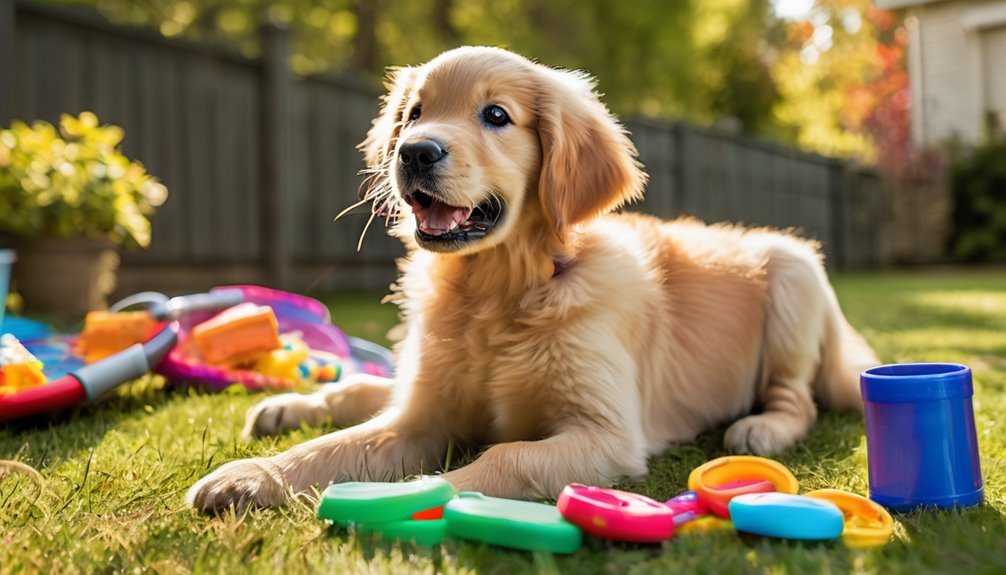

Many new puppy owners underestimate the importance of addressing biting behavior early on. Puppies naturally explore the world with their mouths, but it’s crucial to guide them toward acceptable habits. By understanding why they bite and knowing effective strategies, you can foster a positive environment for both you and your puppy. Discover how to redirect this instinctive behavior and create a harmonious atmosphere in your home without the frustration of constant nipping.
Key Takeaways
- Use quality chew deterrents to redirect biting behavior and protect your belongings while teaching boundaries.
- Engage your puppy with interactive toys to satisfy their chewing urges and keep them entertained.
- Implement positive reinforcement techniques like clicker training and immediate praise for gentle behavior to encourage good habits.
- Replace your hands or furniture with appropriate toys during biting incidents and praise your puppy for choosing them.
- Set clear boundaries and be consistent with commands; seek professional help if severe biting issues persist.
How to Stop Your Puppy From Biting

When you bring a puppy into your home, it’s natural to expect some playful nips and bites, but it’s crucial to address this behavior early on.
Start by understanding the biting triggers—excitement, fear, or over-stimulation during puppy playtime. Redirect their energy by providing appropriate chew toys, which can satisfy their urge to bite without harming you.
When your puppy nips, let out a firm “ouch” and stop playing for a moment to signal that biting isn’t acceptable.

Consistency is key, so ensure everyone in your household follows the same rules.
With patience and guidance, your puppy will learn that gentle play is the best way to enjoy your time together, fostering a loving bond between you both.
Why Do Puppies Bite and Chew?

Understanding why puppies bite and chew is essential for effective training. Puppies often engage in these behaviors due to natural instincts, exploring their world through their mouths.
When your puppy is teething, they may seek relief by chewing on various objects, making it crucial to provide appropriate alternatives. This instinct to chew helps them develop strong jaws and keeps their teeth healthy.
Additionally, puppies might bite during play as a way to communicate and interact with you. Recognizing these motivations allows you to address the behavior more compassionately.
Must-Have Tools for Effective Puppy Training
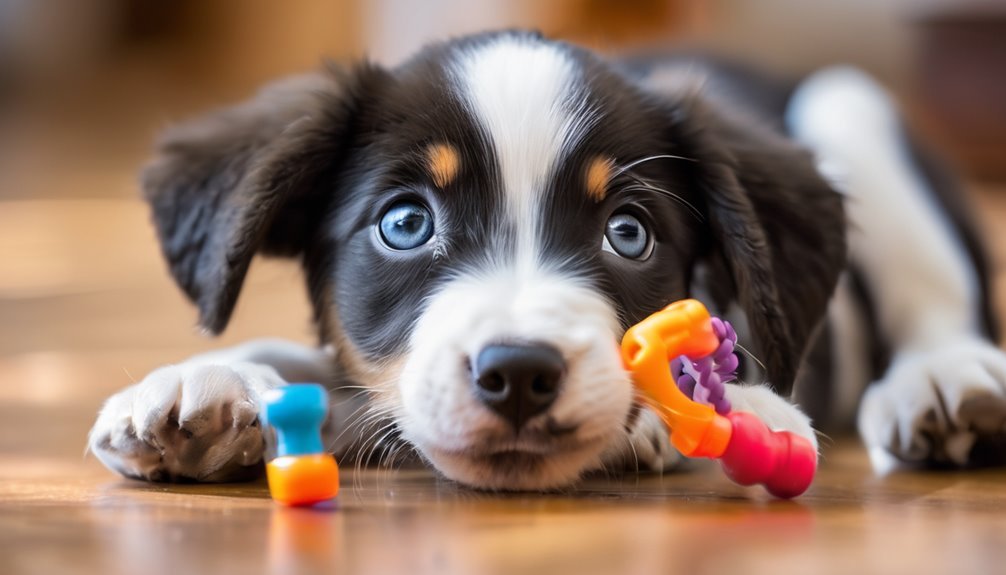
Effective puppy training relies on a few essential tools that can make a significant difference in your journey together.
First, invest in quality chew deterrents to redirect your puppy’s biting behavior. These sprays or gels can help protect your belongings while teaching your pup what’s off-limits.
Invest in chew deterrents to redirect biting behavior and protect your belongings while teaching your puppy boundaries.
Next, consider interactive toys specifically designed for teething puppies. They engage your pup’s attention and satisfy their natural urge to chew.
Training tools like a clicker or a whistle can also enhance communication during training sessions, reinforcing positive behaviors.
Lastly, a sturdy leash and collar are vital for outdoor training, ensuring safety and control.
Positive Reinforcement Techniques for Stopping Biting
Redirecting your puppy’s biting behavior through positive reinforcement can transform challenging moments into opportunities for growth.
Using effective techniques not only helps curb unwanted biting but also strengthens your bond. Here are three approaches you can try:

- Clicker Training: Use a clicker to mark desired behaviors. When your puppy plays gently, click and reward them instantly.
- Reward Systems: Establish a system where your puppy earns treats or praise for appropriate play. Consistency is key!
- Immediate Praise: When your puppy stops biting upon your cue, shower them with affection and verbal praise.
Redirecting Biting Behavior to Appropriate Toys
Whenever your puppy’s teeth start to nibble on your fingers or furniture, it’s crucial to have appropriate toys ready to redirect that biting behavior.
Begin with thoughtful toy selection; choose items that provide appropriate textures, like rubber or fabric, to satisfy their urge to chew. Offering a variety of toys can keep their interest piqued, so consider items that squeak, crinkle, or are designed for tugging.
When your puppy starts to bite, gently replace your hand or furniture with a toy, encouraging them to engage with it instead. This not only protects your belongings but also fosters positive habits.
Always praise your puppy when they choose the toy, reinforcing their understanding of acceptable behaviors.
Set Boundaries and Rules for Your Puppy
Establishing clear boundaries and rules is essential for your puppy’s development. By setting these puppy boundaries, you create a safe environment where your furry friend can thrive.
Here are three key guidelines to follow:
- Define acceptable behaviors: Let your puppy know what’s off-limits, like jumping or excessive biting.
- Be consistent: Use the same commands and cues every time. Training consistency helps reinforce learning.
- Reward good behavior: Positive reinforcement encourages your puppy to follow the rules and reduces unwanted behaviors.
When to Consult a Trainer for Severe Biting Issues
Even with clear boundaries and rules, some puppies may struggle with severe biting issues that require additional support.
If your puppy’s biting escalates to the point of causing injury or distress, it’s time to consult a professional trainer. Look for a trainer with relevant qualifications, such as certifications in canine behavior or positive reinforcement techniques.
A thorough behavioral assessment can help identify triggers and underlying issues contributing to the biting. This personalized approach ensures you receive tailored strategies that resonate with your puppy’s unique personality.
Frequently Asked Questions
How Long Does the Biting Phase Typically Last?
Puppy biting usually lasts around three to six months, depending on the individual dog. During this biting duration, it’s vital to provide consistent guidance and positive reinforcement, helping your pup develop better habits and manners.
Can Specific Breeds Be More Prone to Biting?
Yes, specific breeds can exhibit tendencies toward biting due to their temperament. Prioritizing socialization is crucial; it helps you nurture positive behaviors, ensuring a well-adjusted companion who’s less likely to become nippy.
Is It Safe to Use Mouth Guards for Puppies?
Using puppy mouthguards can feel like fitting a tiny knight with armor, but they’re not always safe. Consider engaging toys and positive reinforcement as safe alternatives to protect both your puppy and your belongings.
What Are Signs of Stress-Related Biting in Puppies?
Signs of stress-related biting in puppies include excessive panting, whining, and avoidance behaviors. You can use calming techniques like gentle petting or a quiet space to help your pup feel more secure and relaxed.
How Can I Teach My Puppy to Play Gently?
How can you encourage gentle playtime? Use positive reinforcement to reward calm behavior. Redirect any roughness with toys, and consistently model gentle interactions. Your patience and love will nurture a more playful, gentle companion.
Conclusion
In the journey of puppy training, think of yourself as a gardener nurturing a young plant. With patience, consistency, and the right tools, you can help your puppy grow into a well-behaved companion. Remember, redirecting their biting and chewing behaviors isn’t just about discipline; it’s about guiding them towards positive habits. Stay committed, celebrate the small victories, and don’t hesitate to seek professional help if needed. Your dedication will cultivate a joyful, loving relationship with your furry friend.