As temperatures rise, are you truly prepared to protect your dog from the heat? Keeping your furry friend safe during hot weather requires more than just common sense; it demands vigilance and awareness. From recognizing signs of overheating to providing adequate hydration, you have a vital role in their comfort and health. Understanding what actions to take can make all the difference for your pet’s well-being this summer. Let’s explore the essential steps you can take.
Key Takeaways
- Always provide fresh water and monitor your dog’s hydration, especially during playtime and after walks.
- Create shaded, well-ventilated resting areas to help your dog escape direct sunlight.
- Opt for cooler times of day for walks and outdoor activities, like early mornings or late evenings.
- Incorporate cooling methods, such as cooling mats and ice cubes in water, to lower body temperature.
- Know the signs of heatstroke and act quickly by moving your dog to a cooler area and seeking veterinary care.
How to Recognize Signs of Dog Heat Overheating
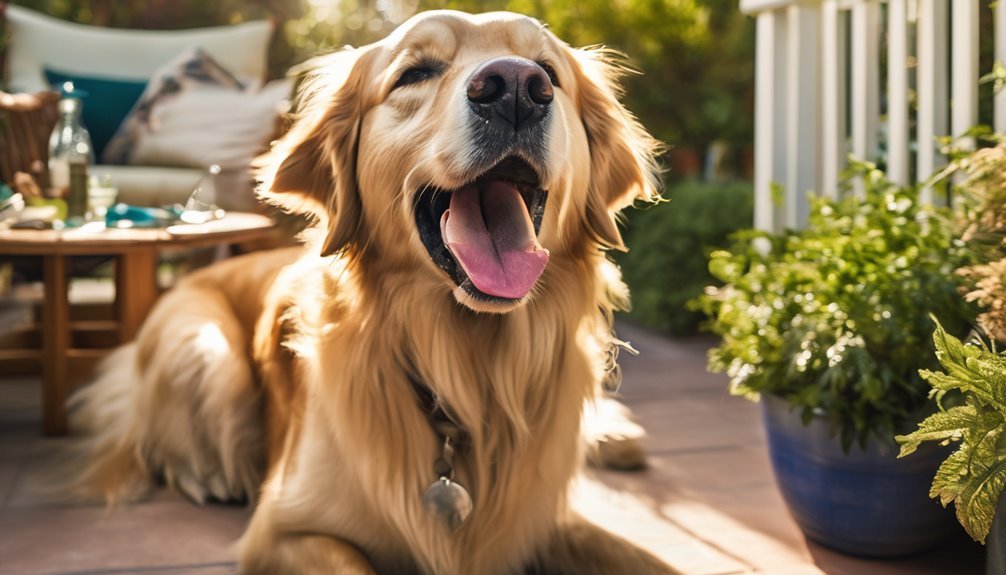
Recognizing the signs of overheating in dogs is crucial, especially during hot weather. Dogs can’t sweat like we do, so they rely on panting and other methods for temperature regulation.
Watch for symptoms like excessive panting, drooling, and lethargy. If your dog seems unusually restless or has a rapid heartbeat, these could be early signs of heat exhaustion.
Watch for signs of excessive panting, drooling, and lethargy; these may indicate early heat exhaustion in your dog.
You might also notice a bright red tongue or gums, indicating they’re struggling to cool down. If your dog begins to stagger or collapses, it’s a serious emergency.

Always stay vigilant in the heat, as timely intervention can save your dog from severe health issues. Keeping an eye on these signs ensures your furry friend stays safe and comfortable.
Why Hydration Is Key to Your Dog’s Comfort
Hydration is essential for your dog’s comfort, especially in sweltering heat. Ensuring your dog has adequate water intake helps prevent dehydration and supports their overall well-being.
Here are some effective tips to keep your pup hydrated:
- Always provide fresh water – Change it regularly to keep it appealing.
- Use a water bowl with a lid – This helps prevent spills and keeps the water clean.
- Incorporate cooling methods – Consider ice cubes in their water or a misting fan nearby.
- Monitor their drinking habits – If your dog isn’t drinking enough, offer water during playtime or after walks.
Creating Ideal Resting Spots for Your Dog
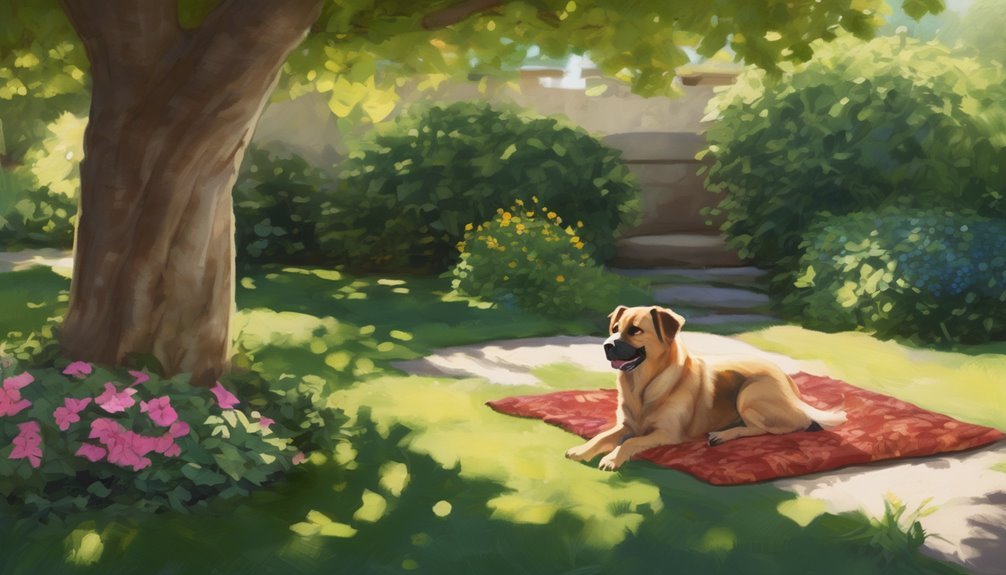
Creating a comfortable resting spot for your dog is essential, especially during hot weather, as it helps them regulate their body temperature and find relief from the heat.
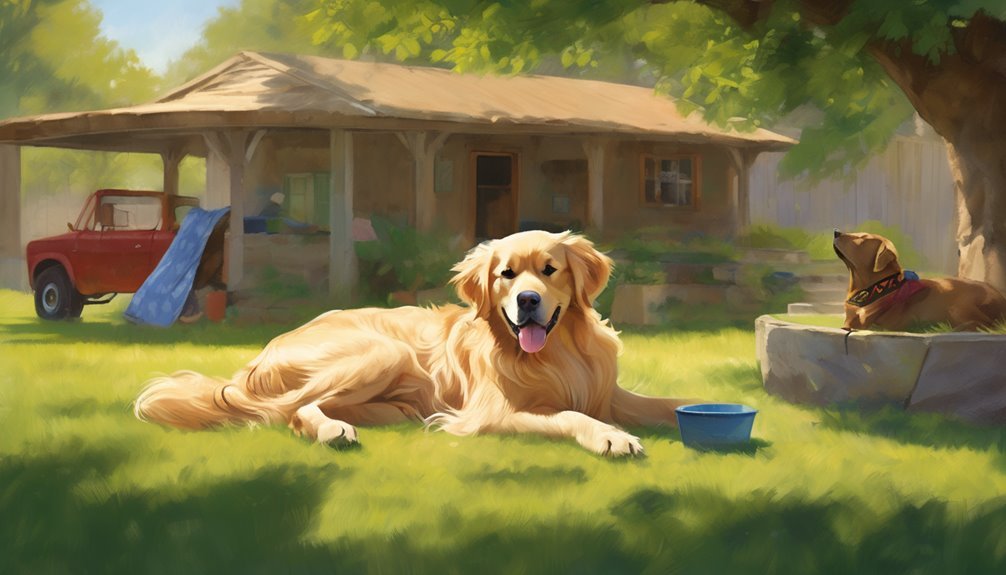
Start by designating a shaded area in your yard or home where your dog can escape direct sunlight. This space should be well-ventilated and free from humidity.
Consider adding a cooling mat to this area; these mats can significantly lower your dog’s body temperature and provide a soothing surface to lie on.
You might also use a cozy dog bed or blanket to enhance their comfort.
Regularly check the temperature of their resting spot to ensure it remains cool, making adjustments as necessary to keep your furry friend safe and comfortable.
Safe Summer Exercise for Dogs
When summer arrives, keeping your dog active while ensuring their safety is crucial. Here are some great ways to exercise your dog safely during the hot months:

- Water Play: Set up a kiddie pool or visit a dog-friendly beach. Dogs love splashing around, and it helps them cool down.
- Shaded Walks: Plan walks in the early morning or late evening when temperatures are cooler. Stick to shaded areas to prevent overheating.
- Gentle Playdates: Organize playdates with other dogs in a safe, shaded environment to keep them social and active without the heat stress.
- Interactive Toys: Use toys that encourage mental stimulation indoors or in a shaded area, helping your dog stay engaged while avoiding the heat.
Grooming Tips to Help Your Dog Stay Cool
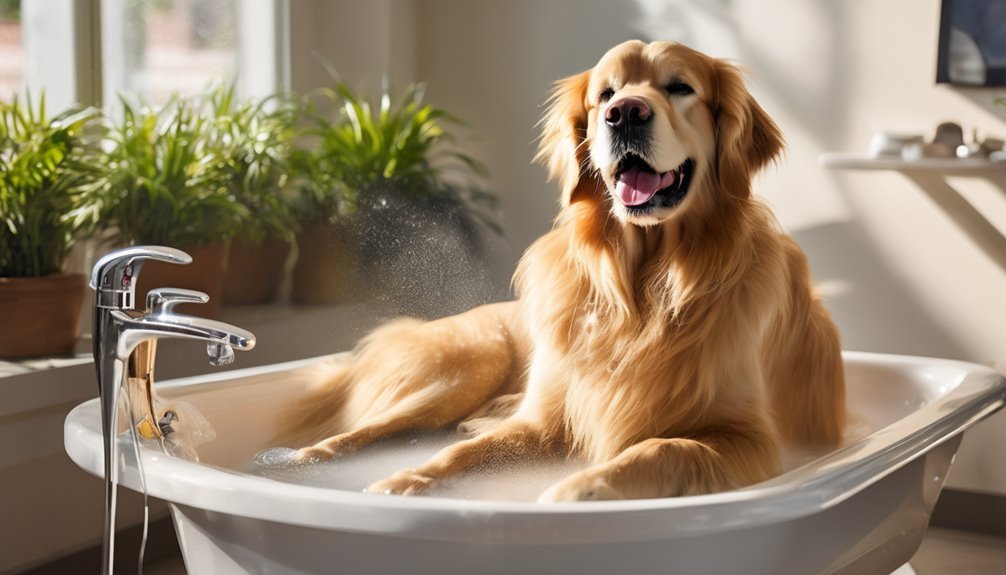
Keeping your dog active during the summer is important, but grooming also plays a key role in their comfort. Regular grooming helps prevent matting and allows air to circulate through their fur, keeping them cooler.
For dogs with longer fur types, aim for a grooming frequency of at least once a week to remove excess hair and dirt. Short-haired breeds benefit from less frequent grooming but don’t skip brushing; it helps with shedding and skin health.
Consider using cooling shampoos or conditioners formulated to soothe their skin. Always check for signs of overheating, such as excessive panting, during grooming sessions.
With the right grooming routine, you can help your dog stay cool and comfortable throughout the summer months.
What Outdoor Activities Are Safe for Your Dog in Hot Weather?
As summer temperatures rise, choosing the right outdoor activities for your dog becomes crucial for their safety and enjoyment. Here are some safe options to consider:
- Water Play: Take your dog to a dog-friendly beach or pool. Splashing around keeps them cool and entertained.
- Shaded Walks: Opt for early morning or late evening walks in shaded areas to avoid the heat.
- Short Hikes: Choose trails with plenty of tree cover. Always bring water and take breaks as needed.
- Interactive Games: Play fetch or hide and seek in your yard during cooler parts of the day, ensuring your dog stays hydrated.
Which Breeds Are Most Sensitive to Heat?
While enjoying outdoor activities with your dog during hot weather, it’s important to recognize that not all breeds handle heat equally well. Certain breed characteristics make some dogs more susceptible to heat sensitivity. Breeds with short snouts, thick coats, or those that are brachycephalic are particularly at risk.
Here’s a quick reference table to help you identify sensitive breeds:
| Breed | Heat Sensitivity Level | Characteristics |
|---|---|---|
| Bulldog | High | Short snout, stocky build |
| Pug | High | Brachycephalic, compact frame |
| Golden Retriever | Moderate | Thick coat, requires hydration |
| Siberian Husky | Moderate | Thick fur, needs acclimatization |
Always monitor your dog for signs of discomfort to keep them safe in the heat.
First Aid for Heatstroke: Essential Tips for Dog Owners
Recognizing the signs of heatstroke in your dog can be crucial for their survival, especially during sweltering days.
Recognizing heatstroke signs in your dog is vital for their safety, particularly in extreme heat.
If you suspect heatstroke, act quickly. Here are essential tips for your emergency response:
- Move to a Cooler Area: Get your dog out of the heat immediately.
- Hydrate: Offer cool, fresh water but don’t force them to drink.
- Cool Down: Apply cool (not ice-cold) water to their body, focusing on the paws and belly.
- Seek Veterinary Care: Even if your dog seems better, a vet visit is essential for proper evaluation.
Heatstroke prevention is key.
Always keep an eye on your dog during hot weather and be prepared to act swiftly to protect their health.
Conclusion
Just as a wise gardener nurtures delicate blooms in the summer sun, you too must tend to your dog’s needs during the heat. By providing shade, hydration, and mindful activities, you create a sanctuary for your furry friend. Keep an eye on their comfort, and be ready to act if they show signs of distress. In this shared journey, your attentive care will help them flourish through the warmest days, ensuring a safe and joyful summer together.