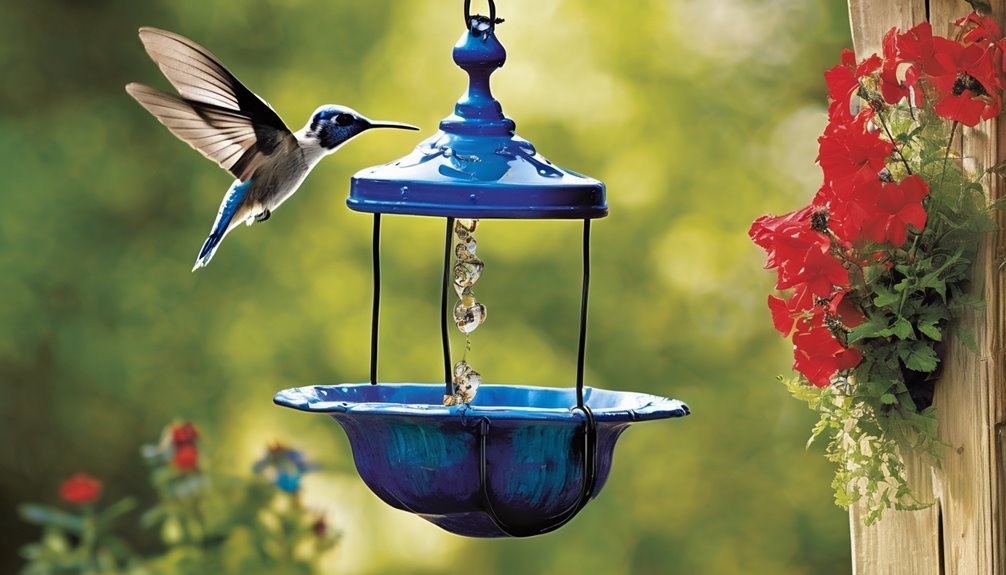
Many backyard birds struggle to find adequate food and shelter, especially as urban areas expand. By creating a bird-friendly environment, you can significantly support their survival and well-being. Incorporating native plants, setting up feeders, and providing water sources are essential steps to attract diverse species. However, understanding the specific needs of your local birds can make all the difference in fostering a thriving ecosystem. What strategies can you implement to enhance your backyard habitat?
Key Takeaways
- Plant a variety of native plants to provide year-round food and habitat for local birds.
- Set up multiple feeding stations with high-quality seeds and suet to attract diverse species.
- Provide clean water sources like bird baths and fountains for drinking and bathing.
- Install birdhouses and create safe nesting areas to protect birds from predators.
- Limit pesticide use and maintain a clean environment to support a healthy ecosystem.
Why Create a Bird-Friendly Backyard?
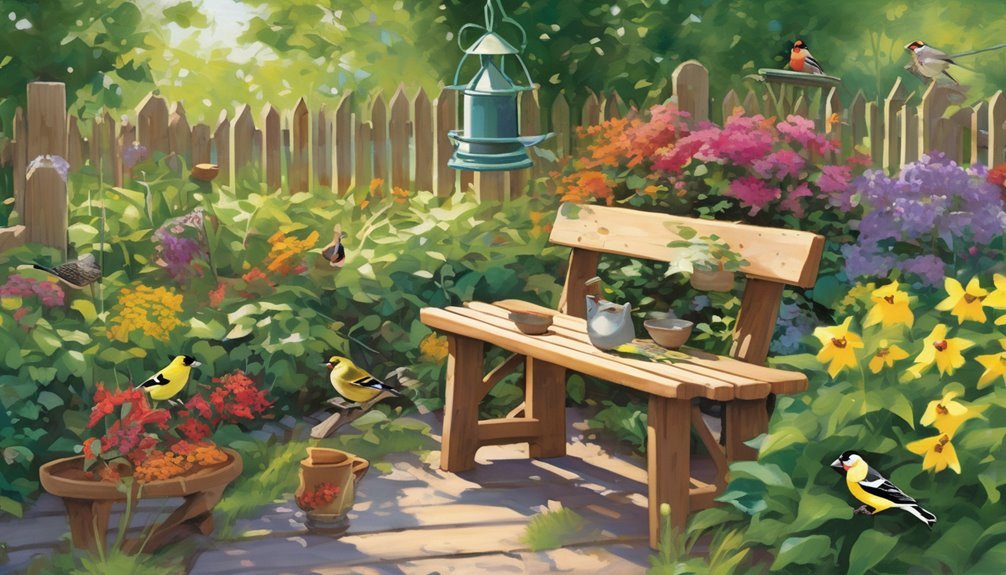
Creating a bird-friendly backyard is essential not only for the well-being of local bird populations but also for enhancing your garden’s biodiversity. By providing suitable habitats, you support birds during critical times, such as seasonal migrations. This not only aids in the survival of these species but also fosters a thriving ecosystem.
Incorporating elements like feeders, water sources, and sheltered areas encourages bird observation, allowing you to witness avian behaviors up close. Moreover, a diverse plant selection can attract various bird species, promoting a balanced environment.

Engaging with nature in this way enriches your gardening experience while contributing to conservation efforts. Ultimately, a bird-friendly space benefits both you and the avian community.
How to Use Native Plants to Attract Local Birds
Native plants serve as a vital resource for attracting local birds, offering food, shelter, and nesting materials. By focusing on native plant selection, you can create an inviting environment that supports diverse bird species.
Here are four strategies to effectively use native plants:
- Choose a Variety: Select plants that provide food throughout the year, ensuring seasonal blooms to attract different bird species.
- Create Layers: Incorporate trees, shrubs, and ground cover to provide shelter and nesting sites.
- Use Native Grasses: These can offer seeds for foraging and habitat for insects, a crucial food source for many birds.
- Limit Pesticides: Minimize chemical use to maintain a healthy ecosystem that benefits both plants and birds.
Implementing these strategies enhances your backyard’s appeal to local birdlife.
Offer Nutritious Food for Bird-Friendly Yards
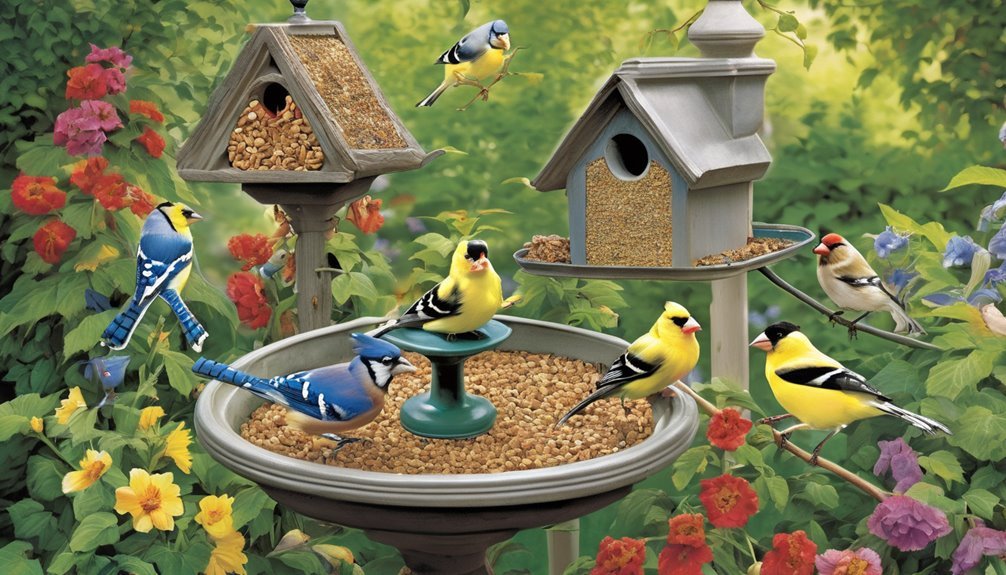
A well-planned backyard not only features native plants but also provides a variety of nutritious food options for birds.
To attract diverse species, consider using high-quality seed blends that cater to the dietary preferences of local birds. Sunflower seeds, millet, and safflower are excellent choices, as they appeal to many avian visitors.
Setting up multiple feeding stations throughout your yard enhances accessibility, allowing birds to feed safely and comfortably. Ensure these stations are clean and refilled regularly to maintain food freshness.

Additionally, consider offering suet or nectar for species like woodpeckers and hummingbirds.
Set Up Water Sources for Birds
While providing food is essential, setting up water sources is equally crucial for attracting and supporting backyard birds. Access to clean water helps birds stay hydrated and maintain their plumage.
Here are some effective ways to create water sources:
- Bird Baths: Place shallow bird baths in your yard. Ensure they’re cleaned regularly to prevent algae growth and disease.
- Water Fountains: Install a water fountain to provide a continuous flow of water, attracting more species with its movement.
- Misters: Use a mister to create a fine spray, which can entice birds during hot weather.
- Puddling Areas: Designate a small area with pebbles and shallow water, allowing birds to bathe and drink safely.
Create Safe Nesting Spots
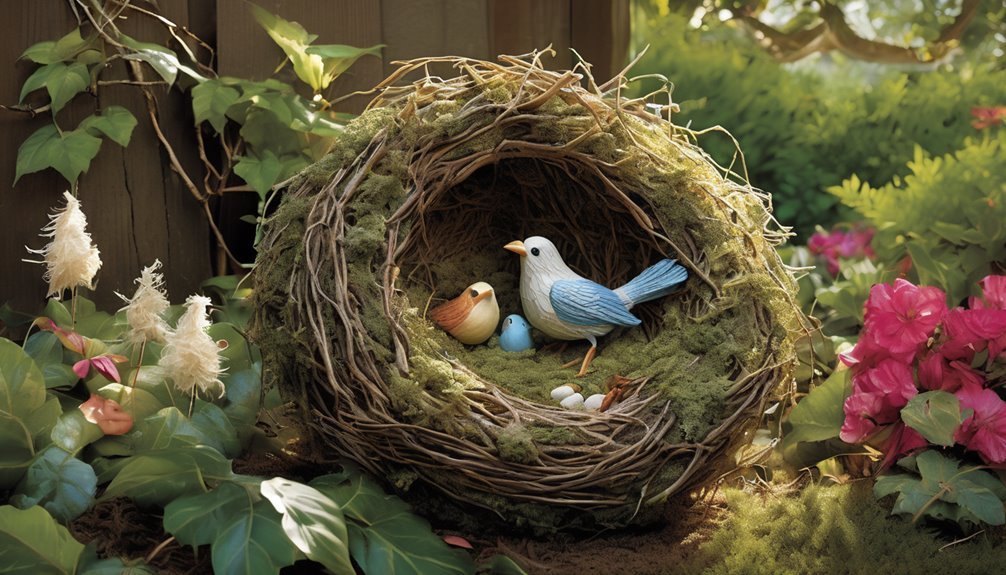
Creating safe nesting spots is essential for attracting a variety of bird species to your backyard. Start by providing diverse shelter types, such as shrubs, trees, and even artificial birdhouses.
Different bird species prefer various nesting materials, so consider adding twigs, leaves, and grass clippings to your yard. Ensure that the locations are sheltered from harsh weather and predators, which increases the likelihood of successful nesting.
Avoid using pesticides or herbicides, as these can contaminate nesting areas. Additionally, maintain a clean environment by removing debris that might harbor pests.
Keep Your Birds Safe From Harm
To keep your backyard birds safe from harm, it’s crucial to identify and mitigate potential threats in their environment. Birds face various dangers, including bird predators and habitat threats.
Here are some effective strategies to protect them:
- Install Birdhouses: Provide safe nesting locations that deter predators.
- Use Bird Feeders: Opt for feeders designed to minimize access for larger animals.
- Maintain Your Yard: Regularly trim overgrown vegetation to reduce hiding spots for predators.
- Limit Chemicals: Avoid pesticides and herbicides that can harm birds directly or reduce their food sources.
Conclusion
Creating a bird-friendly backyard isn’t just for avid birdwatchers; it enhances your outdoor space, too. By implementing native plants, providing nutritious food, and ensuring safe nesting spots, you’ll attract a variety of species that contribute to a vibrant ecosystem. While some may worry about maintenance, a well-planned garden can flourish with minimal effort. Embrace these strategies, and you’ll enjoy the beauty and benefits of birds while supporting their survival. Start making your yard a sanctuary today!