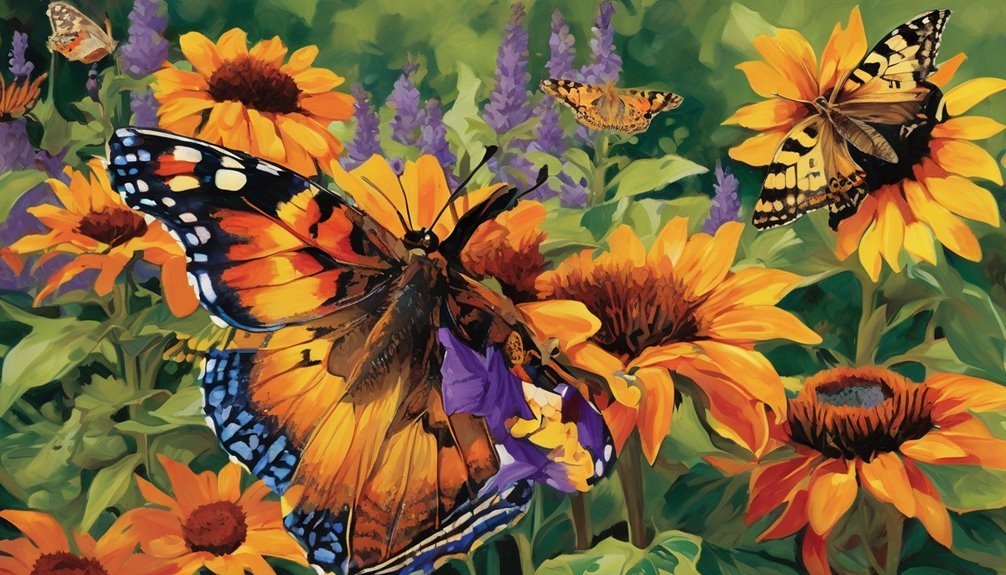
If you want to attract butterflies naturally, start by transforming your garden into a vibrant haven. Choose native flowering plants that offer nectar and caterpillar food sources. Providing water and shelter will enhance your garden’s appeal. With the right elements in place, you can create a thriving ecosystem. Curious about the best plants and strategies to ensure butterflies visit your space? Let’s explore the essential steps to turn your garden into a butterfly-friendly paradise.
Key Takeaways
- Plant native flowering plants like Milkweed and Coneflower to provide essential nectar sources for butterflies.
- Incorporate host plants specific to local butterfly species for caterpillar nourishment.
- Create diverse habitats with sunning spots and shelter to support butterflies throughout their lifecycle.
- Provide shallow water sources, like butterfly baths, for hydration and easy access.
- Ensure continuous blooms from spring to fall to attract butterflies year-round.
Why Butterflies Are Essential for Your Garden
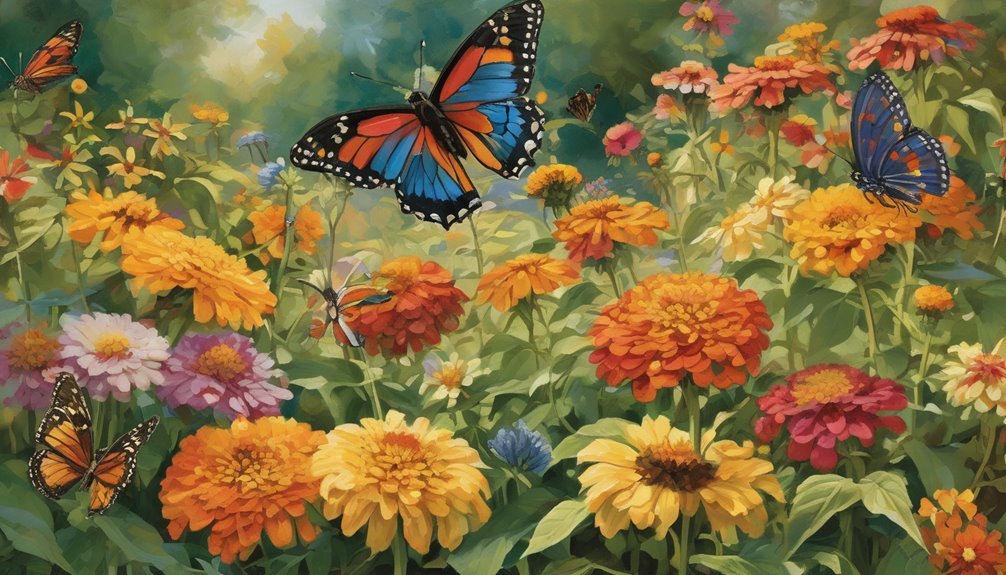
While you might think of butterflies as mere garden adornments, they actually play a crucial role in maintaining a healthy ecosystem. These delicate creatures are vital pollinators, helping plants reproduce and ensuring your garden flourishes.
The butterfly benefits extend beyond aesthetics; their presence attracts other beneficial insects and birds, creating a balanced environment. By supporting diverse plant life, butterflies contribute to soil health and nutrient cycling, further enhancing your garden’s vitality.
Plus, observing butterflies can enrich your outdoor experience, connecting you with nature. So, if you want a thriving garden, consider the essential ecosystem roles butterflies play. Their contributions are invaluable, making your garden not just beautiful, but also a vibrant, sustainable habitat.

Choosing the Right Plants for Butterflies
To attract butterflies to your garden, selecting the right plants is essential, as these vibrant insects rely on specific flora for food and habitat. Native plants are particularly beneficial, as they provide natural nectar sources that butterflies prefer. Incorporating a variety of flowering plants ensures a continuous bloom from spring to fall.
| Plant Type | Nectar Source | Native Plant |
|---|---|---|
| Milkweed | Monarch Butterflies | Yes |
| Coneflower | Eastern Tiger Swallowtail | Yes |
| Black-eyed Susan | Painted Lady Butterflies | Yes |
| Lantana | Various Butterflies | No |
Creating a Butterfly Habitat With Host Plants
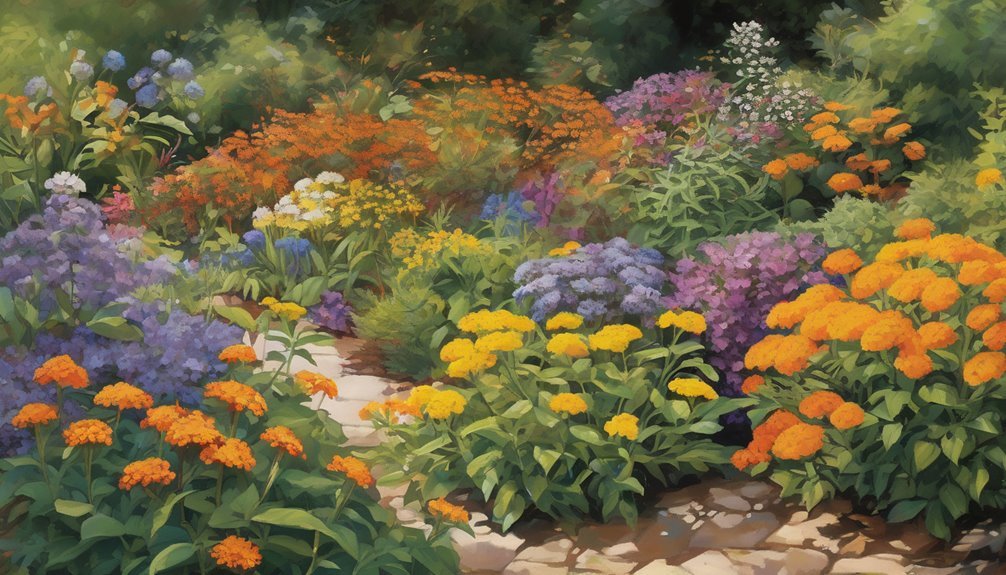
Creating a butterfly habitat is essential for supporting the entire lifecycle of these beautiful insects, as they depend on specific host plants for laying their eggs.
To attract butterflies effectively, focus on using host plant varieties that cater to local species. Native plant selection is key; it ensures that the plants are well-adapted to your environment, providing the necessary nutrients for caterpillars.
Attract butterflies by selecting native host plants that nourish local caterpillars and enhance your garden’s ecosystem.
For example, if you want to attract Monarchs, include milkweed in your garden. Not only will this support their lifecycle, but it’ll also enhance your garden’s ecosystem.
By creating a diverse habitat with the right host plants, you’ll invite butterflies to thrive and bring vibrant life to your outdoor space.
Start planting these today for a butterfly-friendly garden!
How to Offer Water for Your Butterfly Friends
Providing water for butterflies is just as important as planting host plants, as these delicate creatures need hydration to thrive. You can create inviting water sources like butterfly baths that not only quench their thirst but also add charm to your garden. Here’s how to set one up:
| Material | Description | Butterfly Attraction |
|---|---|---|
| Shallow Dish | Use a shallow dish filled with water. | Provides easy access. |
| Pebbles | Add pebbles for landing spots. | Encourages hesitant butterflies. |
| Fresh Water | Change water regularly. | Keeps it clean and inviting. |
Designing a Butterfly-Friendly Garden
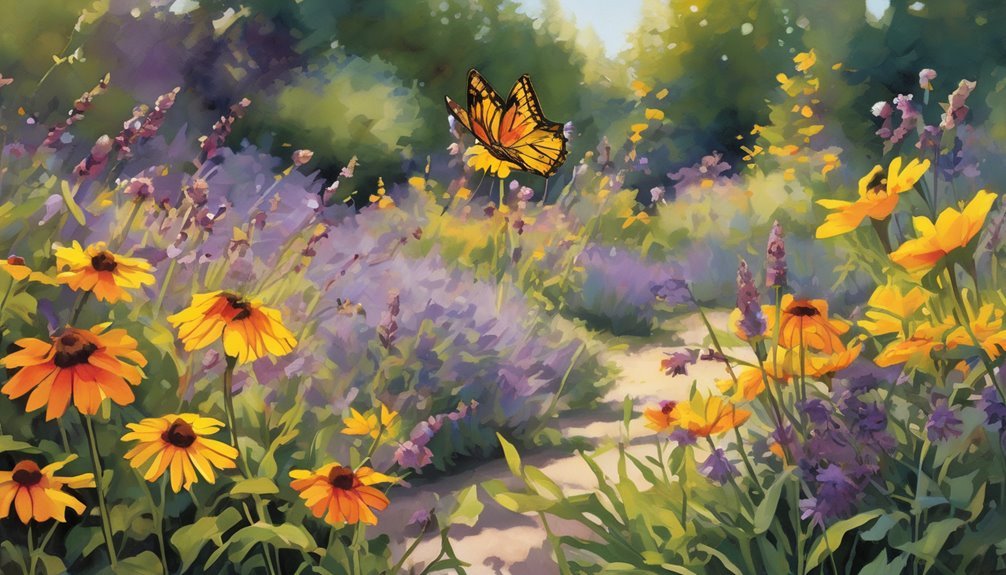
While you may think of butterflies as fleeting visitors, designing a butterfly-friendly garden can turn your outdoor space into a vibrant haven for these beautiful insects.
Start by incorporating a variety of native plants with diverse flower colors to attract different species. Use companion planting to create a harmonious ecosystem, allowing plants to support each other and provide essential nutrients.
Consider these key elements:

- Choose nectar-rich flowers like coneflowers and milkweed.
- Include host plants for caterpillars, such as parsley and fennel.
- Provide sunning spots with flat stones.
- Create shelter using shrubs or tall grasses.
- Ensure a continuous bloom cycle from spring to fall.
With these tips, you’ll transform your garden into a butterfly paradise!
Choosing Safe Practices: Avoiding Pesticides
To truly cultivate a butterfly-friendly garden, it’s essential to adopt safe practices that avoid pesticides. Chemicals can harm not just butterflies but also other beneficial insects and pollinators.
Instead, consider using natural repellents, such as neem oil or garlic spray, to deter pests without endangering your garden’s delicate ecosystem. Embrace organic gardening techniques by enriching your soil with compost and planting a diverse array of native flowers that attract butterflies.
These methods not only promote a healthy environment but also encourage the vibrant presence of butterflies. By choosing non-toxic approaches, you create a sanctuary where butterflies can thrive, ensuring your garden remains a beautiful and inviting habitat for these enchanting creatures.
Make the switch today for a healthier garden!
Creating the Right Balance of Sunlight and Shade for Butterflies
Creating a butterfly-friendly garden goes beyond just avoiding harmful chemicals; it also involves understanding the needs of these delicate creatures, particularly when it comes to sunlight and shade.
Butterflies thrive in gardens that offer the right mix of sunlight orientation and shade structure.
Butterflies flourish in gardens that harmoniously blend sunlight and shade, creating ideal conditions for their delicate needs.
To create this balance, consider the following:
- Plant sun-loving flowers in areas that receive plenty of sunlight.
- Incorporate native plants that provide both nectar and shelter.
- Design shade structures like leafy trees or tall shrubs for resting spots.
- Position flat stones in sunny areas where butterflies can bask.
- Monitor your garden’s light patterns throughout the day to ensure optimal conditions.
Enjoying and Observing Butterflies Year-Round
Butterflies can grace your garden year-round with the right planning and plant choices. You’ll want to select a variety of plants that bloom in different seasons to cater to their butterfly behavior. While some butterflies migrate seasonally, others may linger if your garden remains inviting.
Here’s a quick guide to help you:
| Season | Best Plants |
|---|---|
| Spring | Milkweed, Coneflower |
| Summer | Butterfly Bush, Zinnias |
| Fall | Asters, Sedum |
| Winter | Evergreen shrubs |
| Year-Round | Native grasses, Herbs |
Tips for Attracting Butterflies Throughout the Year
Maintaining a butterfly-friendly garden year-round requires a thoughtful approach that goes beyond just planting flowers.
You’ll want to ensure your garden features seasonal flower selection to provide nectar-rich blooms throughout the months. Here are some tips to keep butterflies fluttering in your garden:
- Choose native plants: They thrive in your local climate and attract local butterfly species.
- Plant in clusters: Grouping flowers together increases visibility and accessibility for butterflies.
- Incorporate host plants: These are essential for caterpillars and will encourage butterfly reproduction.
- Provide water sources: Shallow puddles or mud baths offer hydration and minerals.
- Add shelter: Tall grasses or shrubs can provide resting spots and protection from predators.
With these strategies, you’ll create a vibrant haven for butterflies all year long!
Conclusion
By nurturing a butterfly-friendly garden, you’re not just inviting beauty; you’re fostering life. Imagine watching delicate butterflies flit about, bringing joy and vibrancy to your space, while knowing you’ve created a haven for these essential pollinators. Yet, without your care, these enchanting creatures could fade away. So, embrace the responsibility—plant, protect, and observe. Your garden can transform into a thriving ecosystem, where every fluttering wing tells a story of resilience and harmony.