
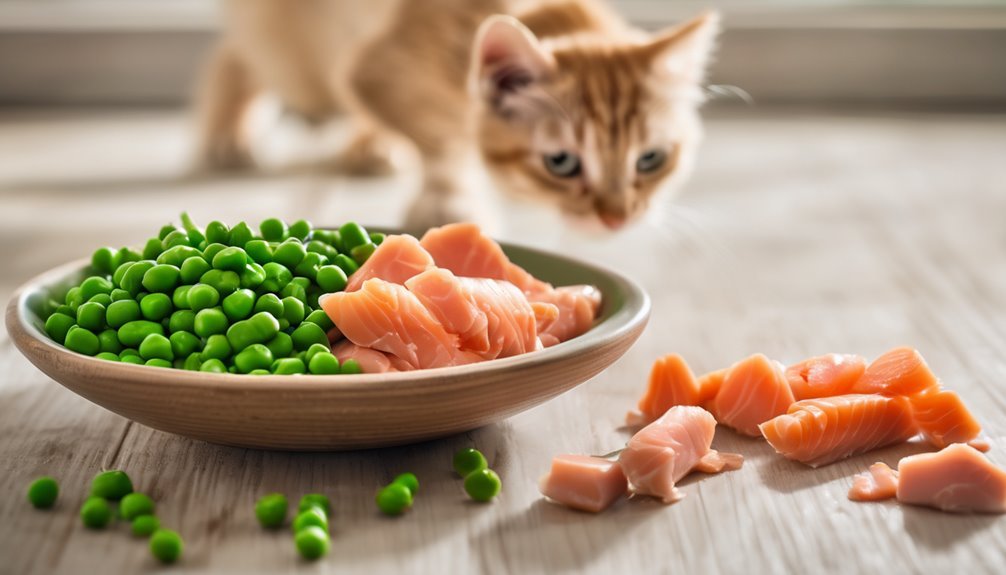
Imagine a finely tuned engine that runs on the right fuel; your cat’s body operates similarly, relying heavily on high-quality protein sources. Choosing the best proteins is crucial for their health and vitality. While you might think all proteins are equal, the specific types you select can make a significant difference. What should you prioritize to ensure your feline friend thrives? Let’s explore the top protein sources that support your cat’s overall well-being.
Key Takeaways
- High-quality animal-based proteins like meat, poultry, and fish are essential for a cat’s health and energy levels.
- Fish is an excellent source of omega-3 fatty acids, promoting skin, coat, and joint health.
- Chicken and turkey provide lean protein and essential nutrients, enhancing muscle development and maintaining a healthy weight.
- Red meats like beef and lamb offer essential amino acids and are gentle on sensitive stomachs, adding variety to diets.
- Complementary sources like eggs and safe dairy alternatives can boost nutrition and support digestive health in moderation.
Essential Protein Sources for Cats: An Overview
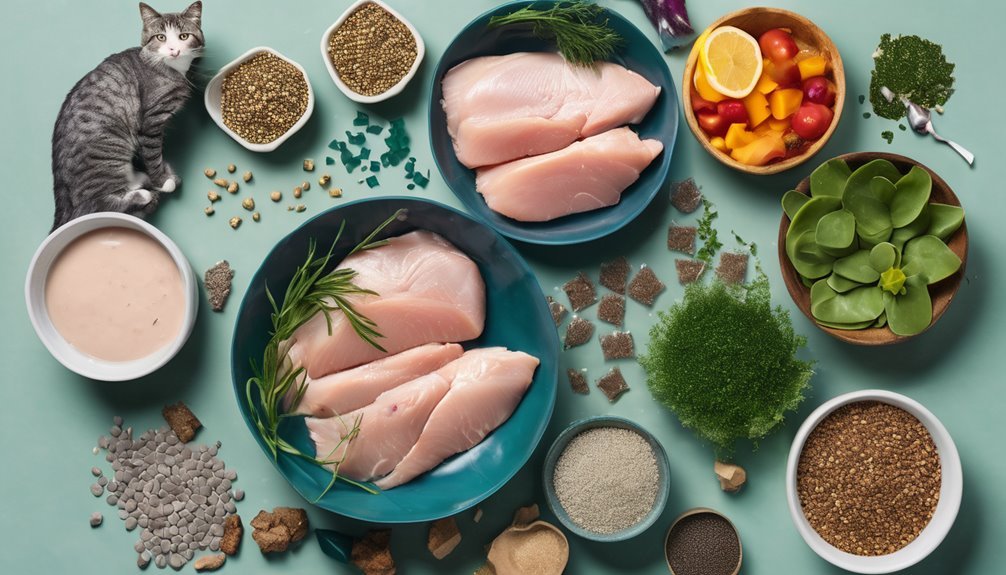
When it comes to your cat’s diet, protein plays a crucial role in their overall health and well-being. Meeting your cat’s protein requirements is essential for supporting their energy levels, muscle maintenance, and immune function.
Quality sources of protein include meat, poultry, and fish, which provide the amino acids necessary for optimal feline nutrition. Cats are obligate carnivores, meaning their bodies thrive on animal-based proteins.
When selecting cat food, look for products with high meat content and minimal fillers. Incorporating a variety of protein sources can ensure a balanced diet, enhancing your cat’s vitality.

Always consult your veterinarian for personalized recommendations based on your cat’s specific needs, age, and lifestyle to support their long-term health.
The Benefits of Fish: A Rich Source of Omega-3
Fish offers numerous benefits for your cat, especially as a rich source of omega-3 fatty acids. These essential nutrients contribute to your cat’s overall health in several ways.
Here are three key omega-3 benefits:
- Skin and Coat Health: Omega-3s found in various fish varieties, like salmon and sardines, help maintain a shiny, healthy coat and reduce skin irritations.
- Joint Support: Regular consumption can alleviate joint pain and inflammation, making it easier for your cat to stay active.
- Heart Health: Omega-3 fatty acids support cardiovascular health, promoting a strong heart and improved circulation.
Incorporating fish into your cat’s diet not only enhances flavor but also boosts essential nutrients, ensuring they thrive.
Why Your Cat Will Love Chicken and Turkey
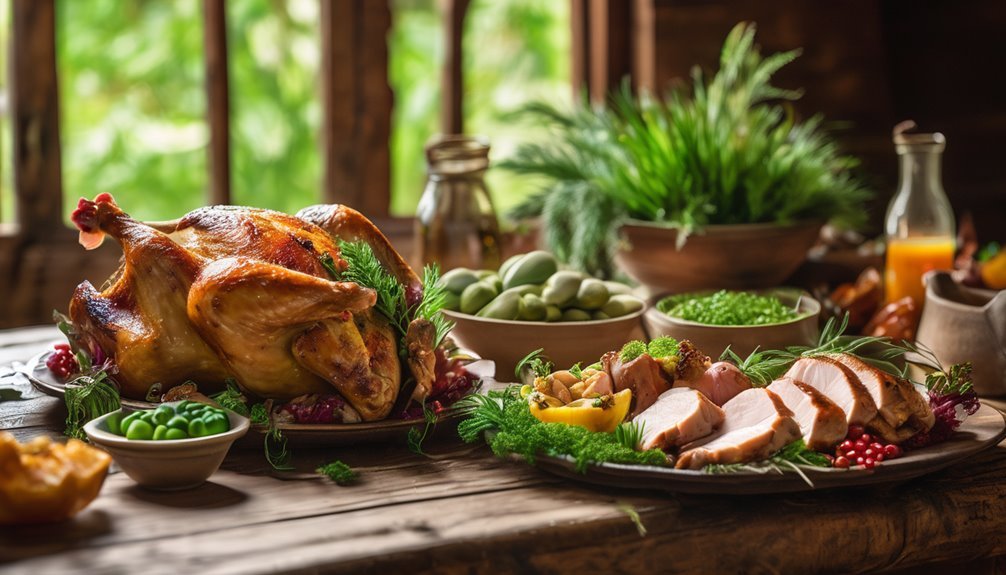
Cats are often drawn to chicken and turkey, not just for their delicious flavors but also for the nutritional benefits these meats provide.
Chicken is packed with high-quality protein, essential for muscle development and overall health. Its low-fat content helps maintain a healthy weight, making it an ideal choice for your feline friend.
On the other hand, turkey offers a delightful texture that many cats find appealing, enhancing their mealtime experience. Both meats are rich in vitamins and minerals, contributing to a well-rounded diet.
Top Red Meat Protein Sources: Beef and Lamb for Cats
Two popular red meat options for feline diets are beef and lamb, both of which offer excellent protein sources. Incorporating these meats can enhance your cat’s overall health.
Two nutritious red meat options for cats, beef and lamb, provide essential proteins that boost their overall health.
Here are some key points to consider:

- Beef Benefits: Rich in essential amino acids and vitamins, beef supports muscle development and energy levels.
- Lamb Nutrition: Lamb is an excellent source of omega-3 fatty acids, promoting skin and coat health while being gentle on sensitive stomachs.
- Variety in Diet: Offering both proteins can help prevent dietary boredom and ensure your cat receives a balanced intake of nutrients.
Complementary Proteins: Eggs and Safe Dairy for Cats
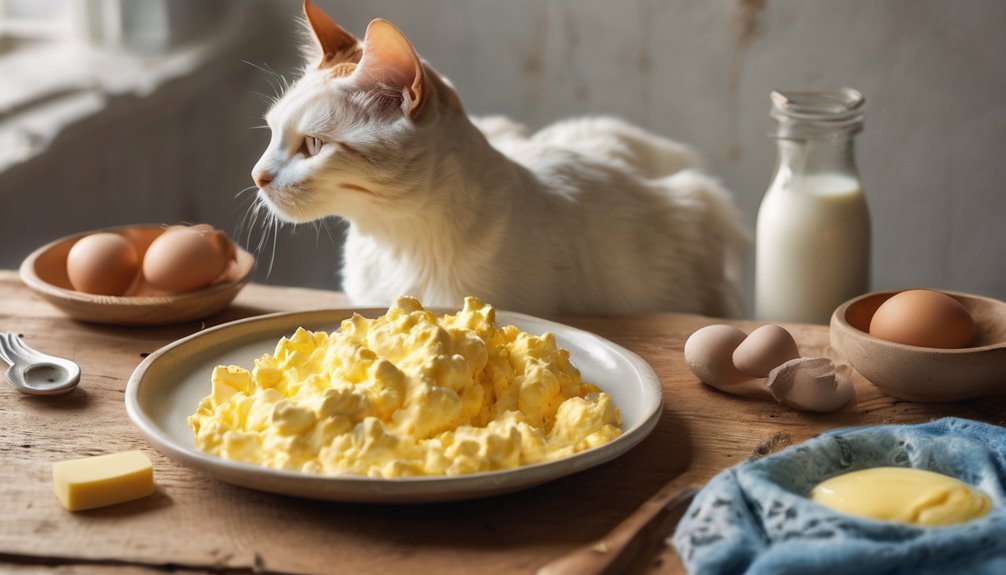
While you mightn’t think of eggs and dairy as primary protein sources, they can play a valuable role in your cat’s diet. Eggs are packed with essential amino acids and nutrients, offering significant egg benefits like promoting healthy skin and a shiny coat.
They’re also easy to digest, making them a great option for cats with sensitive stomachs.
On the other hand, many cats are lactose intolerant, so if you choose to include dairy, opt for safe dairy alternatives like yogurt or cottage cheese in moderation.
These options can provide protein and beneficial probiotics. Always ensure that any added protein sources fit well into your cat’s overall nutrition plan, balancing their dietary needs effectively.
How to Transition Your Cat’s Diet
Transitioning your cat’s diet can be a smooth process if approached gradually and thoughtfully. Start by considering your cat’s individual needs and preferences to maintain a nutritional balance.
Here are three key steps to follow:
- Gradual Introduction: Mix a small amount of the new food with the old, slowly increasing the new food over several days.
- Monitor Texture Preferences: Pay attention to whether your cat prefers dry or wet food, as this can impact their acceptance of dietary changes.
- Watch for Food Allergies: Be alert for any signs of allergies, such as digestive upset or skin issues, and adjust accordingly.
Incorporate portion control and flavor variety, and keep consistent meal timing to help your cat adjust comfortably.
Debunking Common Myths About Cat Protein Needs
Many cat owners believe that all feline diets should emphasize high protein levels without understanding the nuances of their pets’ nutritional needs. One common myth is that more protein always equals better health.
In reality, it’s not just the amount of protein that matters, but also its digestibility. Cats require highly digestible proteins to ensure they absorb essential nutrients effectively.
Another misconception is that all protein sources are equal; however, quality varies significantly. Animal-based proteins typically offer better amino acid profiles than plant-based options.
Recognizing these feline protein myths will help you tailor your cat’s diet more appropriately, promoting optimal health while avoiding unnecessary dietary extremes.
Always consult your veterinarian for personalized recommendations based on your cat’s specific requirements.
Conclusion
Imagine your cat as a majestic lion in the wild, thriving on the finest cuts of meat. By choosing high-quality protein sources like chicken, fish, and eggs, you’re crafting a feast fit for royalty. Just as the lion relies on its diet for strength, your feline friend needs these essential nutrients to flourish. Embrace this journey of nourishment, ensuring your cat’s vitality and happiness soar like a bird in the clear blue sky.