You might think that caring for an aging cat is too challenging, but small adjustments can make a big difference. Senior cats have unique needs that can easily be met with thoughtful changes in their environment and routine. By understanding these needs, you can enhance their comfort and well-being. Let’s explore practical ways to support your feline companion as they navigate their golden years.
Key Takeaways
- Provide soft bedding and low-sided litter boxes to enhance comfort and accessibility for your aging cat.
- Ensure regular vet check-ups to monitor health changes and address any emerging issues early.
- Adjust the diet to include smaller, frequent meals and hydration to support kidney health and overall wellness.
- Implement gentle grooming routines with soft brushes to prevent matting and maintain skin health without causing irritation.
- Create a cozy environment with safe hideaways and temperature control to help your cat feel secure and comfortable.
Understanding the Unique Needs of Senior Cats
As your cat ages, it’s essential to recognize that their needs evolve significantly.
You’ll notice shifts in their senior behavior, such as reduced playfulness and increased napping. These changes are natural, but they can also indicate underlying health issues.
Mobility challenges often arise, making it difficult for your cat to jump or climb. Pay close attention to how they move; a gradual decline can signal pain or discomfort.
Mobility issues can hinder your cat’s ability to jump or climb, signaling possible pain or discomfort that deserves attention.
Regular vet check-ups will help you stay ahead of potential problems. You may also need to adjust their diet to accommodate changing nutritional needs.

Creating a Comfortable Space for Senior Cats
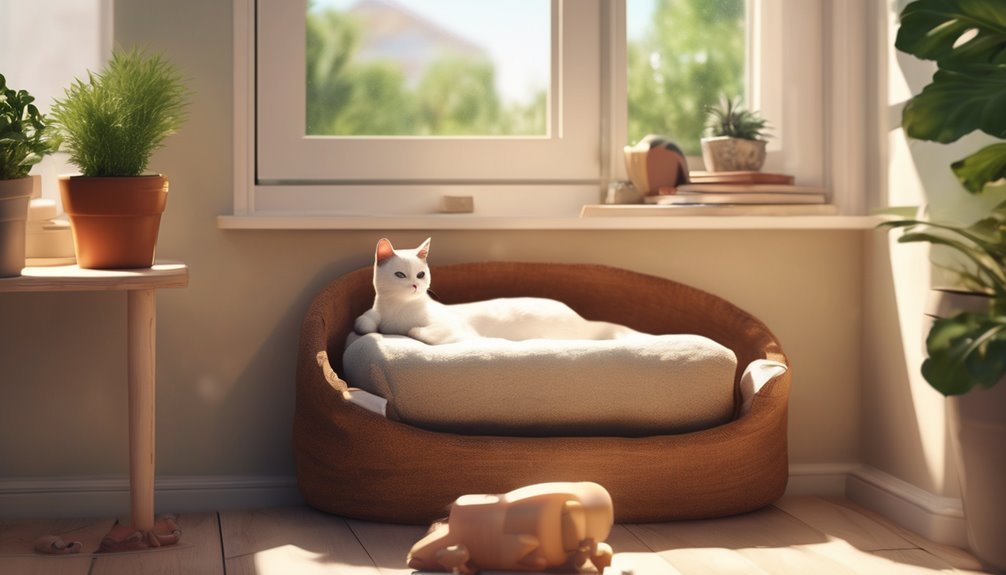
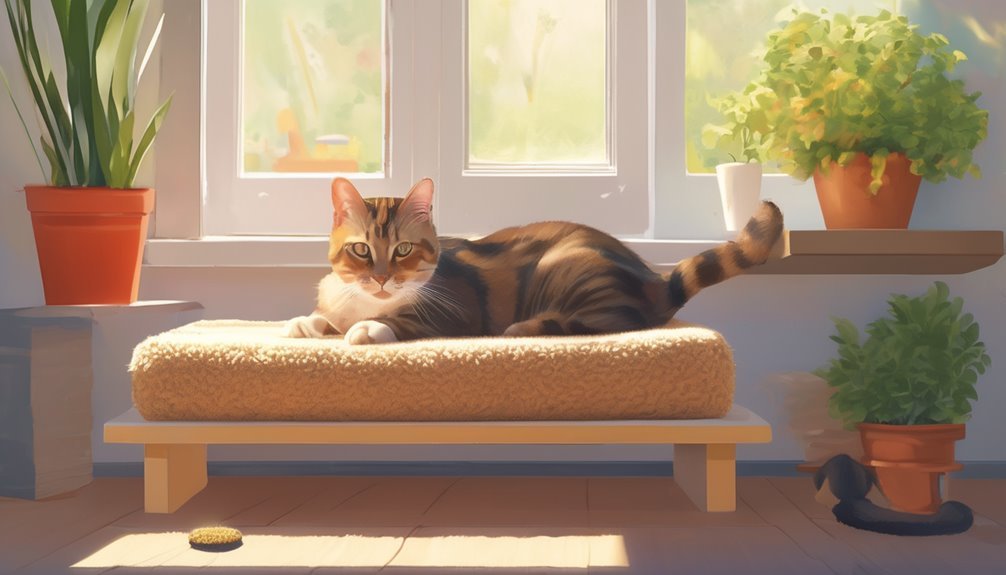
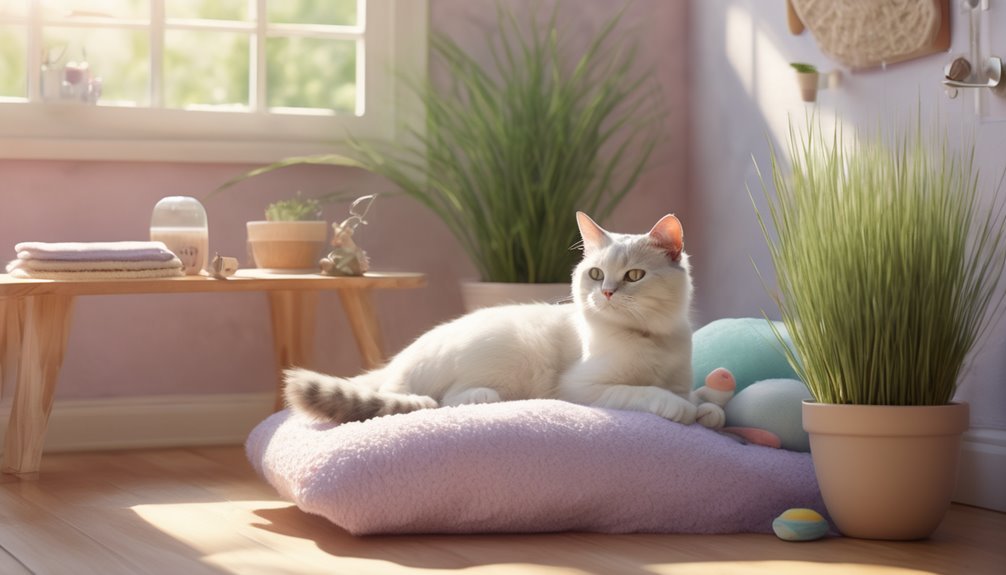
Creating a comfortable space for your senior cat is crucial for their well-being, especially as they face mobility challenges and changing needs. Prioritize soft bedding in their favorite resting spots, and ensure that you’ve set up quiet areas away from household hustle.
Consider these key elements:
| Feature | Description |
|---|---|
| Soft Bedding | Use plush blankets or cushions. |
| Easy Access | Low-sided beds and litter boxes. |
| Safe Spaces | Hideaways for cozy resting. |
| Temperature Control | Ensure warmth without overheating. |
Adding vertical climbing options can keep them active, while litter modifications make bathroom time easier. Create an environment where they feel secure and loved, fostering a deeper bond between you two.
Adjusting Your Senior Cat’s Diet for Optimal Health

When it comes to maintaining your senior cat’s health, adjusting their diet is essential for supporting their changing needs. Focus on these key aspects:
- Hydration Importance: Ensure your cat has access to fresh water, as hydration helps with kidney function and overall health.
- Portion Control: Monitor their food intake to aid in weight management. Smaller, frequent meals can be beneficial.
- Diet Transitions: Gradually introduce new foods, considering their flavor preferences and food textures to keep them interested and comfortable.
Incorporating nutritional supplements can enhance their diet, too.
Establishing a consistent feeding schedule helps reinforce routine and stability.
Best Games and Activities for Your Senior Cat
Engaging your senior cat in play isn’t just fun; it’s vital for their mental and physical well-being.
Consider incorporating interactive toys that encourage gentle play and stimulate their senses. Low-impact games like wand toys can keep them moving without straining their joints.
Puzzle feeders are excellent for providing mental stimulation while rewarding them with treats.
Don’t forget sensory activities, like scent exploration with catnip or other enticing scents, which can spark their curiosity.
These activities not only promote social interaction between you and your cat but also help maintain their cognitive health.
How to Manage Common Health Issues in Senior Cats
As your cat enjoys playtime, it’s important to keep an eye on their health, as senior cats are prone to various health issues. Managing these can help keep your furry friend comfortable and happy.
Here are three key areas to focus on:
1. Joint Health: Regular vet check-ups can help identify arthritis or other joint issues early.
Consider joint supplements or medications that your vet recommends.

2. Dental Care: Dental disease can be common in older cats.
Regular teeth cleaning and vet dental check-ups can prevent pain and health complications.
3. Hydration: Encourage your cat to drink plenty of water, as dehydration can lead to kidney issues.
Consider a water fountain to entice them.
Being proactive will make a world of difference in your cat’s quality of life.
Grooming Strategies for Senior Cats
Grooming your senior cat can significantly enhance their comfort and well-being. As they age, they may struggle with grooming themselves, so your help is essential. Start with gentle brushing techniques to remove loose fur and prevent matting. Use a soft brush to avoid irritating their skin, and focus on areas like the back and sides, where they may not reach.
For nail trimming, ensure you have a pair of cat nail clippers. Trim just the tip of each nail, avoiding the quick. If your cat resists, try to make it a positive experience with treats or gentle praise.
Here’s a quick reference table to help you:
| Grooming Task | Tips |
|---|---|
| Brushing Techniques | Use soft brushes |
| Nail Trimming | Trim tips, avoid the quick |
| Frequency | Weekly for brushing |
| Positive Reinforcement | Use treats and praise |
When to Take Your Senior Cat to the Vet?
While caring for your senior cat’s grooming needs is important, monitoring their health is just as vital. Be alert for these vet visit signs that may indicate your furry friend needs a check-up:
- Changes in appetite: If they’re eating less or refusing food altogether, it’s worth investigating.
- Lethargy: If your once-active cat suddenly sleeps more or seems uninterested in play, it could signal an issue.
- Weight fluctuations: Noticeable weight gain or loss can be concerning and may point to underlying health problems.
Recognizing these senior cat symptoms early can make a significant difference in their quality of life.
Recognizing symptoms in senior cats early can greatly enhance their quality of life and overall well-being.
Trust your instincts—if something feels off, don’t hesitate to reach out to your vet. Your companion deserves the best care possible.
Recognizing Pain and Discomfort in Senior Cats
Many cat owners underestimate how easily their senior pets can hide pain and discomfort. It’s crucial to recognize pain signs and discomfort cues, as these can often be subtle.
Look for behavioral changes, like increased irritability or withdrawal, and pay attention to vocalization patterns; if your cat suddenly meows more or less, it could signal distress.
Mobility issues, such as difficulty jumping or reluctance to move, are also red flags. Additionally, older cats may exhibit hiding tendencies, retreating to quieter spots when they’re feeling unwell.
Frequently Asked Questions
How Can I Tell if My Cat Is Bored?
If your cat’s lounging more, ignoring toys, or displaying restless behavior, those are boredom indicators. Pay attention to their cat behavior; engaging them with play or new stimuli can reignite their interest and joy.
What Are Signs My Cat Is Happy?
Your cat’s happiness could light up the darkest room! Look for purring behaviors, playful antics, and a relaxed posture. If she seeks your company and kneads affectionately, she’s definitely feeling joyful and content.
Can Senior Cats Still Learn New Tricks?
Yes, senior cats can still learn new tricks! Utilizing positive training techniques boosts their cat cognition. With patience and consistency, you’ll strengthen your bond while keeping their minds active and engaged. It’s a rewarding experience for both of you.
How Often Should I Clean My Senior Cat’s Litter Box?
You should clean your senior cat’s litter box daily to ensure comfort and effective odor control. Consider how Bella thrived when you maintained her space, fostering a loving environment that made her feel safe and cherished.
Are There Supplements That Benefit Aging Cats?
Yes, there are supplements that can benefit aging cats. Look for those promoting joint health and cognitive support. These can enhance your cat’s mobility and mental clarity, helping them feel more comfortable and engaged in life.
Conclusion
By understanding and addressing your senior cat’s unique needs, you can truly enrich their golden years. Think of your care as a cozy blanket, wrapping them in comfort and security. From adjusting their diet to creating a safe space, small changes can lead to significant improvements in their quality of life. Stay vigilant for signs of discomfort, and don’t hesitate to reach out to your vet. Your love and attention can make all the difference in their journey.