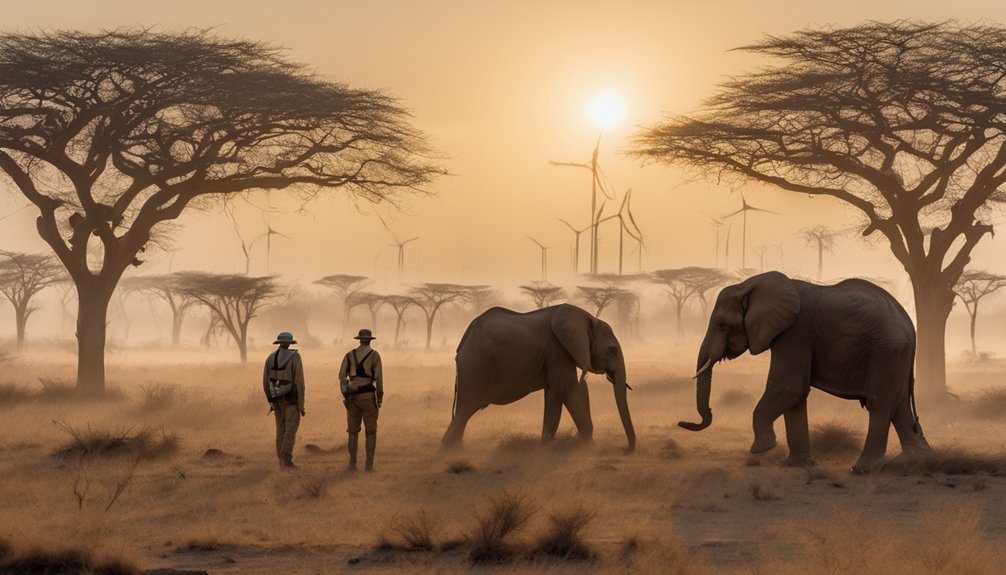
You’re seeing wildlife conservation shift from static reserves to adaptive systems that track climate, habitat change, and species movement in near real time. As warming alters ranges and fragments ecosystems, you’ll need strategies that strengthen connectivity, use remote sensing and AI for monitoring, and include local and Indigenous knowledge in restoration. The next challenge is whether policy and funding can keep pace with ecological change.
Key Takeaways
- Conservation will shift from fixed preserves to climate-smart networks of resilient habitats, corridors, and refuges.
- Technology like satellites, drones, AI, and smart collars will improve wildlife monitoring and threat detection.
- Community-led restoration and indigenous knowledge will play a larger role in rebuilding damaged ecosystems.
- Conservation will increasingly address human-wildlife conflict by balancing species protection with local livelihoods.
- Stronger policies and diverse funding models will be essential for long-term conservation success.
What Is Changing in Wildlife Conservation?
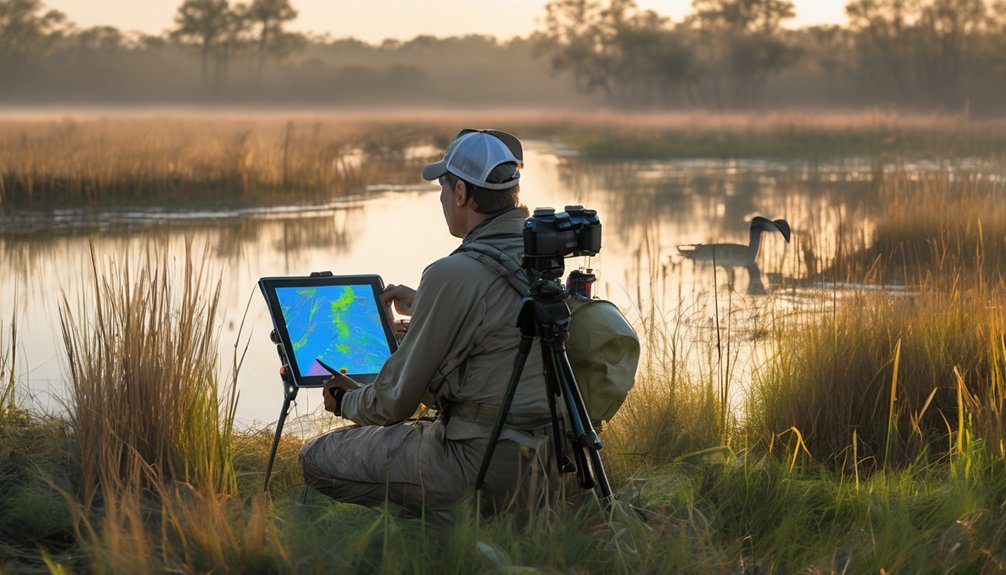
Wildlife conservation is changing because the pressures on species and ecosystems are changing too. You now see habitat fragmentation breaking populations into smaller, less resilient patches, while species migration reshapes where protection matters most.
In biodiversity hotspots, you must weigh human wildlife conflict alongside local livelihoods, so conservation psychology helps you understand how people respond to change. Ecological restoration now complements strict protection, because damaged habitats can recover function when you act early.
In biodiversity hotspots, conservation must balance wildlife conflict, local livelihoods, and the promise of ecological restoration.
Legal frameworks are also shifting, asking you to coordinate across borders and land uses. At the same time, indigenous knowledge gives you grounded ecological insight, revealing species behavior, seasonal patterns, and stewardship practices that science alone can miss.
Together, these changes make conservation more adaptive, social, and precise.

How Climate Change Is Shaping Priorities
As climate change intensifies, you must shift conservation priorities from fixed preserves toward dynamic, climate-smart strategies that track changing temperature, rainfall, fire regimes, and sea levels.
You’re seeing ecological shifts redraw species ranges, compress breeding windows, and alter migratory patterns, so protection now has to follow the process, not just the place.
Your focus should favor habitat resilience, corridor connectivity, and refugia that support species adaptation under rapid climate impacts.
When you protect intact wetlands, forests, and reefs, you also safeguard ecosystem services such as water filtration, carbon storage, and coastal buffering.
Evidence shows that biodiversity loss accelerates where warming and drought interact, so you need to identify vulnerable communities early and act before thresholds pass.
In practice, conservation priorities now depend on anticipating change, not reacting after decline.
How Technology Is Protecting Wildlife
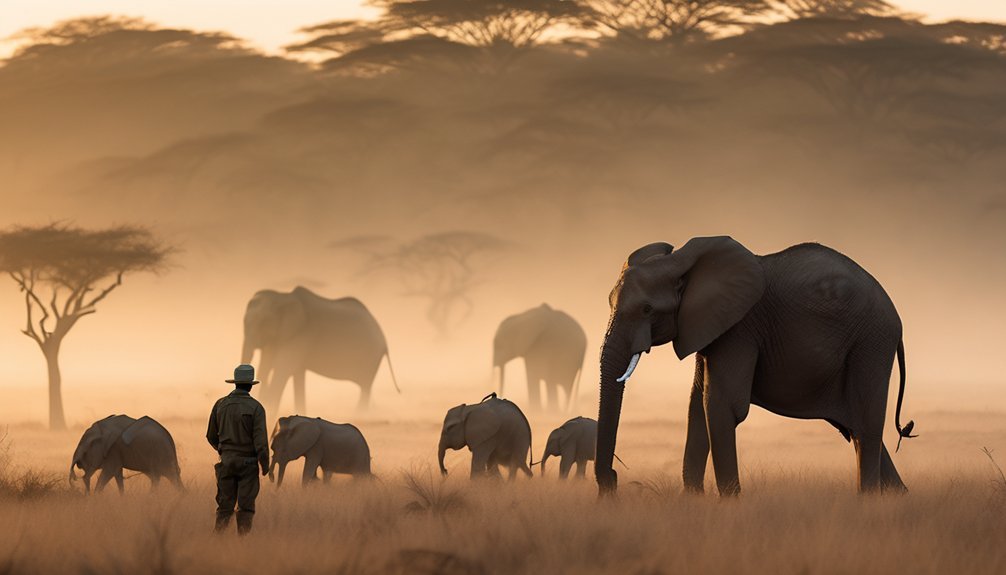
New tools are transforming how you monitor, protect, and recover wildlife, because sensors, satellites, drones, acoustic recorders, and AI now let you detect animals, poaching, habitat loss, and disease outbreaks faster and at finer scales than field surveys alone.
- Smart collars support wildlife tracking, revealing movement corridors and stress responses.
- Drone surveys and AI monitoring map nesting sites, canopy change, and illegal activity with high resolution.
- Conservation apps sync sightings into biodiversity databases, improving real-time decisions.
- Genetic research and virtual ecosystems help you test population resilience before action.
When you combine these tools, you sharpen ecological insight and reduce guesswork.
You also respond sooner, with less disturbance, because evidence flows continuously from the field to your screen.
How Communities Help Restore Habitats
Technology can show where habitats are degraded, but restoration happens on the ground, where local people remove invasive species, replant native vegetation, and rebuild wetlands, forests, and grasslands.
You help through community engagement that turns ecological data into action. When you join habitat restoration days, you support soil recovery, water retention, and pollinator return. Your local stewardship matters because repeated care lowers erosion and boosts native plant survival.
Conservation education gives you practical skills, from seed collection to monitoring survival rates, so your efforts stay evidence-based. Collaborative projects between neighbors, scientists, and landholders create connected refuges that wildlife can use.
Conservation education builds practical skills, so restoration efforts stay evidence-based and connected refuges can support wildlife.
When you respect indigenous practices, you strengthen knowledge systems shaped by long observation and place-based ecology. Together, you can restore functioning ecosystems and sustain them.

How Policy Protects Wildlife
When laws set limits on habitat loss, hunting, pollution, and wildlife trade, they reduce the pressures that drive species decline. You benefit when legislative frameworks turn ecological evidence into rules that preserve habitat, keep waterways cleaner, and curb illegal take. These measures help endangered species retain breeding sites, genetic diversity, and stable food webs.
- They protect critical corridors.
- They restrict harmful chemicals.
- They regulate harvest levels.
- They align conservation ethics with measurable outcomes.
You can see policy working when populations rebound after enforcement improves and land-use planning respects biodiversity. Strong law doesn’t replace stewardship; it sharpens it, giving ecosystems room to recover while you support science-based protection.
Funding Models That Can Scale Conservation
Policy can set the rules, but lasting conservation also depends on money that matches the scale of ecological loss. You need funding models that diversify risk and sustain fieldwork, monitoring, and habitat recovery.
Conservation grants still anchor early-stage science, yet they often end before populations rebound. You can extend impact through corporate partnerships when firms underwrite restoration, reduce supply-chain harm, and share transparent outcomes.
Crowdfunding initiatives let you mobilize local support quickly, especially for urgent rescues or community-led stewardship. Impact investing adds patient capital, tying returns to measurable ecological gains rather than short-term extraction.
When you blend these streams, you build resilience, stabilize programs, and protect biodiversity with the same rigor you’d expect in any evidence-based intervention.
What Wildlife Conservation Will Look Like Next
As conservation enters a more volatile climate and a more connected economy, you’ll see the field shift from isolated species protection toward adaptive, data-driven management of whole ecosystems.
You’ll track change through:
- wildlife corridors that sustain gene flow
- habitat preservation in biodiversity hotspots
- ecosystem connectivity that improves species resilience
- conservation education and public engagement that build trust
You’ll also face sharper ethical considerations as managers balance human needs with ecological limits.
Next-gen programs will pair satellite monitoring, environmental DNA, and local knowledge to guide intervention.
You’ll help protect landscapes that absorb disturbance, recover faster, and support complex food webs.
In practice, conservation won’t just save animals; it’ll maintain processes, anticipate thresholds, and keep your shared living systems functional.
Frequently Asked Questions
How Do Conservation Careers Change With New Technologies?
You’ll use data analysis, drone technology, citizen science, and virtual reality to monitor habitats, track species, and train communities. These tools make your conservation work more precise, collaborative, and ecologically effective.
What Skills Will Future Conservationists Need Most?
You’ll need ecological modeling, data analysis, community engagement, and policy advocacy most. You’ll interpret evidence, predict ecosystem change, build trust with local people, and influence decisions that protect biodiversity under shifting environmental pressures.
How Can Wildlife Conservation Support Human Health?
You support human health by protecting wildlife, because ecosystems aren’t just pretty postcards—they’re life-support systems. Healthy biodiversity delivers ecosystem services like clean water, pollination, and disease buffering, and you’ll gain measurable biodiversity benefits.
Which Species Are Hardest to Protect Long-Term?
You’ll find endangered species with small ranges, slow reproduction, and specialized habitats hardest to protect long-term, especially under habitat fragmentation, climate resilience loss, and poaching threats; you’ll need targeted monitoring, connectivity, and adaptive management.
How Do Conservation Efforts Address Urban Expansion?
You address urban expansion by protecting urban biodiversity and linking green spaces with habitat corridors. You’ll reduce fragmentation, sustain gene flow, and support species persistence through evidence-based planning, restoration, and wildlife-sensitive infrastructure.
Conclusion
You can see wildlife conservation changing fast as climate shifts, habitats fragment, and species move. Isn’t it urgent that you support approaches that combine ecological science, AI monitoring, community stewardship, and indigenous knowledge? Evidence shows resilient habitats and connected landscapes improve survival, while adaptive policy and diversified funding strengthen long-term outcomes. If you act now, you help build conservation systems that are smarter, fairer, and better prepared for an uncertain future.