
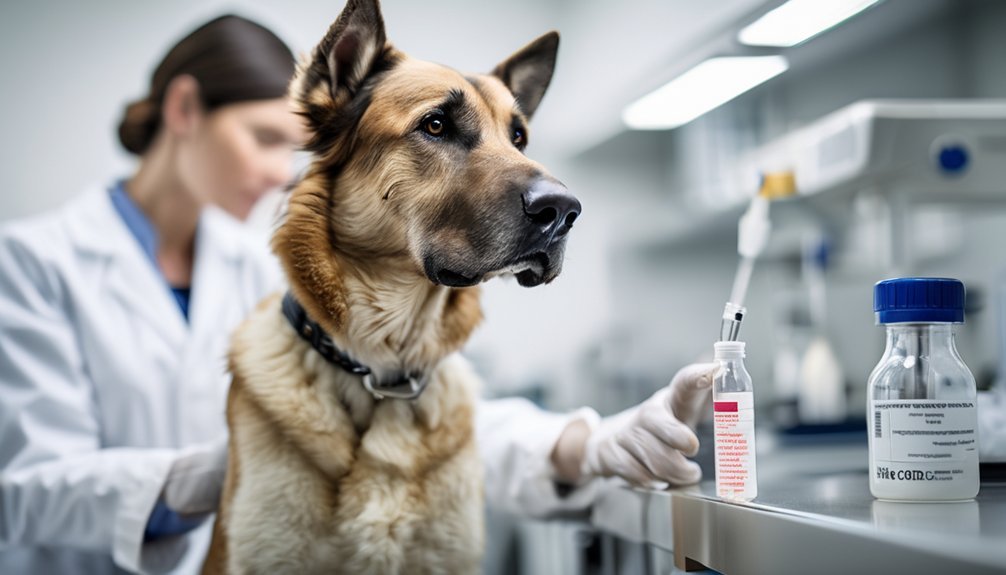
You may not realize it, but some animals can detect disease before symptoms appear. Dogs, rats, and even honeybees can pick up scent changes linked to cancer, tuberculosis, and other illnesses with striking accuracy. Their senses can support early screening when standard tests fall short, especially in low-resource settings. The question is how far this ability can go, and where its limits begin.
Key Takeaways
- Dogs can detect cancer-related odors in breath, urine, sweat, or tissue samples before many human symptoms appear.
- Rats are trained to identify tuberculosis compounds in sputum, helping detect infection early in low-resource settings.
- Honeybees can learn illness-related scents and signal disease markers through trained proboscis-extension responses.
- Animals often notice tiny odor and behavior changes humans miss, making them useful early screening tools.
- These animals aid diagnosis but do not replace confirmatory medical testing or professional evaluation.
How Animals Detect Disease
Animals detect disease by using highly sensitive senses to notice chemical, behavioral, or physiological changes that often occur before symptoms are obvious to people. You may not see these shifts, but they can register them quickly through smell, hearing, vision, and touch.
Their olfactory sensitivity lets them pick up altered body odors from inflammation, infection, or metabolic change. Some species also notice subtle posture shifts, reduced movement, or breathing changes. This creates an evolutionary advantage, because early detection can guide feeding, avoidance, or social response.
When you watch an animal closely, you’re seeing a system tuned to tiny signals you might miss. That precision can feel intimate, especially when it reminds you how closely health and vulnerability are linked.

Dogs That Sniff Out Cancer
Dogs have shown an unusual ability to detect cancer by scent, sometimes identifying disease-related odors in breath, urine, sweat, or tissue samples.
Dogs can detect cancer by scent, sometimes identifying disease-related odors in breath, urine, sweat, or tissue samples.
You can think of this as remarkable cancer detection rooted in canine capabilities that far exceed casual observation. When trained well, a dog may recognize subtle chemical shifts linked to tumor activity, and handlers can guide that response into a useful screening tool.
You still need medical testing for confirmation, but these scent tests can support earlier evaluation and reduce uncertainty. If you’re facing anxiety about symptoms, this approach may feel reassuring because it adds another careful layer of attention.
The dog doesn’t replace your clinician; it helps you move toward answers sooner, with precision, dignity, and hope.
Rats That Spot Tuberculosis

Rats have also been trained to detect tuberculosis by scent, identifying disease-related compounds in sputum samples with remarkable consistency. You can think of them as rapid screening partners in clinics where laboratory capacity is limited.
Their rat behavior is calm, focused, and repeatable, which helps trained handlers trust their responses. When a sample contains tuberculosis, the rat pauses, sniffs longer, or signals a positive result, while negative samples pass quickly.
That matters because you may not show clear tuberculosis symptoms early, yet infection can still spread. By catching cases sooner, these animals support timely treatment and reduce transmission.
They don’t replace medical testing, but they add a precise layer of help when you need it most, especially in communities with high burden and few diagnostic tools.
Honeybees That Detect Disease
Honeybees can detect disease by learning to recognize specific odors linked to illness, and researchers have trained them to extend their proboscis when they smell those markers. You can think of this as precise bee behavior shaped by reward and repetition. Their scent receptors respond to volatile compounds that change with infection, giving them a sensitive biological edge.
- You get rapid odor recognition without invasive sampling.
- You can measure trained responses in minutes.
- You benefit from a low-cost, lab-based screen.
- You see how small brains still show remarkable accuracy.
When you understand honeybee detection, you gain a quieter, humane view of diagnosis. Their close, chemical sensing can support early warning work, and it reminds you that biology often notices trouble before symptoms do.
Other Animals That Detect Disease
Beyond honeybees, several other animals can pick up disease-linked cues with surprising accuracy. You may notice dogs, for example, responding to subtle changes in breath, sweat, or skin that can signal illness. Their sensitivity can support early screening in clinical settings.
Cats also show promise in cat disease detection, often reacting to odor or behavior changes that humans miss. In larger species, elephant health monitoring uses keen social and olfactory awareness to track distress and bodily change within herds.
These abilities don’t replace medical tests, but they can alert you sooner, especially when symptoms feel vague or easy to dismiss. If you live with animals, you’re already sharing space with biologic sensors that may reveal concern before you can name it.
How Animals Are Trained to Detect Disease
To teach animals to detect disease, trainers pair a target scent with reward-based learning until the animal reliably identifies a specific biological signature.

You guide sessions with short, consistent training techniques that respect the animal’s instincts and reduce fatigue. Calm handling, clear cues, and immediate rewards help the animal connect the scent with success.
Short, consistent sessions with calm cues and immediate rewards help animals connect scent detection with success.
- You reinforce correct alerts with praise or treats.
- You vary sample presentation to build steadiness.
- You monitor stress, appetite, and focus closely.
- You stop before the animal loses precision.
This approach stays humane and exact. You’re not forcing performance; you’re shaping a natural ability into a dependable clinical skill.
With repetition, the animal learns to signal only when the scent profile matches, giving you a careful, intimate partnership built on trust and observation.
Why Animals Can Beat Early Tests
Because animals often detect volatile compounds that appear before symptoms are visible, they can sometimes flag disease earlier than standard screening.
You benefit from their scent sensitivity, which can pick up tiny biochemical shifts your tests may miss at first. Their noses sample air continuously, and their brains process odor patterns with remarkable speed, giving them an evolutionary advantage for early recognition.
In practice, that means a trained animal may notice changes linked to infection, cancer, or metabolic stress before you feel unwell or see a lab result. This early signal can guide you toward faster medical follow-up, when intervention is often simpler and gentler.
Their response doesn’t replace care; it adds another careful layer of detection, shaped by biology and training.
Limits of Disease-Detecting Animals
Even highly trained animals have clear limits, and you should treat their alerts as a screening signal, not a diagnosis. Their accuracy limitations vary with training, scent concentration, handler skill, and the environment around you.
False alarms can unsettle you, while missed detections can delay care, so you need confirmatory testing.
- Wind, noise, and crowded spaces can blur cues
- A tired animal may perform less reliably
- Different diseases can share similar odor patterns
- Ethical considerations include welfare, rest, and consent
You deserve honesty about what these animals can and can’t do. They may support your care team, but they shouldn’t replace lab tests, imaging, or clinical judgment.
Use them as one sensitive layer of information, not the final word.
Frequently Asked Questions
Can Disease-Detecting Animals Replace Medical Tests Entirely?
No, you can’t rely on them alone; they’re promising screening tools, not complete replacements. You’ll still need validated medical tests, careful animal training, and attention to ethical implications to protect accuracy, consent, and your wellbeing.
Which Diseases Are Hardest for Animals to Detect?
You’ll find subtle illnesses hardest to sniff out—think early cancers, genetic factors-driven disorders, and conditions shaped by environmental influences. Their quiet clues can slip past animal detection, so you’ll still need clinical testing.
How Accurate Are Animals Compared With Lab Screening?
You’d find animals can sometimes approach lab screening on sensitivity comparison, but they’re less specific and have detection limitations. You shouldn’t rely on them alone; they can support, not replace, clinical testing when you need reassurance.
Do Disease-Sniffing Animals Need Regular Retraining?
Yes, you do need regular retraining; retraining frequency depends on task drift, rewards, and performance checks. You should use consistent training methods, reinforce alerts, and correct errors gently to keep detection reliable and compassionate.
Can Pets Naturally Sense Illness in Their Owners?
Yes, your pet can sometimes sense illness in you. Through scent detection and emotional response, they may notice subtle changes before you do. Like a quiet alarm, their attentive behavior can signal something’s off.
Conclusion
You can see how animals add a powerful layer to early diagnosis: dogs can sniff cancer, rats can spot tuberculosis, and honeybees can detect illness-related odors. You can use their sensitivity to support screening, you can pair their findings with lab tests, and you can improve care in resource-limited settings. They’re not replacements for medical testing, but they can help you catch disease sooner, act faster, and protect health with greater precision.