
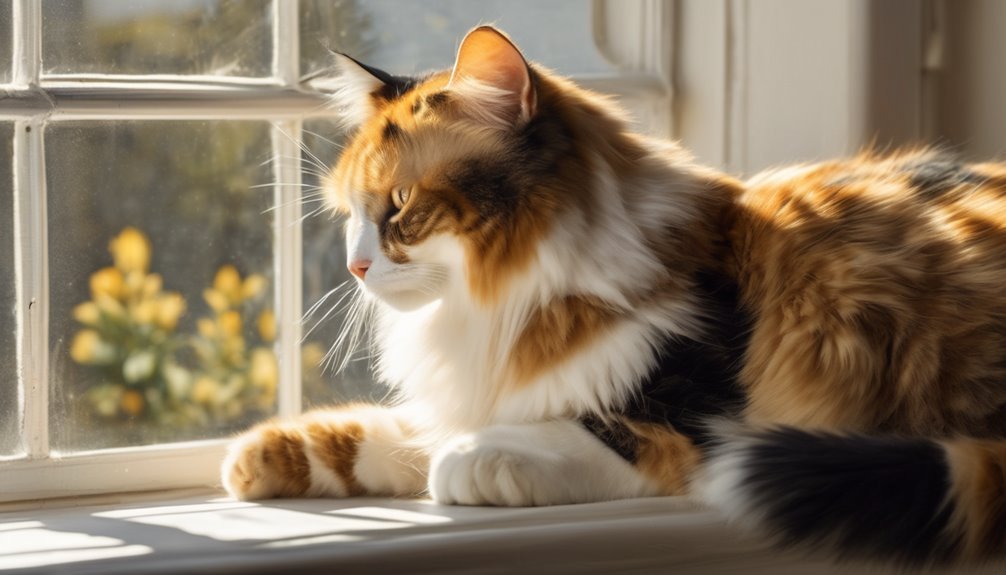
Did you know that nearly 50% of cat owners struggle with grooming their pets? It’s no surprise, considering many cats can be sensitive or anxious during the process. To brush your cat without getting scratched, you’ll need to approach grooming with patience and understanding. By recognizing your cat’s unique needs and responses, you can turn what often feels like a battle into a more harmonious experience. Let’s explore how to make grooming a positive routine for both you and your cat.
Key Takeaways
- Create a calm grooming environment to reduce anxiety and foster trust between you and your cat.
- Choose the appropriate brush type based on your cat’s coat length and texture for effective grooming.
- Familiarize your cat with grooming tools gradually to build comfort and avoid resistance during sessions.
- Watch for signs of discomfort, like hissing or twitching, and adjust your approach accordingly.
- Use treats and positive reinforcement to reward good behavior, making grooming a pleasant experience.
Understanding Your Cat’s Grooming Needs

How do you know what your cat really needs when it comes to grooming? Understanding feline behavior is key.
Cats have different grooming needs based on their breed, age, and coat type. For instance, long-haired breeds require more frequent brushing to prevent mats, while short-haired cats might need less.
Pay attention to your cat’s reactions; if they squirm or hiss, they may be uncomfortable with the grooming tools you’re using. Look for signs of stress, like twitching tails or flattened ears.

Create a calm environment, and choose tools that suit your cat’s coat. Building trust during grooming not only helps keep your cat looking their best but also strengthens your bond, making it a comforting experience for both of you.
Choosing the Right Brush for Your Cat
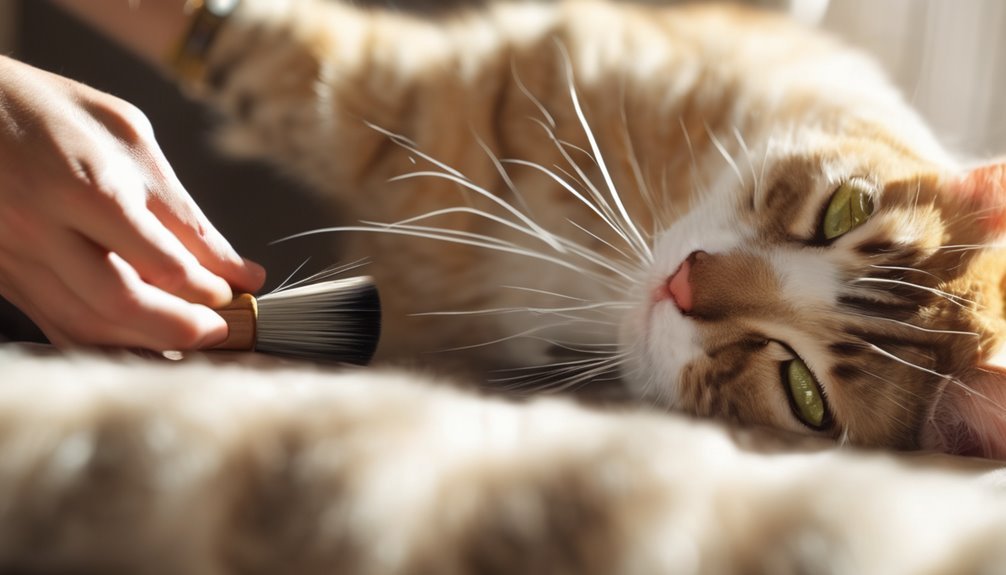
Selecting the right brush for your cat can make all the difference in their grooming experience. With various brush types available, it’s essential to consider your cat’s unique fur.
Choosing the perfect brush for your cat enhances their grooming experience and caters to their unique fur type.
For short-haired cats, a bristle brush or grooming glove works wonders, removing loose hairs while providing a soothing massage. If your feline has long fur, opt for a slicker brush or a comb designed to detangle and prevent mats.
Each stroke should feel gentle and rewarding for your pet, creating a bond during grooming. Always observe your cat’s reaction; if they seem uncomfortable, it might be time to switch brushes.
Choosing the right tool not only keeps their fur healthy but also deepens your connection. Happy grooming!
How to Prepare Your Cat for Grooming
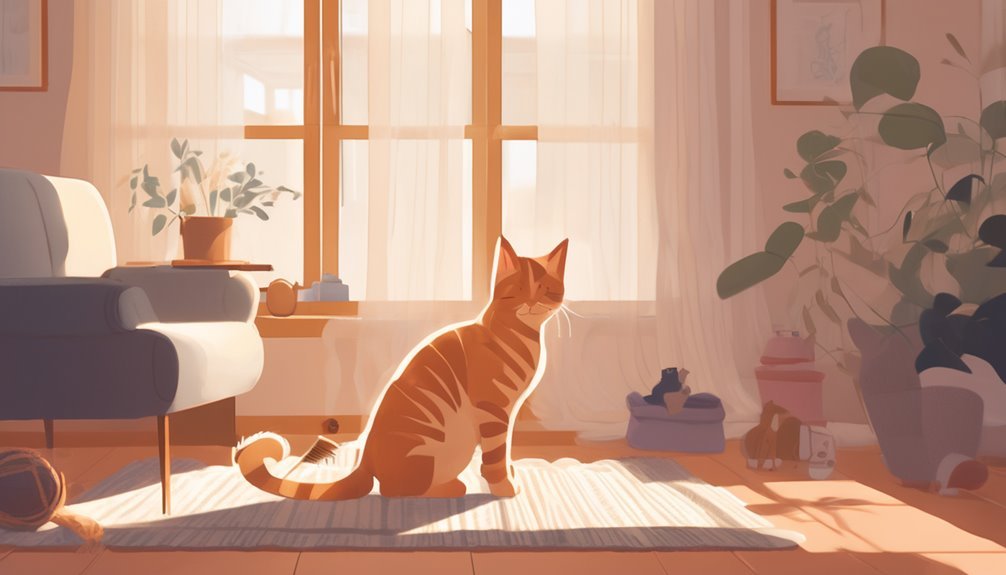
Preparing your cat for grooming can make the experience smoother and more enjoyable for both of you. Start by creating a calming environment, free from distractions. Use your grooming tools to familiarize your cat with their presence; let them sniff the brush and comb.
| Step | Action | Purpose |
|---|---|---|
| Choose a Spot | Find a quiet area | Reduces anxiety |
| Introduce Tools | Let them sniff tools | Builds familiarity |
| Short Sessions | Keep it brief | Prevents overwhelm |
| Reward | Offer treats | Reinforces positive behavior |
Pay attention to your cat’s behavior; any signs of tension mean you might need to slow down. With patience and love, grooming can become a bonding experience.
Recognizing Signs of Discomfort in Your Cat
While grooming can be a bonding experience, it’s crucial to recognize signs of discomfort in your cat to ensure their well-being.
Being attentive to their body language cues and vocalization signals can make all the difference. When your cat feels uneasy, you’ll notice subtle changes.
- Ears pulled back or flicking
- Tail twitching or puffing up
- Whiskers pulled back
- Low growls or hisses
- Sudden attempts to escape
Effective Techniques to Soothe an Anxious Cat During Grooming
To help soothe an anxious cat during grooming, understanding their unique preferences and environment is essential. Creating a calm environment can make all the difference. Start by choosing a quiet space and using soft lighting. Use positive reinforcement, like treats or gentle praises, to associate grooming with pleasant experiences.
| Technique | Description |
|---|---|
| Soft Music | Play calming music to reduce stress. |
| Breaks | Take breaks frequently to ease tension. |
| Gentle Touch | Use a soft brush and slow movements. |
| Treats | Reward them with treats during grooming. |
Each of these techniques can help your cat feel more at ease, turning grooming into a bonding experience rather than a chore.
Proper Handling Techniques to Avoid Scratches
Creating a calm environment not only soothes an anxious cat but also sets the stage for safe handling during grooming. When you approach your cat with a gentle touch, you build trust and minimize the risk of scratches.
Creating a tranquil space fosters trust and safety, ensuring a smoother grooming experience for both you and your cat.
Here are some techniques to keep in mind:

- Use soft, soothing voices: Speak gently to reassure your cat.
- Support their body: Cradle them securely without squeezing.
- Limit distractions: Turn off loud noises and close doors to create a peaceful space.
- Watch for body language: Pay attention to their signals, like twitching tails or flattened ears.
- Take breaks: If your cat seems stressed, pause the grooming session to let them relax.
These strategies foster a positive grooming experience for both of you.
Choosing the Best Grooming Location for Your Cat
Finding the right grooming location can make all the difference for your cat’s comfort and cooperation. Choose a quiet, familiar space where your cat feels safe, like a cozy corner or their favorite room. This helps create a stress-free zone, allowing your feline friend to relax.
Here’s a quick guide to help you choose the best grooming environment:
| Location | Pros | Cons |
|---|---|---|
| Living Room | Familiar and spacious | Possible distractions |
| Bedroom | Quiet and cozy | Limited space |
| Bathroom | Easy cleanup | May feel confined |
| Outdoor (secure) | Fresh air, natural light | Potential escape routes |
Brushing Techniques for Cats of All Breeds
While brushing your cat might seem straightforward, understanding the right techniques for various breeds can enhance both the experience and your cat’s coat health.
Pay attention to your cat’s specific needs, as each breed has unique grooming requirements.
- Long-haired breeds need daily brushing to prevent mats.
- Short-haired cats often benefit from weekly sessions.
- Use a slicker brush for thick coats and a bristle brush for finer fur.
- Always brush in the direction of hair growth to keep your cat comfortable.
- Reward your cat with treats to create a positive association with grooming.
How to Make Grooming a Regular Habit
To ensure your cat enjoys grooming as part of their routine, consistency is key. Start by establishing a grooming schedule that fits into both your lives—perhaps a few minutes every week.
Choose a calm time when your cat feels relaxed, like after a nap. Use positive reinforcement, like gentle praise or treats, to create a positive association with grooming. Over time, your cat will learn to anticipate these moments as enjoyable rather than stressful.
Keep sessions short and gradually increase their length as your cat becomes more comfortable. Remember, patience is essential; building this habit together strengthens your bond and makes grooming a cherished part of your routine.
What to Do When Your Cat Resists Grooming?
When your cat resists grooming, it can be frustrating, but understanding their behavior is crucial. Cats often have resistance reasons that stem from fear, discomfort, or past experiences.
Try these strategies to ease the process:
Implementing gentle strategies can make grooming a more positive experience for your cat.
- Create a calm environment: Reduce noise and distractions to help your cat feel secure.
- Start slow: Introduce the brush gradually, allowing them to sniff it first.
- Use treats: Reward them with treats during grooming to create positive associations.
- Watch for signs: Pay attention to their body language; if they’re tense, give them a break.
- Be patient: Building trust takes time; don’t rush the process.
Frequently Asked Questions
Can I Use Human Brushes on My Cat?
You can use human brushes, but they aren’t ideal for cat grooming. Different cat brush types cater to specific fur needs, so using proper grooming techniques ensures your cat feels comfortable and looks great.
How Often Should I Groom My Cat?
You should groom your cat regularly, ideally weekly for short-haired breeds and daily for long-haired ones. Pay attention to your cat’s coat type; consistent grooming helps prevent mats and keeps them feeling loved and comfortable.
What if My Cat Has Mats or Tangles?
If your cat’s fur looks like a tangled masterpiece, gently use specialized grooming tools to ease out matted fur. Patience is key; your care will strengthen your bond and keep your feline friend comfortable.
Are There Any Grooming Alternatives for Cats?
You can try grooming gloves or rubber brushes, which often soothe your cat and minimize scratches. Observe your cat’s behavior; they might prefer gentle strokes over traditional tools, creating a more intimate grooming experience for both of you.
How Can I Tell if My Cat Enjoys Grooming?
You’ll know your cat enjoys grooming by observing its body language—relaxed posture, purring sounds, and a high, gently swaying tail. Use gentle grooming tools to enhance the experience, fostering a deeper bond between you both.
Conclusion
Brushing your cat doesn’t have to feel like wrestling a lion! By understanding their needs and using gentle techniques, you can transform grooming into a bonding experience. Remember, patience is key—take your time and let them set the pace. With consistent practice, your cat will come to see grooming as a treat rather than a chore. Soon enough, you’ll both look forward to those cozy, fur-filled sessions that strengthen your special connection.