Is it true that only experienced owners can handle the complexities of exotic pets? Many believe that species like parrots, sugar gliders, and chinchillas are better suited for those with a solid background in animal care. These unique creatures require specialized attention and understanding. If you’re considering expanding your pet family, you’ll want to know more about their specific needs and the rewarding experiences they can bring to your life.
Key Takeaways
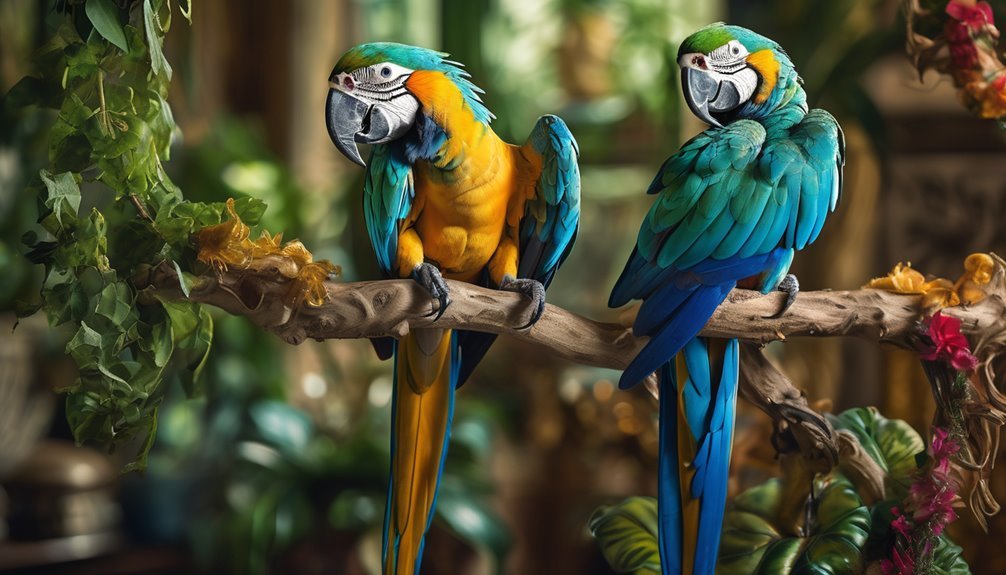
- Parrots: Highly social and intelligent, requiring daily interaction, toys, and puzzles for mental stimulation and enrichment.
- Sugar Gliders: These nocturnal animals thrive in pairs and need climbing structures and bonding time for proper care.
- Chinchillas: Ideal for experienced owners, they require dust baths, social interaction, and a cool, dry environment to thrive.
- Hedgehogs: Low social handling needs make them suitable for experienced owners who can provide tunnels and environmental enrichment.
- Turtles: Require specialized habitats and diets, making them suitable for knowledgeable owners who can meet their unique needs.
Essential Care Guidelines for Exotic Pets
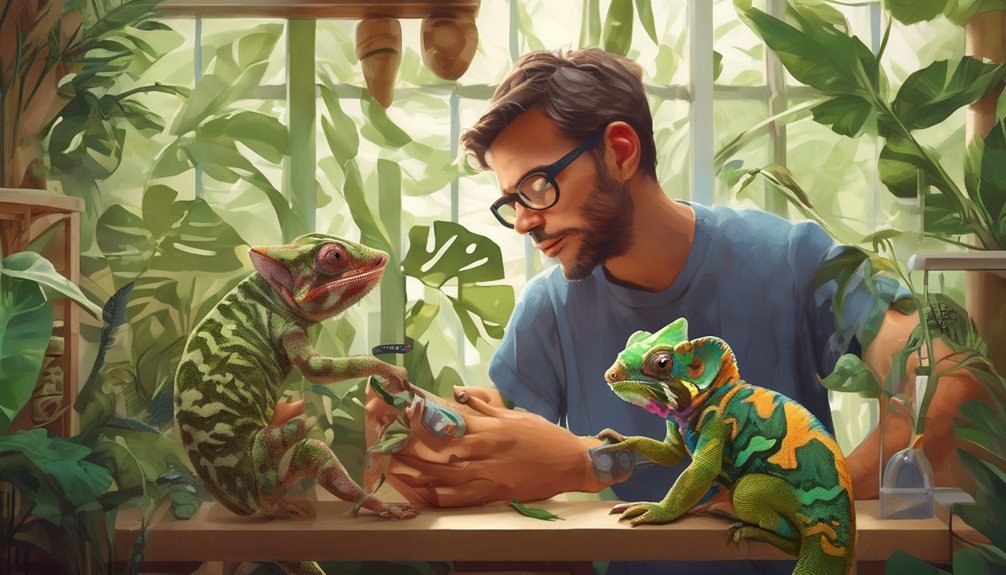
When welcoming an exotic pet into your home, it’s crucial to understand the unique care requirements that come with them.
First, pay attention to their dietary needs—these can vary significantly from traditional pets. Research the specific foods that will keep your exotic pet healthy and vibrant.

Next, consider their social interactions; many exotic pets thrive on companionship, whether from humans or other animals. Create an environment that encourages play and communication.
You’ll also need to establish a proper habitat that mimics their natural surroundings, providing adequate space, temperature, and humidity.
Regular vet check-ups are essential for monitoring health and well-being.
Understanding the Unique Behaviors of Popular Exotic Pets
Understanding the unique behaviors of popular exotic pets is essential for creating a harmonious home environment. Each species has distinct needs, especially regarding social interactions and behavioral enrichment. Here’s a quick guide to help you understand these pets better:
| Species | Behavioral Enrichment Needs | Social Interaction Preferences |
|---|---|---|
| Parrots | Toys, puzzles, foraging | Daily interaction, talking |
| Hedgehogs | Tunnels, hiding spots | Limited; enjoy gentle handling |
| Sugar Gliders | Climbing structures | Bonding in pairs, gentle play |
| Chinchillas | Dust baths, running wheels | Group socializing preferred |
How to Create a Safe Habitat for Exotic Pets
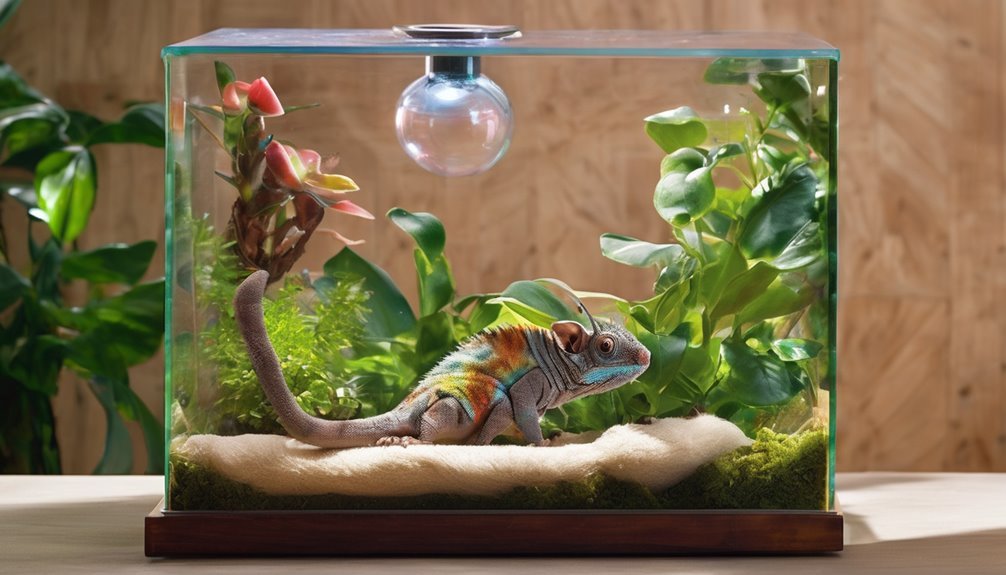
Creating a safe habitat for exotic pets is crucial to their well-being and happiness. Start by ensuring proper temperature regulation; different species have specific needs, so invest in thermostats and heat lamps to mimic their natural environments.
Next, focus on habitat enrichment—this keeps your pet mentally stimulated. Incorporate climbing structures, hiding spots, and toys to encourage natural behaviors. Use appropriate substrates to allow for digging or burrowing, depending on the species.
Additionally, ensure that the habitat is secure, preventing any escapes or intrusions. Regularly clean the space to maintain hygiene and monitor for any signs of stress.

Common Health Issues to Watch for With Exotic Pets
While exotic pets can bring joy and companionship, they often face unique health challenges that you need to be aware of. Understanding these issues will help you provide better care for your pet.
Here are three common health concerns:
- Dietary Needs: Many exotic pets have specific dietary requirements. A poor diet can lead to obesity, malnutrition, or metabolic disorders.
- Respiratory Issues: Small mammals and birds are particularly susceptible to respiratory problems. Watch for coughing, sneezing, or difficulty breathing.
- Behavioral Signs: Changes in behavior, such as lethargy or aggression, can indicate underlying health issues. Pay attention to any unusual habits.
The Rewards and Challenges of Caring for Exotic Pets
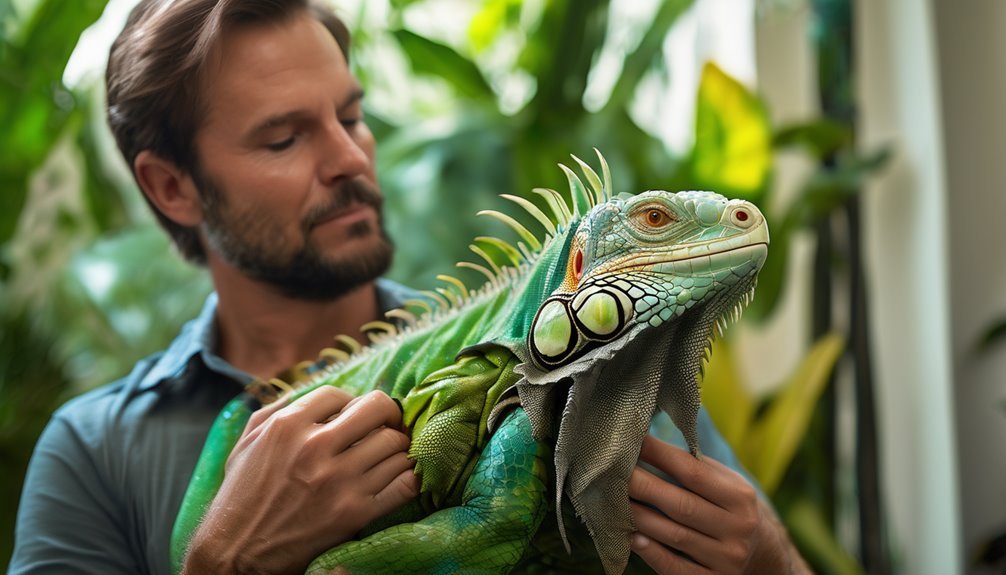
Caring for exotic pets offers a unique blend of rewards and challenges that can be both fulfilling and demanding. You’ll experience deep connections as you learn about their distinct behaviors and exotic pet psychology. Understanding these creatures can lead to rewarding interactions, but it also requires patience and commitment.
Advanced training techniques play a crucial role in ensuring your pet thrives; however, mastering these methods can be time-consuming and complex. You might face unexpected challenges, such as specific dietary needs or environmental requirements, which can be daunting.
Balancing these factors means dedicating yourself to ongoing research and adaptation. Ultimately, the joy of nurturing a unique companion often outweighs the difficulties, creating a truly enriching experience.
Top 5 Exotic Pets for Experienced Owners: A Comprehensive Guide
For experienced pet owners seeking something beyond the ordinary, selecting the right exotic pet can be an exhilarating journey.
However, it’s crucial to consider both the care requirements and legal considerations that come with uncommon species.
Considering the care and legal requirements of exotic pets is essential for a successful and fulfilling ownership experience.
Here are three top exotic pets for you to consider:
- Savannah Cat: This hybrid breed combines the wild look of a serval with the domesticity of a cat, requiring plenty of space and stimulation.
- Green Tree Python: Known for their vibrant colors, these snakes need specific humidity and temperature conditions, making them ideal for seasoned herpetologists.
- Fennec Fox: With their playful nature and unique appearance, fennec foxes demand a lot of attention and a secure environment.
Choosing wisely ensures a rewarding experience with your exotic companion!
Conclusion
Caring for exotic pets isn’t just about the challenges; it’s also about the incredible bonds you’ll build. While it may seem daunting to meet their specialized needs, the joy and companionship these animals provide far outweigh the effort. By investing time and effort into their care, you can create a thriving environment that benefits both you and your pet. So, embrace the adventure—these unique companions are worth every moment!