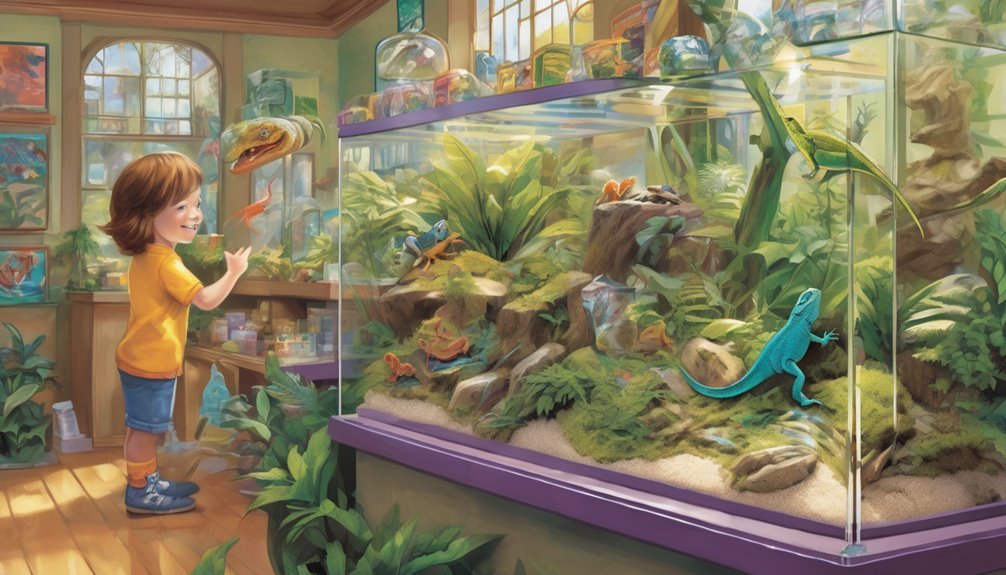

When you consider the right pet for your child, think about how it can teach them responsibility. Pets can be wonderful teachers, offering lessons in care, empathy, and commitment. Starting with low-maintenance options can make the experience manageable and rewarding. As your child matures, you might explore more demanding pets that require regular exercise and training. Each choice shapes their understanding of responsibility in unique ways. What might be the best fit for your family?
Key Takeaways
- Low-maintenance pets like guinea pigs and fish are ideal for younger kids to learn basic care without overwhelming responsibility.
- Active pets, such as dogs, teach older kids about commitment through regular exercise and training routines.
- Engaging with pets fosters empathy by helping kids recognize and respond to animal emotions and needs.
- Routine tasks associated with pet care build accountability and time management skills in children.
- Choosing the right pet based on a child’s age and maturity ensures a successful learning experience in responsibility.
Why Pets Teach Responsibility to Kids

When you bring a pet into your home, you’re not just adding a furry friend; you’re giving your child a chance to learn vital life skills. Engaging in pet care teaches responsibility lessons that extend beyond just feeding and grooming.
Your child will tackle routine tasks, like walking the dog or cleaning the litter box, which fosters a sense of accountability. By observing animal behavior, they develop empathy and understanding of other living beings.
Plus, managing a pet requires time management, helping your child prioritize their daily activities. These nurturing skills are invaluable, preparing them for future responsibilities in life.

Ultimately, having a pet cultivates a sense of commitment that enriches your child’s character.
Top 5 Low-Maintenance Pets for Busy Families
If your family’s schedule is packed, finding a pet that fits seamlessly into your lifestyle can be challenging. Fortunately, there are low-maintenance options that still offer companionship.
Consider guinea pigs; they’re social and love interaction but require minimal grooming.
Guinea pigs are sociable companions that thrive on interaction while needing very little grooming.
Fish tanks can be mesmerizing and are easy to care for with proper setup.
Hermit crabs are fascinating and only need a simple habitat and occasional feeding.
Small reptiles, like leopard geckos, are also low-maintenance and require minimal handling.
Finally, rabbits can be a great choice; they’re relatively easy to care for and enjoy some social time.
These pets can help your kids learn responsibility without overwhelming your busy family life.
Choosing the Right Pet Based on Age and Maturity

Choosing a pet that matches your child’s age and maturity level can make all the difference in ensuring a harmonious and rewarding experience for both your family and the animal.
For younger kids, consider low-maintenance pets like fish or hamsters, as they require less hands-on care. As your child grows, they may be ready for pets that need more responsibility, such as dogs or cats.
Think about maturity factors, too—some kids may be ready for a more active role in pet care sooner than others. Always assess your child’s ability to understand and follow through on tasks like feeding, cleaning, and exercising to ensure a successful pet ownership experience.

Active Pets That Teach Responsibility
For families ready to embrace a more active pet, options like dogs or rabbits can provide not just companionship but also valuable lessons in responsibility.
Active breeds, such as Labrador Retrievers or Beagles, require regular exercise and mental stimulation. This means your kids will learn the importance of daily walks, playtime, and proper training.
Engaging in pet training sessions can be a fun bonding activity, teaching your children patience and consistency.
Additionally, caring for an active pet encourages a routine, helping kids understand the commitment involved in pet ownership.
How Caring for Pets Builds Empathy in Kids

Caring for pets nurtures empathy in kids by allowing them to experience the emotional needs of another living being. When kids feed, groom, and play with their pets, they develop a strong emotional connection that fosters understanding and compassion.
They learn to recognize when a pet is happy or distressed, enhancing their nurturing skills. This ongoing responsibility teaches them to consider others’ feelings, making them more attuned to the emotions of friends and family as well.
As they care for their pets, kids gain a sense of accomplishment and pride, further boosting their emotional intelligence. Ultimately, this experience not only shapes their character but also equips them with the essential skills needed to navigate relationships throughout life.
Getting Kids Excited About Pet Care
Kids often feel a deep connection with their pets, and that bond can spark excitement about taking care of them.
To nurture this enthusiasm, you can incorporate fun and engaging activities into their pet care routines. Here are three ideas to get started:
- Create a Care Chart: Design a colorful chart tracking daily tasks like feeding, walking, or grooming. Kids love checking off completed tasks!
- Pet Playtime: Set aside specific times for play. This not only strengthens their bond but makes pet care feel like fun rather than a chore.
- Team Projects: Involve the whole family in pet care, fostering teamwork. Kids will feel proud to contribute and share responsibilities.
These activities help kids embrace their role in caring for their pets!
Additional Benefits of Responsible Pet Ownership
While the joy of having a pet is often highlighted, the benefits of responsible pet ownership extend far beyond companionship.
Taking care of a pet teaches kids valuable life skills. They’ll learn time management as they balance pet care with school and activities. This responsibility can boost their social skills, too, as they interact with other pet owners and share experiences.
Additionally, pets can provide significant health benefits, such as reducing stress and promoting physical activity through play.
Moreover, managing pet-related costs instills financial awareness, helping kids understand budgeting and expenses.
Conclusion
Involving your kids in pet care not only teaches responsibility but also nurtures empathy and commitment. As they learn to care for their furry or scaly friends, they’ll develop essential life skills that benefit them in countless ways. So, why not choose a pet that suits your family’s lifestyle and watch your children thrive? The joy of pet ownership can create lasting memories and invaluable lessons, making it a rewarding journey for both kids and parents alike.