
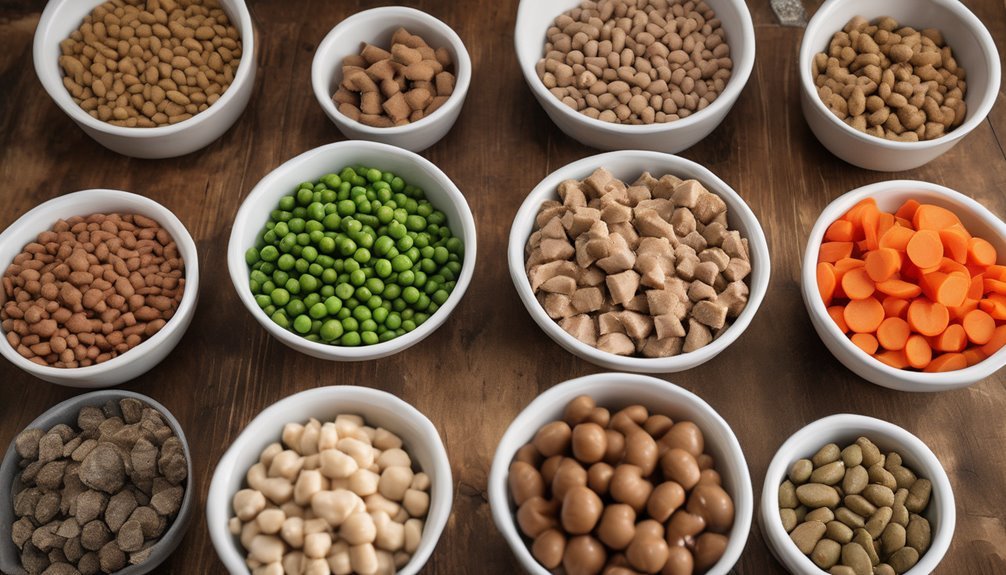
Did you know that over 50% of dogs aged seven and older experience some form of dietary-related health issue? As your dog ages, their nutritional needs shift significantly, requiring careful attention to what you feed them. A balanced diet can help maintain their vitality and manage common age-related concerns. Understanding these dietary requirements is crucial for ensuring your senior dog’s well-being and may lead you to consider various feeding options that best support their health.
Key Takeaways
- Provide high-quality protein to support muscle maintenance and overall health in senior dogs.
- Include fiber-rich foods like sweet potatoes and brown rice to aid digestion and prevent obesity.
- Incorporate healthy fats, such as omega-3 fatty acids, for joint health and cognitive function.
- Use antioxidants to promote vitality and support cognitive function in aging dogs.
- Consult with a veterinarian for personalized dietary recommendations tailored to your dog’s specific needs.
Understanding the Nutritional Needs of Senior Dogs
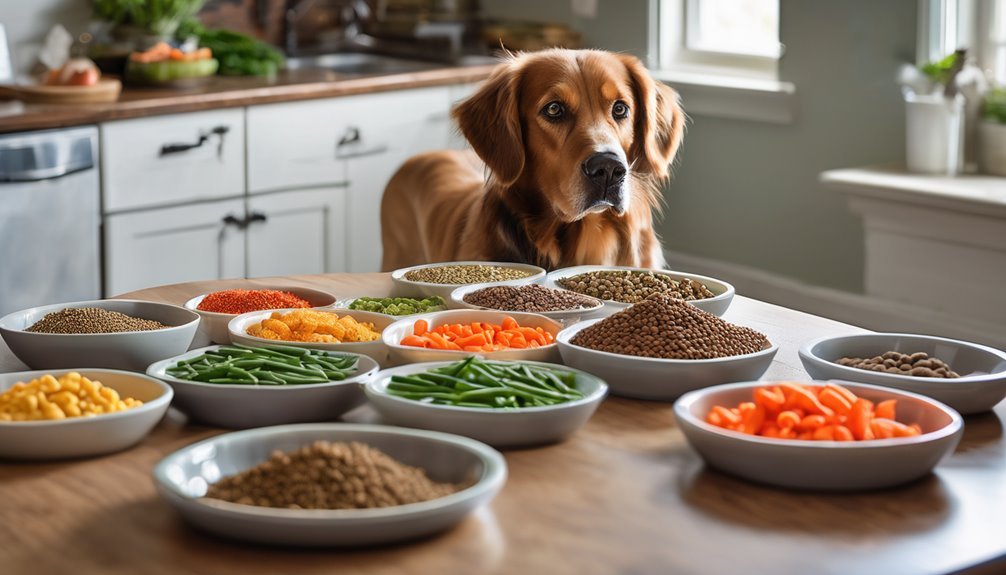
As your dog ages, their nutritional needs change significantly, requiring you to pay closer attention to their diet.
As dogs age, their dietary requirements shift, making it essential to closely monitor and adjust their nutrition for optimal health.
Age-related changes, such as decreased metabolism and muscle mass, can affect their overall health. You might notice they’re less active, which can lead to weight gain if their diet isn’t adjusted.
It’s crucial to adapt their feeding frequency, providing smaller, more frequent meals to aid digestion and maintain energy levels.

Additionally, focusing on high-quality ingredients that support joint health and maintain muscle is essential.
Always consult your vet to ensure you’re meeting your senior dog’s specific needs, as they can offer tailored advice based on your dog’s health status.
Essential Nutrients in Senior Dog Food for Optimal Health
To ensure your senior dog thrives, it’s vital to include essential nutrients in their diet that cater specifically to their age-related needs.
High-quality protein sources are crucial for maintaining muscle mass and overall health. Look for options like chicken, fish, and eggs, which provide the amino acids necessary for energy and tissue repair.
Additionally, incorporating fiber benefits can greatly aid digestion and prevent obesity, common issues in older dogs. Ingredients like sweet potatoes and brown rice can enhance gut health while keeping your dog feeling full.
Don’t forget healthy fats, like omega-3 fatty acids, which support joint health and cognitive function.
Dietary Solutions for Common Health Issues in Senior Dogs
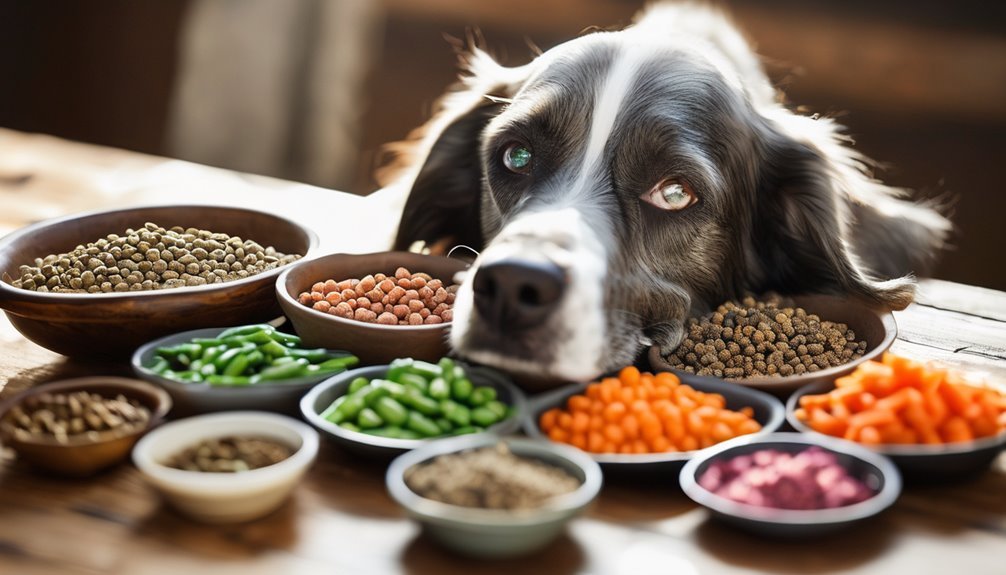
While focusing on a balanced diet is important, addressing specific health issues in senior dogs requires tailored dietary solutions.
For age-related concerns like arthritis, consider foods rich in omega-3 fatty acids, which can reduce inflammation and improve joint health.
If your dog has food allergies, opt for limited-ingredient diets that exclude common allergens, ensuring they still receive essential nutrients.
High-quality proteins are crucial for maintaining muscle mass, so choose options like lean chicken or fish.
High-quality proteins, like lean chicken or fish, are essential for preserving your senior dog’s muscle mass and overall health.
Additionally, incorporating antioxidants can support cognitive function and overall vitality.
Always consult your vet to tailor these dietary adjustments to your dog’s unique needs, ensuring they’re healthy and comfortable as they age.
Your attention to their dietary needs can make a significant difference in their quality of life.

Tips for Transitioning Your Senior Dog’s Diet
Transitioning your senior dog’s diet can be a delicate process, especially since their digestive systems may be more sensitive than in younger years.
Start by introducing gradual changes; mix a small amount of the new food with their current diet, increasing the new food gradually over a week or two.
Pay attention to your dog’s dietary preferences; if they resist the new food, consider alternative options that still meet their nutritional needs.
Monitor for any signs of digestive upset, like diarrhea or vomiting, and adjust the transition pace accordingly.
Staying patient and observant will help ensure a smoother transition, allowing your senior dog to adapt comfortably while maintaining their health and happiness.
Should You Feed Your Senior Dog Homemade or Store-Bought Food?
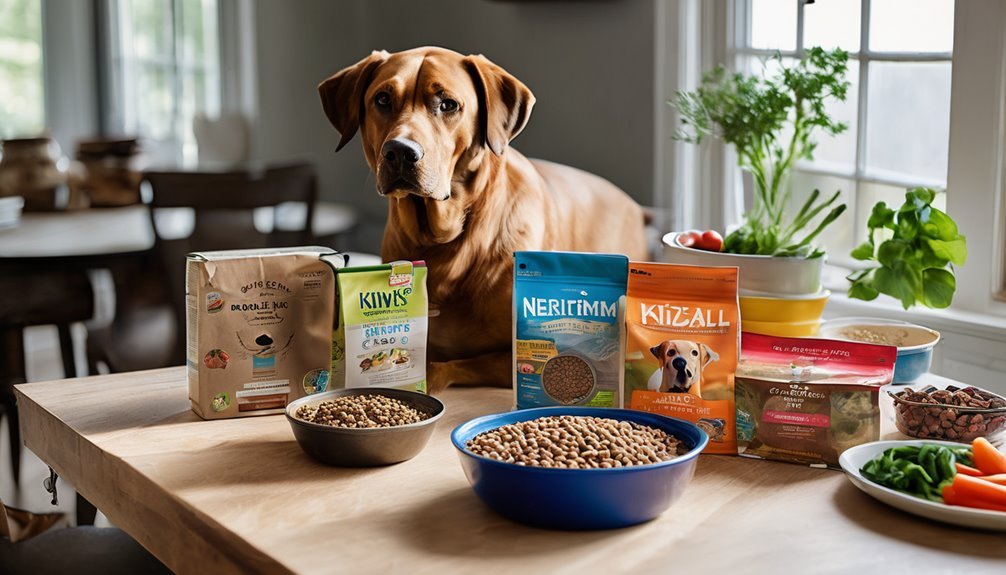
What’s the best choice for your senior dog: homemade or store-bought food? Each option has its merits. Homemade benefits include control over ingredients, allowing you to tailor nutrition to your dog’s needs. It can also be fresher and tastier. However, preparing meals can be time-consuming.
On the other hand, store-bought convenience makes it easy to provide balanced nutrition consistently, especially for busy lifestyles.
| Aspect | Homemade Benefits | Store-Bought Convenience |
|---|---|---|
| Ingredient Control | You choose quality ingredients | Ingredients are pre-selected |
| Nutritional Balance | Can customize for specific needs | Formulated for balance |
| Preparation Time | Time-intensive | Quick and easy |
| Freshness | Often fresher | Shelf-stable |
| Cost | Can be more expensive | Generally affordable |
Ultimately, consider what fits best for you and your furry friend.
Essential Supplements for Senior Dogs’ Health
As your dog ages, incorporating essential supplements can significantly enhance their overall health and well-being.
These supplements target key areas that often decline with age, helping your furry friend maintain their vitality.
- Joint Support: Glucosamine and chondroitin can help reduce joint pain and improve mobility, ensuring your dog stays active.
- Cognitive Function: Omega-3 fatty acids and antioxidants support brain health, aiding memory and mental clarity as your dog matures.
- Digestive Health: Probiotics and fiber supplements enhance gut health, promoting better digestion and nutrient absorption.
Including these supplements can provide an immune boost, improve skin care, and sustain energy levels, allowing your senior dog to enjoy quality years ahead.
Always consult your vet before starting new supplements for tailored advice.
Monitoring Your Senior Dog’s Weight and Health Through Diet
Monitoring your senior dog’s weight and health through diet is crucial, especially since their nutritional needs change as they age. Regular weight management checks help you identify any fluctuations, enabling proactive adjustments to their diet.
Aim for a balanced diet rich in high-quality proteins, fiber, and essential nutrients to support their overall well-being. Keep an eye on their body condition score; a simple visual check can indicate whether they’re underweight or overweight.
Additionally, incorporate health monitoring by scheduling regular vet visits to discuss diet and any health concerns. This collaborative approach ensures that your senior dog stays healthy, active, and comfortable, ultimately enhancing their quality of life as they age gracefully.
Conclusion
In nurturing your senior dog, you’re not just feeding a companion; you’re crafting a recipe for a vibrant life. By understanding their unique nutritional needs and making thoughtful dietary choices, you can help them flourish in their golden years. Whether it’s choosing the right food or incorporating essential supplements, each decision is a brushstroke in the masterpiece of their well-being. So, embrace this journey with love and care, ensuring every meal is a step towards a happier, healthier tail-wagging future.