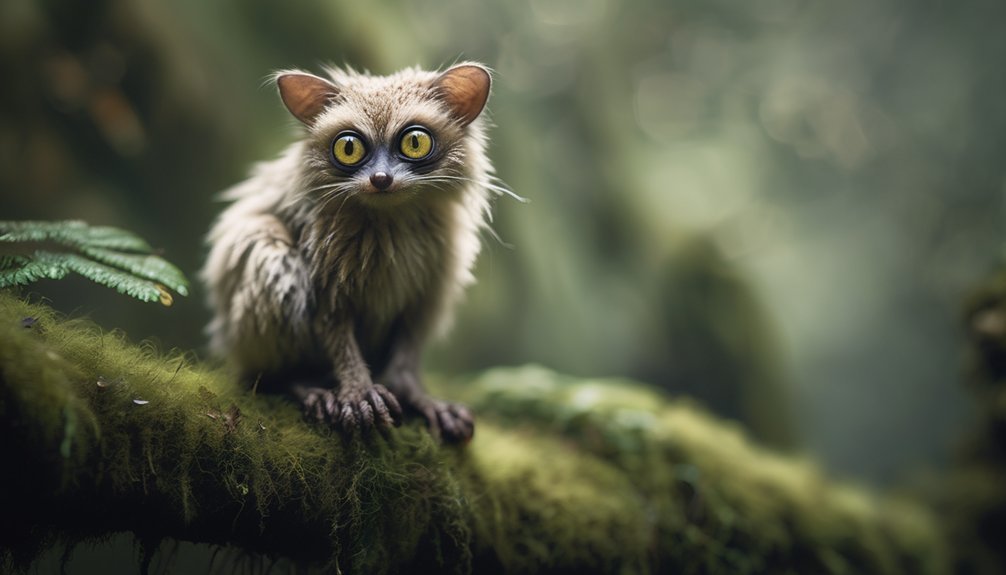
More than 80% of mammals are small enough to fit in your hands, yet many of the cutest species stay unknown to you. You might expect charm from quokkas or pygmy marmosets, but several lesser-known animals use round faces, large eyes, and quiet behaviors to trigger a strong response. Some live in deserts, others in forests or shallow seas, and their most surprising adaptations may change how you think about cute altogether.
Key Takeaways
- Quokkas, dik-diks, and pygmy hippos are unexpectedly cute because of their rounded faces, small bodies, and gentle expressions.
- Tiny mammals like pygmy shrews, elephant shrews, and mousedeer charm people with big eyes, whiskered faces, and quick, delicate movements.
- Birds such as compact songbirds can look cartoon-like thanks to oversized eyes, soft contours, and expressive head tilts.
- Animals like pikas and pygmy marmosets seem adorable because their playful behavior and soft features signal harmlessness and curiosity.
- Many lesser-known cute animals are evolutionarily adapted for survival, but their infant-like traits trigger human protective instincts.
What Makes Cute Animals So Appealing?
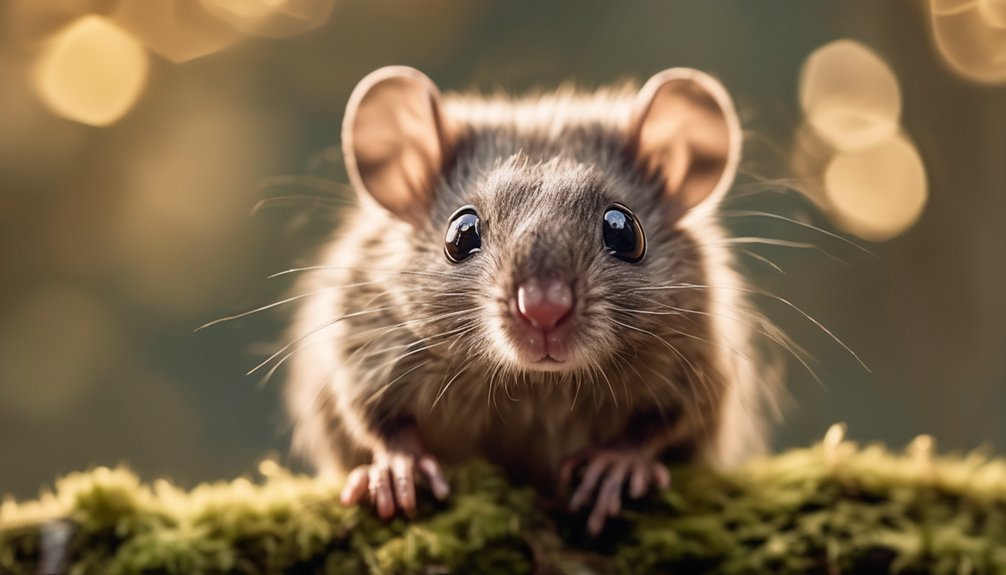
Cute animals appeal to you because they combine familiar infant-like traits with behaviors that trigger protective responses in the human brain. You tend to notice large eyes, rounded faces, soft textures, and small bodies first; these cuteness factors activate attention and caregiving circuits.
You also respond to clumsy movements, gentle sounds, and relaxed postures, which suggest vulnerability without threat. Clinically, this reaction can lower stress and increase approach behavior.
From an evolutionary perspective, caring for infants improved survival, so your brain now generalizes that response to certain animals. That’s why you may feel warmth, focus, and a desire to protect them.
In intimate moments, this instinct can feel immediate, almost personal, yet it still reflects a predictable biological pattern with clear evolutionary advantages.

Cutest Animals You’ve Never Heard Of
If you think the familiar favorites have already claimed the title, several lesser-known animals may surprise you with their unusual appeal. You may find rare species like the quokka, dik-dik, and pygmy hippo especially compelling because their proportions, facial expressions, and calm movements trigger strong affectionate responses in you.
Their animal behavior often looks gentle, curious, or oddly expressive, which can make them seem approachable even when they live in remote habitats. You’ll notice that their charm isn’t just visual; it also comes from predictable postures, soft contours, and social interactions that signal low threat.
When you study them closely, you see how evolution can shape appeal in subtle ways. These animals remind you that cuteness often thrives outside the spotlight.
Tiny Mammals With Big Charm
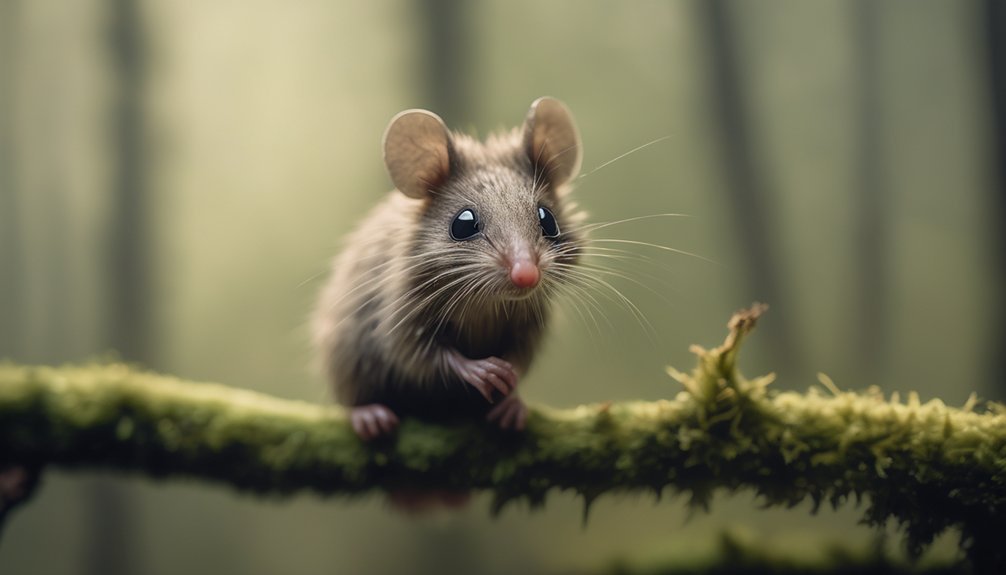
Among the smallest mammals, a few species can produce an outsized sense of appeal because their body proportions, whiskered faces, and quick, precise movements draw your attention immediately.
You’ll notice how tiny furballs like pygmy shrews, elephant shrews, and mousedeer balance fragility with efficient anatomy. Their large eyes, tapered snouts, and rapid reflexes help them forage, evade predators, and conserve energy.
Tiny furballs like pygmy shrews and elephant shrews pair fragile looks with finely tuned anatomy for survival.
You may find their charming quirks especially compelling: some hop, some scurry in bursts, and others pause motionless before vanishing into cover. Clinically, these traits improve survival in dense grass, leaf litter, or arid scrub.
Yet you still experience them as intimate, almost personal creatures, because every motion seems deliberate and close, as if they’re quietly aware of your gaze.
Cartoon-Like Birds That Steal Hearts
From tiny mammals, your attention can shift naturally to birds whose bodies seem drawn from an animation studio rather than a field guide. You notice compact frames, oversized eyes, and colorful plumage that can make even small species look startlingly expressive.
Many rely on precise feather patterns for identification, so each hue serves a biological purpose, not just decoration. When you watch them closely, you see whimsical behaviors: quick head tilts, bouncy courtship steps, and sudden bursts of vocal mimicry.
These movements help them communicate, defend territory, and attract mates. Their charm feels personal because they often respond to motion with immediate curiosity.
If you appreciate animals that combine elegance, intelligence, and visual drama, these birds can seem almost impossibly endearing.
Adorable Marine Animals Hiding Below the Surface
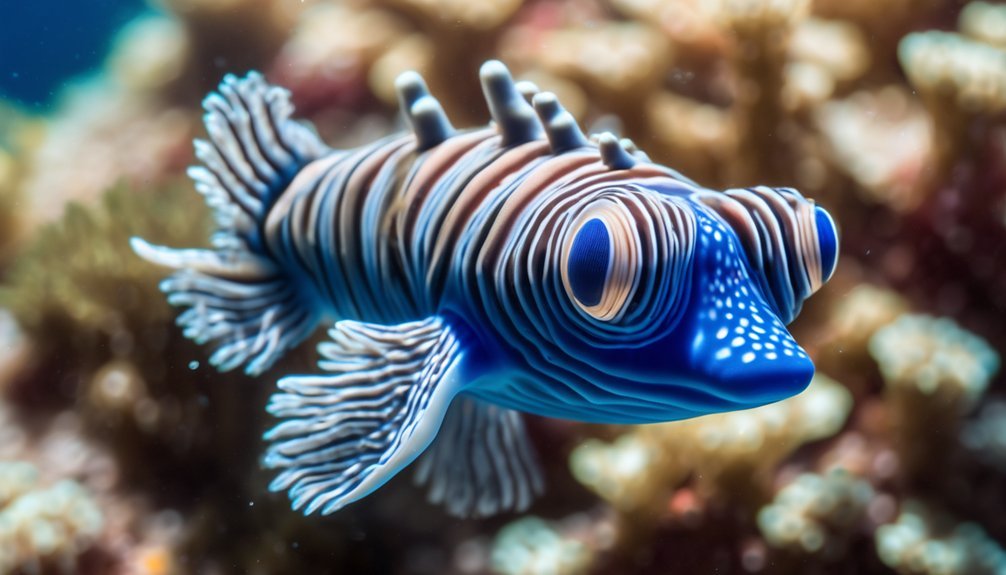
Beneath the surface, some of the ocean’s smallest residents look almost unreal in their delicacy and detail. You’ll find marine life that fits the label underwater cuties without exaggeration: pygmy seahorses, juvenile puffers, and translucent shrimp all show precise adaptations. Their bodies display aquatic charm through camouflage, symmetry, and controlled movement.
- Pygmy seahorses cling to gorgonians and blend with coral textures.
- Leaf sheep sea slugs harvest algae and retain chloroplasts, a rare case of functional mimicry.
- Dumbo octopuses use ear-like fins for quiet propulsion in deep sea delights.
These ocean wonders reward close observation, and you can appreciate sea creature cuteness as biology, not novelty.
In hidden treasures of reefs and trenches, marine enchantments prove that size doesn’t limit visual appeal.
Desert Animals That Are Surprisingly Cute
The same attention to detail that makes tiny ocean species memorable also reveals unexpected charm on land, where desert animals use compact bodies, soft features, and efficient movement to survive harsh conditions.

You can see it in fennec foxes, whose oversized ears shed heat while their small paws reduce sand exposure. Jerboas hop with delicate precision, conserving energy and avoiding scorching ground.
Even horned lizards look endearing, with round bodies and calm eyes that mask their specialized desert adaptations.
These traits aren’t decoration; they support water retention, temperature control, and stealth.
When you study them closely, you notice cute survival in its most practical form. Their appeal comes from how perfectly form follows function, and you feel it instantly.
Unexpected Cute Animals Around the World
Across continents, you find animals whose small size, rounded features, or unusual proportions make them unexpectedly appealing despite little mainstream attention.
You notice that their charm often comes from precise adaptations to unique habitats and from animal behaviors that seem almost playful under study. Their compact bodies, soft contours, and calm movements can make you feel an immediate, almost private fascination.
- The quokka of Australia uses a gentle face and steady posture to seem approachable.
- The pika in alpine regions stores food with brisk efficiency while looking like a tiny rabbit.
- The pygmy marmoset in South American forests clings close to you through its miniature scale.
When you observe them clinically, you see that cuteness often reflects survival, not decoration.
Where to See These Animals Safely
To see these animals safely, you should prioritize protected habitats, licensed wildlife tours, and reputable sanctuaries that limit stress and contact.
Prioritize protected habitats, licensed wildlife tours, and reputable sanctuaries that minimize stress and contact.
You’ll get the best results when you choose wildlife sanctuaries with clear welfare standards, trained staff, and no-handling policies.
If you visit field sites, stay on marked paths, keep noise low, and use binoculars or a zoom lens instead of approaching.
Ask whether the operator follows responsible tourism practices, supports local conservation, and caps group size.
You should never feed, chase, or photograph animals with flash.
If an encounter feels too close, step back immediately.
These precautions protect the animals’ behavior and health while letting you observe them with care, respect, and a quiet sense of connection.
Frequently Asked Questions
What Animal Is Considered the Cutest of All Time?
You’ll usually hear the quokka called the cutest animal of all time, because its rounded face, small size, and calm expression match cutest animal characteristics and cultural perceptions of cuteness across many audiences.
Are These Animals Endangered in the Wild?
Yes—some are endangered in the wild, and you’d think the planet itself is begging for mercy. You should check each species individually; conservation efforts vary, and some populations face severe habitat loss, making them endangered species.
How Long Do These Animals Typically Live?
You’ll usually see these animals live anywhere from a few years to several decades, depending on species, Lifespan variations, Unique adaptations, diet, and care. In the wild, stress and predators often shorten their lives.
Can Any of These Animals Be Kept as Pets?
Most aren’t pets. You’d need unusual pet care for exotic pet ownership, and laws often prohibit it. Only about 1 in 10 species adapts well to captivity, so you should choose carefully and ethically.
What Do These Animals Eat in Their Natural Habitats?
In their natural habitat, you’ll find these animals eating insects, fruits, leaves, seeds, small vertebrates, or nectar, depending on dietary preferences. You should expect highly specialized diets shaped by habitat, season, and available food sources.
Conclusion
If you look closely, you’ll see that cuteness isn’t just about looks—it’s a survival toolkit shaped by evolution. From tiny mammals to desert dwellers, these animals show you how nature mixes function with charm. Their oversized eyes and gentle movements are like tiny magnets, drawing your attention and curiosity. By appreciating them safely and responsibly, you help protect the remarkable biodiversity that makes our planet so endlessly surprising.