
Did you know that dogs can experience stress just like humans? Symptoms often go unnoticed, but a tucked tail or flattened ears can signal discomfort. Understanding these signs is crucial for your dog’s well-being. You might be surprised to learn how various factors, from environmental changes to social interactions, can contribute to their anxiety. By recognizing these cues, you can create a more supportive environment for your furry friend. What other signs should you be aware of?
Key Takeaways
- Look for a tucked tail and flattened ears, which indicate fear or stress in dogs.
- Excessive barking, pacing, or destructive behavior can signal anxiety.
- Changes in appetite or reluctance to play may reflect emotional unease.
- Seeking hiding spots suggests a desire for safety and security.
- Sudden movements or loud environments can act as triggers for dog anxiety.
Common Signs of Dog Anxiety
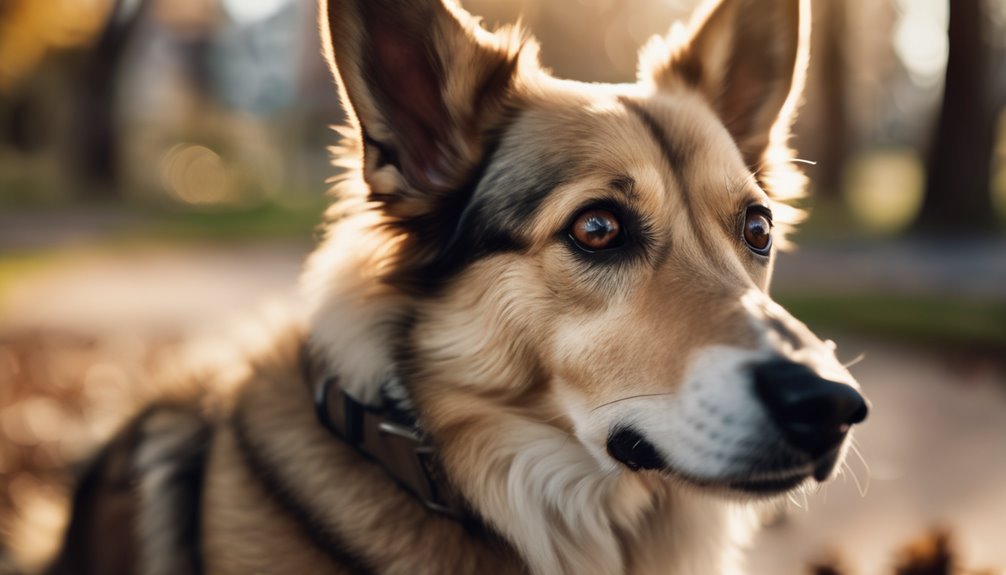
When you observe your dog, it’s crucial to recognize the common signs of anxiety that may indicate they’re struggling emotionally.
Pay close attention to their body language; a tucked tail, flattened ears, or avoidance of eye contact often point to stress. You might notice behavioral changes like excessive barking, pacing, or destructive actions when they’re anxious.
Pay attention to your dog’s body language; signs like a tucked tail or excessive barking may indicate stress and anxiety.
Even subtle signs, such as a lack of appetite or reluctance to engage in play, can reveal underlying feelings of unease.
Remember, your dog relies on you to interpret these signals. By understanding their anxiety, you can provide the comfort and support they need, helping them feel safe and secure in their environment.

Your bond will strengthen as you navigate these challenges together.
Physical Symptoms of Dog Stress

Observing your dog’s physical symptoms can provide critical insights into their stress levels. Recognizing these signs can help you address their needs effectively. Here are a few key symptoms to watch for:
- Tail Tucked: A tucked tail often indicates fear or anxiety, signaling your dog feels vulnerable.
- Excessive Barking: If your dog barks more than usual, it may be a cry for help or a sign of stress.
- Pacing Behavior: Frequent pacing can indicate restlessness, showing your dog is struggling to cope with their environment.
Other signs include altered appetite, reluctance to play, excessive drooling, destructive chewing, and seeking hiding spots.
Being attentive to these physical symptoms allows you to support your furry friend through their challenging moments.
Common Environmental Triggers of Dog Anxiety
Many factors in a dog’s environment can trigger anxiety, making it crucial to identify and mitigate these stressors.
Loud environments, like bustling streets or crowded gatherings, can overwhelm your pup. Sudden movements, whether from people or objects, may startle them, escalating their stress.
Unfamiliar visitors in your home can also provoke anxiety, making your dog feel threatened. Travel disruptions may disorient them, while weather changes, such as storms, can create panic.
Additionally, the introduction of new pets can upset their established routine. Construction noises outside may add to their distress, and absence anxiety can arise when you leave them alone.
Recognizing these triggers helps you create a calmer space, fostering your dog’s emotional well-being.
How Routine Changes Impact Your Dog
Changes in your dog’s routine can significantly impact their emotional state and overall well-being.
When you make routine adjustments or experience environmental changes, your dog may feel unsettled. It’s essential to recognize how these factors affect their behavior and mood.
Here are three key areas to watch:
- Activity Level: A sudden increase or decrease can lead to anxiety or lethargy.
- Home Atmosphere: If the atmosphere feels tense due to schedule variations, your dog may mirror that stress.
- Familiarity: New routines can disrupt your dog’s sense of security, making them feel anxious and uncertain.
The Impact of Social Interactions on Canine Anxiety
Social interactions play a pivotal role in your dog’s emotional well-being. Engaging in positive interactions enhances socialization benefits, allowing your dog to form meaningful canine friendships.
Observing canine body language during playtime is essential; it reveals comfort or discomfort levels. Different interaction types, such as structured play or casual encounters, influence group dynamics and can either alleviate or heighten anxiety.
Incorporating positive reinforcement during these interactions strengthens bonds and builds confidence, fostering a safer environment. Furthermore, regular socialization serves as a stress reduction technique, helping your dog navigate various situations with ease.
How Noise Affects Dog Stress
While you may not always notice it, noise can significantly impact your dog’s stress levels. Many dogs experience noise sensitivity, which can lead to anxiety during thunderstorms or exposure to other triggering sounds. Understanding how noise affects your dog is crucial for their well-being.
Noise can greatly affect your dog’s stress levels, leading to anxiety during thunderstorms and other loud events. Understanding this is essential for their well-being.
Here are three key points to consider:

- Auditory Stressors: Loud sounds, like fireworks or traffic, can create an overwhelming environment for your dog.
- Sound Desensitization: Gradual exposure to these noises can help reduce their anxiety over time.
- Calming Techniques: Implementing noise reduction strategies, such as white noise machines or calming music, can provide relief.
Being aware of your dog’s reactions to environmental noise allows you to implement effective calming techniques, fostering a more relaxed home environment for them.
How Illness Can Change Your Dog’s Behavior
Illness can profoundly affect your dog’s behavior, often manifesting in ways that may concern you. When your furry friend is unwell, you might notice illness symptoms like lethargy, loss of appetite, or increased irritability.
These signs can lead to significant behavioral changes, such as withdrawal from play or unusual aggression. Your dog may become clingy or seek solitude, depending on their discomfort level.
It’s essential to observe these shifts closely, as they can indicate pain or distress. Understanding that these changes stem from illness can help you respond with empathy and care.
If you notice persistent alterations in behavior, consulting your veterinarian is crucial to ensure your dog receives the appropriate care and support they need.
Tips for Helping Your Dog Cope With Anxiety
When your dog experiences anxiety, addressing their needs promptly can make a significant difference in their well-being. Implementing effective strategies can help them feel more secure and relaxed.
Here are some tips:
1. Calming Techniques: Use gentle petting, soothing voices, or calming music to create a peaceful environment.
Consider anxiety wraps or pheromone diffusers for added comfort.
2. Enrichment Activities: Engage your dog with puzzle toys or scent work to stimulate their mind and distract from stressors.
Regular exercise also helps release pent-up energy.
3. Routine: Establishing a consistent daily Routine can provide your dog with a sense of security, reducing anxiety over time.
When to Seek Professional Help for Your Anxious Dog?
Recognizing the signs of severe anxiety in your dog is crucial, as timely intervention can prevent further emotional distress.
If your dog exhibits persistent behaviors like excessive barking, destructive tendencies, or withdrawal from social interactions, it’s time to seek professional help. A veterinarian can assess whether behavioral therapy might be beneficial or if anxiety medications are necessary.
Don’t wait until the anxiety escalates; early intervention can significantly improve your dog’s quality of life. Engaging with a certified animal behaviorist can also provide tailored strategies to help your furry friend cope.
Frequently Asked Questions
Can Diet Affect My Dog’s Anxiety Levels?
Yes, diet can significantly affect your dog’s anxiety levels. Nutritional deficiencies might lead to increased stress. Incorporating calming supplements can help alleviate anxiety, promoting a more balanced mood and overall well-being for your furry friend.
How Does Breed Influence a Dog’s Stress Response?
“You can’t teach an old dog new tricks.” Breed characteristics often shape how dogs respond to stress. Environmental factors also play a significant role, influencing their behavior and emotional well-being in various situations.
Are Certain Ages More Prone to Anxiety in Dogs?
Yes, puppies often experience anxiety due to new experiences, while seniors may face stress from health issues or changes in routine. Understanding these stages helps you support your dog’s emotional well-being throughout their life.
Can Medication Help With My Dog’s Anxiety?
Medication can indeed help your dog’s anxiety, transforming frantic barking into calm serenity. Coupled with behavior modifications and therapy options, it creates a holistic approach, fostering a happier, more relaxed companion you both cherish.
What Are Long-Term Effects of Untreated Anxiety in Dogs?
Untreated anxiety in dogs can lead to behavior changes like aggression or withdrawal. Over time, they may struggle to develop healthy coping strategies, impacting their overall well-being and deepening your bond’s emotional strain.
Conclusion
In understanding your dog’s anxiety, you’re not just barking up the wrong tree; you’re fostering a deeper bond. By recognizing the signs and addressing the triggers, you can help your furry friend feel more secure. Remember, it’s essential to be patient and proactive. Implementing coping strategies can make a world of difference. If you find that your efforts aren’t enough, don’t hesitate to seek professional guidance. Your dog’s well-being is worth every step you take.