
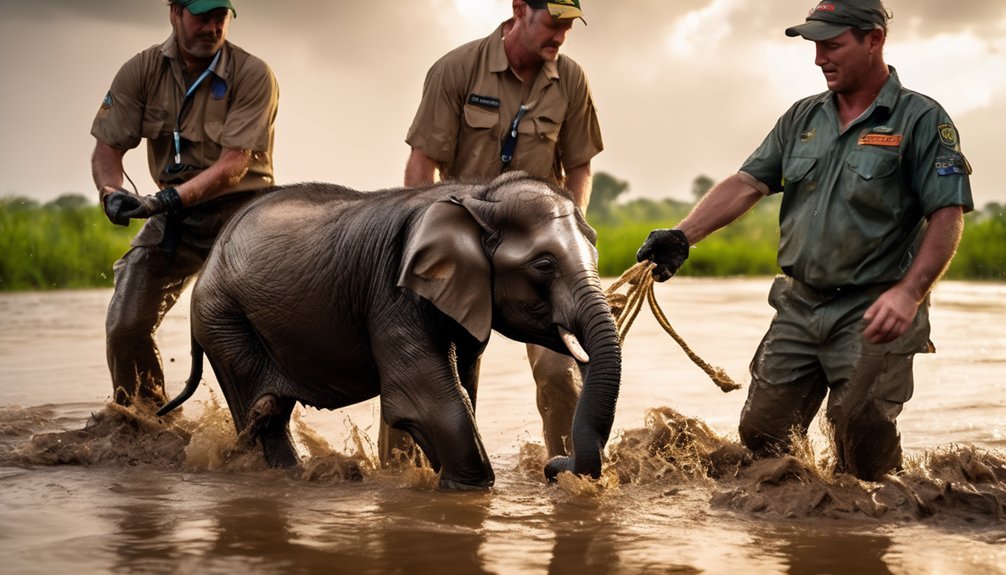
Around 70% of documented animal rescue stories involve dogs, yet the most striking cases often come from dolphins, whales, and other unexpected species. You can see how these rescues blend instinct, learned behavior, and social awareness, and they raise a simple question: what allows an animal to recognize your danger before you do? The examples ahead may change how you think about loyalty, perception, and survival.
Key Takeaways
- The most incredible animal rescues often center on vulnerability, danger, and the emotional relief of reaching safety.
- Marine mammals like dolphins and whales have been recorded guiding swimmers away from danger with speed and precision.
- Dogs have made astonishing long journeys home, showing instinct, loyalty, and determination rather than luck.
- Cats, horses, and goats have unexpectedly calmed frightened people through gentle, nonverbal rescue behavior.
- Animals often notice subtle danger signals humans miss, helping explain why some rescues seem almost miraculous.
Why Animal Rescue Stories Captivate Us
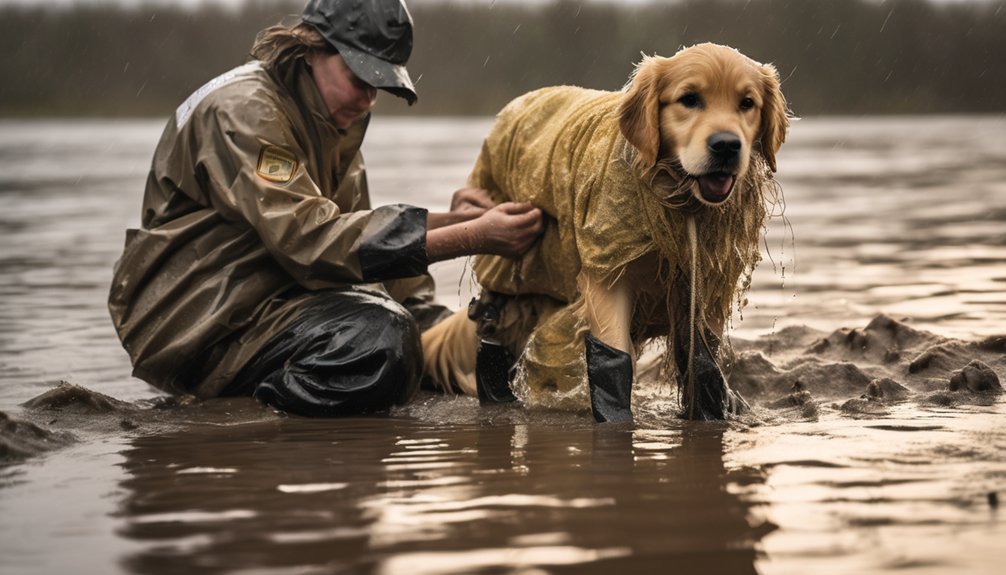
Animal rescue stories captivate us because they compress vulnerability, danger, and relief into a single, emotionally immediate arc. You watch a trapped creature, and your nervous system answers before your reasoning does. The scene invites emotional connection because you recognize fear, dependence, and the need to be seen.
Rescue also clarifies human intent: someone chooses patience, skill, and restraint instead of indifference. That choice feels morally exact. It can be inspiring courage, too, because you see how steady action can alter an ending that seemed fixed.
When the animal finally breathes, stands, or returns to safety, you feel your own tension release. The story satisfies a deep need for rescue, witness, and tenderness.

Dolphins and Whales Saving Humans at Sea
When people hear accounts of dolphins or whales guiding swimmers away from danger, they often describe the event as uncanny, but marine biologists usually look first for behavior that can be explained without mysticism.
You can see dolphin interventions as responses to distress cues, sonar mapping, or group defense. In rough water, they may circle you, nudge you, or steer you toward shallower water, and that contact can feel startlingly deliberate.
Whale assistance is rarer, yet documented cases suggest large cetaceans sometimes shield you from predators or help keep you afloat.
You don’t need to imagine intent to respect the outcome: a vulnerable human survives because an animal acted with speed, precision, and apparent concern.
That combination invites wonder, but it also deserves careful observation, restraint, and gratitude.
Dogs That Traveled Miles to Find Home

A lost dog can cover astonishing distances, driven by scent, memory, and a persistent search for familiar people or places. When you read about these cases, you see more than chance; you see long distance journeys shaped by instinct, injury, and resolve.
A dog may cross roads, rivers, and rural miles, then appear at your gate thin, tired, and determined. You can’t dismiss that return as luck alone. It reflects canine loyalty, a steady bond that survives separation and hardship.
In clinical terms, the animal orients, persists, and recalibrates until home comes back into reach. In human terms, you feel the ache of waiting, then the relief of reunion. That’s why these rescues stay unforgettable.
Cats, Horses, and Other Surprise Rescuers
Not every rescue comes from the species you’d expect. You can see a cat crouch beside a trembling child, purring until breath steadies; that’s feline friendships at work, quiet and exact. A horse may lower its head to guide you from panic, its body warm, its steps measured; this is equine empathy made visible.
| Rescuer | Signal | Effect |
|---|---|---|
| Cat | Soft purr | Calms you |
| Horse | Gentle nudge | Reorients you |
| Goat | Steady presence | Reduces fear |
These surprise rescuers don’t reason like humans, yet they respond with remarkable timing. You feel their attention before you understand it. In close contact, their actions can interrupt distress, restore balance, and remind you that care isn’t always verbal.
The Most Unforgettable Animal Rescue Stories

Even without warning, some animal rescues stay with you because they happen in a single, decisive moment: a dog drags a child from floodwater, a dolphin supports a struggling swimmer at the surface, a cat alerts a family to smoke before they wake.
Some rescues happen in an instant, when instinct turns into protection and trust appears under pressure.
You remember these heroic rescues because they’re direct, physical, and unmistakably urgent. When you read them, you see trust forming under pressure, and you feel how quickly instinct can become protection.

The most unforgettable cases often end with unexpected friendships, not sentimentality, but a shared recognition that life matters.
If you’ve ever watched an animal act with steady purpose, you know the effect: your pulse slows, your attention sharpens, and the story settles in you like evidence that care can arrive from anywhere.
How Animals Recognize People in Danger
Animals often recognize danger by reading signals that people barely notice: altered posture, rapid breathing, repeated calls, splashing, stumbling, or sudden silence. You may think they’re guessing, but their animal instincts process these cues with striking speed.
A dog can fix on your scent and cadence, while a horse can detect tension in your body before you speak. Cats, too, often track subtle changes in movement and voice.
When you’re frightened, injured, or disoriented, an animal’s attention can sharpen, especially when emotional bonds already exist. That connection helps it stay close, orient toward you, and respond without hesitation.
In those moments, you aren’t invisible; you’re an urgent pattern, and the animal reads it with care.
What Animal Rescue Behavior Reveals
When a dog, horse, or other animal moves to protect a person, the behavior usually reflects more than simple attachment. You can read it as instinctual behavior shaped by trust, learning, and stress cues.
In some cases, it also hints at empathy development, where the animal responds to your fear, pain, or vulnerability with focused action.
- It may signal strong social bonding.
- It can show rapid threat assessment.
- It often reflects prior experience with you.
- It may reveal a limited, but real, capacity to soothe.
You shouldn’t romanticize every rescue, yet you can still recognize its precision.
When an animal chooses you in crisis, it tells you something intimate: you matter enough to trigger protection, not just presence.
Frequently Asked Questions
What Laws Protect People Rescuing Injured Wild Animals?
You’re usually protected by Good Samaritan laws, wildlife laws, and permits for wildlife rehabilitation; they reduce liability if you act reasonably. Check local rules first, because handling injured wild animals can still trigger legal limits.
How Should You Respond if a Rescue Animal Becomes Aggressive?
Stop, breathe, and give space—you’re seeing fear, not defiance. Watch for aggressive triggers, then use calm handling techniques. If danger grows, back away slowly, protect yourself, and call a trained rescuer or veterinarian immediately.
Can Animals Be Trained to Perform Emergency Rescues?
Yes, you can train animals for emergency rescues through animal training and rescue techniques. You’d use precise cues, reinforcement, and safety protocols, so they can locate, alert, or retrieve while staying calm, effective, and protected.
What Medical Care Do Rescued Animals Usually Need?
Like fragile patients, rescued animals usually need veterinary assessments, wound treatment, fluids, parasite control, rehabilitation techniques, behavioral evaluations, and tailored post rescue care. You’ll help them heal safely, restore trust, and regain strength.
How Do Rescues Affect an Animal’s Long-Term Behavior?
Rescues can trigger behavioral changes, and you’ll often see gradual long term adaptation as trust returns. You may notice less fear, better socialization, and stronger routines. With patient care, you’ll help stabilize lasting emotional recovery.
Conclusion
As you reflect on these incredible rescues, you see how animals can read danger and respond with startling precision. Their actions remind you that trust between species can turn the tide in a crisis, often when all seems lost. Whether at sea, on land, or in a moment of fear, these stories show that courage isn’t just human. In the end, animals can be the silver lining that pulls you back to safety.