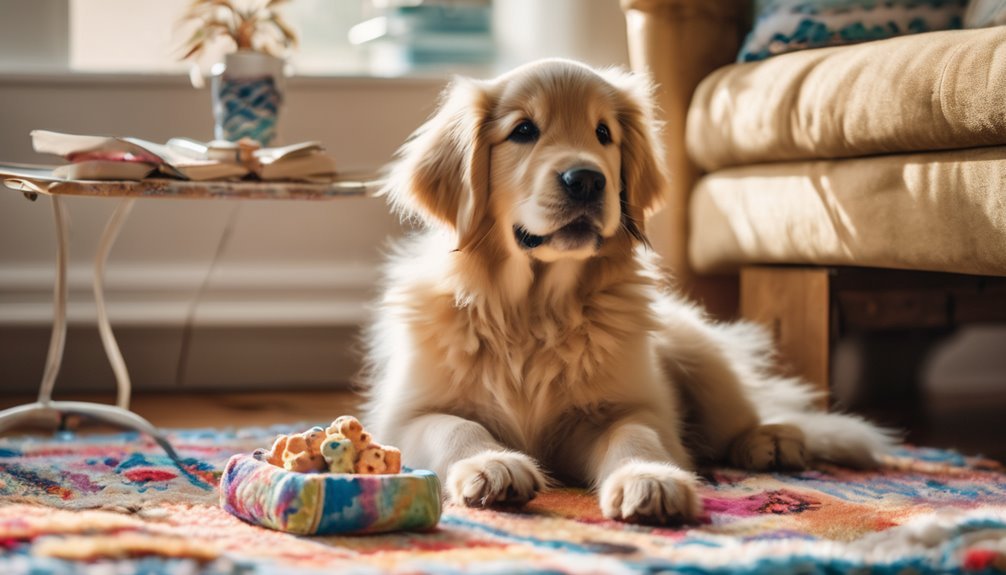
House training a puppy can feel overwhelming at times, yet it’s a rewarding journey that fosters a strong bond between you and your new companion. Establishing a routine and understanding your puppy’s needs are key to success. By creating a designated potty area and recognizing their signals, you’ll set the stage for effective training. But what are the common pitfalls to watch out for? Let’s explore the essential steps to ensure a smooth transition for both of you.
Key Takeaways
- Establish a consistent potty schedule, taking your puppy out every 1-2 hours, especially after meals and naps.
- Set up a designated, distraction-free potty area to reinforce good habits.
- Recognize and respond to your puppy’s potty signals, like sniffing or whining, to prevent indoor accidents.
- Use positive reinforcement, such as treats and praise, to reward successful outdoor potty trips.
- Handle accidents calmly and clean thoroughly to prevent repeat occurrences in the same spot.
Setting Up a Designated Potty Area for Your Puppy
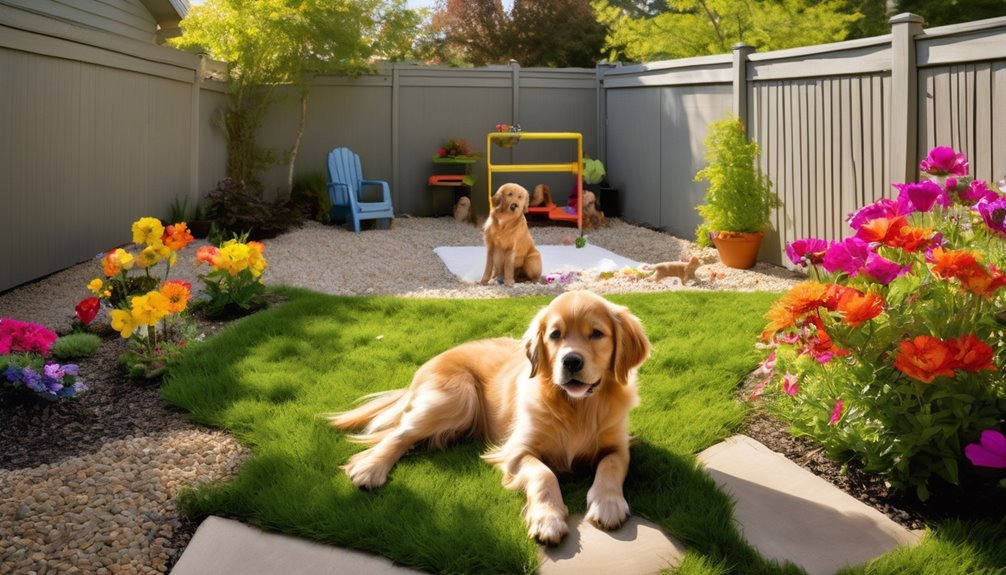
Setting up a designated potty area for your puppy is essential for successful house training. Choose a consistent potty location that’s easily accessible for your pup.
This space should ideally be away from distractions, making it a calm environment for your puppy to relieve itself. To encourage your puppy to use this area, incorporate scent markers from previous potty sessions.
Dogs are naturally drawn to familiar scents, so placing some grass or soil from a previous spot can help. Always take your puppy to this area after eating, playing, or waking up.
With patience and positive reinforcement, your puppy will learn to associate this designated space with potty time, making the training process smoother for both of you.

Choosing the Right Schedule for Potty Breaks
After establishing a designated potty area, the next step is to create a consistent schedule for potty breaks.
Understanding your puppy’s behavior is key; young puppies typically need to go out every 1-2 hours. Consider their ideal timing, such as after meals, playtime, or naps.
By taking your puppy out regularly, you help them associate the designated area with potty time. Stick to a routine, and your puppy will learn when it’s time to do their business.
Consistency builds trust and reinforces good habits. Don’t forget to reward your puppy with praise or treats when they go outside. This positive reinforcement encourages them to continue using the potty area effectively.
Recognizing Your Puppy’s Potty Signals
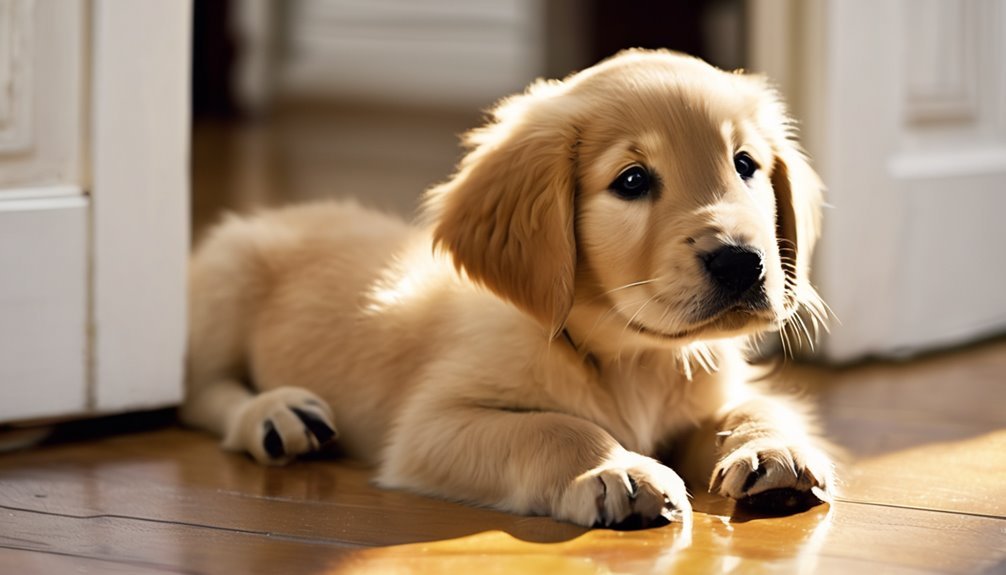
How can you tell when your puppy needs to go outside? Recognizing your puppy’s potty signals is crucial for successful house training.
Watch for body language cues like sniffing the ground, circling, or whining. These common signs indicate that it’s time to head outdoors. You might also notice your puppy staring at the door or pacing anxiously.
If you catch these signals early, you can prevent accidents inside. Remember, every puppy is different, so pay attention to their unique behaviors.
Consistently responding to these cues will help reinforce the idea that going outside is the right choice. Stay patient and encouraging; soon, your puppy will understand what you expect and will communicate their needs more clearly.
Positive Reinforcement Techniques for Successful House Training
Using positive reinforcement is one of the most effective ways to house train your puppy. By employing techniques like clicker training and reward systems, you can encourage your puppy to associate good behavior with positive outcomes. When your puppy responds to potty cues, immediately reward them with training treats and plenty of puppy praise. Consistency strategies are key; make sure to celebrate successes every time. Here’s a quick overview of techniques:
| Technique | Description |
|---|---|
| Clicker Training | Use a clicker to mark good behavior |
| Reward Systems | Offer treats for successful potty trips |
| Potty Cues | Recognize signs your puppy needs to go |
| Positive Interactions | Engage with your puppy after they potty outside |
| Behavioral Reinforcement | Repeat positive actions to reinforce learning |
With patience and these methods, your puppy will learn quickly!
Top 5 Mistakes to Avoid When House Training Your Puppy
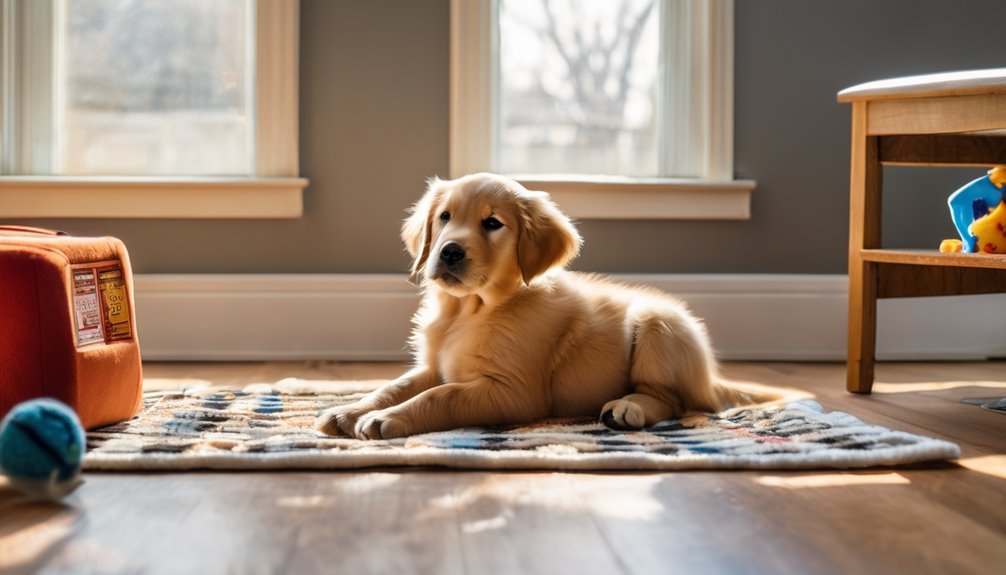
While positive reinforcement techniques can pave the way for successful house training, certain pitfalls can hinder your progress.
One common misconception is that puppies will instinctively know where to go. They need guidance! Skipping regular bathroom breaks can lead to frequent setbacks, so keep a consistent schedule.
Overusing puppy pads might confuse your pup about where it’s acceptable to relieve itself. Additionally, punishing your puppy for accidents can create fear rather than understanding.

Lastly, not being patient can cause frustration for both you and your puppy. Remember, house training takes time and consistency.
Avoid these mistakes, and you’ll be on the right track towards a well-trained pup!
What to Do When Accidents Happen?
Accidents are bound to happen during the house training process, but that doesn’t mean you should lose hope. Instead of getting frustrated, focus on effective accident cleanup and understanding your puppy’s behavior.
Here’s what to do:
- Stay calm; it’s a learning process for both of you.
- Clean the area thoroughly to remove odors and prevent repeat accidents.
- Watch for signs that your puppy needs to go out (sniffing, circling).
- Encourage good behavior with praise when they do go outside.
- Keep a consistent schedule for bathroom breaks.
How Crate Training Can Assist in House Training
Crate training can be a powerful tool in your puppy’s house training journey, as it helps establish boundaries and routines. By creating a safe space for your pup, you promote crate safety, making it a positive environment.
Puppies naturally avoid soiling their sleeping area, so a crate encourages them to hold their bladder until you let them outside.
Puppies instinctively avoid soiling their sleeping area, making the crate an effective tool for bladder training.
The crate benefits your training efforts by providing structure; you can schedule regular bathroom breaks, reinforcing good habits.
Remember to introduce the crate gradually, using treats and praise to build positive associations.
With patience and consistency, your puppy will learn to see the crate as a safe haven, supporting their overall house training success.
House Training: Outdoor vs. Indoor Potty Methods
Establishing a consistent potty routine is vital for your puppy’s house training, and choosing between outdoor and indoor potty methods can significantly impact this process.
Consider these factors:
- Outdoor advantages: Fresh air and natural surfaces can encourage your puppy.
- Indoor convenience: A designated spot indoors saves time during bad weather.
- Weather considerations: Rain or extreme temperatures can deter outdoor potty breaks.
- Space limitations: Smaller homes may benefit from indoor options.
- Puppy preferences: Some puppies may feel more comfortable indoors, especially in new environments.
Balancing these elements will help you choose the best method for your situation.
Maintaining Consistency and Patience During House Training
While house training a puppy can be challenging, maintaining consistency and patience is crucial for success. Start by implementing consistency strategies like sticking to a regular schedule for potty breaks. Take your puppy out at the same times each day, and use the same commands to signal it’s time to go. This repetition helps your puppy understand what’s expected.
Additionally, practice patience techniques by recognizing that accidents will happen. Instead of scolding, calmly redirect your puppy to the appropriate spot. Celebrate small victories with praise or treats to encourage good behavior.
Why House Training Matters: Key Benefits for You and Your Puppy
Understanding why house training is essential can make the process feel more rewarding for both you and your puppy. It’s not just about keeping your home clean; it’s a crucial part of ensuring your puppy’s health and well-being.
Here are some key benefits:
- Improved Puppy Health: Reduces accidents and promotes a cleaner living environment.
- Strengthened Bond: Builds trust and communication between you and your puppy.
- Enhanced Owner Responsibility: Demonstrates your commitment to your puppy’s well-being.
- Reduced Stress: A well-trained puppy means less worry during daily activities.
- Greater Freedom: A house-trained puppy can roam freely, enriching their life and yours.
Ultimately, house training is a vital step in nurturing a happy, healthy relationship with your furry friend.
Conclusion
In conclusion, house training your puppy is a rewarding journey that strengthens your bond and creates a clean home. Did you know that nearly 30% of puppy owners face challenges during this process? Remember, consistency and patience are key. By setting up a designated potty area and using positive reinforcement, you’ll guide your puppy to success. Embrace this time together; it’s not just training, but an opportunity to grow and understand each other better.