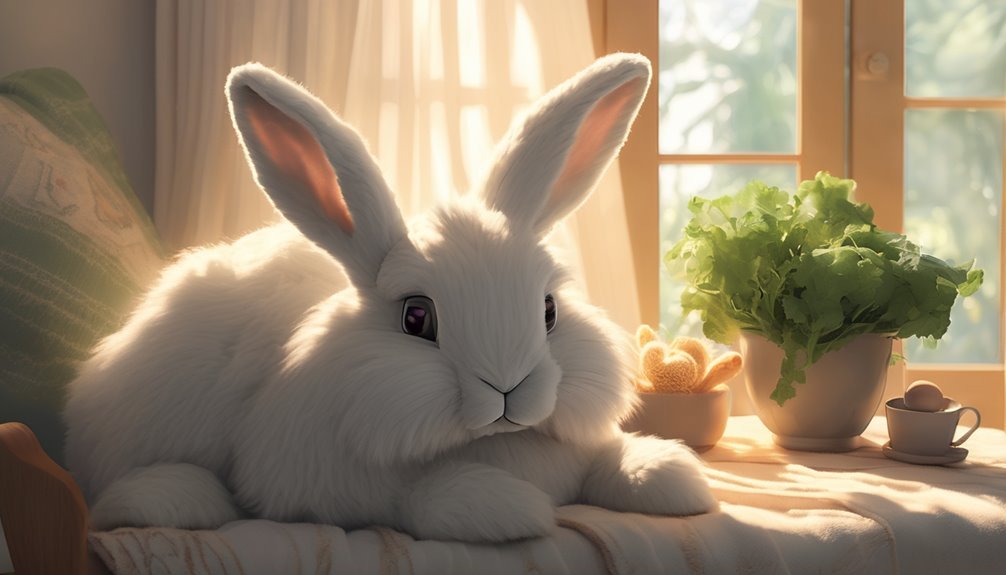
Caring for aging rabbits requires a nuanced understanding of their changing health needs. As they grow older, their diets, living environments, and even social interactions must evolve to ensure their well-being. You’ll need to be attentive to signs of discomfort and adjust their care accordingly. Understanding the specific challenges they face can significantly improve their quality of life. So, what essential steps should you take to support your senior rabbit through these changes?
Key Takeaways
- Monitor for behavioral changes, reduced activity, and dental health issues to enhance the quality of life in aging rabbits.
- Adjust diet to include soft, high-fiber foods and smaller, more frequent meals to address appetite and digestive concerns.
- Create a comfortable living environment with soft bedding, temperature control, and easy access to food and water to reduce stress.
- Recognize pain indicators, such as changes in grooming or movement, and provide mobility aids and gentle exercise tailored to their abilities.
- Regularly groom your rabbit for comfort, check for skin issues, and celebrate special occasions to strengthen your bond and create joyful memories.
Understanding Aging and Key Health Issues in Rabbits
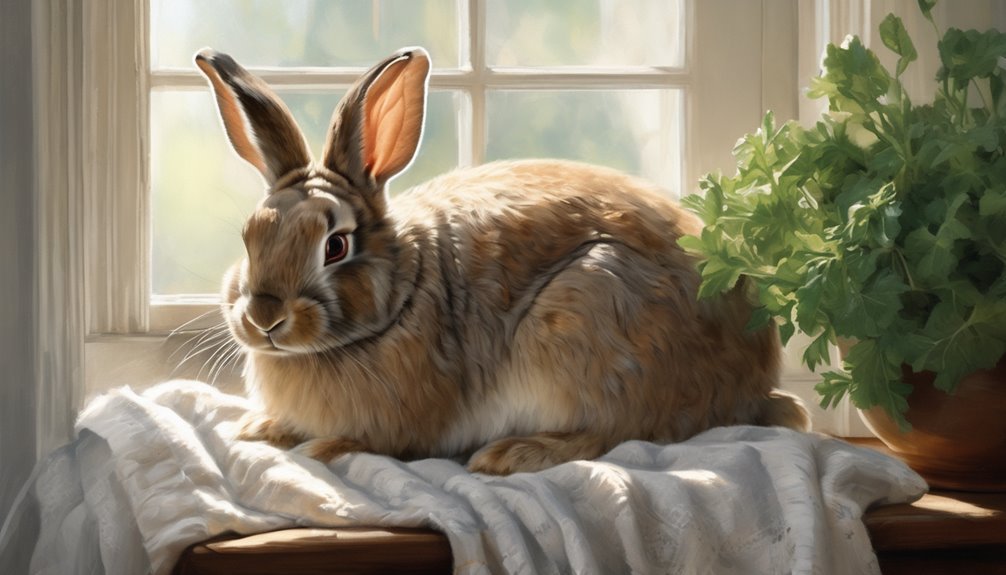
As rabbits age, they experience various changes that can significantly impact their health and well-being. You might notice shifts in geriatric rabbit behavior, such as reduced activity levels or altered social interactions. These changes can be subtle but are important indicators of their overall health.
Dental health concerns are particularly crucial; as rabbits age, their teeth may overgrow or misalign, leading to painful eating difficulties. Regular dental check-ups can help mitigate these issues.
Pay close attention to your rabbit’s eating habits and grooming behaviors, as any decline could signal underlying health problems. By understanding these key issues, you can provide better care and enhance your rabbit’s quality of life during their golden years.
Dietary Adjustments for Common Health Issues in Aging Rabbits
To effectively support your aging rabbit’s health, it’s essential to adjust their diet based on common health issues they may face. Focus on high-fiber sources to promote digestive health and monitor their hydration needs closely. As dental health declines, softer foods may be necessary; consider adjusting meal frequency to accommodate appetite changes. Ensure a nutrient balance that supports weight management, incorporating treat options that align with their food preferences.

Here’s a helpful guide:
| Health Issue | Dietary Adjustment |
|---|---|
| Dental Health | Soft, high-fiber foods |
| Digestive Issues | Increased fiber, hydration |
| Appetite Changes | Smaller, more frequent meals |
| Weight Management | Controlled portion sizes |
| Nutrient Balance | Variety in food sources |
Creating a Comfortable Living Environment for Senior Rabbits
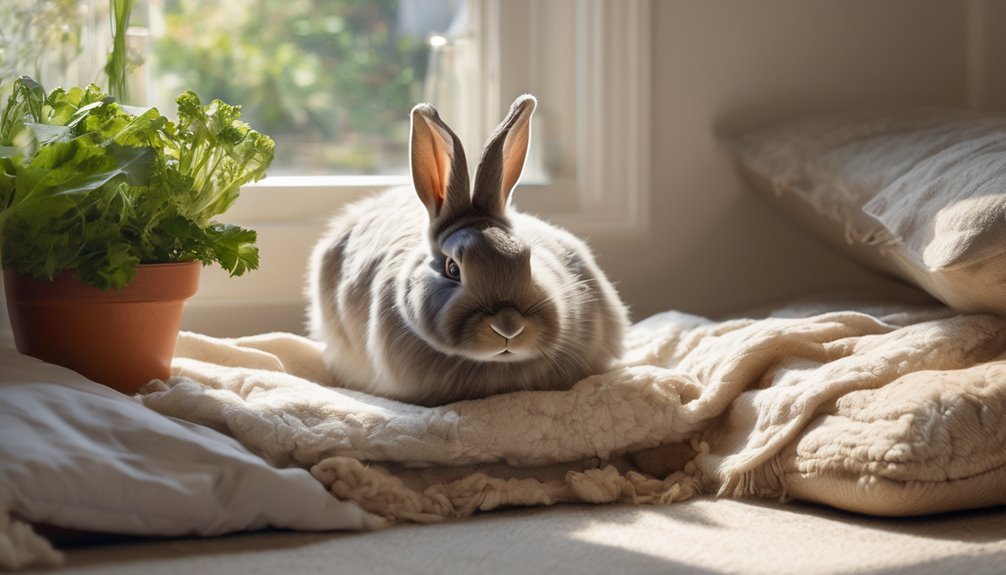
Creating a comfortable living environment for your senior rabbit is crucial for their well-being, especially as they become more sensitive to changes in their surroundings.
Start by providing soft bedding to cushion their joints and encourage restful sleep. Maintain temperature control to ensure they stay warm, as older rabbits can struggle with cold.
Designate safe spaces and quiet areas where they can retreat from noise and stress. Use gentle lighting to create a calming atmosphere, helping them feel secure.
Make sure resources like food, water, and litter are easily accessible, minimizing the need for excessive movement. Incorporating familiar scents can also provide comfort and reassurance, fostering a low-stress environment that supports their health and happiness.
How to Recognize Pain in Your Aging Rabbit?
Recognizing pain in your aging rabbit can be challenging, especially since they often hide discomfort well.
Look for key pain indicators like changes in appetite, grooming habits, and litter box usage. If your rabbit suddenly becomes less active or isolates itself, these behavioral changes may signal distress.
Pay attention to their posture; a hunched back or reluctance to move can indicate pain. You might also notice increased aggression or vocalizations when they’re touched.
Keep an eye on their breathing; rapid or shallow breaths can be a sign of discomfort.
Regularly observe your rabbit’s behavior, as knowing their normal patterns will help you spot any concerning shifts.
If you suspect pain, consult your veterinarian promptly.
Tips for Managing Mobility Challenges in Older Rabbits
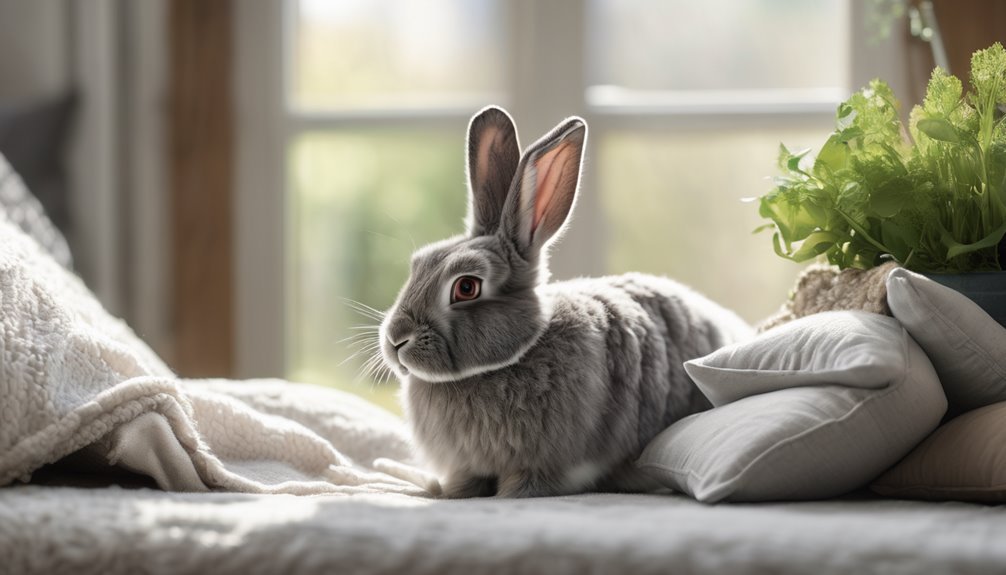
As your rabbit ages, you may notice mobility challenges that can affect their quality of life. To help them, consider introducing mobility aids like ramps or cushioned bedding to ease movement. These adjustments can make a significant difference in their comfort.
Establish gentle exercise routines tailored to their ability; short, frequent sessions can maintain muscle strength and flexibility. Encourage your rabbit to explore safe, confined spaces, which promotes natural movement without overexerting them.
Always observe their behavior during these activities. If they seem fatigued or in pain, adjust the routine accordingly.

Why Regular Vet Visits Matter for Senior Rabbits
Regular vet visits are crucial for senior rabbits, especially since they can help identify health issues before they become serious.
These appointments provide essential preventive care through routine health screenings and dental checkups, ensuring your rabbit’s teeth remain healthy as they age.
Regular checkups also allow for monitoring behavioral changes and pain management, which can indicate underlying problems.
Regular checkups help monitor behavioral changes and manage pain, revealing potential underlying health issues.
Your vet can offer vaccination updates and nutrition advice tailored to your rabbit’s needs, promoting overall well-being.
Additionally, they’ll address parasite control and stress reduction strategies to keep your pet comfortable.
Prioritizing wellness checks not only enhances your rabbit’s quality of life but also helps you catch potential health concerns early, leading to a happier, healthier companion.
Engaging Enrichment Activities to Stimulate Aging Rabbits
To keep aging rabbits mentally and physically stimulated, incorporating engaging enrichment activities is essential. These activities not only promote well-being but also enhance their quality of life.
| Activity | Benefits | Tips |
|---|---|---|
| Interactive Toys | Encourages play | Rotate them regularly |
| Puzzle Feeders | Mental challenges | Use varied textures |
| Gentle Exercises | Physical health | Short, frequent sessions |
| Nature Walks | Sensory stimulation | Ensure safe exploration |
Incorporate social interactions, allowing them to bond with you or other rabbits. Establishing enrichment routines with these activities will help keep your aging rabbit happy and engaged. Remember, variety is key to maintaining their interest!
Monitoring and Managing Weight in Senior Rabbits
Monitoring your senior rabbit’s weight is crucial, since even slight changes can signal underlying health issues. Maintaining a healthy body condition is essential for your rabbit’s overall well-being.
Here are some key strategies for effective weight management:
- Establish a feeding schedule to provide consistent meal times.
- Implement portion control to avoid overfeeding and ensure dietary balance.
- Monitor nutrition closely to support weight loss or obesity prevention.
- Encourage an exercise routine tailored to their abilities, promoting mobility and health.
- Track health regularly, noting any significant weight changes for veterinary consultation.
When to Consider Palliative Care for Your Rabbit?
As your rabbit ages, weight management becomes just one part of their overall health care.
You should consider palliative care when you notice palliative indicators, such as persistent pain, difficulty eating, or decreased mobility. A quality assessment of their daily activities and behaviors is crucial.
If your rabbit shows signs of distress or isn’t enjoying their usual activities, it may be time to evaluate their comfort and well-being. Assessing their appetite and social interactions can also provide valuable insight.
Palliative care focuses on enhancing your rabbit’s quality of life, ensuring they remain as comfortable and happy as possible during their golden years.
Always consult with your veterinarian to discuss the best approach tailored to your rabbit’s specific needs.
Celebrating Your Aging Rabbit: Making Their Golden Years Special
While your rabbit may be entering their golden years, this stage of life presents a wonderful opportunity to celebrate their unique personality and strengthen your bond. Here are some ways to make their golden years truly special:
- Celebrate bunny birthdays with small, nutritious cakes.
- Offer special treats that cater to their dietary needs.
- Create cozy corners where they can relax and feel safe.
- Engage in gentle grooming sessions to enhance comfort and trust.
- Capture playful memories during fun photo sessions with their favorite toys.
These activities not only show your love but also foster meaningful bonding moments.
Conclusion
Caring for your aging rabbit requires attention, compassion, and understanding of their unique needs. By implementing the right dietary adjustments, creating a comfortable living space, and recognizing signs of pain, you can significantly enhance their quality of life. Have you considered how small changes can make a big difference in your rabbit’s comfort? Embrace this opportunity to bond with your furry friend and celebrate their golden years, ensuring they feel loved and cared for throughout their journey.