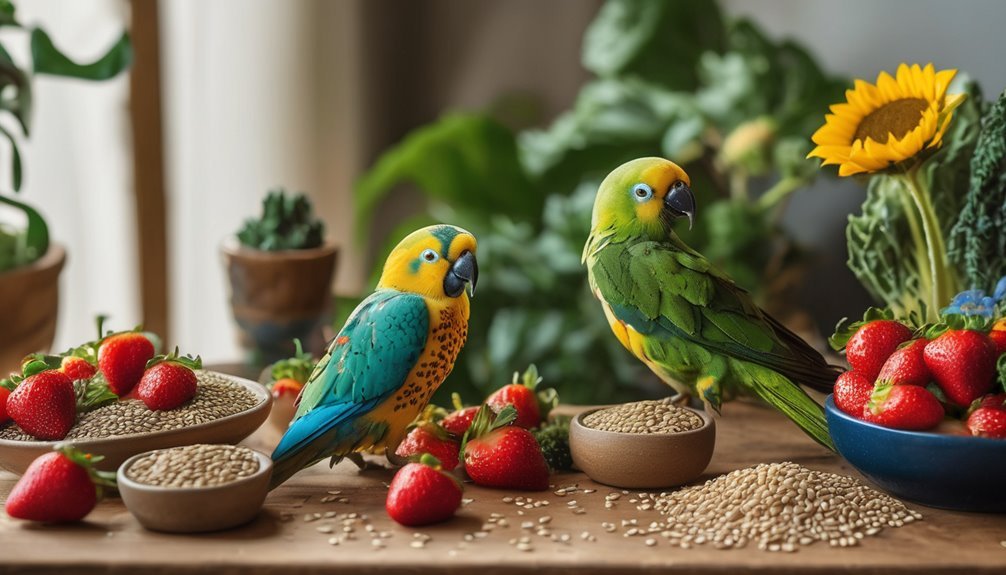
You might think that seeds are enough for your pet bird, but they often lack essential nutrients. A balanced diet is crucial for your bird’s health and longevity. Incorporating high-quality pellets, fresh fruits, and vegetables can make a significant difference. Understanding the right mix of foods isn’t just about variety; it’s about ensuring optimal nutrition. Let’s explore what makes up a healthy diet and how you can implement these changes effectively.
Key Takeaways
- High-quality pellets should form the core of your bird’s diet, providing essential vitamins and minerals for overall health.
- Fresh fruits and vegetables are vital for hydration and fiber, enhancing your bird’s well-being.
- A variety of seeds and grains can be included for added nutrition, but avoid making them the primary food source.
- Monitor your bird’s weight and energy levels to adjust portion sizes and ensure a balanced diet.
- Avoid toxic foods like avocado, garlic, and onion, as well as sugary snacks that can harm your bird’s health.
Build a Balanced Diet for Your Pet Bird
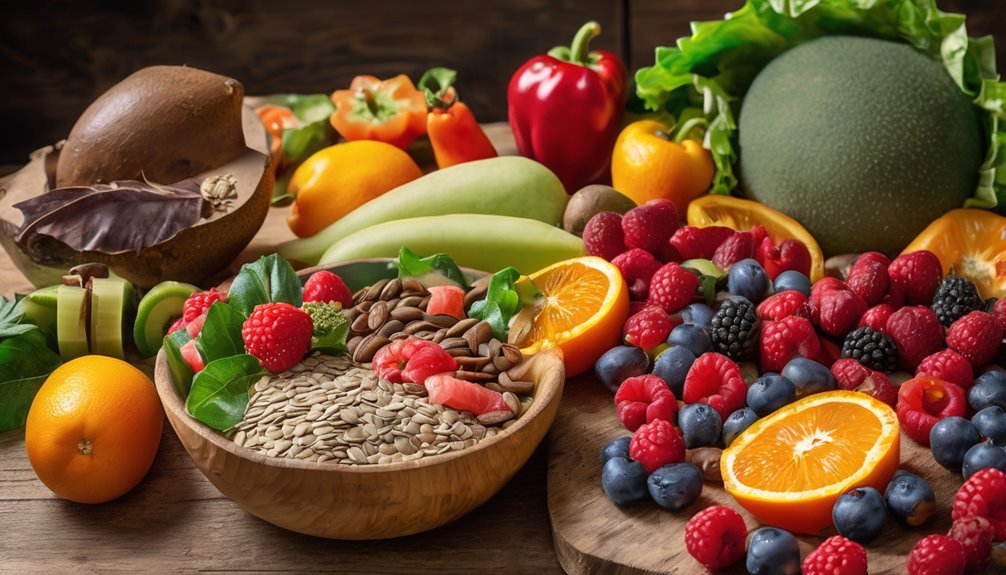
To ensure your pet bird thrives, it’s crucial to build a balanced diet that meets its specific nutritional needs.
Start by providing a variety of high-quality pellet foods, which supply essential vitamins and minerals. Fresh fruits and vegetables should make up a significant portion of their diet, offering hydration and fiber.
Avoid relying solely on seeds, as they lack complete nutrition. Establish consistent feeding schedules to promote good habits; feeding them at the same times daily helps regulate their digestive systems.

Monitor their weight and energy levels to adjust portions as needed.
Essential Vitamins and Minerals for Avian Health
A well-rounded diet for your pet bird isn’t just about variety; it’s also essential to include the right vitamins and minerals.
Avian vitamins, such as A, D, and E, play crucial roles in maintaining your bird’s health. To avoid dietary deficiencies, incorporate diverse mineral sources like leafy greens, fruits, and seeds.
These foods enhance nutrient absorption, ensuring your bird gets the benefits it needs for vibrant plumage and strong immunity. If you’re concerned about deficiencies, consider supplementation options, but always consult with a vet first.
Why Are Pellets Essential for a Balanced Bird Diet?
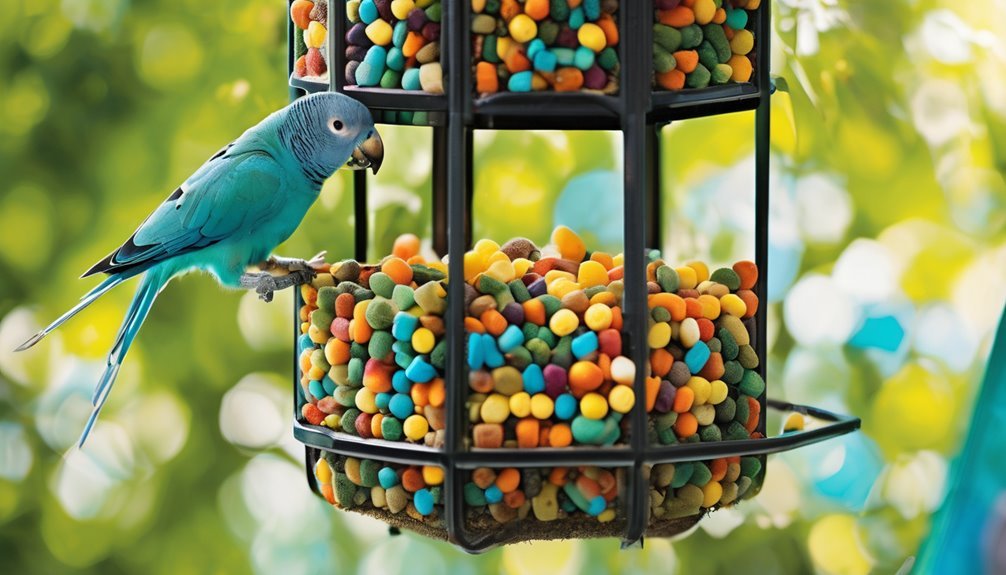
While fresh fruits and vegetables are vital, pellets provide a foundational element in a balanced bird diet. They come in various pellet varieties, ensuring your feathered friend receives a complete range of nutrients. Pellets are designed to meet your bird’s dietary needs, packing essential vitamins, minerals, and proteins in each bite.
Here’s a quick comparison of the nutritional benefits of different pellet varieties:
| Pellet Type | Key Nutritional Benefits |
|---|---|
| Seed-Based | High in fat, moderate protein |
| Grain-Based | Balanced carbohydrates, fiber |
| Veggie-Based | Rich in antioxidants, vitamins |
| Organic | No additives, natural ingredients |
| Fortified | Enhanced vitamins and minerals |
Incorporating pellets into your pet bird’s diet helps ensure they stay healthy and vibrant.
Best Seeds and Grains for Your Pet Bird
Seeds and grains are crucial components of your pet bird’s diet, offering essential nutrients and satisfying their natural foraging instincts.
Opt for a variety of seed varieties like millet, sunflower seeds, and safflower for their unique nutritional benefits. Incorporate grain types such as quinoa and oats, which provide extra fiber and protein.
Employ feeding techniques that encourage foraging activities; scatter seeds in their cage or use puzzle feeders to engage their instincts. Always practice portion control to prevent obesity.
For freshness, store seeds and grains in airtight containers in a cool, dark place. Consider organic options to avoid pesticides, ensuring a healthier diet for your feathered friend.
Your careful choices will keep them happy and thriving.

Fresh Fruits and Vegetables: What to Include for Nutrition
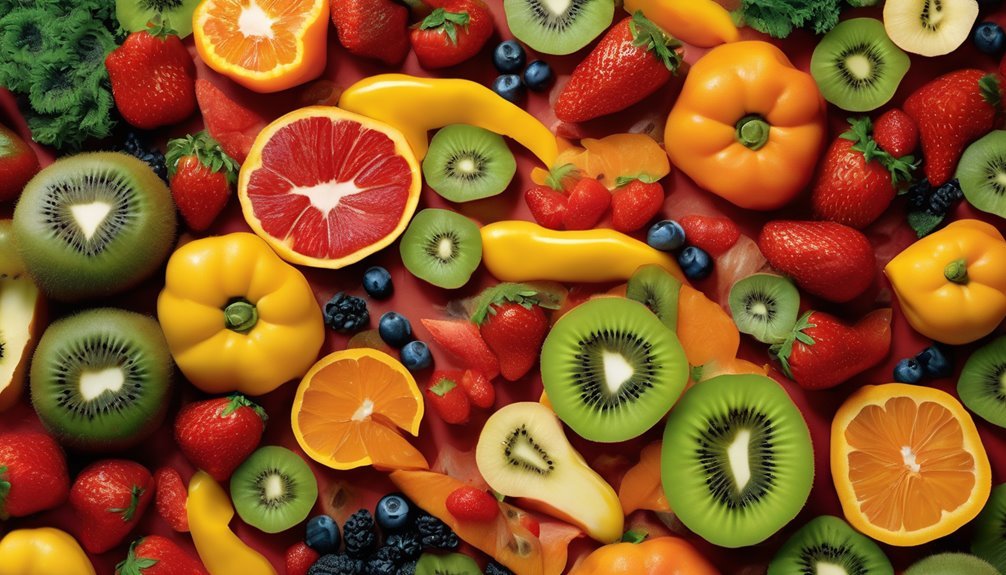
How can you ensure your pet bird gets the vitamins and minerals it needs? Incorporating fresh fruits and vegetables into their diet is essential. Focus on diverse vegetable variety and fruit selection to maximize nutrient density. Opt for organic options whenever possible, and consider seasonal produce for freshness.
Here are some tips to keep in mind:
- Preparation methods: Wash and chop fruits and veggies into manageable pieces.
- Portion sizes: Introduce small amounts to prevent waste and monitor your bird’s preferences.
- Hydration sources: Fresh fruits, like watermelon and cucumber, provide additional hydration.
Safe and Healthy Treat Options for Your Bird
Incorporating safe and healthy treats into your pet bird’s diet can enhance their overall well-being and provide mental stimulation.
Opt for a treat variety that includes bird-safe herbs and nutritional treats, ensuring you offer seasonal options for added interest.
Homemade treats can be a fun way to engage in reward training, helping your bird associate positive behaviors with tasty rewards.
Remember to practice portion control to prevent overeating and maintain your bird’s health.
Foraging activities are another great way to keep your bird stimulated while they search for their favorite treats.
Foods to Avoid for Your Bird’s Safety
While many foods are safe for your pet bird, some can pose serious health risks. It’s crucial to be aware of what to avoid to keep your feathered friend safe and healthy. Here are some foods you should never give your bird:
- Toxic plants like lilacs and azaleas can be deadly.
- Harmful spices such as garlic and onion can cause gastrointestinal issues.
- Sugary foods and processed snacks lead to obesity and other health problems.
Additionally, avoid caffeine sources, as they can be toxic, and remember that avocado risks and chocolate dangers are real.
Lastly, be cautious of salt intake; excessive salt can lead to serious health complications in birds. Always prioritize your bird’s safety by choosing appropriate foods.
Why and How to Transition Your Bird to a New Diet?
Transitioning your bird to a new diet is essential for ensuring its long-term health and happiness, especially if you’re aiming to provide a more balanced and nutritious menu. Start with a gradual introduction to encourage acceptance and minimize stress. Pay attention to your bird’s food preferences and monitor for any behavioral changes. Adjust your feeding schedule to incorporate texture variety, enhancing interest in new foods.
| Step | Action |
|---|---|
| 1. Assess current diet | Identify what your bird eats. |
| 2. Choose new foods | Select safe, nutritious options. |
| 3. Gradual introduction | Mix new foods with favorites. |
| 4. Monitor health | Watch for weight changes. |
| 5. Ensure food safety | Avoid toxic ingredients. |
This structured approach ensures a smooth diet change while prioritizing your bird’s health.
Tips for Monitoring Your Bird’s Diet and Health
Monitoring your bird’s diet and health is crucial for ensuring its well-being, as even subtle changes can indicate underlying issues. Pay attention to your bird’s dietary preferences and adjust its food accordingly.
Monitoring your bird’s diet and health is essential, as even minor changes can reveal serious underlying issues. Adjust its food based on preferences.
Regular health monitoring helps you catch potential problems early.
- Observe Eating Habits: Note how much and what types of food your bird prefers. Changes in appetite or food choices can signal health concerns.
- Check Droppings: Regularly examine droppings for color and consistency, as they can reveal dietary imbalances or illness.
- Behavioral Changes: Be alert for any shifts in energy levels, vocalizations, or social interactions, as these can indicate stress or health issues.
Conclusion
Just like a vibrant garden thrives on diverse plants, your pet bird flourishes with a balanced diet. By blending high-quality pellets, fresh fruits, and veggies, you’re nurturing a flourishing companion. Avoid the weeds of harmful foods to keep their health in full bloom. Remember, every meal is a step toward their well-being; monitor their intake closely. With your careful guidance, your bird will soar to new heights of vitality and happiness.