When you compare human lifespan with that of certain animals, the gap can be startling. You’ll find species like Greenland sharks, bowhead whales, and giant tortoises that can outlive people by decades or even centuries. Their longevity isn’t random; it reflects slow metabolism, low predation, and strong cellular repair. The key question is why evolution favors such extreme lifespans in some species, and the answer gets more revealing from here.
Key Takeaways
- Some tortoises live over 150 years, far longer than most humans.
- Bowhead whales can exceed 200 years in lifespan.
- Greenland sharks may live around 400 years or more.
- Ocean quahogs and red sea urchins can survive for centuries.
- Longevity often comes from slow metabolism, strong repair systems, and low environmental stress.
Why Some Animals Live So Long
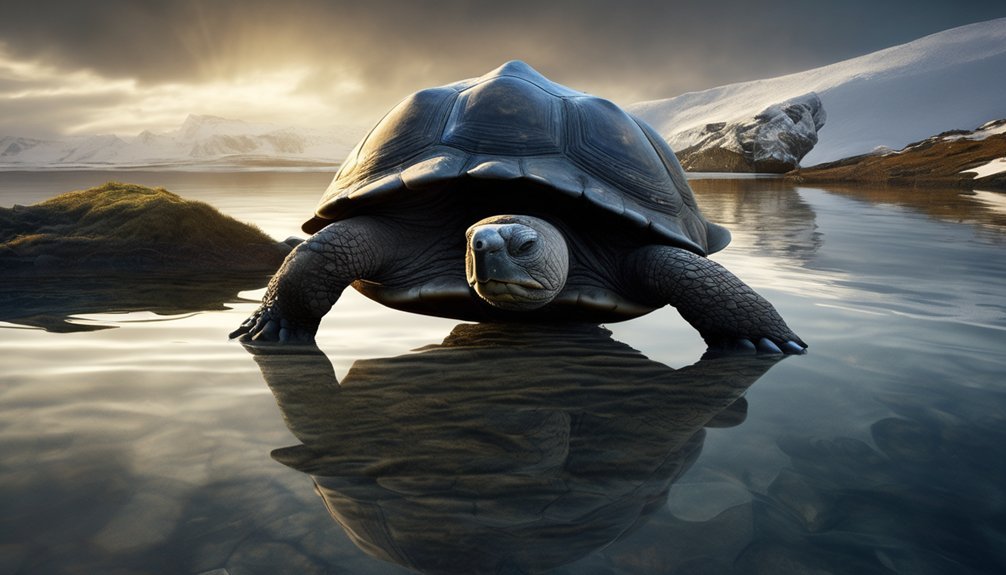
Some animals live far longer than humans because their bodies age more slowly and resist damage more effectively. You can trace this longevity to genetic factors that improve DNA repair, control inflammation, and protect cells from wear.
Their metabolic rates often run lower, which reduces oxidative stress and slows the buildup of molecular damage over time. You’ll also see stronger protein maintenance systems, more efficient mitochondria, and tighter regulation of cell division, all of which support long-term tissue function.
In these species, longevity isn’t an accident; it’s a physiological strategy shaped by evolution. When you study them closely, you notice a common pattern: their bodies invest less in rapid growth and more in preservation, so essential systems keep working with remarkable stability across decades.
Animals That Outlive Humans in the Wild
In the wild, a small group of animals routinely outlive humans, often by decades or even centuries. You’ll find that wild longevity appears in species shaped by slow metabolism, strong repair systems, and low predation pressure.

Certain tortoises, for example, can remain active for more than a century, while some birds and mammals also survive far beyond your expected human lifespan. Natural selection favors traits that reduce cellular damage, delay reproduction, and protect tissues over time.
Because you face disease, injury, and environmental stress, these animals’ survival strategies look remarkably efficient. If you study them closely, you’ll see that outliving humans in nature isn’t luck; it’s a precise biological outcome of adaptation, energy conservation, and resilience.
Ocean Animals With Record Lifespans
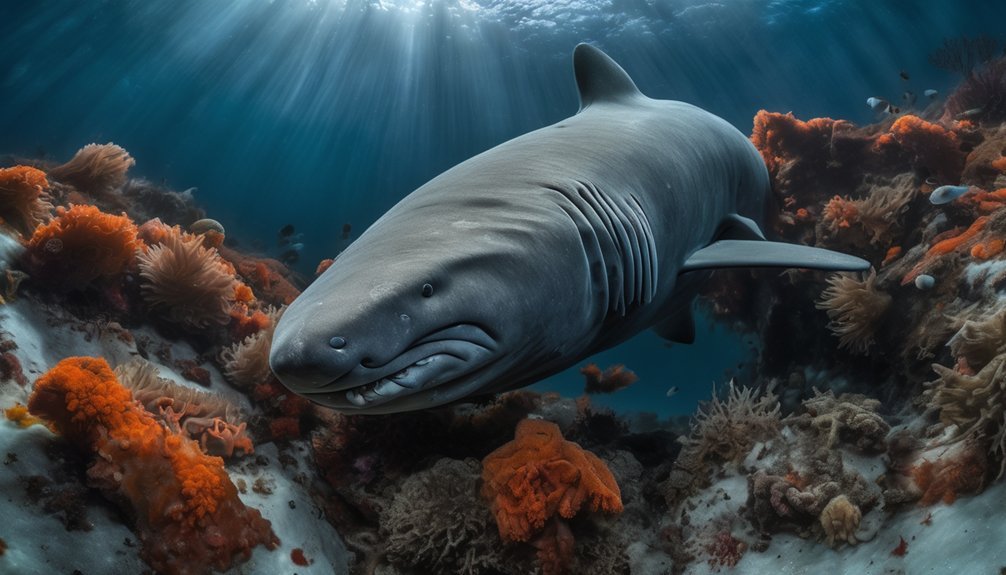
Beneath the ocean’s surface, several species set extraordinary longevity records that far exceed your expectations for animal life spans. You’ll find ocean giants and deep sea dwellers whose slow metabolisms, cold habitats, and low predation pressure help them persist for centuries.
- Greenland sharks can likely exceed 400 years, making them among the oldest vertebrates you may encounter.
- Bowhead whales often live 200 years or more, with robust tissue repair and stable Arctic conditions supporting their age.
- Ocean quahogs, such as Ming, can survive over 500 years, protected by burrowing behavior and reduced metabolic demand.
When you study these animals, you see that the ocean rewards physiological efficiency. Their longevity isn’t mystical; it’s a measurable outcome of genetics, environment, and energy conservation.
Land Animals That Reach Extreme Ages
On land, a few species match or even surpass human longevity through slow metabolism, low reproductive stress, and exceptional cellular maintenance.
You can see this most clearly in elephant longevity, where large bodies, stable social care, and low annual mortality support decades of survival.
You’ll also notice tortoise resilience, a trait tied to efficient tissue repair, low oxidative damage, and a metabolism that conserves energy with precision.
These animals don’t simply age slowly; they preserve organ function, maintain DNA integrity, and delay the usual failures that end life.
When you study them, you get a practical model of how physiology can favor endurance over rapid turnover.
Their extreme ages remind you that land mammals and some shelled herbivores can outlast many humans.
Reptiles and Amphibians That Live the Longest
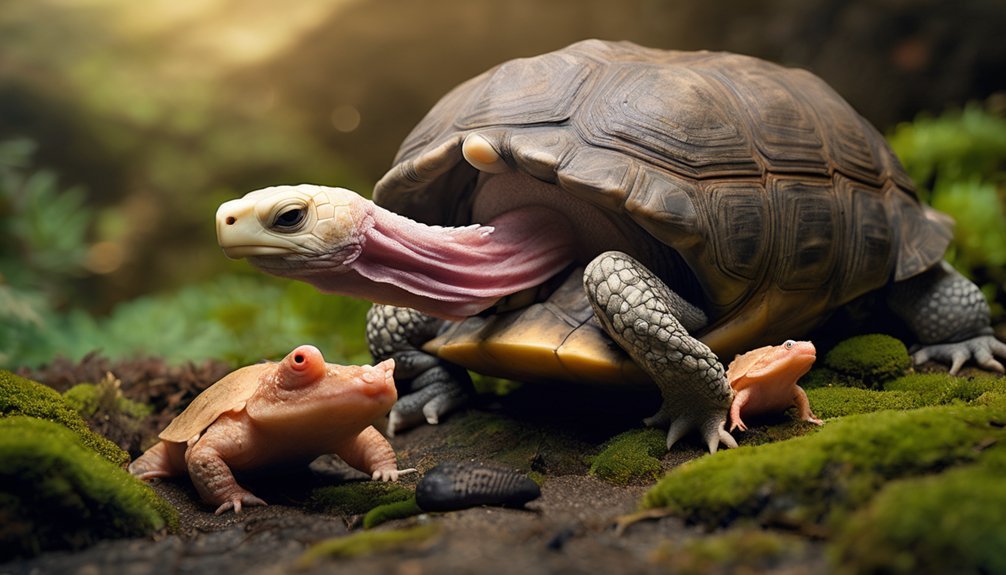
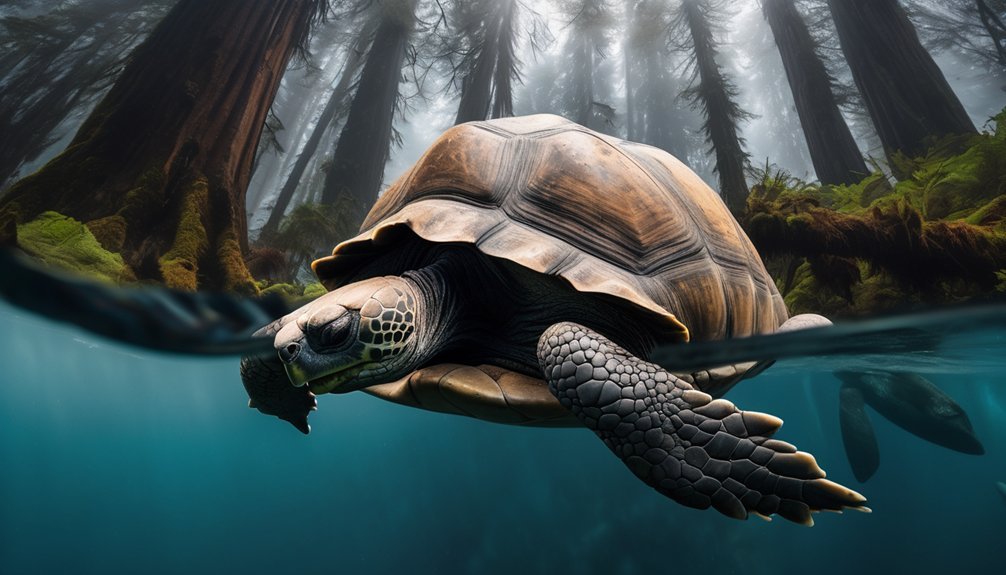
Among reptiles, turtles and tortoises stand out for exceptional lifespan, with some individuals living well over a century because their slow growth, low metabolic rates, and strong cellular repair systems reduce cumulative damage over time.
You’ll often see this tortoise longevity in giant tortoises, whose shells and tissues support decades of steady maintenance.
In amphibians, you can also observe amphibian resilience in species like salamanders and newts, which may persist for many years in cool, stable habitats.
- Tortoises can outlive your family pets by generations.
- Box turtles often remain active for 50 years or more.
- Some salamanders keep renewing tissues long after maturity.
When you compare them, you’ll notice life history, not size alone, shapes longevity.
Why Some Species Age So Slowly
Some species age slowly because their bodies are built to limit damage at every stage of life. You see this in low metabolic strain, efficient DNA repair, and proteins that stay stable longer under normal use. Their aging mechanisms don’t switch into high gear early, so cells keep dividing without accumulating as much error.

You also notice stronger cellular resilience: membranes resist oxidation, stem cells replace tissue more effectively, and waste-control systems clear misfolded proteins before they spread harm. These species often preserve organ function with remarkable consistency, which delays the decline you’d expect in mammals like us.
In effect, they don’t merely survive longer; they maintain biological order longer, too, and that steady maintenance is what slows aging.
How Environment Affects Lifespan
Even the longest-lived animals don’t age in a vacuum, because temperature, food availability, predation, disease pressure, and habitat stability all shape how fast their bodies wear down. You can think of lifespan as a product of habitat influence and other ecological factors that either reduce or amplify stress.
- Stable waters or soils let metabolism stay consistent, limiting repair costs.
- Predictable food supply lowers starvation cycles, so tissues aren’t repeatedly stressed.
- Low predation and disease keep energy from being diverted into constant emergency responses.
When you compare ocean trenches, islands, and deep caves, you’ll see that environmental buffering matters as much as biology. In harsh settings, animals spend more energy surviving each day, and that pressure shortens life even when growth is slow.
Survival Adaptations Behind Long Life
Long lifespans usually depend on adaptations that reduce cellular damage, conserve energy, and maintain function under chronic stress.
Long lifespans often arise from adaptations that minimize cellular damage, conserve energy, and sustain function under chronic stress.
You can see this in animals that slow metabolism, repair DNA efficiently, and protect proteins from misfolding. Their tissues often tolerate low oxygen, heat, or pressure without losing performance, which lets them survive conditions that would strain shorter-lived species.
Longevity genetics shapes these traits, but evolutionary adaptations also fine-tune immune control, antioxidant defenses, and stem cell maintenance.
You’re looking at bodies built to resist aging at multiple levels, not just one.
Even behavior matters: some species limit activity, delay reproduction, or shelter in stable habitats, lowering cumulative wear over time.
What Scientists Learn From Long-Lived Animals
Scientists study long-lived animals to identify biological mechanisms that delay aging and preserve tissue function over time. You gain insight into how cells resist damage, how protein quality control stays efficient, and how repair pathways remain active.
In longevity research, these species expose genetic factors that shape metabolism, inflammation, and stress tolerance. You can think of the findings like this:
- They maintain stable DNA repair.
- They limit oxidative injury.
- They keep organs functional longer.
When you compare whales, tortoises, and naked mole-rats, you see distinct solutions to the same problem: surviving decades without collapse.
These animals don’t just live longer; they show you which pathways biology can tune, and that helps guide therapies aimed at slowing age-related decline in your own body.
Frequently Asked Questions
What Are the Oldest Known Animals Ever Discovered?
You’ll find ancient sponges, Greenland sharks, and ocean quahogs among the oldest known animals. Their oldest species survive through low metabolism, cold habitats, and slow growth—key longevity factors that help you understand extreme animal lifespan.
Can Long-Lived Animals Reproduce for Most of Their Lives?
Yes, you can see that long-lived animals often reproduce for much of life; ironically, their reproductive lifespan can outlast yours. Their aging process slows declines, so fertility may persist until late stages, depending on species.
Do Long-Lived Animals Ever Die From Disease?
Yes, you’ll still see long-lived animals die from disease, because cellular aging weakens tissues and their immune response. Infections, cancers, and organ failure can end life long before aging alone would.
Which Long-Lived Animals Are Endangered Today?
You’d find that several long-lived animals, like the vaquita, are endangered today; conservation efforts target their shrinking populations. Imagine you spot one in nets—each death matters, because endangered species can’t recover quickly.
Can Captivity Make Animals Live Longer Than in the Wild?
Yes, you’ll often see longer lifespans in captivity. Captivity effects can reduce predation, starvation, and disease, improving care. In a lifespan comparison, however, stress, inactivity, and limited space can sometimes shorten life.
Conclusion
You’ve seen that longevity can be extraordinary: a Greenland shark may live over 400 years, far longer than any human. That statistic highlights how extreme low metabolism, slow growth, and strong cellular repair can extend lifespan. As you compare ocean, land, and reptilian species, you can see a common pattern: stable environments and effective defenses against damage support long life. These animals don’t just survive; they reveal mechanisms scientists can study to improve human healthspan.