If your dog is overweight, it’s essential to approach their weight loss journey with care. Excess weight can lead to serious health issues, so understanding the right methods is crucial. By consulting your veterinarian, you can establish a personalized plan that combines diet and exercise. This isn’t just about reducing food; it’s about creating a sustainable lifestyle for your pet. Let’s explore the steps you can take to support your dog’s health effectively.
Key Takeaways
- Assess and adjust caloric intake to align with your dog’s ideal weight, ensuring a balanced diet that meets nutritional needs.
- Implement portion control by measuring food servings to prevent overeating and maintain consistent feeding schedules.
- Engage in regular exercise activities like fetch or agility courses to promote calorie burning and enhance physical fitness.
- Monitor progress through weekly weigh-ins and record keeping to track meals, snacks, and exercise, celebrating small milestones along the way.
- Provide fresh water continuously to ensure hydration, supporting overall health and weight loss efforts.
Understanding the Risks of Dog Obesity
When you consider your dog’s health, it’s crucial to understand the risks associated with obesity. The consequences of carrying excess weight can be severe, leading to various health complications.
Conditions like diabetes, heart disease, and joint issues often arise, significantly affecting your dog’s quality of life. You might notice that your furry friend struggles with everyday activities, like playing or going for walks. Their energy levels may drop, making them less inclined to engage and enjoy life.
Additionally, obesity can shorten your dog’s lifespan, a reality that weighs heavily on any loving owner. By acknowledging these risks, you can take proactive steps to improve your dog’s well-being, ensuring they lead a healthy and happy life.

Does Your Dog Need to Lose Weight?
Recognizing whether your dog needs to lose weight is vital for their health and longevity. A weight assessment can help you determine if your furry friend is at a healthy body condition.
Recognizing if your dog needs to lose weight is essential for their overall health and long life.
Here are three signs to consider:
- Rib Check: You should be able to feel your dog’s ribs without pressing too hard. If you can’t, they may be overweight.
- Waistline: When viewed from above, your dog should have a noticeable waist. A lack of a defined waistline can indicate excess weight.
- Energy Levels: If your dog seems lethargic or struggles with everyday activities, it might be time for a weight reassessment.
How to Create a Balanced Diet Plan for Your Dog

Creating a balanced diet plan for your dog is essential to support their weight loss journey and overall health. Start by assessing their caloric intake, ensuring it aligns with their ideal weight.
Implement portion control to help regulate their daily food consumption. Focus on nutrient balance by incorporating high-quality proteins, healthy fats, and fiber-rich carbohydrates.
Establish a consistent feeding schedule with appropriate meal frequency to avoid overeating. Remember, treat alternatives like carrots or green beans can satisfy cravings without added calories.
Lastly, emphasize hydration importance by providing fresh water at all times. By being attentive to these aspects, you’ll foster a healthier lifestyle for your furry friend and strengthen your bond in the process.
Engaging Activities to Boost Your Dog’s Exercise
A well-rounded diet is just one part of your dog’s weight loss journey; engaging activities play a vital role in boosting their exercise levels.
Incorporating fun and stimulating activities can help your furry friend shed those extra pounds while strengthening your bond. Here are three engaging options to consider:
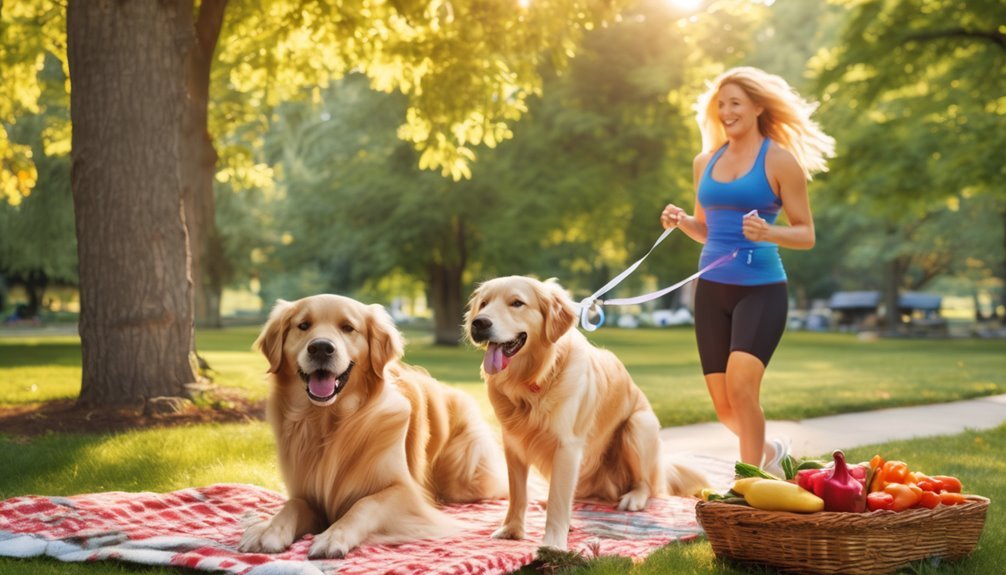
- Fetch Games: A classic favorite, fetch encourages running and chasing, making it a fun way to burn calories.
- Agility Courses: Set up a simple agility course in your backyard. It challenges your dog mentally and physically while providing an exciting workout.
- Interactive Playdates: Arrange playdates with other dogs. Social interaction can motivate your pup to move and play, enhancing their exercise routine.
These activities not only support weight loss but also enrich your dog’s life.
Healthy Snack Choices for Weight Loss
When you’re helping your dog lose weight, choosing the right snacks can make a significant difference in their diet. Opt for low-calorie treats and consider vegetable snacks like carrots or green beans. Homemade recipes can be tailored to include protein-rich options while controlling portions. Fruit alternatives, such as apple slices (without seeds), can also delight your pup. Remember that dental chews can aid in both weight loss and oral health. For training rewards, select smaller, healthy options.

Here’s a quick reference table:
| Snack Type | Examples | Benefits |
|---|---|---|
| Low Calorie Treats | Commercial brands | Weight management |
| Vegetable Snacks | Carrots, Green beans | Low-calorie, nutritious |
| Fruit Alternatives | Apple slices, Blueberries | Natural sweetness |
Tracking Progress and Celebrating Small Wins
As you choose nutritious snacks for your dog, keeping track of their progress can be incredibly motivating. Celebrating weight loss milestones, no matter how small, reinforces positive behavior and strengthens your bond.
Here are three ways to track progress:
- Weekly Weigh-Ins: Regularly monitor your dog’s weight to see the changes over time.
- Behavioral Changes: Notice increased energy levels or enthusiasm during walks—these are signs of improvement.
- Record Keeping: Maintain a journal or app to log meals, snacks, and exercise.
Each small win deserves recognition. Treat yourself and your dog to a special moment, like extra cuddle time or a new toy.
These celebrations provide positive reinforcement, ensuring you both stay motivated on this journey together.
Why Regular Vet Visits Matter for Your Dog’s Health
Regular vet visits are essential to maintaining your dog’s overall health, especially during a weight loss journey. These appointments provide vital preventive care, helping identify issues early through routine screenings and health assessments.
Your vet will guide you on effective weight management strategies tailored to your dog’s needs. Additionally, they’ll check dental health, ensuring your furry friend can eat comfortably and healthily.
Regular parasite control updates protect against harmful infestations, while vaccination updates keep your dog safe from preventable diseases. Behavioral evaluations give insights into any emotional or psychological issues, allowing for a well-rounded approach to your dog’s health.
Frequently Asked Questions
Can Certain Breeds Be More Prone to Obesity Than Others?
Yes, certain breeds do have a predisposition to obesity due to genetic factors. Lifestyle influences and dietary habits also play crucial roles, so understanding your dog’s specific needs can help maintain a healthy weight.
How Can Stress Affect My Dog’s Weight Loss Journey?
Stress can hinder your dog’s weight loss by triggering emotional eating and behavioral changes. Managing anxiety through consistent routines and positive reinforcement can help create a calmer environment, allowing your dog to focus on healthy habits.
Are There Medications That Can Help With Dog Weight Loss?
Yes, there are weight loss supplements for dogs, but you should always seek veterinary advice before starting any medication. Your vet can recommend safe options tailored to your dog’s specific needs and health conditions.
What Should I Do if My Dog Refuses to Exercise?
If your dog refuses to exercise, try motivational techniques like treats or praise. Surprisingly, 40% of dogs prefer indoor activities. Engage them with interactive toys or short play sessions to spark interest and encourage movement.
How Can I Prevent My Dog From Gaining Weight Again?
To prevent weight gain, adjust your dog’s diet with portion control, establish regular meal schedules, incorporate healthy treats, maintain consistent exercise routines, and schedule regular vet visits to monitor progress and ensure their well-being.
Conclusion
Just as a garden flourishes with careful tending, your dog’s health thrives under your attentive care. By nurturing a balanced diet, fostering engaging activities, and celebrating progress, you cultivate a happier, healthier companion. Regular check-ups ensure your dog’s journey is on the right path, much like a gardener monitoring growth. Embrace this process; each small victory is a step towards a vibrant, thriving relationship with your pet, reminding you that their wellbeing is a reflection of your dedication.