
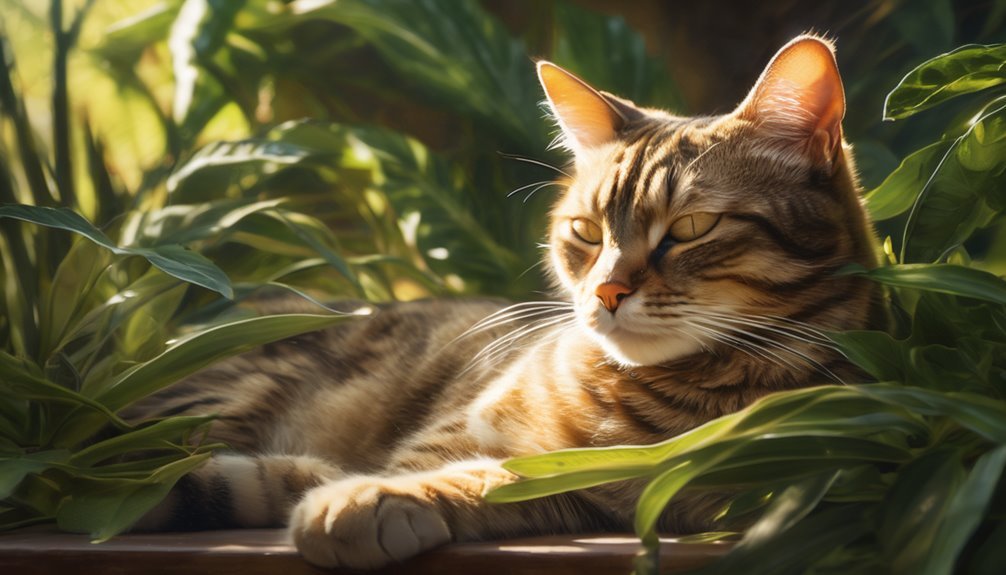
You might find it fascinating that cats purr not just when they’re content, but for various complex reasons. This soothing sound reflects their emotional state and can indicate comfort, healing, or even anxiety. As you observe your feline companion, consider how purring functions as both a communicative signal and a therapeutic mechanism. What drives this intriguing behavior, and how does it impact their well-being and your relationship with them?
Key Takeaways
- Cats purr to express comfort and contentment, indicating they feel safe and secure in their environment.
- Purring serves as a vital communication tool, reinforcing trust between cats and their owners.
- The healing frequencies of purring can reduce stress, promote relaxation, and aid in tissue regeneration.
- Kittens purr to bond with their mothers and siblings, fostering emotional connections during critical developmental stages.
- Variability in purring can indicate different emotional states or health issues, requiring attention from cat owners.
What Is Purring and How Do Cats Do It?
Purring is one of the most distinctive sounds cats make, often evoking a sense of comfort and affection. You might be curious about how they produce this soothing sound.
The purring mechanics involve rapid contractions of the laryngeal muscles, which cause the vocal cords to separate and vibrate. This unique action creates the rhythmic sound you recognize so well. As your cat inhales and exhales, the vibrations continue, resulting in that gentle, continuous purr.
The rhythmic sound of purring arises from rapid laryngeal muscle contractions, creating a soothing vibration as your cat breathes.
Interestingly, this process isn’t just about sound; it also serves a purpose. Some studies suggest that the frequencies of purring may promote healing and reduce stress, enhancing the bond between you and your feline friend.

Understanding this can deepen your appreciation for their comforting presence.
The Comfort of Purring: When Cats Feel Safe
When cats curl up beside you, their gentle purring often signals a deep sense of safety and contentment. This soothing sound isn’t just a sign of relaxation; it’s a crucial form of feline communication.
When your cat purrs, it’s expressing trust, letting you know they feel secure in your presence. This purring relaxation can lower their stress levels, promoting a sense of well-being.
You may notice that they often purr when they’re nestled against you or when you’re petting them, reinforcing that bond between you. The rhythmic vibrations of their purr help create an environment where both of you can unwind, highlighting the profound connection that exists in those quiet moments together.
How Cat Purring Reflects Comfort and Safety
Cats often emit a soft purring sound as a clear indication of their comfort and safety. This purring behavior isn’t just a pleasant background noise; it serves as an emotional signal that reassures you of their well-being.
When you notice your cat curling up next to you, purring gently, it’s a sign they feel secure in your presence. This behavior can lower their stress levels, promoting relaxation.
The vibrations produced during purring may also help in muscle recovery, indicating a deeper biological connection to comfort. As you observe this intimate exchange, you realize that each purr is a subtle communication, reinforcing the bond between you and your feline friend, marking a safe space where both of you can thrive together.
The Healing Power of Purring
The soft vibrations of a cat’s purr hold more than just a comforting melody; they can also possess remarkable healing properties. Research suggests that the purring frequency, typically between 25 and 150 Hertz, resonates with the body’s natural healing processes. This connection not only fosters an emotional bond but also encourages physical well-being.
The soothing vibrations of a cat’s purr promote healing and strengthen the bond between feline and human.
- Reduces Stress: The soothing sound lowers cortisol levels, promoting relaxation.
- Enhances Healing: Frequencies can stimulate tissue regeneration, aiding recovery from injuries.
- Alleviates Pain: Cats’ purring may release endorphins, providing natural pain relief.
When you listen to your cat purr, you’re not just enjoying a moment of tranquility; you’re tapping into a unique form of healing that deepens your emotional connection.
How Kittens Use Purring for Bonding and Development
Purring emerges as an essential tool for kittens, fostering both emotional bonds and developmental milestones. As you observe these tiny creatures, you’ll notice how they use purring as a form of kitten communication. It’s not just about comfort; it’s a vital part of their growth and connection with their mother and littermates.
Here’s a breakdown of how purring plays a role in their development:

| Function | Impact on Kittens | Stage of Development |
|---|---|---|
| Comforting | Soothes anxiety | Early weeks |
| Bonding | Strengthens maternal ties | First few weeks |
| Exploration | Encourages confidence | 3-4 weeks |
| Socialization | Promotes interaction with siblings | 4-8 weeks |
Through purring, kittens actively engage in developmental bonding, ensuring they grow emotionally secure.
Factors Influencing Variability in Cat Purring
While observing the soothing vibrations of a cat’s purr, you’ll notice that various factors influence its intensity and frequency. Understanding these elements can deepen your connection with your feline friend.
Here are some key influences:
- Emotional States: A cat purrs differently when content versus anxious, revealing its feelings.
- Health Conditions: Illness or discomfort might alter purring frequency and intensity, signaling a need for attention.
- Environmental Influences: Changes in surroundings, such as noise or stress, can impact how and when your cat chooses to purr.
When Should You Worry About Your Cat’s Purring?
Understanding your cat’s purring can help you discern when something might be amiss. While purring often signals contentment, it can also indicate health concerns.
Pay attention to any sudden behavioral changes; if your cat’s purring shifts from soothing to strained, it might be a stress indicator or a response to discomfort.
Monitor your cat’s purring closely; a shift from soothing to strained may signal stress or discomfort.
Emotional responses can vary based on environmental factors, so observe your cat’s surroundings and interactions. If the purring is accompanied by signs of distress, such as hiding or aggression, it’s crucial to investigate further.
Remember, communication cues like purring can mask underlying medical conditions. If you sense something isn’t right, don’t hesitate to consult your vet for a thorough evaluation.
Your intuition is a valuable tool in ensuring your cat’s well-being.
Frequently Asked Questions
Do All Cats Purr, or Just Certain Breeds?
Not all cats purr; most domestic breeds do, but variations exist. You’ll notice breed differences in purring mechanisms. Each cat’s unique anatomy influences how and when they express this soothing sound.
Can Purring Be a Sign of Pain in Cats?
About 25% of purring occurs when cats are in distress. You’ll notice their purring mechanics shift during pain, revealing a complex layer of feline communication. Pay attention; it might signal more than just contentment.
How Can I Tell if My Cat Is Happy While Purring?
You’ll notice your cat’s relaxed body language, slow blinking, and gentle purring behavior—these indicate positive cat emotions. Pay attention to their environment; comfort signals often reveal happiness, making your bond even stronger.
Is Purring Unique to Domestic Cats?
Purring isn’t exclusive to domestic cats; other felines like cheetahs and bobcats also purr. This behavior’s purring mechanics and evolutionary purpose suggest it serves communication, comfort, and even healing, fostering deeper connections with you.
Can I Train My Cat to Purr on Command?
You can’t train your cat to purr on command, but observing purring techniques during relaxed moments can enhance your bond. Focus on positive reinforcement for desired behaviors, fostering a trusting environment instead.
Conclusion
In essence, your cat’s purring is a soothing symphony of comfort and communication. It’s not just a sign of happiness; it’s a complex blend of biology and emotion, like a warm blanket wrapping you in safety. Understanding this gentle sound can deepen your bond with your feline friend. So, the next time you hear that rhythmic hum, remember it’s more than just a noise—it’s a language of love and healing that only your cat can share.