Bringing a new dog into your home is an exciting yet delicate process. You want to create a safe and welcoming environment that allows your new furry friend to feel at ease. It’s essential to prepare your space and understand how to introduce your dog to family members and other pets. Each step is crucial, as it sets the tone for your dog’s adjustment. Let’s explore how to make this transition as smooth as possible.
Key Takeaways
- Dog-proof your home by removing hazards like electrical cords, trash cans, and toxic plants to ensure a safe environment.
- Gather essential supplies such as a cozy bed, food and water bowls, and engaging toys to help your dog feel at home.
- Maintain a calm atmosphere during the initial meeting, allowing the dog to explore and acclimate to the new surroundings.
- Introduce family members gently, encouraging sniffing and exploration while monitoring body language for comfort and trust-building.
- Establish a consistent daily routine that includes feeding, exercise, socialization, and training to promote stability and bonding.
Preparing Your Home for a New Dog
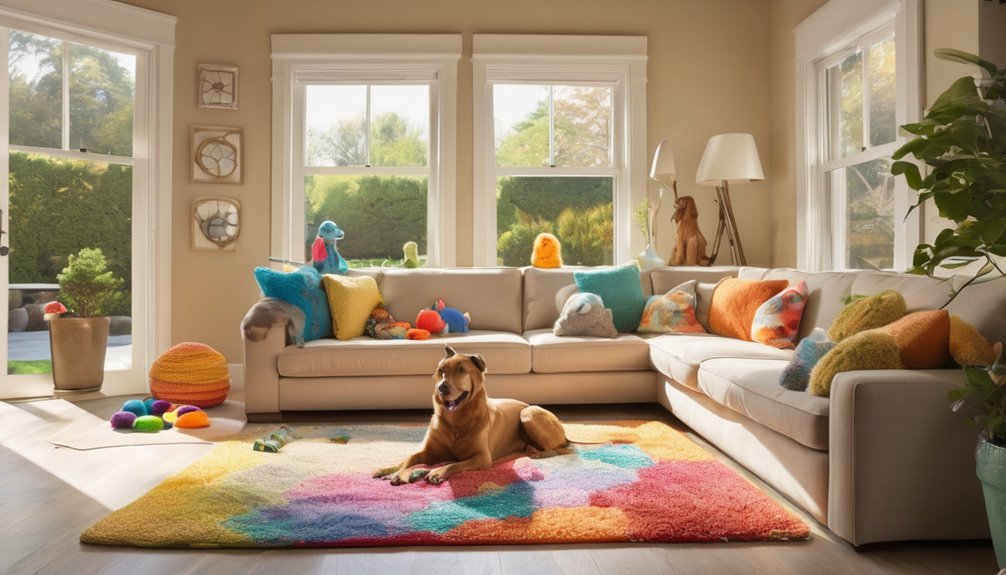
Before you bring your new dog home, it’s crucial to create a welcoming environment that ensures their comfort and safety.
Start by dog proofing spaces where they’ll roam. Tuck away electrical cords, secure trash cans, and remove any harmful plants. This simple step helps prevent accidents and makes your home feel secure for your furry friend.
Next, gather essential supplies. Invest in a cozy bed, food and water bowls, and some engaging toys to keep them entertained.

Don’t forget to have a proper leash and collar ready for those first walks.
First Impressions: The Initial Meeting
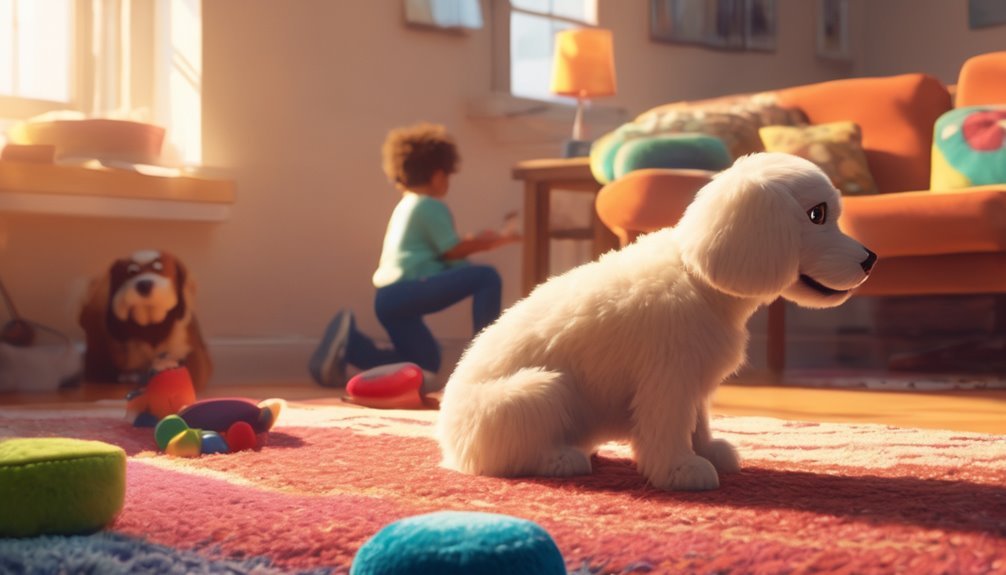
When you finally bring your new dog home, the initial meeting sets the tone for your future relationship. To create a welcoming atmosphere, consider these key points:
- Calm Environment: Keep the surroundings quiet and free from distractions to ease your dog’s nerves.
- Scent Introduction: Allow your dog to explore the space and sniff familiar items to enhance comfort.
- Body Language Awareness: Pay attention to your dog’s body language; approach slowly and let them come to you.
How to Introduce Your New Dog to Family Members?
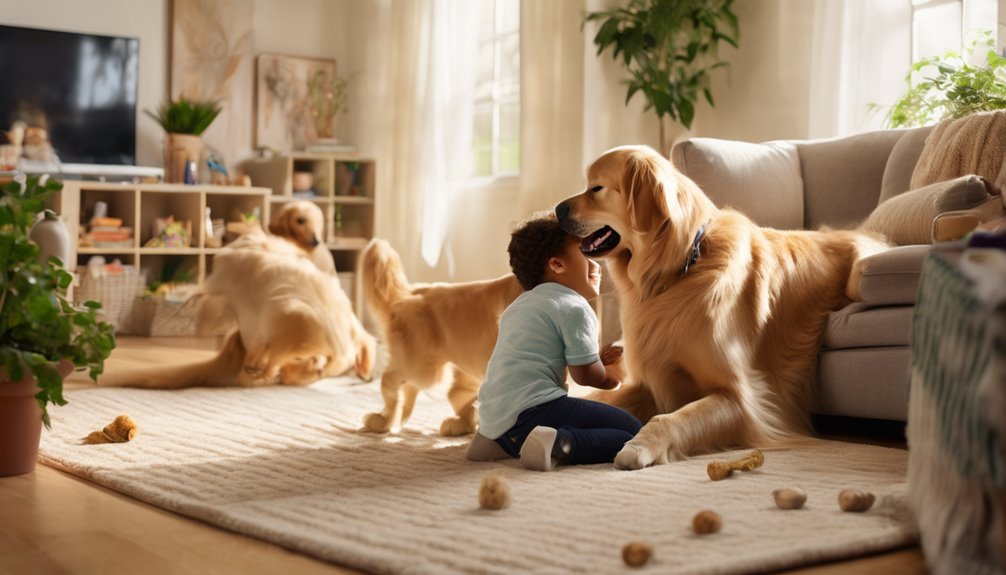
Introducing your new dog to family members can be a heartwarming experience, but it’s important to approach it with care.
Start by gathering everyone in a calm space; this helps your dog feel secure and reduces anxiety. Make sure each family member understands their role, especially siblings, as their interactions will shape your dog’s comfort and trust.
Encourage gentle introductions, allowing your dog to sniff and explore at their own pace. Monitor body language—yours and your dog’s—to ensure everyone feels safe.
Celebrate small victories, like your dog approaching a family member. By respecting family dynamics and nurturing these early connections, you’ll lay the foundation for a loving relationship between your new dog and your family.
Introducing Your New Dog to Other Pets
After your new dog has met your family members, the next step is introducing them to any existing pets. This process can be delicate, as understanding each pet’s personality and the established hierarchy is crucial.
- Choose a Neutral Space: Start the introduction in a calm, neutral area to minimize territorial behavior.
- Supervise Initial Meetings: Keep a close eye on interactions, allowing both pets to explore each other at their own pace.
- Reward Positive Behavior: Use treats and praise to reinforce friendly interactions, helping both pets feel secure.
Setting Up a Daily Routine for Your Dog
Establishing a daily routine for your new dog can significantly enhance their adjustment to your home, as it provides structure and predictability.
Start with a consistent feeding schedule, ensuring they know when to expect meals. Daily exercise is vital, so plan walks or playtime engagement to keep them active and stimulated.
Incorporate socialization activities with other dogs or people to boost their confidence. Don’t forget grooming routines; regular brushing helps them feel comfortable and cared for.
Finally, include short training sessions throughout the day; they’re essential for bonding and teaching good behavior.
How to Create a Safe and Cozy Environment
Creating a safe and cozy environment for your new dog is essential for their comfort and well-being.
Start by dog proofing spaces around your home to eliminate hazards. Here are three ways to enhance their environment:

- Designate a Safe Area: Choose a quiet corner with a comfortable bed where they can retreat when feeling overwhelmed.
- Provide Comfort Items: Offer familiar toys, blankets, or even an item with your scent to help them feel secure.
- Secure Hazards: Keep toxic plants, small objects, and cleaning supplies out of reach to ensure their safety.
How to Interpret Your New Dog’s Body Language?
Understanding your new dog’s body language is crucial for building a strong bond and ensuring their comfort. Pay attention to their body signals and behavior cues.
A relaxed stance, with a wagging tail and soft eyes, indicates contentment. Conversely, fearful postures—like cowering or tucked tails—show your dog’s discomfort.
Look for stress indicators, such as lip licking or yawning, which can signal anxiety. Playful gestures, like bowing or bouncing, invite interaction and fun.
If your dog seeks your attention, they might lean in or nudge you gently. Always respect their comfort zones, giving them space when needed.
Effective Training Tips for a Smooth Transition
As you welcome your new dog into your home, effective training can make all the difference in easing their transition. Here are three essential tips to help you:
- Use Positive Reinforcement: Reward your dog with treats and praise for good behavior. This builds trust and encourages them to repeat those actions.
- Implement Socialization Techniques: Gradually introduce your dog to new environments, people, and other pets. This helps them feel secure and adaptable.
- Establish a Routine: Consistency is key. Set up regular feeding, walking, and play schedules to help your dog understand what to expect.
Monitoring Progress: Adjusting Strategies as Needed
Effective training is just the start; monitoring your dog’s progress is key to ensuring their success. By paying attention to behavioral cues and communication signals, you can identify when strategy adjustments are needed. Regular progress tracking helps you evaluate how your dog adapts to social interactions and environment changes.
Here’s a simple table to guide your monitoring:
| Aspect | Observation Tips | Adjustments Needed |
|---|---|---|
| Behavioral Cues | Look for signs of comfort or stress | Increase positive reinforcement |
| Social Interactions | Note their reactions with others | Gradual exposure to new dogs |
| Environment Changes | Observe their behavior in new spaces | Modify the setting |
| Stress Management | Watch for signs of anxiety | Introduce calming techniques |
| Routine Evaluation | Assess daily habits and routines | Adapt as needed |
Keep nurturing that bond!
Troubleshooting Common Introduction Challenges
When you bring a new dog into your home, challenges can arise during the introduction process, and it’s important to recognize and address them quickly.
Pay attention to the signs of introduction anxiety or territorial behavior, as these can indicate stress. Here are some common challenges and solutions:
- Resource Guarding: Ensure each dog has their own safe space and never force interactions during meal times.
- Stress Signals: Watch for signs like growling or hiding; these indicate your dogs need a break.
- Socialization Techniques: Use gradual exposure to new experiences, reinforcing positive interactions with treats and praise.
Frequently Asked Questions
How Long Does It Take for a Dog to Adjust to a New Home?
It usually takes a dog a few weeks to adjust to a new home. Watch for behavior signs like exploring or settling down. Patience is key during this adjustment timeline; your bond will deepen over time.
Should I Change My New Dog’s Diet Immediately or Gradually?
You should gradually transition your new dog’s diet. Sudden changes might lead to digestive issues or food allergies. Observing how they respond helps ensure their comfort and well-being during this important adjustment period.
What Toys Are Best for Easing a Dog’s Transition?
Interactive toys, comfort items, and chew toys can ease your dog’s transition. Puzzle games stimulate their mind, while scented blankets and soft beds provide security, helping your new friend feel at home and cherished.
Can I Introduce My New Dog to Kids at the Same Time?
You can introduce your new dog to kids simultaneously, but ensure safety precautions are in place. Observe their interactions closely, guiding them toward positive interactions, creating a harmonious atmosphere filled with joy and curiosity.
How Do I Handle Barking or Whining During the Adjustment Period?
When your dog barks or whines, identify the barking triggers and use calming techniques like gentle reassurances or distractions. Patience and consistency help your new friend feel secure and loved during this adjustment period.
Conclusion
Introducing a new dog to your home is like setting up a new Wi-Fi network—it’s all about the right connections! By preparing your space, being patient, and observing their body language, you’re creating a loving environment for both of you. Remember, it might take time for your furry friend to settle in, so stay flexible and keep the lines of communication open. With a little effort, you’ll soon have a loyal companion by your side.