When you photograph wildlife, you do more than capture an image—you help reveal what’s at risk. A single frame can show an endangered species, a shrinking habitat, or a behavior people rarely witness. Those details can stir concern, build support, and guide conservation work. Yet the strongest photos do something quieter, too: they ask you to notice what might disappear next.
Key Takeaways
- Wildlife photography reveals animal behavior and habitat conditions, helping researchers monitor species and conservation needs.
- Powerful images raise public awareness about endangered species and habitat loss, making conservation issues feel immediate.
- Emotional visual storytelling inspires community support, donations, and advocacy for wildlife protection.
- Photographs can influence policymakers by showing urgent threats and building demand for stronger conservation laws.
- Ethical wildlife photography supports biodiversity protection while documenting species, habitat fragmentation, and restoration priorities.
How Wildlife Photography Supports Conservation
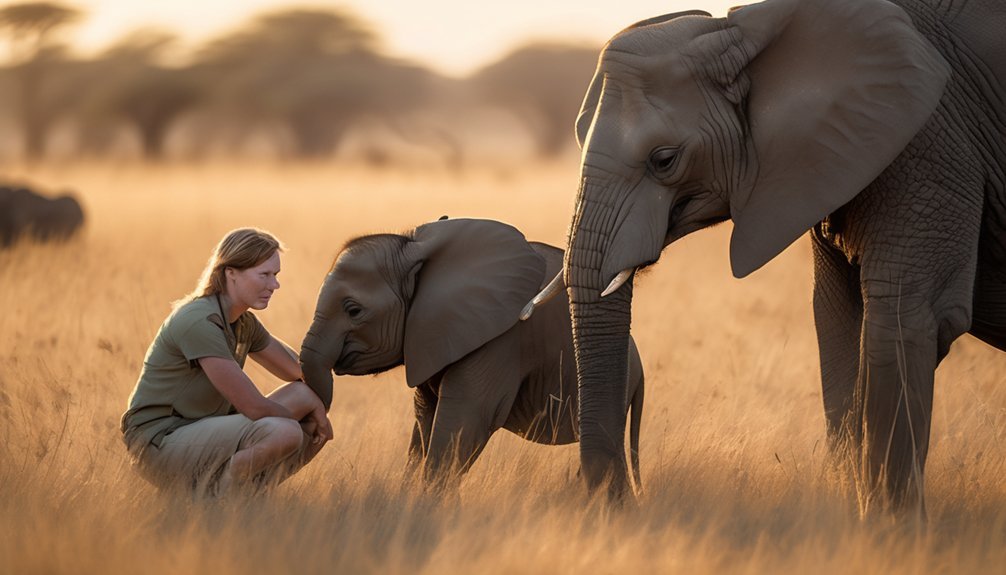
When you photograph wildlife with care, you do more than capture a striking image—you help tell a story that can protect a species or habitat. You slow down, read the wind, and notice the quiet needs of the animal before you. That patience turns your lens into a bridge between people and the living world.
Through wildlife storytelling, you reveal the tenderness, struggle, and resilience that often go unseen. Your photos can guide researchers, support habitat protection, and strengthen conservation impact by showing what’s at stake.
When you frame a bird nesting, a deer drinking, or a fox moving through frost, you honor life as it is. In that honesty, you invite others to care deeply and act with purpose.
How Wildlife Photos Raise Awareness for Endangered Species
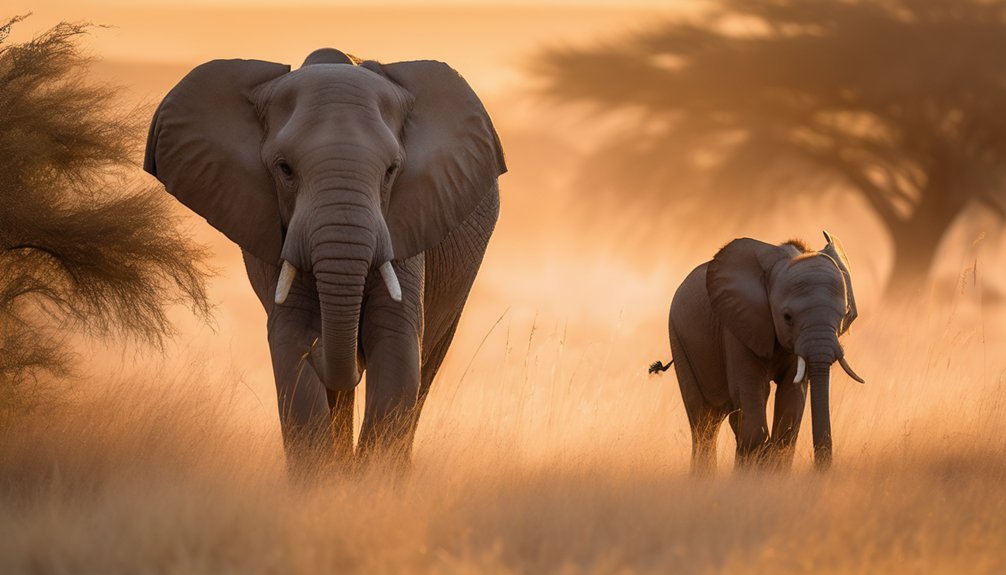
By showing endangered species in their real habitats, your wildlife photos can make distant threats feel immediate and personal.

Through visual storytelling, you invite viewers to linger on a tiger’s quiet stare, a sea turtle’s slow glide, or a bird’s fragile silhouette. That emotional impact helps people care, and caring fuels public engagement.
Through visual storytelling, your images invite empathy, turning fleeting moments into lasting care for endangered life.
When you share these images on social media, they can travel far beyond your own circle, carrying conservation messaging into new hearts and minds.
Paired with educational outreach, your photographs gain narrative power, turning a single frame into a gentle call to protect what’s vanishing.
You don’t just document life; you help others feel its beauty, its vulnerability, and the urgency of keeping endangered species here with us.
How Wildlife Photography Reveals Habitat Loss
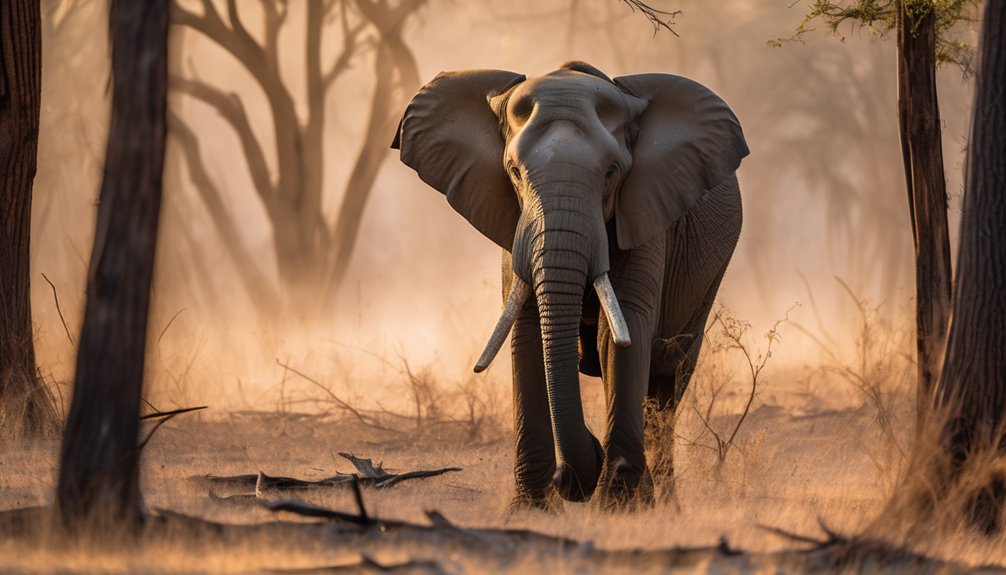
Wildlife photography doesn’t just show animals; it also shows what surrounds them, and what’s missing. When you look closely, you can feel habitat fragmentation in a lone tree line, ecosystem degradation in bare soil, and human encroachment at the edge of a marsh. A wide frame can reveal blocked wildlife corridors and the quiet pressure of climate impact.
| Clue | What you see | What it means |
|---|---|---|
| Broken cover | Patchy forest | Species displacement |
| Scarred ground | Roads, fences | Human encroachment |
| Empty edges | Faded wetlands | Conservation priorities |
These images help you notice where habitat restoration matters most. They turn absence into evidence, and evidence into care. Each photo can guide conservation priorities, because a damaged landscape tells you where life is struggling, and where hope can still take root.
What Wildlife Photos Reveal About Animal Behavior
Even a single frame can show you how an animal moves through its world, pausing, feeding, listening, or guarding. You can read animal interactions in a glance: the tilt of an ear, the distance kept, the touch between companions.
These quiet details reveal behavioral patterns, social structures, and group dynamics that words alone can miss. A hunter’s crouch can expose hunting techniques, while a softened stance may hint at mating rituals or parental care.
When two bodies square off, you witness territorial disputes without hearing a sound. You also notice feeding habits, migration patterns, and the patient rhythms that guide survival.
How Wildlife Photography Inspires Public Action
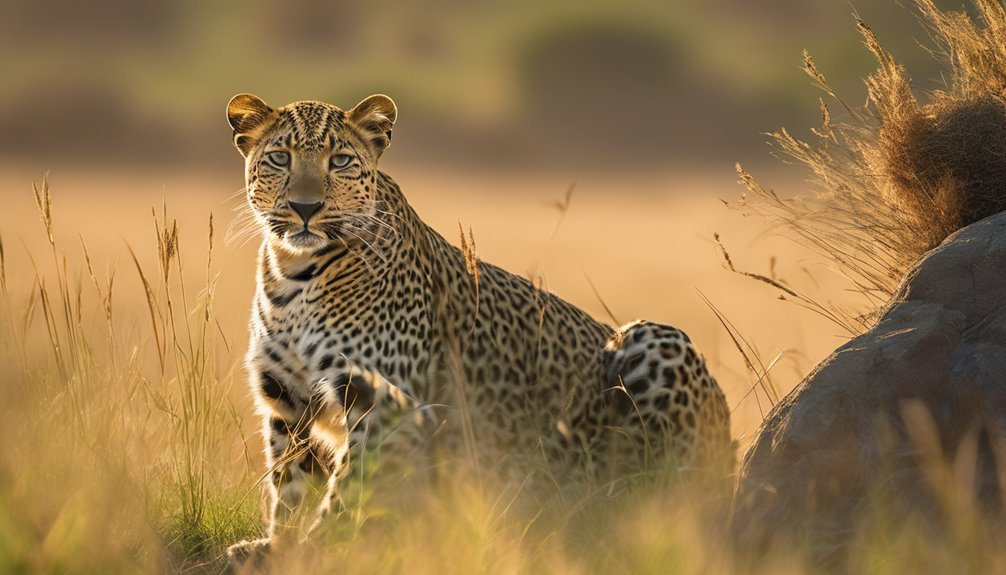
When you see a photograph of a burned forest, a stranded sea turtle, or a mother protecting her young, the scene can move you from distant concern to immediate action. You feel public engagement rise because the image gives your heart a clear place to stand. That emotional connection becomes storytelling impact, turning silence into caring.
Through visual advocacy, you can share what you’ve witnessed, invite community involvement, and help others notice what the wild can’t say aloud. A single frame can support conservation funding, spark social media influence, and guide educational outreach with quiet force.
It also honors artistic expression while feeding grassroots movements that protect habitats, animals, and the fragile moments between them. You don’t just look; you answer.
How Wildlife Photos Power Campaigns and Media
A single wildlife photo can do more than capture a moment; it can drive a campaign forward and give media coverage a human pulse. You can use visual storytelling to turn a quiet stare, a lifted paw, or a storm-darkened habitat into conservation messaging that people remember.
On social media, one image spreads fast, inviting public engagement and widening audience connection beyond your own circle. Editors respond to emotional impact, and your narrative techniques help them frame urgency without losing tenderness.
When you pair the photo with community involvement, you strengthen advocacy strategies and show that protection belongs to everyone who shares the land. Even in fast news cycles, a thoughtful image can make the wild feel near, fragile, and worth defending.

Ethical Wildlife Photography That Protects Animals
Ethical wildlife photography starts with restraint, because the best image should never cost an animal its safety. You honor ethical practices by reading the scene before you lift your camera, choosing responsible equipment, and keeping wildlife respect at the center of every frame.
Stay at a respectful distance, move slowly, and let the animal decide the pace. Your conservation ethics should guide every click, from avoiding flash to protecting habitat integrity with quiet, mindful shooting.
Follow photographer guidelines from local experts, parks, and reserves, and remember that animal welfare always outranks a dramatic shot. When you wait, watch, and listen, your images tell a truer story.
Ethical storytelling lets viewers feel the hush of the wild without turning it into a disturbance.
How Wildlife Photos Support Conservation Research
With every careful photograph you take, you can help scientists see what is changing in the wild. Your images strengthen data collection, sharpen species identification, and reveal an animal’s quiet habits. Through camera traps and aerial imagery, your photos extend biodiversity monitoring beyond a single glance. In citizen science, your eye becomes a trusted field note, especially when you frame tracks, plumage, or habitat edges with tenderness.
| Photo use | Research value |
|---|---|
| Camera traps | Record elusive species |
| Aerial imagery | Map habitat change |
| Citizen science | Expand data collection |
| Visual storytelling | Show ecological impact |
When you share a clear image, you don’t just capture beauty; you carry evidence. That evidence helps researchers notice shifts in range, abundance, and stress, and your lens becomes part of the living record.
How Photographers Partner With Conservation Groups
When your images start carrying evidence, they can also open doors to direct conservation work. You meet conservation groups in the field, where shared goals turn into collaborative projects rooted in trust.
Your visual storytelling can support documentary efforts, helping people feel the quiet urgency of a nest, a track, a stare in tall grass. You may join educational outreach, bringing students and local communities closer to the animals you photograph.
With conservation grants, your work can fund gear, travel, or habitat monitoring, while public engagement grows through exhibits, talks, and shared posts. You also strengthen wildlife advocacy by offering honest, intimate images that invite care.
In fundraising initiatives, your photos don’t just show life in the wild; they help protect it.
How Wildlife Photography Can Influence Policy
A single photograph can do more than move hearts; it can help shape decisions. When you frame a wolf at the edge of a shrinking forest or a sea turtle tangled in plastic, you give policy advocacy a living face.
Your visual storytelling can reach lawmakers, stir media influence, and widen public engagement faster than statistics alone. As people feel the urgency in each image, they often demand stronger environmental legislation and smarter conservation funding.
That pressure can lead to real legislative impact, from habitat protections to wildlife corridors. You’re not just documenting beauty; you’re helping safeguard biodiversity protection by making loss visible and impossible to ignore.
In that quiet moment between shutter and screen, your photograph becomes a bridge between empathy and action, guiding policy toward the wild.
Frequently Asked Questions
What Camera Settings Work Best for Wildlife Photography?
Use aperture priority to control depth, and keep shutter speed high enough to freeze movement. You’ll want a wide aperture, Auto ISO, and continuous autofocus, so you can quietly capture animals’ natural, intimate moments.
How Do Photographers Stay Safe Around Dangerous Animals?
You stay gracefully out of harm’s way with safety gear, watch animal behavior closely, and follow emergency protocols. Respect wildlife ethics, read each subtle signal, and you’ll protect both yourself and the wild you cherish.
What Lenses Are Most Useful for Distant Animal Shots?
You’ll want telephoto lenses with long focal length, usually 300mm to 600mm, for distant animal shots. They let you stay gentle and observant, capturing quiet details without disturbing wildlife’s natural rhythms.
How Can Beginners Start Wildlife Photography on a Budget?
Start with a small lens as your lantern and a used camera as your trail. You can learn wildlife photography with affordable gear, patient beginner tips, quiet observation, and reverence for every feathered or furred wanderer.
What Permits Are Needed for Photographing Wildlife in Protected Areas?
You’ll usually need park entry permits, photography permits, and sometimes special research or wildlife regulations approvals. Check each protected area’s rules, follow ethical practices, and respect nesting, feeding, and distance restrictions to protect animals.
Conclusion
When you look through a wildlife photographer’s lens, you’re not just seeing a picture—you’re witnessing a tiny thunderclap of truth. You can help turn a silent forest into a shouting call for protection, and a fading species into a face no one can ignore. By supporting ethical wildlife photography, you’re giving animals a louder voice, stronger protection, and a real chance to thrive. Your attention can help save entire wild worlds.