
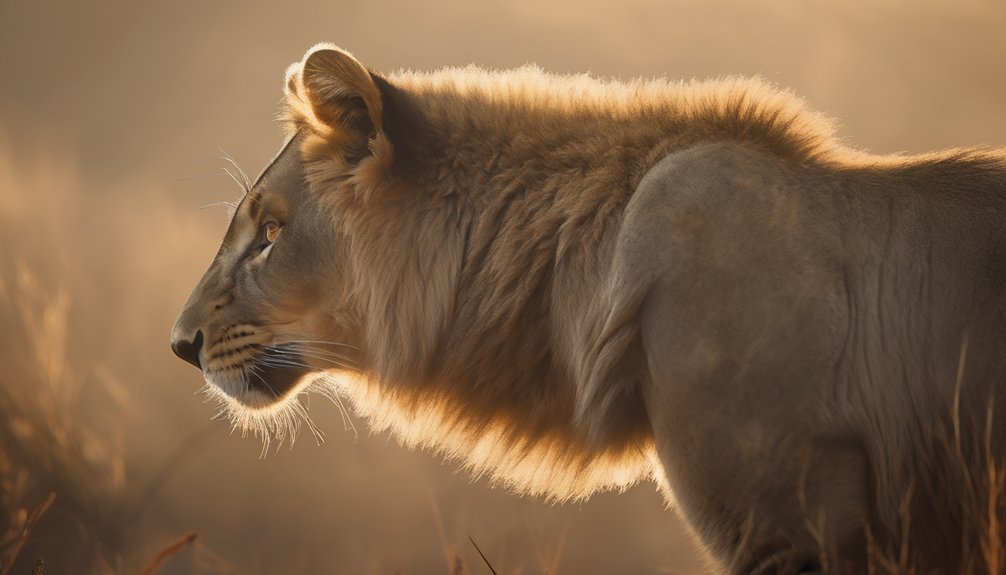
You may think rarity is just a matter of numbers, but for some animals it reflects extreme isolation, shrinking habitat, and relentless pressure from people. The vaquita, Javan rhino, and saola survive in tiny, fragmented populations that scientists can barely track. Their future depends on a few critical places and actions that could still change the outcome. What happens next may decide whether these species remain alive at all.
Key Takeaways
- The vaquita is the rarest marine mammal, with only a tiny population left in the Gulf of California.
- The Javan rhino survives in just one wild population in Ujung Kulon National Park.
- The saola is an extremely elusive species from the Annamite Mountains, known from very few sightings.
- The kakapo is a rare nocturnal parrot that survives on predator-free islands in New Zealand.
- Pangolins are among the world’s rarest animals, severely threatened by trafficking and habitat loss.
What Makes Animals So Hard to Find?
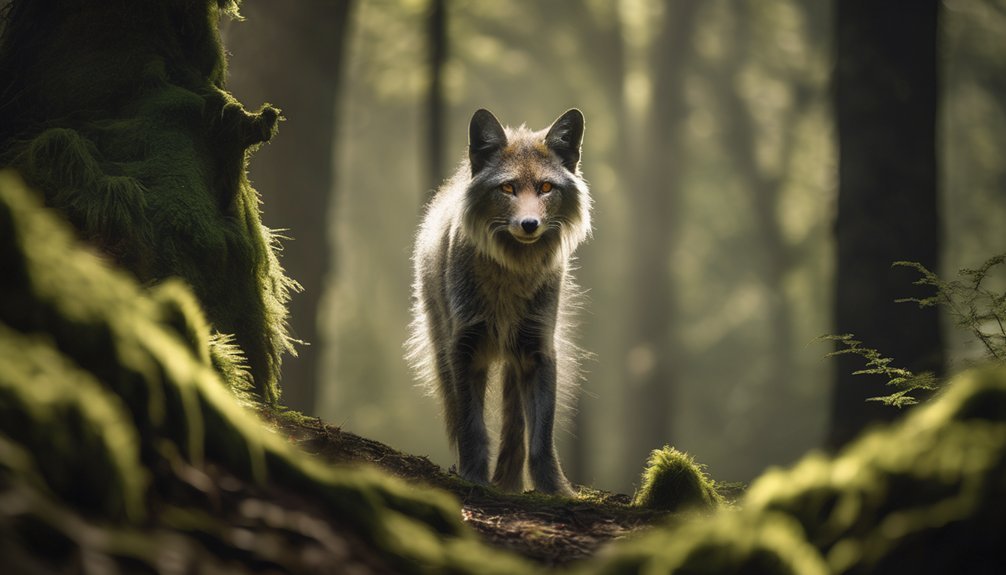
Animals can be extremely hard to find because many rare species live in remote habitats, occur in very low numbers, or are active only at specific times. You often miss them because human impact fragments ranges and reduces detectability.
Habitat loss and climate change further shrink suitable areas, forcing animals into isolated pockets. In these small populations, ecosystem disruption can lower survival and reproduction, so sightings become even rarer.
Habitat loss and climate change shrink suitable areas, isolating small populations and making sightings even rarer.
Poaching threats and wildlife trafficking also push animals into secrecy, making direct observation difficult. For you, this creates major conservation challenges: surveys need careful timing, specialized methods, and long-term monitoring.
Breeding programs can help stabilize numbers, but they don’t always restore visibility quickly. As a result, rarity often reflects both biology and pressure from people.
The Rarest Animals Still Alive Today
Among living species, a small number stand out for their extreme scarcity, with some surviving in only one or a few isolated populations.

You can see these rare animals as indicators of severe conservation challenges, because habitat destruction, climate impact, and poaching threats keep shrinking their numbers.
When populations become tiny, genetic diversity drops, and you face a higher risk of inbreeding and disease.
Effective action needs wildlife corridors that reconnect fragmented ranges, along with breeding programs that can rebuild stable populations under careful genetic management.
You also help when public awareness grows, because informed support can fund monitoring, restore habitats, and reduce illegal killing.
Their survival depends on rapid, coordinated intervention now, before local losses become permanent extinctions.
Vaquita: The Rarest Marine Mammal
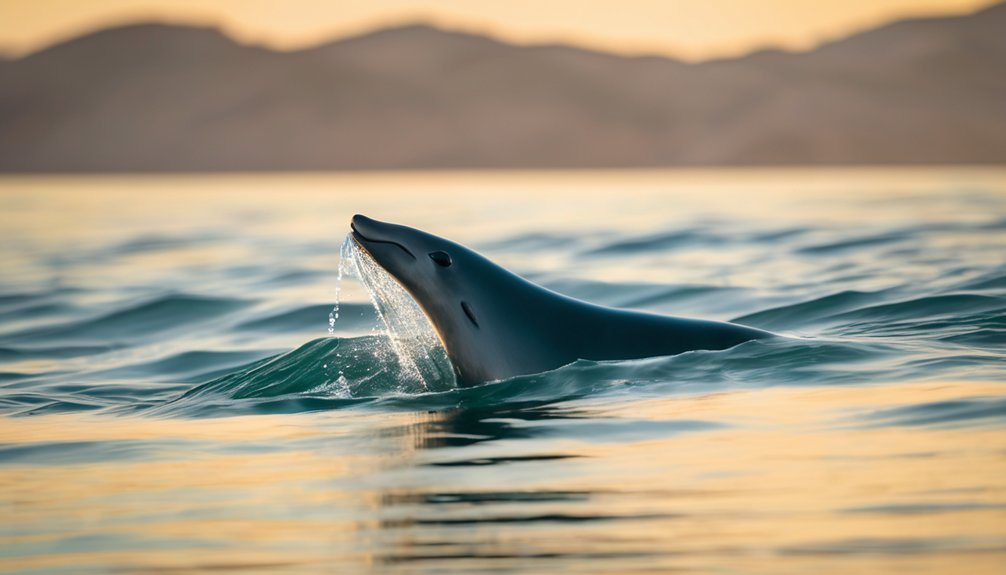
The vaquita is the rarest marine mammal on Earth, with only a tiny population remaining in the northern Gulf of California. You’re looking at a small porpoise that reaches about 1.5 meters in length and shows dark rings around each eye and mouth.
Its vaquita habitat is shallow, turbid coastal water, where it feeds on fish, squid, and crustaceans. You should know that these animals live alone or in small groups and rely on quiet, productive waters.
The main conservation challenges come from gillnet fishing, which causes lethal entanglement, and from the species’ extremely limited range. Because you’re seeing a population already at critical risk, every surviving individual matters.
Protecting this species requires strict fishing enforcement and continued monitoring.
Javan Rhino: A Forest Giant on the Edge
Because the Javan rhino survives in only one wild population, you’re looking at one of the world’s most endangered large mammals.
With just one wild population left, the Javan rhino ranks among the planet’s most endangered large mammals.
You’ll find this shy herbivore in Ujung Kulon National Park, where dense lowland rainforest and swamp forest still provide cover, forage, and water. Adults weigh up to 2,300 kilograms, yet you’re unlikely to see one because they move quietly and live at low density.
Their survival now depends on strict protection, genetic monitoring, and long-term habitat management. Habitat loss once erased them from much of Southeast Asia, and today conservation challenges include disease risk, limited range, and potential natural disasters.
If you care about rarity measured in both numbers and vulnerability, the Javan rhino shows how fragile persistence can be.
Saola: The Elusive Asian Antelope
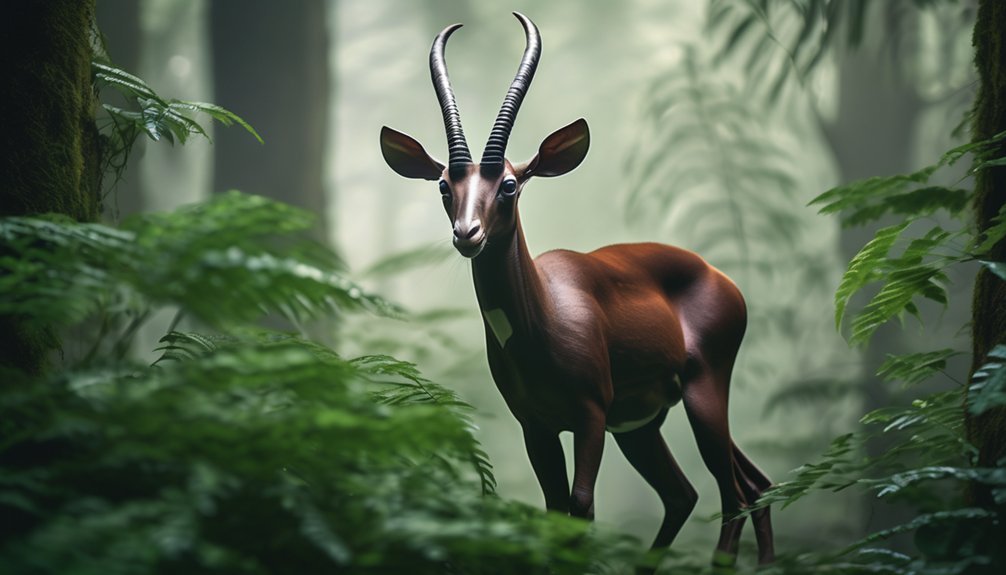
Deep in the Annamite Mountains of Laos and Vietnam, you’d be hard-pressed to spot the saola, a forest-dwelling bovine so rare that scientists have confirmed it only from a handful of direct observations and camera-trap images.
In the dense Saola Habitat, you move through wet evergreen valleys, steep ridges, and streamside thickets where humidity hangs heavy.
Scientists infer Saola Behavior from tracks, dung, and local reports: it likely travels alone or in pairs, feeds on leaves and shoots, and avoids open ground.
- Moss-coated trunks
- Narrow animal trails
- Fog veiling limestone slopes
- Quiet streams under canopy
You can’t easily count this species, because it lives deep in remote forest and hides from human disturbance.
Kakapo: The Rare Flightless Parrot
Hidden on New Zealand’s predator-free islands, the kākāpō is a nocturnal, ground-dwelling parrot unlike any other, with soft moss-green plumage, a round owl-like face, and the rare ability to climb but not fly.
You can recognize its strong, stocky body and owl-like call, but its survival depends on careful management.
In its kākapo habitat, dense native forest and scrub offer shelter, nesting sites, and food such as seeds, fruits, and leaves.

Because breeding happens only during abundant mast years, each chick matters.
In kakapo conservation, you’ll see intensive monitoring, supplemental feeding, and translocation to safe islands.
These measures have raised numbers, yet the species remains critically endangered, so your awareness helps support the long, precise work keeping this unique parrot alive.
Amur Leopard: One of the Rarest Big Cats
Along the forested mountains of the Russian Far East and northeastern China, the Amur leopard survives as one of the rarest big cats on Earth, with a pale cream coat marked by widely spaced rosettes and a thick winter fur adapted to cold climates.
In its Amur habitat, you’d see it moving silently along rocky slopes and dense conifer cover.
Amur behavior centers on solitary hunting, usually at dusk, when prey availability rises. Its ecosystem role is vital: by controlling ungulates, it helps stabilize forest food webs.
Conservation challenges include low genetic diversity, human impact from roads and logging, and persistent poaching threats.
To protect this cat, you need connected habitat, strong enforcement, and long-term monitoring.
Rare Pangolins Facing Extreme Threats
Pangolins are among the most endangered mammals today, and all eight species face severe pressure from wildlife trafficking and habitat loss. You can see how pangolin trafficking targets them for meat and scales, while habitat destruction removes the insect-rich forests they depend on.
Their bodies carry keratin scales, a trait that offers little protection against snares, dogs, and guns. Because they move slowly and rely on camouflage, you may not notice how quickly local populations collapse once hunting increases. Their low reproductive rate means losses recover slowly, if at all.
Conservationists monitor trade routes, enforce bans, and reduce demand, but illegal capture still drives steep declines. If you value biodiversity, you must recognize that each removed pangolin weakens ecological balance and signals broader ecosystem stress.
Where These Rare Animals Still Survive
These rare animals still survive in fragmented populations across a small number of strongholds, often in remote forests, islands, mountains, wetlands, or deep ocean habitats where human disturbance is lower.
You’ll find them where habitat loss and human impact haven’t yet erased every refuge, and where climate change hasn’t fully altered food or breeding conditions.
- misty cloud forests with hidden streams
- isolated coral atolls and offshore islands
- high mountain valleys cut by snow
- dark trenches and cold seamounts
You should note that conservation strategies, legal protection, public awareness, and breeding programs often focus on these sites because they help preserve ecological balance.
These places remain fragile, but they still shelter the last viable populations.
Conservation Efforts Helping Them Survive
Conservation efforts now focus on protecting the last strongholds of these species through habitat restoration, legal safeguards, anti-poaching patrols, and carefully managed breeding programs.
You can see how habitat preservation reduces fragmentation, maintains food webs, and supports genetic exchange across small populations. Researchers monitor numbers, reproduction, and disease so they can adjust interventions quickly.
Rangers and local partners deter poaching, while captive breeding can rebuild populations when wild survival drops too low. Community involvement matters because nearby people often protect the same landscapes these animals need.
When you support education, sustainable livelihoods, and conflict reduction, you help lower pressure on fragile habitats. Together, these actions improve survival odds, but they still require long-term funding, strict enforcement, and constant field assessment.
Frequently Asked Questions
Which Rare Animal Has the Strangest Diet?
The star-nosed mole has one of the strangest diets: you’d watch it snatch insects, worms, and small aquatic prey using its insectivorous habits and aquatic adaptations, all with astonishing precision and speed.
How Do Scientists Track Animals They Rarely See?
You track them like a detective tracing a phantom: using tracking methods, animal behavior clues, sensor technology, and remote cameras. These tools help you overcome conservation challenges when sightings are rare and fleeting.
Which Rare Species Lives the Longest in the Wild?
You’d usually find the bowhead whale living longest in the wild, with life expectancy exceeding 200 years. Its longevity factors include slow metabolism, cold-water adaptation, and low predation, which scientists link to exceptional survival.
Are Any Rare Animals Dangerous to Humans?
Yes, you can encounter rare animals that’re dangerous to humans, especially if they show dangerous behavior during human encounters. You should avoid provoking them; most rare species aren’t aggressive unless threatened, cornered, or protecting young.
Can Rare Animals Survive in Zoos Long-Term?
Yes, they can, though with careful husbandry. You’ll see long-term survival only when zoo conservation supports species needs, and animal genetics stays diverse. Otherwise, these delicate treasures fade fast, despite loving care.
Conclusion
You can see why these animals matter: each surviving population is dangerously small. The vaquita, for example, has been estimated at fewer than 10 individuals, making it the rarest marine mammal on Earth. If you support habitat protection, anti-poaching enforcement, and sustainable fishing and land use, you help slow extinction. These species can still persist, but only if you act now and society commits to long-term conservation.