As your cat ages, their nutritional needs shift significantly, requiring careful attention to maintain their health and vitality. You might find that what worked for them in their younger years isn’t suitable anymore. Understanding the right balance of proteins, fats, and essential nutrients is crucial. What specific dietary adjustments should you consider to ensure they thrive? Let’s explore the best options for your senior feline companion.
Key Takeaways
- Provide high-quality proteins and fiber to support muscle maintenance and digestion in senior cats.
- Monitor portion sizes and maintain a consistent feeding schedule to manage weight effectively.
- Incorporate dental care with soft foods and dental treats to promote oral hygiene.
- Ensure adequate hydration by offering wet food and fresh water to support kidney function.
- Create a calm mealtime environment and use engaging feeding tools to enhance the eating experience.
Understanding the Unique Nutritional Needs of Senior Cats
As your cat ages, understanding its unique nutritional needs becomes crucial for maintaining its health and vitality.
Senior cats often exhibit changes in behavior, such as reduced activity and altered eating habits. It’s essential to adapt their diet accordingly.
As senior cats age, their behavior and eating habits may change, highlighting the importance of a tailored diet.
Start by gradually introducing new foods, following dietary transition tips to avoid gastrointestinal upset. Focus on high-quality proteins to support muscle maintenance, and consider adding fiber to aid digestion.
Monitor your cat’s weight and adjust portions as needed, keeping in mind that their metabolism may slow down.
Always consult your veterinarian for tailored advice, as they can provide insights into your cat’s specific needs.

Key Nutrients to Prioritize for Aging Felines
When it comes to feeding aging felines, prioritizing key nutrients is essential for their well-being. Focus on incorporating essential vitamins like A, C, and E, which support immune function and overall health.
These vitamins help combat age-related issues and enhance your cat’s quality of life. Additionally, don’t overlook the importance of fatty acids, particularly omega-3s, which can reduce inflammation and promote joint health.
These nutrients play a vital role in maintaining cognitive function and skin condition in senior cats. By ensuring your feline friend receives a balanced diet rich in these essential vitamins and fatty acids, you’re setting the foundation for a healthier, happier life as they age.
Your care truly makes a difference!
The Importance of Protein in a Senior Cat’s Diet
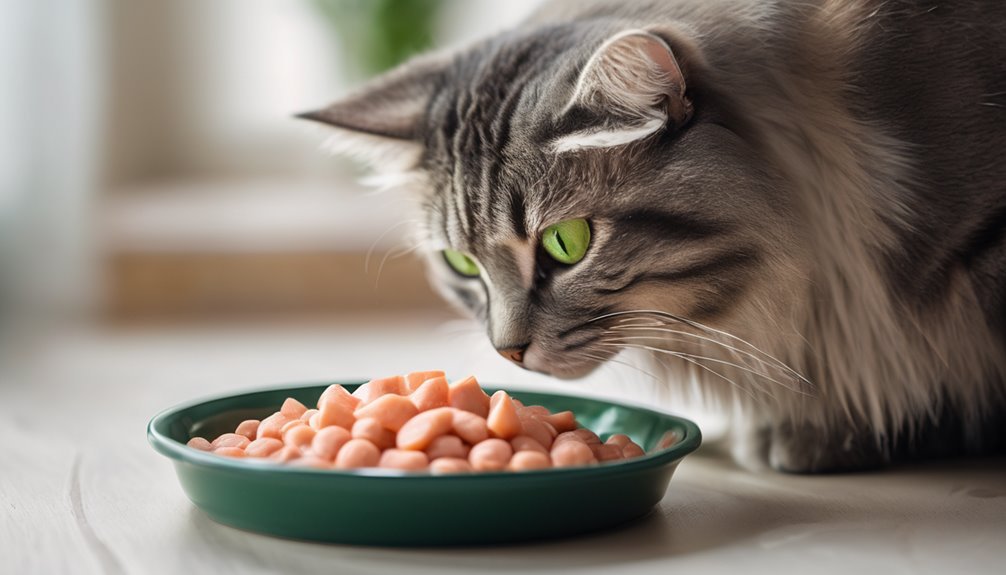
While many cat owners may underestimate the role of protein in their senior cat’s diet, it’s crucial for maintaining muscle mass and overall health.
As cats age, their ability to digest protein efficiently can decline, making high-quality protein sources essential. Look for foods that prioritize digestibility, as this ensures your cat absorbs the nutrients effectively.
Quality proteins, like chicken, turkey, and fish, not only support muscle maintenance but also provide the energy needed for daily activities.
Incorporating these protein sources into your senior cat’s diet can enhance their vitality and well-being.
How to Keep Your Senior Cat at a Healthy Weight
Maintaining a healthy weight for your senior cat is vital for their overall well-being, especially since older cats are more prone to obesity and related health issues.
Start by implementing portion control and monitoring their weight regularly. Establish a consistent feeding schedule, ideally with smaller, more frequent meals to manage calorie content effectively.
Consider using slow feeders to encourage natural eating behaviors, which can also aid digestion. When it comes to treats, opt for healthier alternatives that won’t derail their diet.
Incorporate gentle exercise routines tailored to their abilities, as this not only helps with weight management but also enhances their quality of life.
Regularly assess their meal frequency and adjust as necessary to keep your feline friend fit and happy.
How to Address Dental Health in Senior Cats Through Diet?
Dental health is a crucial aspect of your senior cat’s overall well-being, and diet plays a significant role in maintaining it. Incorporating dental treats and dental diets into their meals can help reduce plaque buildup.
For cats that prefer soft food, ensure it’s specifically designed to support oral hygiene. Regular check-ups with your vet are essential to monitor dental health.
Consider using enzymatic toothpaste for tooth brushing to help combat tartar. Chew toys can also stimulate gums and keep teeth cleaner.
Additionally, water additives and breath fresheners can enhance their oral care routine. By focusing on these dietary elements, you can significantly improve your senior cat’s dental health and overall quality of life.

Hydration and Senior Cat Health
Hydration is vital for your senior cat’s health, as it directly impacts kidney function and overall well-being. Cats often face hydration challenges, so it’s essential to offer various hydration sources. Wet food can significantly increase moisture content in their diet, while easy access to water bowls encourages them to drink more. Here’s a quick overview of hydration benefits:
| Hydration Source | Moisture Content | Thirst Stimulation |
|---|---|---|
| Wet Food | High | Yes |
| Water Bowls | Low | Yes (if fresh) |
| Dry Food | Low | No |
| Treats | Variable | Limited |
Ensuring your senior cat stays hydrated helps prevent health impacts such as urinary issues and kidney disease.
Grain-Free vs. Grain-Inclusive Diets: Which Is Healthier for Senior Cats?
When considering your senior cat’s diet, you might wonder whether a grain-free or grain-inclusive option is healthier.
Grain-free benefits include improved digestibility and reduced risk of food sensitivities, which can be crucial for cats with feline allergies.
However, grain-inclusive diets often offer better ingredient quality and variety, supporting digestive health.
Grain-inclusive diets can provide enhanced ingredient quality and variety, promoting better digestive health for your senior cat.
Keep in mind that some senior cats may have dietary preferences or specific needs that favor one type over the other.
Cost considerations also play a role; grain-free options can be pricier.
Ultimately, it’s essential to monitor your cat’s response to either diet, ensuring it aligns with their individual health requirements.
Consulting your veterinarian can help you make the best choice for your furry companion.
Evaluating Homemade Diets for Senior Cats: Benefits and Risks?
As you explore dietary options for your senior cat, homemade diets may come to mind as a way to provide tailored nutrition.
These homemade recipes can enhance your cat’s health by allowing you to control ingredient sourcing and ensure nutritional balance. However, it’s crucial to consider food safety and appropriate cooking methods to avoid harmful bacteria.
Pay attention to meal frequency and portion control to prevent obesity, a common issue in senior cats. Incorporating dietary supplements can also help address specific health needs.
Finally, monitor palatability factors, as senior cats may have changing tastes. Regular health monitoring will ensure that your homemade diet is meeting your cat’s evolving nutritional requirements.
Signs Your Senior Cat May Need Dietary Adjustments
How can you tell if your senior cat might need dietary adjustments? Pay attention to any noticeable behavioral changes, such as decreased appetite or reluctance to eat their usual food.
If they’re suddenly picky about their dietary preferences, it could indicate a need for a different nutritional approach.
Weight loss or gain is another red flag; both can signal that their current diet isn’t meeting their needs.
Watch for lethargy or digestive issues, like vomiting or diarrhea, which can also suggest dietary problems.
Additionally, if your cat shows signs of dental issues, it may be time to consider softer food options.
Staying attuned to these signs can help ensure your senior cat remains healthy and happy.
Tips for Making Mealtime Enjoyable for Senior Cats
Making mealtime enjoyable for your senior cat involves a few thoughtful adjustments. By enhancing their feeding routines, you can create a positive experience that benefits both their health and happiness.
Here are some tips for effective mealtime enrichment:
- Warm Their Food: Gently warming wet food can enhance aroma and flavor, making it more appealing.
- Use Puzzle Feeders: Engaging your cat with puzzle feeders adds an element of fun, encouraging mental stimulation.
- Establish a Routine: Consistent feeding times create a sense of security and predictability for your cat.
- Create a Calm Setting: Minimize noise and distractions during mealtime to help your cat feel relaxed and focused.
These small changes can significantly enhance your senior cat’s mealtime experience.
Conclusion
In caring for your senior cat, think of their diet as a tailored suit—crafted to fit their unique needs. Prioritizing high-quality proteins and essential nutrients can keep them agile and vibrant. Remember, it’s not just about feeding; it’s about nourishing their spirit and health. By staying attentive to their needs and making mealtime enjoyable, you’re not just extending their life, but enriching every precious moment you share together.