
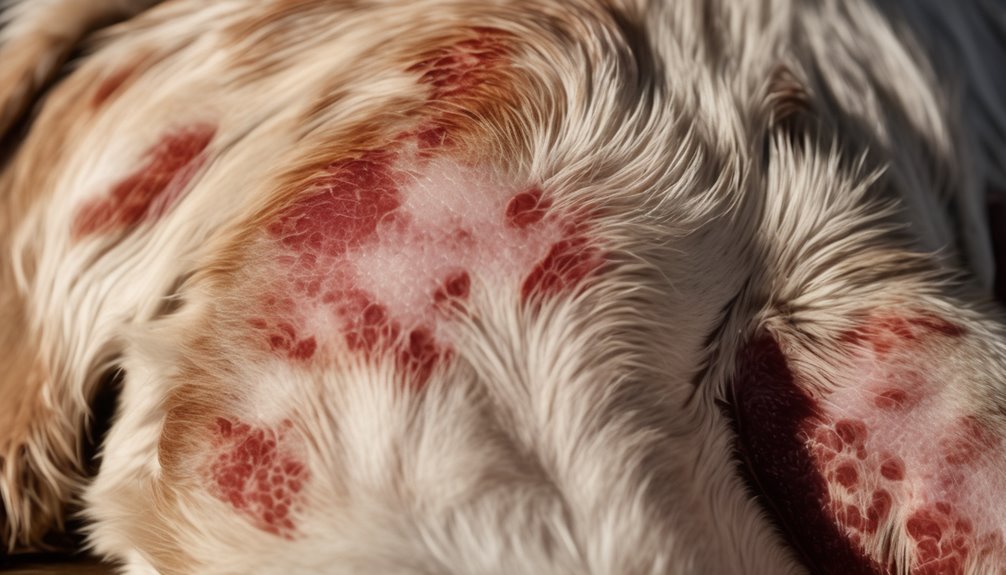
Dog skin problems can be likened to silent storms brewing beneath the surface, often overlooked until they escalate. You might notice your dog scratching more than usual or developing patches of fur loss. These signs could indicate underlying issues such as dermatitis, allergies, or infections. Understanding these common conditions is vital for maintaining your dog’s health, but identifying the right symptoms requires careful observation. What’s next in safeguarding your dog’s skin?
Key Takeaways
- Dog dermatitis can be caused by allergies, infections, or irritants, leading to symptoms like itching and hair loss.
- Allergies may manifest as itchy skin, inflamed ears, or rashes, often requiring veterinary attention for diagnosis.
- Bacterial and fungal infections can cause redness, swelling, and unpleasant odors, indicating the need for prompt treatment.
- Parasitic infestations, such as fleas and ticks, contribute to intense itching and skin irritation, necessitating regular checks.
- Effective treatment involves identifying the cause and may include topical medications, antihistamines, or natural remedies.
Common Skin Issues in Dogs: A Comprehensive Overview

Skin health is crucial for your dog’s overall well-being. Among common skin issues, dog dermatitis stands out due to its multifactorial nature. It can result from allergies, infections, or irritants, leading to inflammation and discomfort. You may notice excessive scratching, redness, or hair loss.
Seborrheic eczema is another prevalent condition, characterized by greasy, flaky skin. It often accompanies other skin disorders and can indicate underlying health problems.

Managing these conditions requires a systematic approach, including identifying triggers and employing appropriate treatments. Regular veterinary check-ups are essential for diagnosing and addressing these issues early, ensuring your dog’s skin remains healthy and resilient.
Understanding these common skin problems will empower you to provide better care for your furry companion.
What Are the Symptoms of Dog Allergies?
How can you identify if your dog is suffering from allergies? Common symptoms include itching, redness, and inflammation. You might also notice excessive licking or chewing, particularly around the paws and ears. Allergies can stem from food allergies or environmental triggers like pollen or dust mites.
Here’s a quick reference table for you:
| Symptom | Possible Cause |
|---|---|
| Itchy skin | Environmental triggers |
| Red, inflamed ears | Food allergies |
| Excessive licking | Environmental triggers |
| Skin rashes | Food allergies |
Monitoring these signs can help you determine if your dog needs veterinary attention. Early detection is crucial for effective treatment and relief from discomfort.
How to Spot Bacterial and Fungal Infections in Dogs?
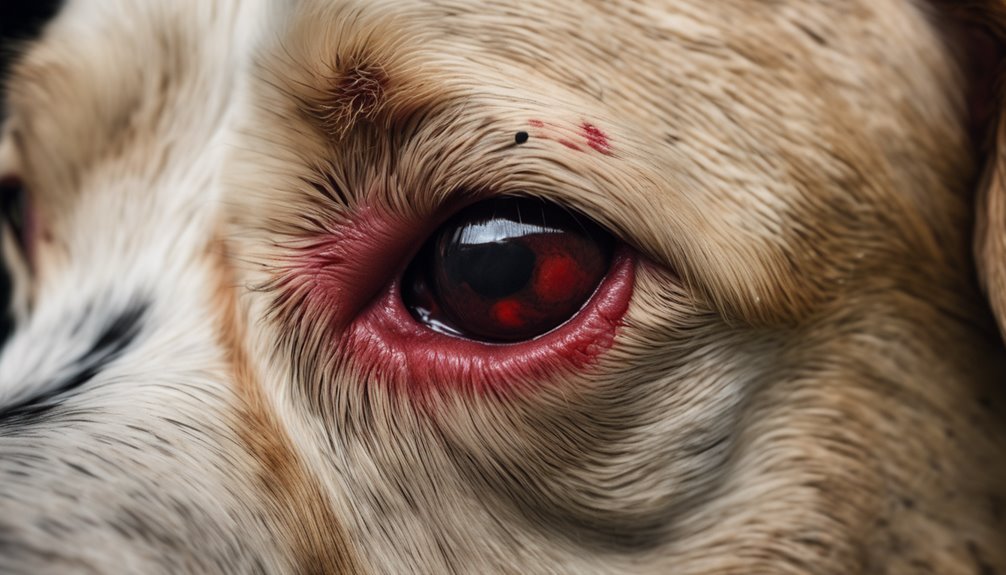
What signs indicate a bacterial or fungal infection in your dog? Identifying these infections early can prevent more serious health issues. Look for the following symptoms:

- Redness and Swelling: Inflamed skin may signal bacterial infections.
- Itching or Scratching: Persistent itching often accompanies fungal infections.
- Unpleasant Odor: A foul smell from the skin could indicate bacterial growth.
- Hair Loss or Patches: Bald spots may develop due to fungal infections or bacterial skin issues.
If you notice any of these signs, it’s crucial to consult your veterinarian promptly. Early detection and treatment of bacterial infections and fungal infections can ensure your dog’s health and comfort.
The Impact of Parasites on Dog Skin Health
While you may focus on common infections, parasites can significantly impact your dog’s skin health. Fleas, ticks, and mites can cause severe skin irritation, leading to itching, redness, and potential infections. Effective parasite prevention is crucial for maintaining your dog’s skin integrity.
| Parasite Type | Effects on Skin Health |
|---|---|
| Fleas | Intense itching, dermatitis |
| Ticks | Localized irritation, inflammation |
| Mites | Allergic reactions, hair loss |
Regular checks and preventive treatments are essential. By staying vigilant against these parasites, you can help your dog avoid discomfort and maintain a healthy coat. Don’t underestimate the importance of parasite control in your pet’s overall skin health.
Effective Treatments for Dog Skin Problems

To effectively address dog skin problems, you must first identify the underlying cause, whether it’s allergies, infections, or parasites.
Identifying the root cause of dog skin issues—be it allergies, infections, or parasites—is essential for effective treatment.
Once you’ve pinpointed the issue, consider the following treatments:
- Topical Medications: Use veterinarian-recommended creams or ointments to target infections or inflammation.
- Antihistamines: Administer these for allergic reactions, following veterinary advice for proper dosage.
- Natural Remedies: Explore options like oatmeal baths or coconut oil to soothe irritated skin.
- Medicated Shampoos: Incorporate specialized shampoos designed to alleviate specific skin conditions.
Always consult your veterinarian before starting any treatment plan.
They can provide tailored advice based on your dog’s unique needs, ensuring effective relief and promoting overall skin health.
Preventative Measures for Healthy Skin in Dogs
Maintaining healthy skin in dogs requires proactive measures that can significantly reduce the risk of skin problems. Focus on dietary factors by providing a balanced diet rich in omega fatty acids. Establish regular grooming routines to minimize matting and remove debris, which can lead to irritation. Be aware of environmental influences, such as allergens and pollutants, and limit exposure when possible. Seasonal changes can also impact skin health; adjust grooming and care accordingly.
| Factor | Recommended Action | Frequency |
|---|---|---|
| Dietary Factors | Include omega fatty acids | Daily |
| Grooming Routines | Brush and bathe | Weekly |
| Environmental Influences | Limit exposure to allergens | As needed |
| Seasonal Changes | Adjust grooming and care | Seasonally |
Conclusion
In conclusion, addressing your dog’s skin concerns is crucial for their overall well-being. By recognizing symptoms early and consulting a veterinarian, you can navigate the often turbulent waters of skin issues. Whether it’s managing allergies or warding off pesky parasites, proactive care ensures your furry friend enjoys a healthy, vibrant coat. Remember, a little attention today can save you from more significant challenges tomorrow, keeping your companion feeling their best and looking radiant.