When you bring plants into your home, it’s crucial to consider the safety of your dogs and cats. Many common houseplants can be toxic, leading to serious health issues for your pets. By choosing pet-friendly options, you can create a beautiful indoor garden without worrying about their well-being. Understanding which plants are safe is just the beginning; there’s more you should know to ensure a harmonious environment for both your pets and your greenery.
Key Takeaways
- Choose non-toxic plants like Spider Plants and Boston Ferns to ensure safety for both dogs and cats.
- Utilize high shelving or hanging planters to keep plants out of pets’ reach.
- Educate yourself on toxic vs. non-toxic plants to prevent gastrointestinal issues in pets.
- Maintain a vibrant indoor garden by using organic soil and proper watering techniques.
- Regularly inspect plants for pests or diseases to promote a healthy environment for pets.
Why Choosing Pet-Safe Plants Matters
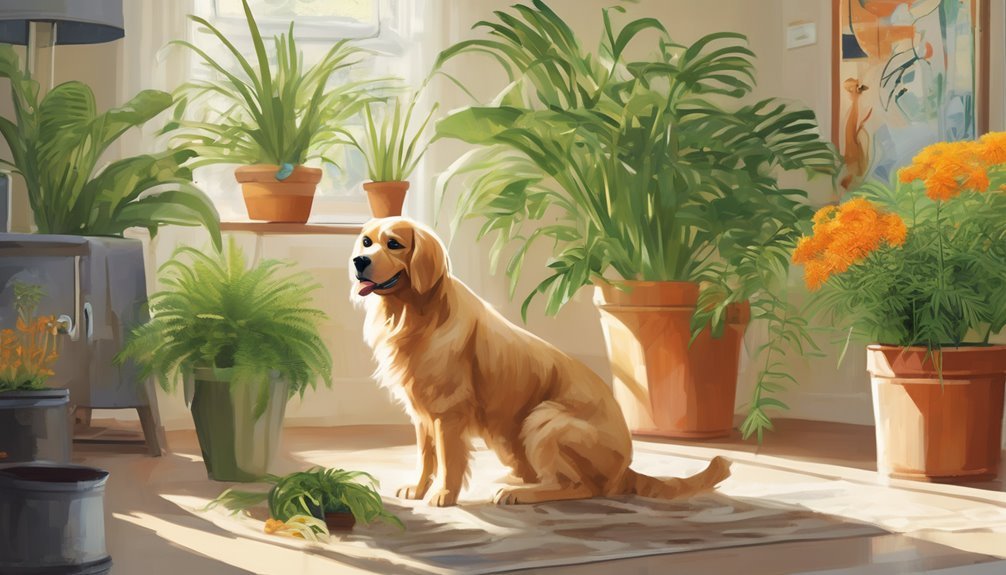
When you bring plants into your home, it’s crucial to consider their safety for your pets. Many common houseplants can be toxic, posing serious risks to your furry friends.
Prioritizing pet health means choosing plants that won’t harm your pets if they nibble on them. Understanding plant safety helps you create a nurturing environment where both your plants and pets can thrive.
Educating yourself about toxic versus non-toxic plants is essential; even a small amount of a harmful plant can lead to gastrointestinal issues or worse.

Top Indoor Plants Safe for Dogs
Choosing the right indoor plants can make a significant difference for dog owners. Not only do these plants enhance your living space, but they also offer indoor plant benefits like improved air quality. When you opt for pet-friendly gardening, you ensure your furry friend stays safe while enjoying the greenery around them. Here are some top indoor plants that are safe for dogs:
| Plant Name | Benefits | Care Level |
|---|---|---|
| Spider Plant | Air purification | Easy |
| Boston Fern | Humidity boost | Moderate |
| Areca Palm | Non-toxic, pet-friendly | Moderate |
These choices provide beauty and peace of mind, allowing you to create a safe haven for both you and your pup.
Best Indoor Plants That Are Safe for Cats
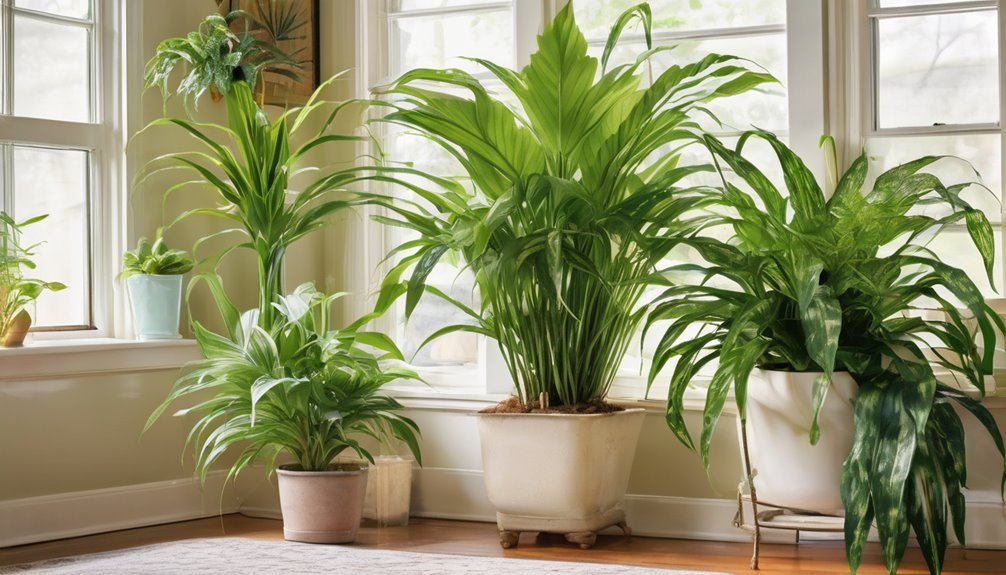
Creating a cat-friendly indoor garden means selecting plants that not only enhance your home but also keep your feline friend safe.
Consider incorporating non-toxic varieties like spider plants, which thrive in various light conditions and offer lush cat-friendly foliage.
Incorporate non-toxic spider plants for lush foliage that thrives in diverse lighting, perfect for your cat-friendly indoor garden.
Boston ferns are another excellent choice, providing a beautiful, feathery appearance while being safe for your kitty.
If you’re looking for something unique, try the parlor palm; it’s low-maintenance and adds a tropical vibe.
Additionally, the prayer plant isn’t only non-toxic but also features stunning leaves that your cat will love to explore.
Pet-Safe Outdoor Plants for Your Garden
Expanding your pet-friendly environment outdoors involves selecting plants that not only beautify your garden but also keep your furry companions safe.
Consider creating an herb garden with pet-safe options like basil, rosemary, and parsley. These herbs not only enhance your cooking but also provide a safe space for your pets to explore.
For flower choices, marigolds and sunflowers are excellent picks, adding vibrant colors while being non-toxic to dogs and cats.
Additionally, you might want to include snapdragons and zinnias, which are both safe and visually appealing.

How to Identify Toxic Plants for Pets?
How can you ensure your home and garden are safe for your pets? Start with effective plant identification. Familiarize yourself with common toxic plants, like lilies, azaleas, and sago palms.
Use online resources or mobile apps designed for pet safety to help you identify plants that could be harmful. When shopping for new plants, always check labels or consult with knowledgeable staff at nurseries.
Keep an eye on your pets’ behavior; if they show signs of distress after interacting with a plant, seek veterinary advice immediately.
Regularly inspect your garden and home for any new additions that could pose a risk. By staying informed, you can create a safe environment for your furry friends.
Effective Strategies to Keep Plants Out of Your Pet’s Reach
While ensuring your home remains a safe haven for pets, it’s crucial to implement effective strategies to keep plants out of their reach. Start with thoughtful plant placement—consider high shelves or hanging pots. This not only keeps plants secure but also adds aesthetic value. Additionally, pet training plays a vital role; teach your pets to avoid specific areas in your home. Reinforce this training with positive rewards. Here’s a quick reference table to help you visualize safe practices:
| Strategy | Description | Benefits |
|---|---|---|
| High Shelving | Place plants on high shelves | Prevents access |
| Hanging Planters | Use ceiling hooks for plants | Adds beauty & safety |
| Barriers | Install pet gates around plants | Keeps pets contained |
| Training Commands | Teach “leave it” commands | Encourages safe behavior |
| Distraction Toys | Provide engaging toys elsewhere | Keeps pets occupied |
How to Care for Your Pet-Friendly Plants
Maintaining a vibrant indoor garden with pet-friendly plants requires some attention to detail.
Here are four essential tips to ensure your plants thrive safely alongside your furry friends:
- Soil Selection: Choose high-quality, organic potting soil to promote healthy growth and minimize chemicals that could harm your pets.
- Plant Watering: Water your plants according to their specific needs, avoiding overwatering to prevent root rot and mold growth.
- Light Conditions: Place your plants in areas with adequate natural light, ensuring they receive the right amount of sun for optimal growth.
- Regular Checks: Inspect your plants regularly for pests or diseases, addressing issues promptly to keep both your plants and pets safe.
What to Do If Your Pet Eats a Toxic Plant
If your pet accidentally consumes a toxic plant, acting quickly is crucial to ensure their safety and well-being.
First, stay calm and assess the situation. Identify the plant and check for any symptoms like vomiting, drooling, or lethargy.
Immediately contact your veterinarian or a pet poison hotline for guidance; having your emergency contacts handy can save valuable time. They might instruct you to induce vomiting or bring your pet in for further treatment.
While waiting for help, keep your pet comfortable and monitor their condition.
Best Resources for Pet-Safe Plants
After ensuring your pet’s safety from toxic plants, it’s time to explore options that can enhance your home without risking their health.
Here are some fantastic resources to help you with plant selection tips and find pet-safe options:
- ASPCA’s Poison Control – A comprehensive list of toxic and non-toxic plants.
- PetMD – Articles on pet-safe plants and care tips for indoor greenery.
- The American Kennel Club (AKC) – Guides on choosing safe plants for dogs and cats.
- Local Botanical Gardens – Many offer workshops or resources on pet-friendly plants.
Utilizing these pet safety resources will help you create a beautiful, safe environment for both you and your furry friends.
Conclusion
By choosing pet-safe plants, you’re not just enhancing your home; you’re creating a sanctuary for both your pets and greenery. Think of it like designing a safe playground—where every swing and slide is built with care. Just as you’d ensure your child’s safety, you can do the same for your furry friends by selecting non-toxic plants. This way, your home becomes a thriving oasis, filled with life and love, where both pets and plants can flourish without worry.