Imagine your cat suddenly turning into a chatty neighbor, meowing at all hours. This shift in vocalization can signal various issues, from hunger to health problems. Cats communicate their needs and discomfort, so it’s essential to understand what your feline friend is trying to convey. Is it just a temporary phase, or could it indicate something more serious? Let’s explore the reasons behind this unexpected vocal outburst.
Key Takeaways
- Sudden meowing may indicate your cat needs attention, companionship, or is feeling discomfort or stress in their environment.
- Changes in feeding or thirst patterns can lead to increased vocalization, signaling hunger or a need for fresh water.
- Excessive meowing might suggest underlying health issues; look for other symptoms like vomiting or changes in appetite.
- Environmental stressors, such as loud noises or new pets, can trigger anxiety-related vocalization in cats.
- Aging cats may meow more frequently due to discomfort, confusion, or emotional shifts; monitor their behavior closely.
Why Is My Cat Meowing More?
Have you noticed your cat meowing more than usual? Increased vocalization can be a sign of various vocalization triggers.
Cats often use meows as a way to communicate with you, adapting their communication styles to get your attention. They might meow for companionship, to express discomfort, or even to convey excitement.
Each cat has its unique way of vocalizing, and changes in their behavior can indicate emotional or physical shifts. If your feline friend suddenly becomes more vocal, it’s essential to pay attention to their body language and environment.
Understanding these signals can deepen your bond and help you respond appropriately to their needs. Always consult a vet if you’re concerned about sudden changes in behavior.

Is Your Cat Hungry or Thirsty?
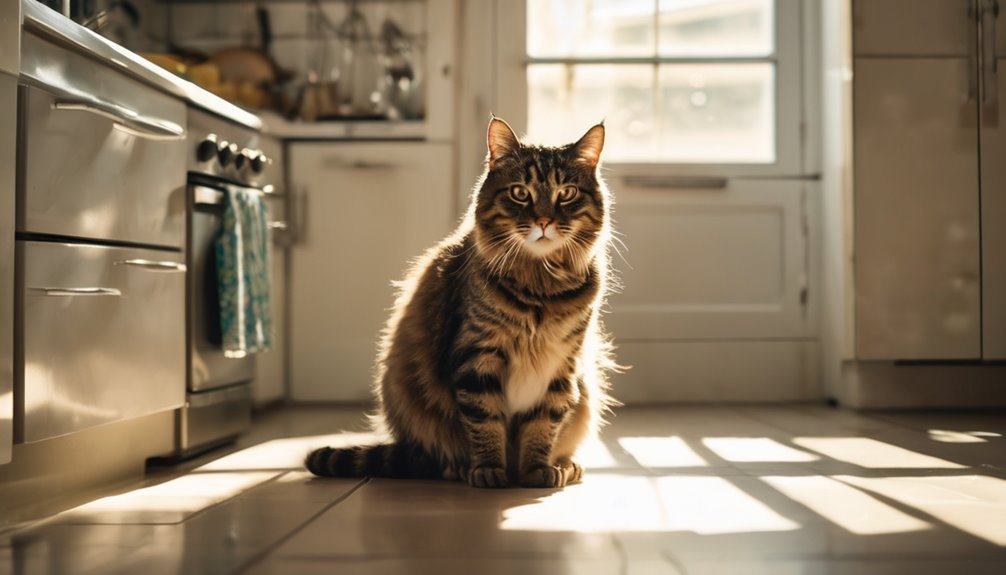
Why does your cat seem to be meowing persistently? One possibility is that your furry friend is sending hunger signals. If it’s nearing mealtime or if you’ve recently changed its feeding schedule, your cat may be trying to communicate its need for food.
Pay attention to how often and when your cat meows; it might be a sign it’s ready to eat.
Additionally, consider whether your cat is thirsty. Thirst cues can manifest as vocalization, especially if its water bowl is empty or unappealing.
Ensure fresh water is always available. By tuning into these signals, you can better understand and respond to your cat’s needs, ensuring it feels cared for and loved.
Could Your Cat’s Meowing Be a Sign of Illness?
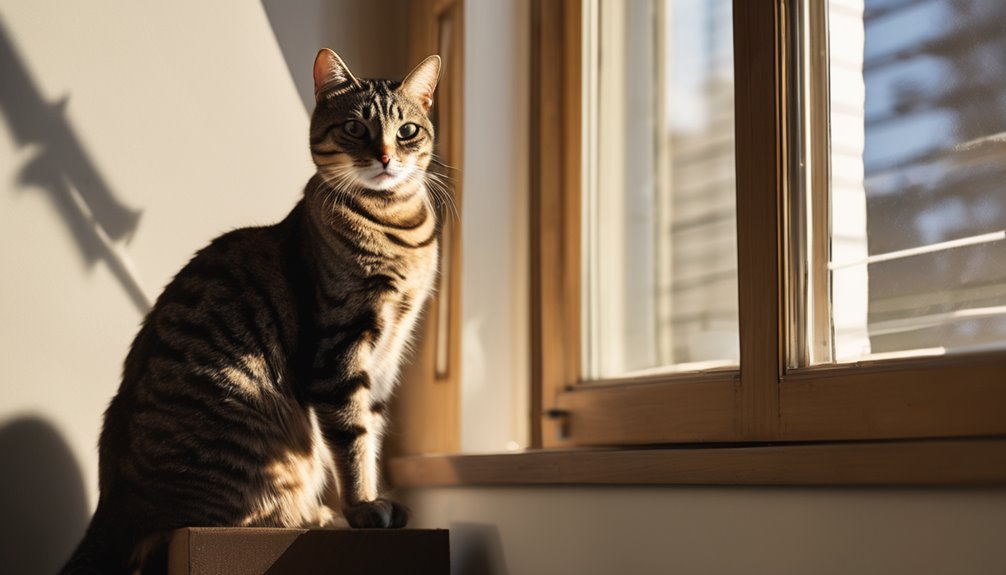
If your cat’s meowing becomes excessive, it might indicate an underlying health issue. Pay attention to any accompanying behavioral changes. Cats often communicate discomfort through vocalizations. Look for illness indicators that could point to a problem.
| Illness Indicators | Behavioral Changes |
|---|---|
| Vomiting | Increased restlessness |
| Loss of appetite | Hiding more often |
| Lethargy | Changes in litter habits |
If you notice these signs alongside the increased meowing, it’s essential to consult your veterinarian. Early detection can lead to better outcomes, ensuring your furry friend receives the care they need. Remember, understanding your cat’s needs deepens your bond and promotes their well-being.
Recognizing Stress and Anxiety in Cats
Excessive meowing can also stem from stress and anxiety in cats, signaling that something in their environment is unsettling.
Pay attention to stress signals like hiding, excessive grooming, or changes in appetite. These behavioral changes often indicate anxiety triggers, such as loud noises, new pets, or changes in your routine.
Your cat’s meows may be a form of feline communication, expressing discomfort or fear. Identifying these environmental stressors is crucial for their well-being.
Offering safe spaces, interactive toys, or calming pheromones can serve as effective coping mechanisms.
How Age Influences Cat Meowing
As your cat ages, its vocalizations can change significantly, reflecting not only physical needs but also emotional states. Kittens often meow to communicate with their mothers, showcasing playful kitten behavior.
However, as your cat matures into its senior years, you may notice senior changes in its meowing patterns. Older cats might meow more frequently due to factors like discomfort, disorientation, or a need for attention.
They might also vocalize differently, expressing feelings of loneliness or confusion. Understanding these shifts can deepen your bond with your feline friend and help you address their specific needs.

Paying attention to these changes ensures you provide the care and support your beloved companion requires as they navigate their golden years.
How to Interpret Your Cat’s Different Meows
Understanding your cat’s different meows can reveal a lot about their needs and emotions. Each vocalization pattern serves as a unique communication signal, helping you connect with your feline friend.
- Short, high-pitched meows: Often indicate excitement or a desire for attention.
- Low, drawn-out sounds: Typically signal discomfort or annoyance, urging you to check on them.
- Chirps or trills: These playful sounds may express happiness and contentment, often seen during playtime.
Environmental Changes That Affect Cat Behavior
Cats can be surprisingly sensitive to environmental changes, which may lead to shifts in their behavior. If you’ve recently moved, started renovations, or introduced new pets, your cat might feel unsettled.
Changes in environmental noise, like construction or loud music, can also stress them out. Cats thrive on routine, and any disruption can cause anxiety, prompting them to meow more than usual. They might be trying to express their discomfort or seek reassurance from you.
Pay attention to their surroundings and consider how these factors might be influencing their behavior. Understanding these environmental triggers can help you create a more stable and comforting space for your feline friend, ultimately reducing their need to vocalize excessively.
Tips for Reducing Excessive Meowing
If your cat’s meowing has increased due to environmental changes, addressing the issue can help restore their calm.
To tackle excessive meowing, consider these tips:
Consider these strategies to manage excessive meowing: increase playtime, establish routines, and create a stimulating environment.
- Increase Playtime: Engage your cat with interactive toys to enjoy the playtime benefits. A tired cat is often a quiet cat.
- Establish a Routine: Cats thrive on predictability. Set regular feeding and play schedules to reduce meowing boredom.
- Create a Stimulating Environment: Provide scratching posts, climbing shelves, and cozy spots to explore. This encourages self-entertainment and minimizes vocalization.
When to Consult a Veterinarian About Meowing?
When should you consider consulting a veterinarian about your cat’s meowing? If you notice significant behavior changes, such as increased vocalization patterns that seem out of character, it’s time to seek help.
Pay attention to meowing that’s persistent, loud, or occurs during odd hours. These shifts in communication can indicate underlying health issues, like pain, anxiety, or even illness.
If your cat is also exhibiting other symptoms—like changes in appetite or litter box habits—don’t hesitate to reach out to your vet.
Remember, your cat’s well-being is paramount, and a professional can help you discern whether this sudden meowing is just a phase or a sign of something more serious.
Trust your instincts; you know your pet best.
Frequently Asked Questions
Can Certain Cat Breeds Meow More Than Others?
Yes, certain cat breeds do meow more than others. For instance, Siamese cats are known for their frequent vocalizations. Understanding these vocalization differences can help you connect better with your feline friend’s unique communication style.
Do Female Cats Meow More When in Heat?
When your female cat’s in heat, her vocal communication often intensifies. You might notice her meowing more, expressing her desires and drawing attention. It’s her way of signaling readiness, a natural part of her behavior.
How Can I Teach My Cat to Be Quieter?
To teach your cat to be quieter, use positive reinforcement when they’re calm. Incorporate environmental enrichment, like toys and climbing spaces, to keep them engaged. This helps reduce excessive meowing and fosters a peaceful atmosphere.
Is Excessive Meowing Common in Senior Cats?
Yes, excessive meowing is common in senior cats. As they age, changes in health, vision, or hearing can trigger this behavior. Understanding these meowing triggers helps you respond appropriately to your beloved companion’s needs.
Can Changes in My Voice Affect My Cat’s Meowing?
Yes, changes in your voice can affect your cat’s meowing. Cats pick up on vocal communication and emotional expression, adjusting their responses based on your tone, pitch, and volume, influencing their behavior and vocalizations.
Conclusion
In the quiet moments, a cat’s soft purr can soothe, but excessive meowing often disrupts that peace. While it may simply signal hunger or attention, it could also hint at stress or illness. Balancing these interpretations is crucial—your cat’s vocalizations are their way of communicating. By understanding their needs and environment, you can transform frantic meows into harmonious companionship. Always trust your instincts; when in doubt, a veterinarian’s insight can guide you toward clarity.