When you think about venomous creatures, you’re looking at organisms that use toxins to immobilize prey or defend themselves, but some are far more dangerous to humans than others. In the ocean, box jellyfish and stonefish can cause rapid, severe injury; on land, the inland taipan and black widow deliver toxins with major physiological effects. The question is which species pose the greatest real-world risk, and the answer isn’t as simple as you might expect.
Key Takeaways
- Venomous creatures inject toxins through bites, stings, spines, or harpoon-like teeth to quickly disable prey or defend themselves.
- In the ocean, box jellyfish, stonefish, cone snails, blue-ringed octopuses, and sea snakes are among the most dangerous venomous animals.
- On land, inland taipans, Brazilian wandering spiders, deathstalker scorpions, and many vipers, spiders, and scorpions deliver highly potent venom.
- Venom can attack nerves, blood clotting, muscles, or cells, causing paralysis, bleeding, swelling, tissue damage, or death.
- The deadliest species for humans combine potent venom with efficient delivery, making rapid medical treatment essential after envenomation.
What Makes Venom So Dangerous
Venom is dangerous because it delivers a concentrated mix of toxic molecules directly into a victim’s body, where they can rapidly disrupt normal physiological processes.
You face its danger in the speed and specificity of action: enzymes, peptides, and proteins can damage membranes, block nerves, or alter blood clotting.

Venom composition varies among species, so its effects range from local tissue injury to systemic failure.
Venom differs by species, so its effects can range from local damage to full-body failure.
Because it enters through a wound or sting, your body often has little time to respond before toxins spread.
These biochemical weapons also reflect evolutionary advantages, helping predators subdue prey and defend themselves efficiently.
That efficiency makes venom a highly refined adaptation, not a random irritant, and it’s why even small doses can produce severe consequences.
Deadly Venomous Creatures in the Ocean
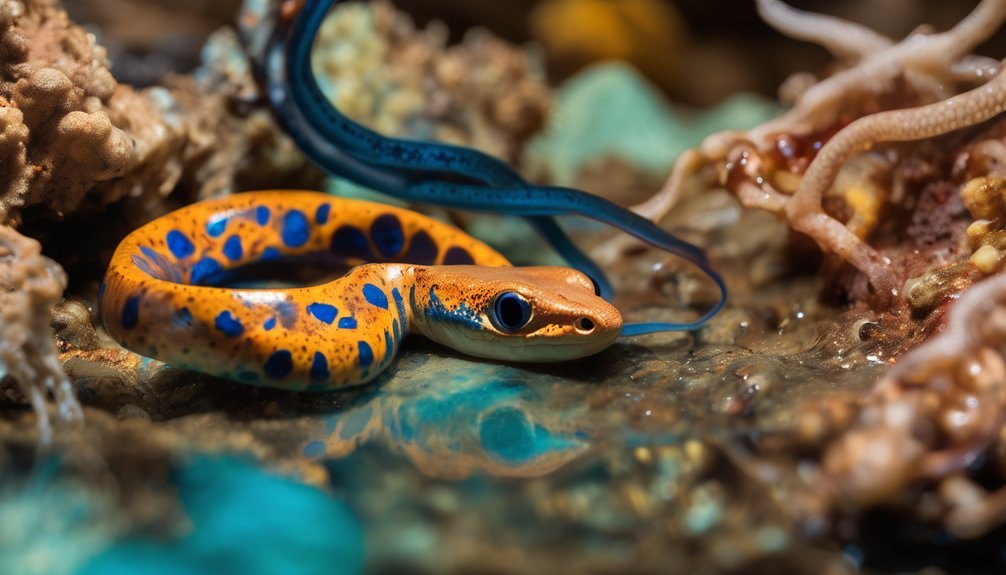
Although the ocean may seem less threatening than land, it contains some of the world’s most dangerous venomous animals, including box jellyfish, stonefish, cone snails, blue-ringed octopuses, and sea snakes.
You can meet these oceanic predators in shallow reefs, open water, and seafloor habitats, where venomous adaptations help them capture prey and deter threats. Their toxins can attack your nerves, blood, or heart within minutes.
- Box jellyfish deliver fast-acting venom through tiny stingers.
- Stonefish hide in sand and inject venom through dorsal spines.
- Cone snails use harpoon-like teeth to fire neurotoxic venom.
If you’re in coastal waters, stay alert, because these animals often rely on camouflage, speed, and chemical defense rather than aggression.
Deadly Venomous Creatures on Land
On land, venomous creatures use bites, stings, and spines to subdue prey and defend themselves, and many can injure humans within minutes. In desert, forest, and grassland land habitats, you’ll find snakes, spiders, scorpions, and cone snails on shorelines. Their venom delivery systems range from hollow fangs to barbed stingers and modified mouthparts.
| Creature | Main defense | Habitat |
|---|---|---|
| Inland taipan | Rapid bite | Arid plains |
| Brazilian wandering spider | Fangs | Leaf litter |
| Deathstalker scorpion | Sting | Dry scrub |
You should notice that venom composition often reflects diet and hunting strategy. Some species strike once and retreat; others keep contact while injecting toxins. In all cases, their anatomy supports efficient venom delivery, helping them survive while staying hidden near you.

How Venom Affects the Human Body
Once venom enters the body, it can disrupt nerves, blood clotting, muscle function, or cell membranes, depending on the species and toxin mix. You may feel a local sting, but the real effects often spread as venom composition determines which tissues it targets.
- Nerve toxins can alter signaling and cause weakness or paralysis.
- Hemotoxins can interfere with clotting, leading to bruising or bleeding.
- Cytotoxins can damage cells and trigger swelling or tissue injury.
Your symptom progression depends on dose, route of entry, and your body’s response. You might notice pain first, then nausea, sweating, dizziness, or spreading numbness.
In severe cases, breathing, circulation, or organ function can decline. Rapid medical care matters because venom doesn’t act the same way in every encounter.
Which Venomous Creatures Are Most Dangerous to Humans?
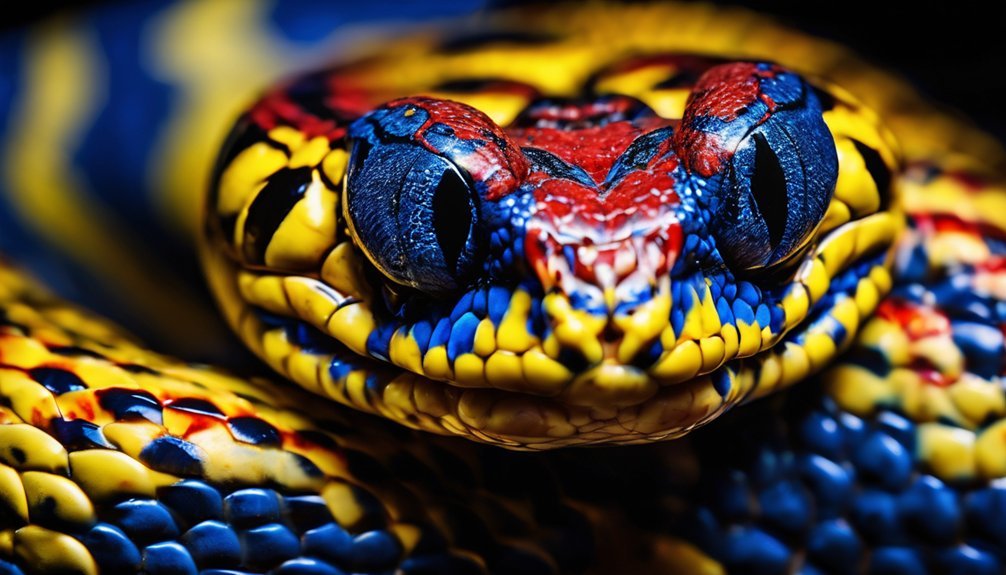
The most dangerous venomous creatures to humans aren’t necessarily the largest or most aggressive; they’re the ones whose venom is both potent and likely to be delivered in a medically significant dose. You’ll face the greatest risk from elapids, such as cobras and taipans, plus some vipers, certain scorpions, and a few spiders. Their venom can disrupt nerves, clotting, or tissue rapidly.
| Creature | Main danger | Human impact |
|---|---|---|
| Taipan | Neurotoxins | Deadly snakebites |
| Black widow | Neurotoxin | Toxic spider bites |
| Saw-scaled viper | Hemotoxin | Severe bleeding |
Your outcome depends on bite depth, dose, and treatment speed. Antivenom, pressure immobilization, and rapid transport reduce deaths and complications.
Frequently Asked Questions
How Do Scientists Measure Venom Potency?
You measure venom potency by testing how small doses affect cells, animals, or enzymes, then comparing lethal or damaging effects. You also analyze venom composition, because toxin mix strongly influences toxicity testing outcomes.
Can Venomous Animals Survive Their Own Toxins?
Yes, many venomous animals can survive their own toxins because you’d see venom resistance and evolutionary adaptations at work. Their cells, blood proteins, and receptors often block or neutralize venom before it causes harm.
What Is the Difference Between Venom and Poison?
You’d say venom is a dagger delivered through a wound, while poison is a hidden cup you ingest. Venom characteristics include active injection; poison examples include toxins that harm you when absorbed, eaten, or touched.
How Do Venomous Creatures Deliver Venom?
You’ll see venomous creatures deliver venom through specialized venom delivery and injection mechanisms, such as fangs, stingers, spines, or harpoons. They actively inject toxins into tissue, bloodstream, or prey during a strike.
Are There Any Medical Uses for Venom?
Yes, you can use venom in medicine; nature’s sharpest whispers become tools. You’ll see venom therapies in pain, clotting, and cancer studies, while antivenom research turns toxins into lifesaving treatments and diagnostic tools.
Conclusion
As you consider the world’s most venomous creatures, you begin to see a simple pattern: tiny doses can trigger massive effects. In the ocean and on land, venom can disrupt nerves, damage tissue, and stop the heart with alarming speed. Yet danger depends on exposure, species, and available treatment. You can’t judge risk by appearance alone. The next encounter may look harmless, but the biology beneath it can be anything but.