
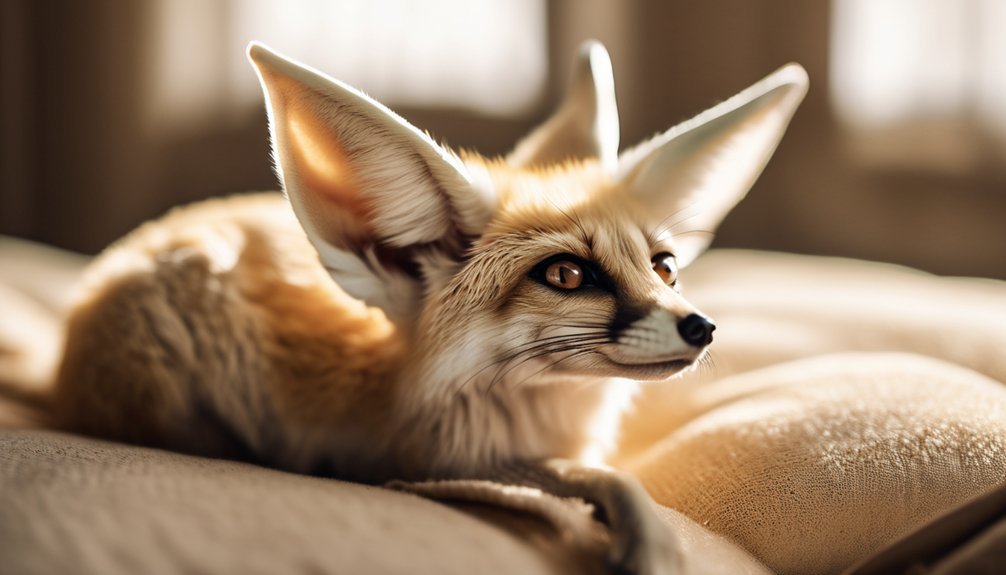
When you think of a pet, you probably picture a cat or dog, but the category is broader than you might expect. You might keep a ferret, tarantula, sugar glider, or another nontraditional species, each with specific housing, diet, and handling needs. You’ll also need to weigh legal limits and welfare concerns, because not every unusual animal suits home care, and some choices carry consequences you may not anticipate.
Key Takeaways
- Unusual pets are nontraditional companion animals, such as ferrets, tarantulas, hedgehogs, sugar gliders, and exotic reptiles.
- They often need specialized temperature, humidity, housing, and diet far beyond ordinary household care.
- Daily monitoring of appetite, droppings, skin, and behavior is essential for their health.
- Choosing them may reflect novelty seeking, personal identity, or a close bond with unique behaviors.
- Legal permits, ethical sourcing, and zoonotic risk checks are crucial before owning one.
What Counts as an Unusual Pet?
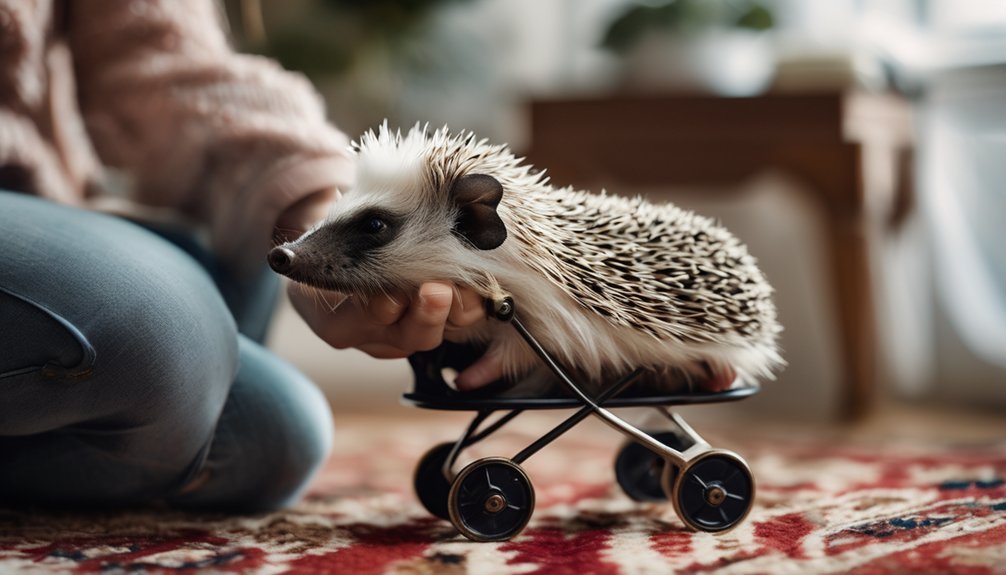
An unusual pet is any nontraditional companion animal that falls outside the most common domestic species, such as dogs, cats, and small cage animals. You identify it by species rarity, husbandry demands, and legal status, not by novelty alone.
In exotic animal classification, the label often covers animals with specialized temperature, humidity, diet, or handling needs that exceed routine household care. You should also consider zoonotic risk, welfare impact, and permit requirements before unconventional pet ownership.

If you’re evaluating a candidate, ask whether you can meet its physiological and behavioral needs consistently. That standard keeps the definition precise and clinically grounded. It also protects you from confusing an uncommon animal with a truly unsuitable one, which matters when your care must stay safe, lawful, and humane.
Which Unusual Pets Do People Keep at Home?
People keep a wide range of unusual pets at home, but only a small subset remains practical under typical domestic conditions. You’ll most often see ferrets as pets, tarantulas, hedgehogs, sugar gliders, and certain exotic reptiles.
Each needs controlled temperature, secure housing, and species-specific nutrition. You should expect higher sensitivity to stress, scent, or handling than with conventional companion animals.
They need controlled temperatures, secure housing, and tailored diets, with greater sensitivity to stress, scent, and handling.
Reptile enclosures need calibrated heat gradients and humidity control; small mammals need escape-proof cages and frequent sanitation. If you keep these animals, you must monitor appetite, feces, and activity daily.
Their care can fit a home setting, but only when you meet precise environmental and veterinary requirements. Proper setup reduces risk and keeps your contact with them safe, calm, and manageable.
Why Do People Choose Unusual Pets?
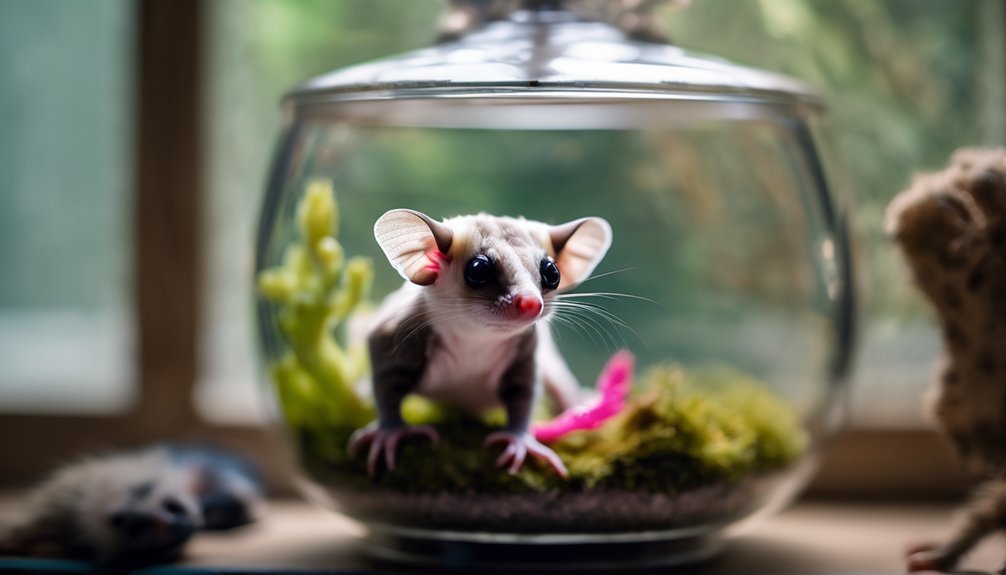
Why choose an unusual pet at all? You may seek a species that matches your temperament, daily rhythm, and social identity.
Unusual pets often provide strong emotional connection because their distinct behaviors invite close observation and repeated interaction. You might also value personal expression: your choice can signal curiosity, independence, or a preference for nonconformity.
In clinical terms, these selections can satisfy novelty seeking and reduce monotony in routine environments. You may feel drawn to animals that prompt focused attention, because that attention can reinforce attachment.
For you, the appeal isn’t always practical; it’s often symbolic, sensory, and relational. An unusual pet can become a personalized companion that reflects who you’re while offering a structured, intimate bond.

How to Care for Unusual Pets
Caring for an unusual pet starts with verifying its species-specific requirements for housing, temperature, humidity, diet, lighting, and enrichment. You should match habitat requirements precisely, because even small deviations can stress the animal.
Use secure enclosures, calibrated thermometers, and hygrometers, and check them daily. Feed only appropriate exotic food, prepared to the correct size, texture, and frequency for the species. Provide clean water, substrate suited to the animal, and hiding areas that reduce stress.
You’ll also need a consistent cleaning schedule, careful handling, and routine observation of appetite, stool quality, skin, and behavior. If your pet shows lethargy, refusal to eat, or abnormal movement, contact a veterinarian with exotic-animal experience promptly.
Legal and Ethical Concerns

Once you’ve confirmed that an unusual pet can be maintained safely, you also need to verify that keeping it is lawful and ethically defensible. You should review local legal restrictions before acquisition, because permits, species bans, and transport rules vary. You must also assess ethical considerations, including sourcing, welfare, and long-term captivity stress.
| Check | Action |
|---|---|
| Legal status | Confirm permits and ownership rules |
| Origin | Avoid wild-caught or illicitly traded animals |
| Welfare | Ensure species-specific housing, diet, and enrichment |
If any requirement fails, you shouldn’t proceed. You protect both yourself and the animal when you choose compliance over impulse. Consult wildlife authorities, veterinarians, and reputable breeders before you commit.
Frequently Asked Questions
Which Unusual Pet Is Easiest for Beginners?
Low-maintenance rodents, especially guinea pigs or hamsters, are easiest for you as a beginner; they’re beginner friendly reptiles? No—reptiles need more care. You’ll handle feeding, housing, and monitoring more simply with rodents.
Do Unusual Pets Form Strong Bonds With Owners?
Yes—if you provide consistent care, many unusual pets do bond strongly with you; behavior varies by species. Keep an eye out for bonding behaviors, because they can indicate emotional connections, though they’re not always like mammal attachments.
Can Unusual Pets Travel on Airplanes?
Yes, you can sometimes fly with unusual pets, but you must verify pet travel regulations and airline pet policies first. You’ll need species-specific documentation, approved carriers, and advance airline approval to avoid denial.
How Much Do Rare Pet Permits Usually Cost?
Rare pet permits usually cost you anywhere from $20 to $200, though fees vary under exotic pet regulations. Your permit application may include inspection, renewal, and processing charges, depending on your jurisdiction and species.
What Are the Safest Enclosures for Exotic Pets?
You’ll want escape-proof enclosures with nonporous enclosure materials, secure locks, and species-appropriate habitat size. Use tempered glass, powder-coated metal, or sealed PVC; avoid sharp edges, verify ventilation, and disinfect surfaces regularly to reduce stress and injury.
Conclusion
In your home menagerie, each unusual pet is like a sealed instrument, responding only when you tune habitat, diet, and handling with precision. You can see the ferret as a quick bridge, the tarantula as a patient gauge, and the sugar glider as a fragile compass. If you keep temperature, enrichment, and legality aligned, you’ll protect welfare and reduce risk. Care isn’t decoration; it’s the operating manual for a stable, ethical partnership.