
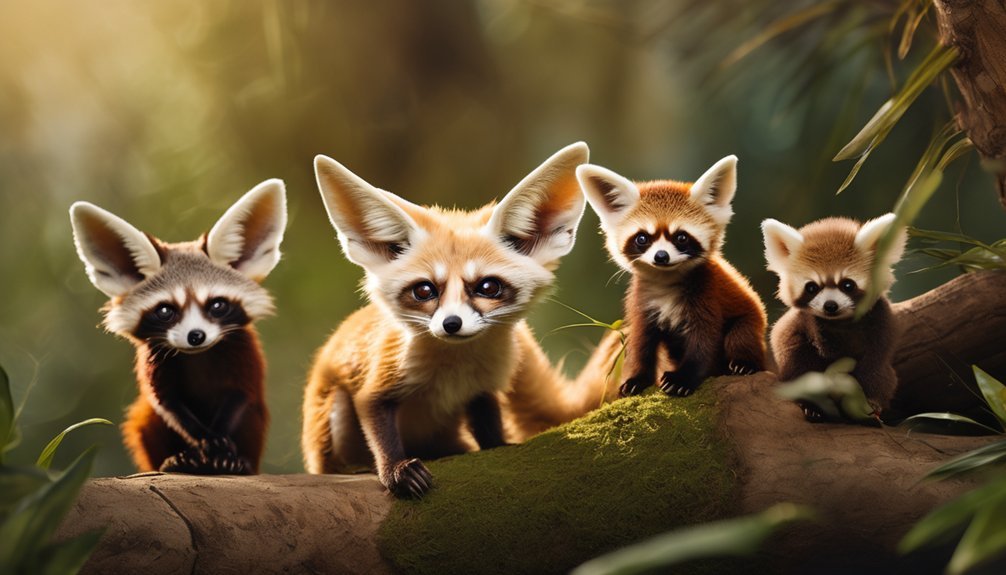
In the wild, adorable faces can act like nature’s invitations, drawing you closer before you notice the adaptations underneath. You’ll see baby red pandas, quokkas, slow lorises, axolotls, and tiny primates whose features resemble juvenile traits, which can trigger a strong human response to protect. Yet their appeal also raises questions about behavior, ecology, and ethics that you may want answered next.
Key Takeaways
- Baby red pandas are adored for their fluffy reddish fur, round faces, and oversized tails.
- Finger monkeys charm people with tiny bodies, agile movements, and social grooming behaviors.
- Quokkas are famous for their “smiling” faces and calm, approachable appearance.
- Slow lorises look especially cute with large eyes, deliberate movements, and nocturnal adaptations.
- Responsible admiration means viewing exotic animals ethically while supporting conservation and accredited care.
Why Exotic Animals Look Cute
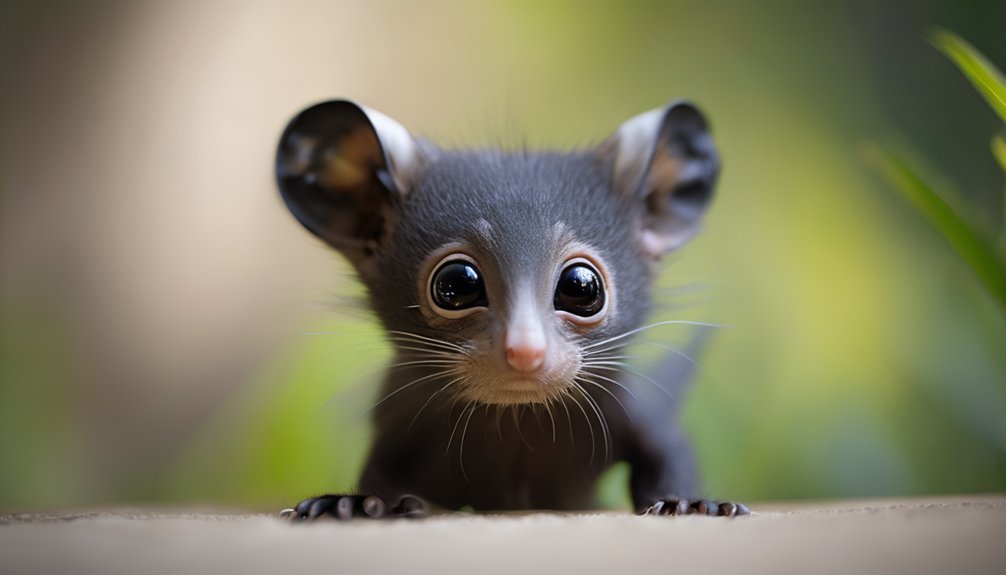
Exotic animals often look cute because many of their features align with human preferences for infant-like traits, such as large eyes, round faces, small noses, and soft body proportions.
Exotic animals often seem cute when their features echo infant-like traits, like large eyes, round faces, and soft proportions.
You tend to perceive these cues as approachable because your brain links them with vulnerability and care. Their exotic features can intensify this effect when unusual fur, coloring, or facial structure adds novelty without losing familiar proportions.
From an evolutionary perspective, this response may offer advantages by encouraging protection of young, harmless animals.
You’re also more likely to notice contrast between rare traits and gentle presentation, which makes the animal seem especially endearing.

In scientific terms, cuteness reflects a mix of perceptual bias, emotional response, and adaptive social signaling.
Baby Red Pandas and Their Fluffy Charm
Baby red pandas are especially appealing because their dense reddish fur, masked faces, and oversized tails create a strong contrast between small body size and plush, rounded features. You’ll notice their charm in slow, deliberate movements, brief play bouts, and frequent resting postures that reflect typical red panda behavior.
Their fur insulates them in cool forests, while the tail helps with balance and warmth. When you observe them closely, their rounded ears and compact limbs heighten the impression of softness.
Baby red panda care in managed settings focuses on temperature control, quiet environments, and close monitoring of feeding and growth. You’ll see that consistent nutrition and low stress support healthy development, helping these juveniles remain active, secure, and visibly fluffy throughout early life.
Finger Monkeys: Tiny Size, Big Appeal
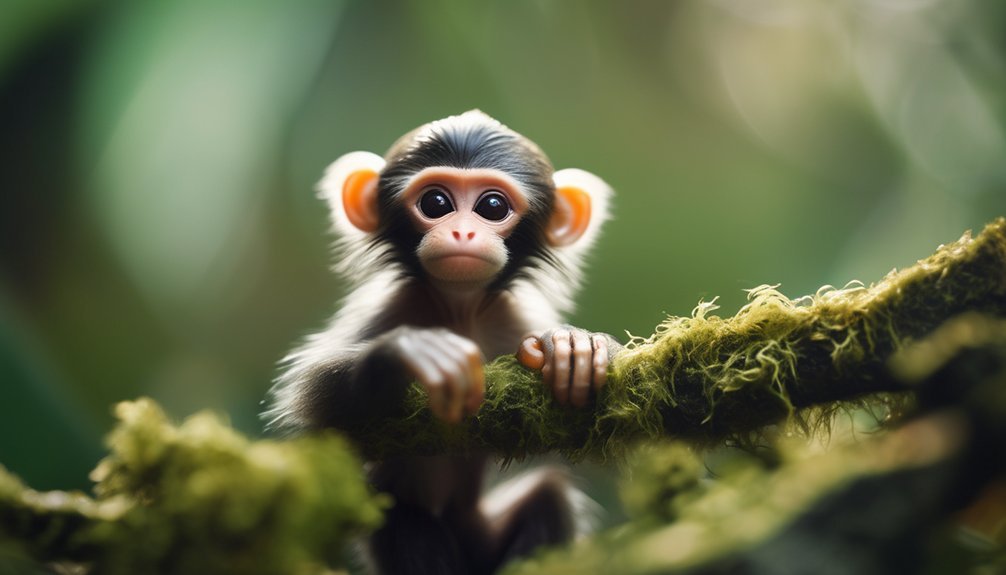
Finger monkeys, also called pygmy marmosets, are among the smallest primates, weighing only a few ounces as adults. You’ll notice their tiny bodies move with remarkable agility through branches, using sharp claws and a flexible tail for balance.
Their finger monkey behavior includes social grooming, quick vocal signals, and constant foraging for sap, insects, and fruit.
- You should expect high activity levels in daylight.
- You need specialized finger monkey care, including space, humidity, and diet control.
- You’ll also see strong social bonds, which support healthy development.
Because they’re sensitive to stress and environmental change, you must provide consistent conditions and expert oversight.
Their size may look delicate, but their biology reflects efficient adaptation, making them scientifically fascinating and intensely endearing.
Quokkas and Their Famous Smiles
Quokkas are small marsupials native to southwestern Australia, best known for the appearance of a permanent “smile” caused by the shape of their mouth and facial muscles.
You’ll find their quokka habitat on Rottnest Island and nearby coastal scrub, where dense vegetation offers shelter and food.
Their quokka behavior is mostly nocturnal and cautious; they graze on grasses, leaves, and stems, then rest in shaded cover during the day.
When you watch them, you may notice they move with quick hops and keep a low profile to avoid heat and predators.
Scientists note that the “smile” isn’t an emotional signal, but a stable facial structure that makes quokkas look unusually friendly to you.
Slow Lorises and Their Wide Eyes
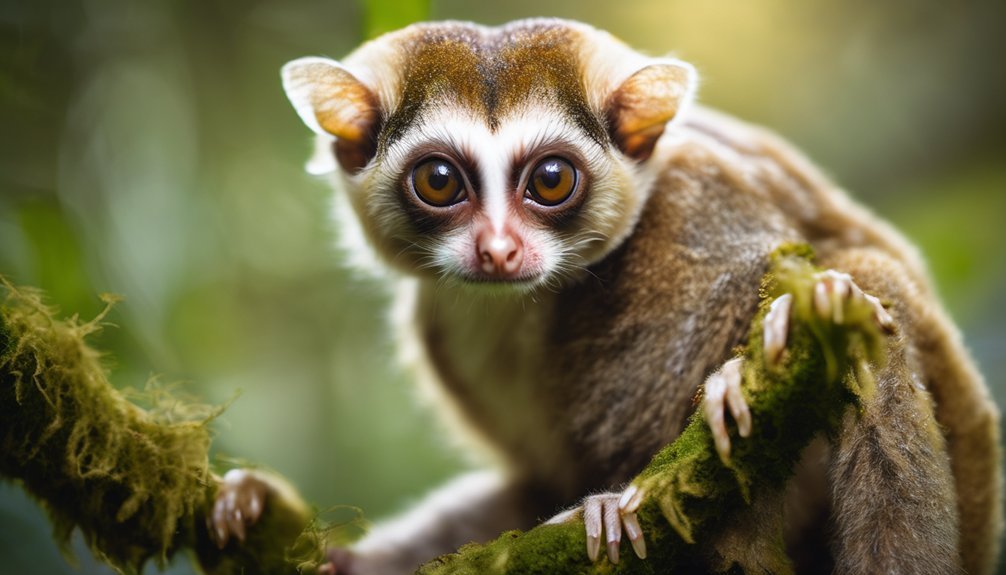
Slow lorises are small nocturnal primates found in Southeast Asia, and their large forward-facing eyes help them gather light for seeing at night. You can observe how these traits support slow loris behavior, including deliberate climbing and careful feeding. Their nocturnal habits let them stay active when temperatures drop and predators are fewer.
Slow lorises use large forward-facing eyes and nocturnal habits to navigate life after dark.
- Their eyes improve low-light vision.
- Their slow movements reduce detection.
- Their nighttime activity matches available food.
When you watch a slow loris, you see an animal adapted for quiet survival. Its wide eyes don’t just look striking; they reflect a precise biological solution to life after dark.
This combination of vision and timing makes the species distinctive, and it helps you understand why researchers study it closely.
Fennec Foxes With Oversized Ears
Fennec foxes are small desert canids whose oversized ears help them survive extreme heat in North Africa’s arid environments. You’ll notice that their oversized ears do more than create a striking silhouette; they dissipate heat and detect faint sounds under sand.

In fennec fox behavior, you can see a nocturnal pattern that reduces daytime stress and supports efficient hunting of insects, small vertebrates, and plant matter. Their pale fur also reflects sunlight, while compact bodies limit heat gain.
You may observe alert, agile movements and social communication through vocalizations and posture. These adaptations let you appreciate how evolution shapes survival in harsh habitats, and they make fennec foxes especially captivating to study up close.
Axolotls and Their “Smiling” Faces
Although axolotls often look as if they’re smiling, that expression is an illusion created by their fixed facial anatomy. You may find this trait endearing, but it doesn’t indicate emotion. Their upturned mouths, dark eyes, and broad heads help you recognize them instantly.
In proper axolotl habitat, cool, clean water supports healthy skin and gill function. With thoughtful axolotl care, you should monitor temperature, filtration, and water quality closely.
- Their “smile” stays constant because facial muscles are limited.
- Their external gills and soft bodies make them sensitive to poor conditions.
- You can observe calm behavior without assuming human-like feelings.
If you keep conditions stable, you’ll help these neotenic amphibians remain vibrant, responsive, and scientifically fascinating.
Clouded Leopard Cubs in the Wild
Clouded leopard cubs begin life in dense tropical forests, where camouflage and caution shape nearly every early behavior. You’d notice their coats already carry the fractured pattern that breaks up their outline in dappled light.
During the first weeks, the mother hides them in sheltered dens and returns only to nurse and groom. As they grow, you can see clouded leopard behavior shift from quiet rest to careful climbing and stalking practice. Cubs rely on balance, grip, and short bursts of play to build hunting skills.
In the wild, their survival depends on intact forest cover and minimal disturbance. That’s why conservation efforts focus on protecting habitat, reducing poaching, and keeping prey populations stable.
Pygmy Marmosets: The World’s Smallest Monkeys
Pygmy marmosets are the smallest monkeys in the world, with adults usually weighing only 100 to 140 grams. You can see how their tiny bodies support agile climbing and rapid movement through Amazonian canopy tangles.
Pygmy Marmoset Behavior reflects a social, cooperative lifestyle: you’ll notice family groups sharing food, scent-marking branches, and communicating with soft calls. Their diet centers on tree sap, gums, and insects, which they extract with specialized teeth.
Habitat Conservation matters because these primates depend on intact forest edges and mature trees for feeding and shelter.
- Small size aids escape.
- Cooperative care improves survival.
- Forest loss threatens populations.
How To Enjoy Cute Exotic Animals Responsibly
Enjoying cute exotic animals responsibly means balancing curiosity with animal welfare, habitat protection, and legal ownership. You should observe them through ethical encounters at accredited sanctuaries, zoos, or conservation programs that prioritize enrichment, veterinary care, and minimal stress.
Don’t support operators that allow touching, selfies, or direct handling if they compromise behavior or health. You can protect wild populations by choosing experiences that fund habitat preservation, research, and anti-poaching efforts.
Before any interaction, verify permits, species status, and welfare standards; local regulations often restrict private ownership for good reason. When you appreciate these animals from a respectful distance, you reduce disease transmission, injury, and trafficking pressure.
Your interest becomes scientifically informed, emotionally rewarding, and genuinely supportive of conservation.
Frequently Asked Questions
Are Exotic Animals Safe to Keep as Pets?
No, exotic animals usually aren’t safe pets; you face disease, injury, and complex exotic pet care needs. You should prioritize animal welfare, legal compliance, and expert guidance, because many species can’t thrive in homes.
Which Cute Exotic Animals Are Endangered?
You’ll find cute endangered species like snow leopards, slow lorises, pygmy hippos, red pandas, and axolotls. You can support conservation efforts by protecting habitats, reducing wildlife trade, and backing science-based breeding programs.
Do Exotic Animals Stay Cute When Fully Grown?
Yes, many do, but your exotic animal appearance can change with maturity, and personality changes often alter their charm. Scientific care shows you’ll still find them appealing, though adult traits may seem less fluffy.
Can You Legally Own Exotic Animals Everywhere?
No—you can’t legally own exotic animals everywhere; laws vary widely. You should check exotic animal regulations and pet ownership laws first. Like a compass in fog, rules guide you through risks, permits, and welfare limits.
How Do Exotic Animals Survive in the Wild?
You’d see exotic animals survive through adaptation strategies that match their natural habitats, meet dietary needs, and shape social behaviors. They camouflage, forage, hunt, migrate, and regulate body functions to endure predators, climate, and competition.
Conclusion
You can see why these exotic animals capture so much attention: their infant-like features, expressive faces, and compact forms trigger a natural response in you. From baby red pandas to axolotls, each species offers a distinct example of adaptation and charm. If you want to enjoy them, keep your distance, respect habitats, and avoid supporting harmful trade. When you do, you help keep the ball rolling for their survival.