When you look at animal defense, you find strategies that seem extreme but work well under pressure. Some species eject body parts, release foul chemicals, or flash sudden color changes to confuse predators. Others rely on camouflage, mimicry, venom, stings, or feigned death. These responses reveal how natural selection shapes survival in surprising ways, and the most unusual examples may be the ones that explain the pattern best.
Key Takeaways
- Octopuses can suddenly change color and pattern to confuse predators and disappear into their surroundings.
- Some animals, like sea cucumbers and lizards, sacrifice body parts to distract attackers and escape.
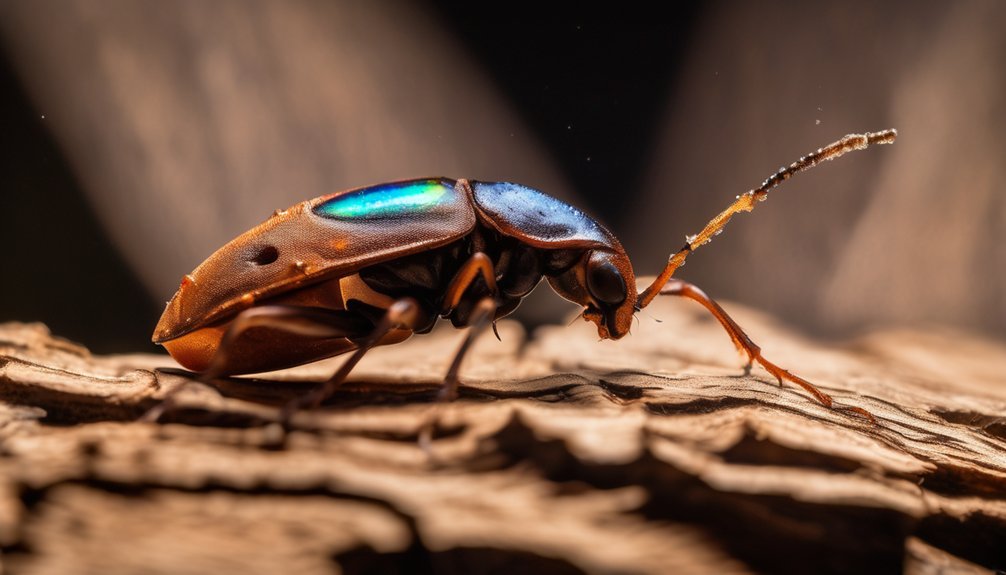
- Skunks and bombardier beetles defend themselves with foul-smelling or hot chemical sprays.
- Camouflage, mimicry, and disruptive markings help animals blend in or look like dangerous species.
- Electric eels, stinging insects, and poisonous animals use shocks or toxins to make predators avoid them.
What Are Animal Defense Mechanisms?
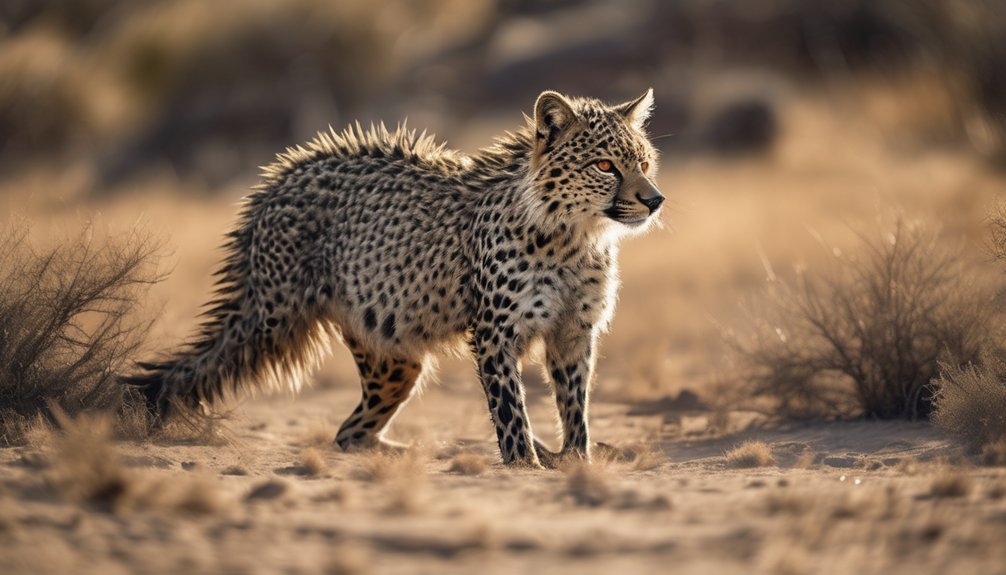
Animal defense mechanisms are physical traits, chemical secretions, and behaviors that help an organism avoid, deter, or survive attacks from predators. You can think of them as survival strategies shaped by natural selection. They may include armor, camouflage, warning coloration, spines, toxins, or evasive movement.
You’ll also find behavioral adaptations such as freezing, hiding, grouping, distraction displays, or rapid escape when danger appears. These defenses increase the chance that you’ll stay alive long enough to feed, grow, and reproduce.
In many species, several mechanisms work together, giving you layered protection against different threats. By studying them, you can see how anatomy, chemistry, and behavior interact to reduce predation risk with remarkable efficiency and precision.

Weird Animal Defense Mechanisms
Some of the strangest defenses in nature rely on surprising body parts, chemicals, or behaviors that seem almost impossible at first glance.
You can see these tactics in octopuses that flash sudden color changes, sea cucumbers that eject internal tissue, and lizards that drop their tails to distract attackers. These colorful adaptations and surprising behaviors work by confusing predators long enough for escape.
You also find animals that inflate their bodies, mimic more dangerous species, or use rigid armor to make handling difficult. Each strategy lowers injury risk by exploiting predator perception, timing, or anatomy.
When you study these defenses closely, you see that evolution favors whatever keeps you alive, even if the solution looks strange, unexpected, or almost theatrical.
Smelly Defenses in the Animal Kingdom
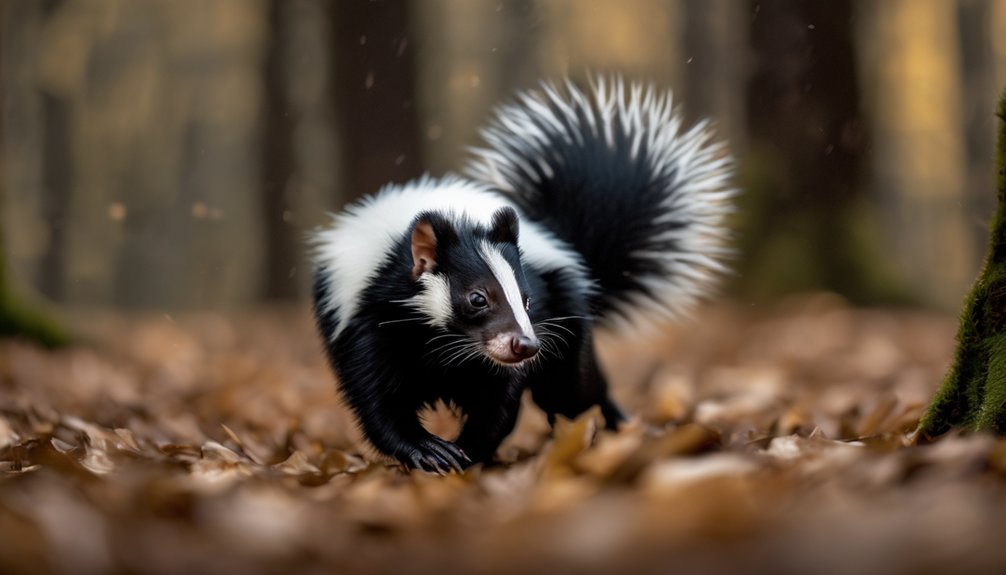
Another striking branch of animal defense uses odor as a weapon. You can see this in skunks, bombardier beetles, and some millipedes, which release chemicals that irritate mucous membranes and repel attackers. These compounds often support smell communication, warning nearby animals or marking danger. When you approach an odor-shedding prey item, olfactory predators may detect it early and hesitate.
| Animal | Odor defense |
|---|---|
| Skunk | Sulfur spray |
| Beetle | Hot chemical burst |
| Millipede | Defensive secretions |
| Stink bug | Foul-smelling release |
You’re dealing with a precise survival tool: volatile molecules disperse fast, linger briefly, and can trigger avoidance before physical contact. In many species, the same glands that aid courtship or territorial signaling also power defense, making scent a versatile biochemical shield.
Camouflage Tricks That Hide Animals
When concealment matters most, camouflage helps animals blend into their surroundings by matching color, pattern, texture, or body shape to the background. You can see this in species that use adaptive coloration to reduce contrast with leaves, bark, sand, or snow.
Their camouflage patterns often shift seasonally or during growth, improving survival in predators-rich habitats.
- Disruptive markings break up outlines, making you harder to detect.
- Countershading darkens the back and lightens the belly, flattening your visible form.
- Background matching lets you nearly disappear when your colors align with the environment.
You’re looking at a finely tuned defense, not magic. Natural selection favors individuals whose camouflage lowers detection, increases feeding success, and supports reproduction in specific habitats.
Mimicry and Deception in Nature
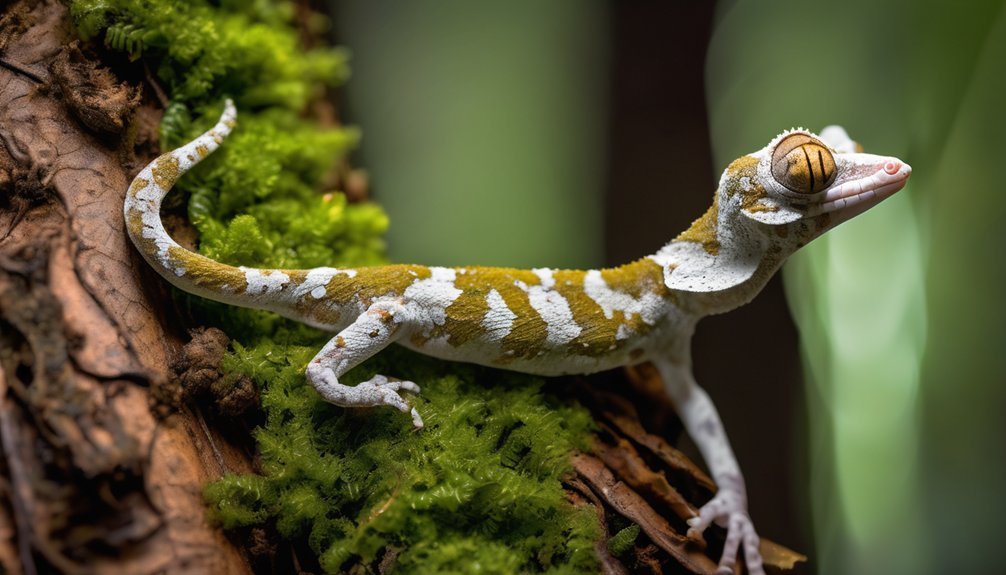
Camouflage hides an animal by reducing visibility, but mimicry takes defense a step further by making it look like something else entirely. You see mimicry types in deceptive coloration, false identities, and warning signals that steer predators away. Some mimic species copy dangerous models; others use aggressive mimicry to lure prey with visual deception. This strategy creates predator confusion, buying survival time.
| Example | Effect |
|---|---|
| Coral snake pattern | Threat warning |
| Hoverfly stripes | Species confusion |
| Anglerfish lure | Prey capture |
| Orchid mantis | False identity |
When you study these signals closely, you notice how precise selection shapes form and behavior. Each pattern can feel intimate, yet it serves a hard biological purpose: survival through deception.
Animals That Drop Body Parts
Some animals defend themselves by shedding a body part in a process called autotomy, which can distract a predator long enough for escape. You’ll see tail autotomy in many lizards, where the detached tail writhes while the body slips away.
- In lizard regeneration, the tail can regrow, though the replacement tissue differs in structure.
- Shrimp shedding may include loss of limbs, which can later re-form during molts.
- Starfish detachment lets an arm break off; some species rebuild it, preserving survival.
You might compare this to octopus ink, but that defense uses a cloud, not tissue loss.
These strategies work because they reduce immediate attack success. Their cost is real: energy, time, and vulnerability increase after each event.

Poisonous and Venomous Defenses
Poisonous and venomous defenses protect animals by delivering toxic chemicals either through contact or through a bite, sting, or other wound. You can think of poisonous strategies as chemical warnings: if a predator eats or touches the animal, toxins enter the body and disrupt nerves, muscles, or cells.
In contrast, venomous adaptations use specialized glands and delivery structures to inject toxins directly into a target. This makes the defense fast and efficient, even when the attacker is larger. You’ll find these systems in frogs, snakes, spiders, and some mammals.
The chemicals may cause pain, paralysis, vomiting, or death, which gives the defended animal a strong survival advantage. When you study these traits, you see evolution shaping precise, intimate chemical warfare.
Stinging and Shocking Defenses
When an animal can’t escape, it may defend itself by delivering a painful sting or an electrical shock. You’ll see this in stinging insects, jellyfish stings, and fish with venomous spines.
- Stings inject chemical irritants through modified mouthparts or nematocysts, causing immediate tissue pain and local inflammation.
- Electric eels generate electric shocks by synchronizing cells that create strong bioelectric fields, which can deter predators and disrupt muscle function.
- Many species pair these weapons with defensive displays, warning you before contact.
These defenses work fast, and they’re often effective because they target nerves and muscles directly.
If you get too close, the animal doesn’t need to chase you; its biology does the work.
Why Playing Dead Works?
Not every defense hits back; sometimes an animal survives by convincing a predator it’s no longer worth eating. When you see playing dead, you’re watching a survival strategy that exploits a predator’s search image and cost-benefit judgment. Stillness can reduce movement cues, weaken attack triggers, and make you seem lifeless or contaminated. You may notice that many predators prefer fresh, struggling prey.
| Cue | Effect | Result |
|---|---|---|
| No movement | Less attention | Predator pauses |
| Limp posture | Weakness signal | Interest drops |
| Odor release | Feigned decay | Rejection increases |
This tactic doesn’t fool every hunter, but it can buy seconds that matter. By staying motionless, you lower risk and increase the chance of escape when danger passes.
How Animal Defenses Evolved
Animal defenses evolved through natural selection, as traits that improved survival and reproduction became more common over many generations. You can trace each defense to a predator adaptation pressure: camouflage reduced detection, toxins discouraged attacks, and warning signals taught predators to avoid dangerous prey.
- Individuals with a slightly better defense survived longer.
- They produced more offspring carrying the same trait.
- Over time, selection amplified the trait’s evolutionary advantages.
You see this process in insects, reptiles, and mammals, where behavior, color, and chemistry all shift under predation. Defenses don’t appear all at once; they accumulate through small changes that fit local threats.
When you study them closely, you’re watching evolution solve survival problems with precision, generation after generation, in intimate ecological relationships.
Frequently Asked Questions
What Animal Has the Strangest Self-Defense Strategy?
The mimic octopus has the strangest self-defense strategy. You’ll see it use colorful camouflage and mimicry tactics to imitate lionfish, sea snakes, and flatfish, confusing predators with precise, adaptive deception in seconds.
Can Humans Mimic Any Animal Defense Mechanism?
Yes, you can mimic some animal defenses through biomimicry applications. You can study porcupine quills, octopus camouflage, and armadillo armor to inspire human adaptations in materials, protective gear, and stealth technology, though biology limits full replication.
Do Defense Mechanisms Work Against Predators Every Time?
No, you can’t rely on defense mechanisms every time; they’re survival adaptations that improve predator evasion, but success depends on predator speed, surprise, environment, and the animal’s condition. Sometimes, predators still catch you.
Which Animals Have the Most Surprising Chemical Defenses?
Blue-ringed octopuses, bombardier beetles, poison dart frogs, and skunks top your list; their chemical warfare uses toxic secretions as predator deterrents. You’ll find 1,700+ poisonous species, and these survival adaptations can be astonishingly effective.
Are Weird Defenses Inherited or Learned?
You’ll usually find weird defenses are inherited through genetic inheritance, though some arise from behavioral adaptation. You’re seeing evolution’s blueprint in action, but learning can fine-tune responses, especially in social species facing repeated threats.
Conclusion
When you study these defenses, you see how survival shapes behavior and anatomy in remarkable ways. You may notice that about 80% of known animal species rely on some form of camouflage or concealment to avoid predators, underscoring how common hiding strategies are in nature. From chemical sprays to tail dropping, these adaptations increase survival odds by interrupting predator attacks. Ultimately, you can see that natural selection favors traits that reduce risk and improve escape.