You may think hibernation is just long sleep, but the biology is more precise. True hibernators cut heart rate, body temperature, and metabolism to save energy when food disappears. Bears, however, don’t enter the same deep state, and many animals use torpor or dormancy instead. Once you separate these terms, the winter strategy animals use becomes far more complex than it first appears.
Key Takeaways
- Hibernation is a deep survival state with slowed metabolism, body temperature, heart rate, and breathing.
- It is not the same as sleep, torpor, or general dormancy, though these terms are often confused.
- True hibernators include groundhogs, bats, hedgehogs, dormice, and some lemurs.
- Bears do not fully hibernate; they enter a lighter winter torpor while staying somewhat alert.
- Animals prepare by building fat reserves, then wake gradually as spring temperatures and day length increase.
What Animal Hibernation Really Is
Hibernation is a survival state in which some animals dramatically lower their metabolic rate, body temperature, heart rate, and breathing to conserve energy when food and water are scarce.
You shouldn’t confuse it with simple sleep, because it involves deep, regulated physiological changes. In true hibernation, you see animal adaptations that help species endure cold seasons, limited resources, and reduced activity.
Many hibernation myths suggest every winter sleeper hibernates in the same way, but that isn’t accurate. Different animals enter different dormancy states, and some only shorten activity periods.

You can think of hibernation as a precise biological strategy, not a vague winter rest. It reflects evolved responses to environmental stress, and it varies across species, habitats, and life histories.
How Hibernation Conserves Energy and Body Heat
By slowing metabolism, an animal sharply reduces the energy it must spend on basic body functions, so stored fat lasts much longer during winter.
Slowing metabolism helps animals conserve energy, making stored fat last much longer through winter.
You can see this as a strategy of energy conservation that lowers oxygen use, heartbeat, and breathing rate. As activity drops, less heat escapes from the body, and insulation from fur, feathers, or fat helps preserve body temperature.
Your cells still work, but at a much slower pace, which limits fuel demand and water loss. This controlled state lets an animal survive cold periods when food is scarce.
Because heat production falls, the animal doesn’t need to eat as often, and its internal reserves can support life until conditions improve.
Hibernation vs. Torpor vs. Dormancy
Although people often use the word hibernation broadly, scientists distinguish it from torpor and dormancy. You can think of hibernation as a prolonged, regulated state with lowered metabolism and body temperature. Torpor is shorter, often daily, and lets you save energy fast. Dormancy is broader still; it describes inactivity in plants or animals without the same metabolic pattern.
| State | Duration | Typical effect |
|---|---|---|
| Hibernation | Long | Deep metabolic suppression |
| Torpor | Short | Rapid energy savings |
| Dormancy | Variable | Reduced activity |
| Hibernation myths | Common | Confuse all three |
| Torpor benefits | Clear | Flexible survival strategy |
When you separate these terms, you avoid hibernation myths and understand why torpor benefits some animals more than long-term hibernation does.
Which Animals Actually Hibernate?
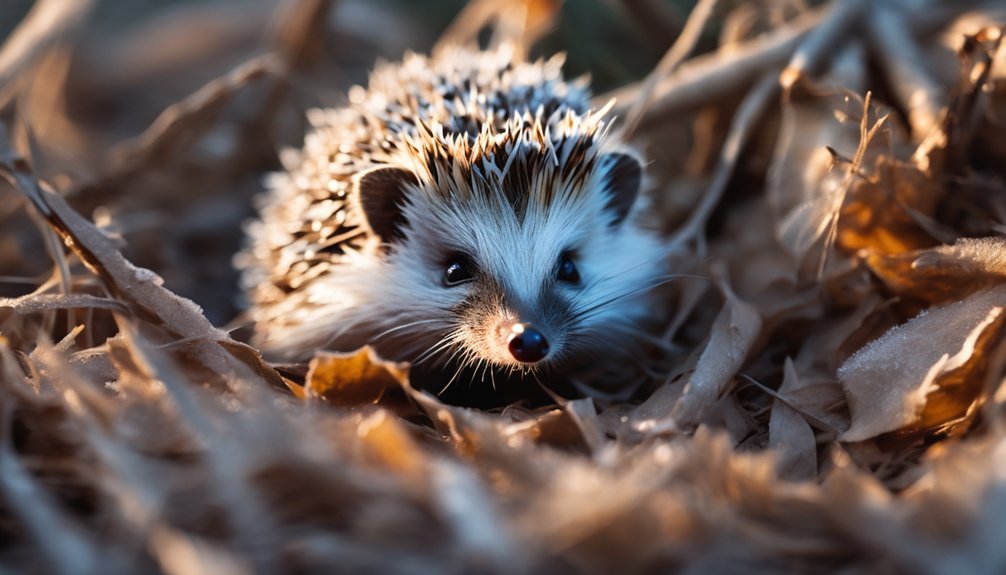
Which animals actually hibernate depends on how strictly you use the term, because true hibernators are relatively few. You’ll most often see this in small mammals such as groundhogs, some bats, hedgehogs, and a few rodents, which enter long winter inactivity.
You may also hear about bears behavior, but bears usually experience a lighter winter dormancy rather than classic hibernation. In colder regions, dormice and some lemurs also qualify under stricter definitions.
If you watch groundhog predictions, remember that one famous species is easy to notice, but it represents only a narrow slice of the animal kingdom. Most other species survive winter by remaining active, migrating, or using brief torpor instead of true, prolonged hibernation.
What Happens Inside a Hibernating Animal
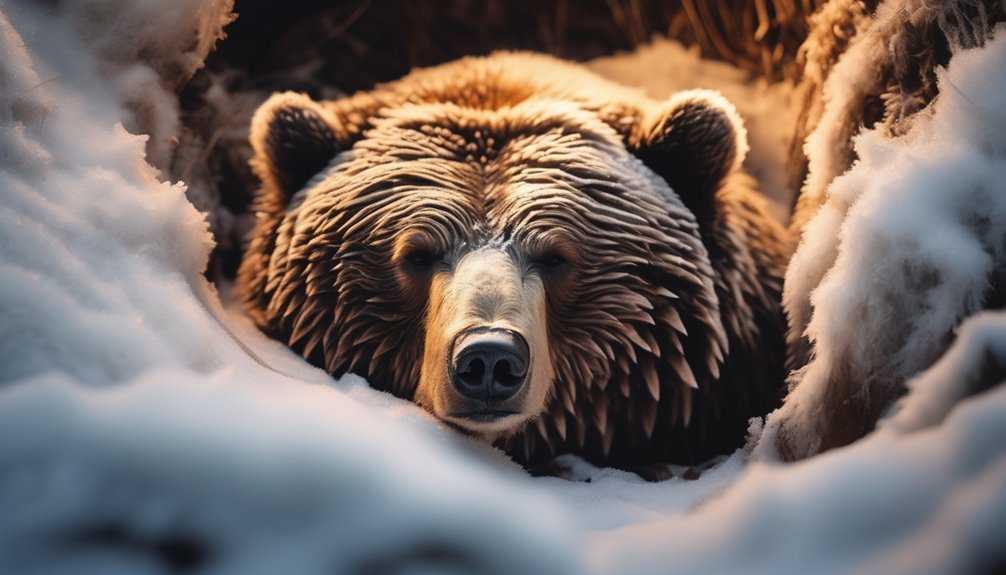
During hibernation, an animal’s metabolism slows sharply, and its body conserves energy by lowering heart rate, breathing rate, and body temperature. You can picture profound metabolic changes as a controlled shutdown, not sleep’s ordinary pause. Hibernation myths often suggest the animal becomes inactive and unresponsive, but internal regulation continues.
| Measure | Typical shift | Why it matters |
|---|---|---|
| Heart rate | Drops | Saves energy |
| Breathing | Slows | Limits fuel use |
| Body temperature | Falls | Reduces heat loss |
| Brain activity | Decreases | Matches low demand |
| Fat use | Increases | Supplies fuel |
You’ll also notice periodic arousals in many species, when metabolism briefly rises. These cycles help maintain vital functions while the animal stays in a low-energy state, and they’re central to true hibernation.
How Animals Prepare for Hibernation
As winter approaches, many hibernating animals begin preparing by eating more, building fat reserves, and reducing activity. You can observe several preparation methods that help them survive months of limited food and cold temperatures.
Many species increase feeding, then convert extra calories into body fat, which serves as their main energy source later. Some animals gather food storage supplies in nests, burrows, or dens, especially if they enter lighter dormancy rather than true hibernation.

They may also repair shelter, seek protected sites, and lower activity to conserve energy. These changes happen under hormonal control and respond to shorter days and falling temperatures.
Do Bears Really Sleep Through Winter?
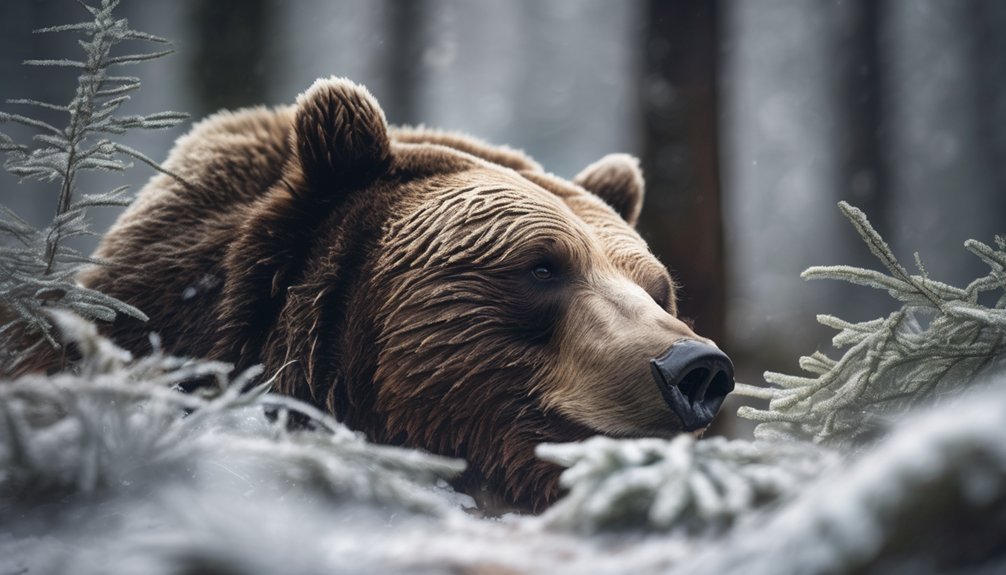
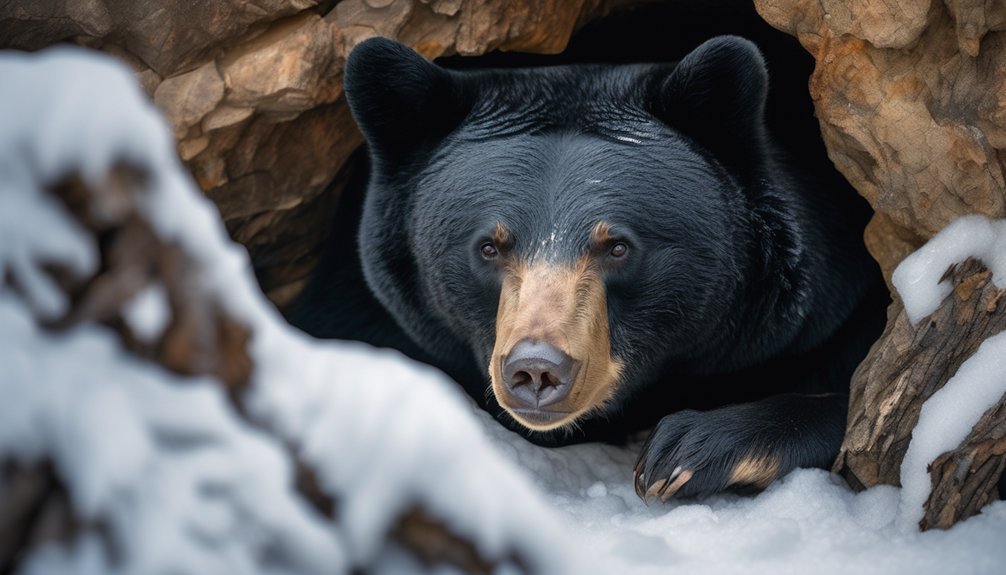
Bears don’t usually sleep through winter in the same way that smaller hibernators do. You’re seeing a form of torpor, not a deep, unbroken sleep.
During this period, bear behavior changes: heart rate drops, body temperature falls slightly, and the animal conserves energy while remaining alert to disturbance. You may think of it as a controlled slowdown that supports winter survival when food is scarce and conditions are harsh.
Heart rate drops, temperature dips, and bears conserve energy while remaining alert in winter’s harsh stillness.
Bears can stay in dens for months, but they don’t eat, drink, urinate, or defecate in the typical way. Their metabolism adjusts to use stored fat efficiently.
This strategy lets you understand how bears endure winter without becoming fully inactive, and it shows how flexible mammalian physiology can be.
How Hibernators Wake Up in Spring
When spring conditions improve, hibernators begin a gradual arousal from torpor as warmer temperatures, longer daylight, and changing hormone levels signal the body to restart normal activity.
You can observe this spring awakening as breathing quickens, heart rate rises, and body temperature climbs in stages. Hibernation triggers don’t switch off instantly; they fade as internal rhythms respond to food cues and environmental change.
Fat stores supply energy during this transition, while muscles regain tone and coordination.
- You may feel wonder at how precisely biology times recovery.
- You may feel relief as survival systems reset.
- You may feel closeness to nature’s steady renewal.
Which Animals Don’t Hibernate?
Not all animals slow down into hibernation; many stay active year-round or use other survival strategies instead. You’ll find that many birds, reptiles, amphibians, and insects don’t hibernate in the strict sense. Instead, they migrate, enter torpor, freeze-tolerate, or shelter underground.
Among non-hibernating mammals, deer, rabbits, foxes, and humans remain active through winter, relying on food access, insulation, and behavior rather than deep metabolic shutdown. In cold regions, these species use cold climate adaptations such as dense fur, fat stores, reduced activity, and sheltered nests or burrows.
You can also see that some animals become less active only during the coldest periods, but they don’t meet the definition of hibernation. Their survival depends on flexibility, not dormancy.
Frequently Asked Questions
What Triggers Hibernation in Animals?
Hibernation is triggered by seasonal cues like shortening daylight and falling temperatures. These signals prompt metabolic changes, lowering your body’s energy use and preparing you to conserve fat when food becomes scarce and conditions turn harsh.
Can Hibernating Animals Drink Water?
Yes, hibernating animals can’t usually drink actively, but you’ll find they meet water needs through fat metabolism and stored hydration sources. Some species also wake periodically, if conditions permit, to rehydrate.
Do Pets Ever Hibernate?
You won’t see true hibernation in most pets, but some can enter torpor or slow pet behavior during seasonal changes. Your hamster, snake, or turtle may rest deeply, yet it isn’t full hibernation.
How Long Can Hibernation Last?
Hibernation can last weeks to months, depending on species and conditions. During winter dormancy, you’ll see a profound metabolic slowdown that conserves energy until temperatures rise and food becomes available again.
Can Humans Safely Imitate Hibernation?
Could you safely imitate hibernation? You can’t yet; human physiology, sleep cycles, and metabolic changes don’t support it, and safety concerns remain serious. Scientists’re studying it, but you shouldn’t try it outside medical supervision.
Conclusion
So, what does animal hibernation really tell you? You see a precise survival strategy, not just long sleep. True hibernators sharply reduce body temperature, heart rate, and metabolism to save energy through winter. You also notice that torpor and dormancy are distinct responses, and bears do not fully hibernate. When spring returns, animals revive as conditions improve. By understanding these differences, you can better appreciate how species adapt to environmental stress.