You may think animal friendships follow simple rules, yet some of the most unusual cases challenge that idea. You’ll find a dog trusting a deer, a cat raising another species’ young, and predators behaving with surprising restraint. These bonds can look fragile, but they often reveal careful adaptation, social need, and lasting recognition. What makes them form, and how far can they go?
Key Takeaways
- Unusual animal friendships often cross species boundaries, showing trust, comfort, and mutual benefit without shared language.
- Dogs and deer can form calm bonds when early exposure and safe conditions reduce instinctive fear.
- Cats may become surrogate mothers, grooming, nursing, and protecting kittens that are not their own.
- Large predators like lions or tigers can sometimes peacefully coexist with tiny companions under unusual socialization or captive conditions.
- Famous examples include dogs supporting blind goats, penguins returning to caregivers, and otters holding paws while sleeping.
What Makes Animal Friendships Unusual?
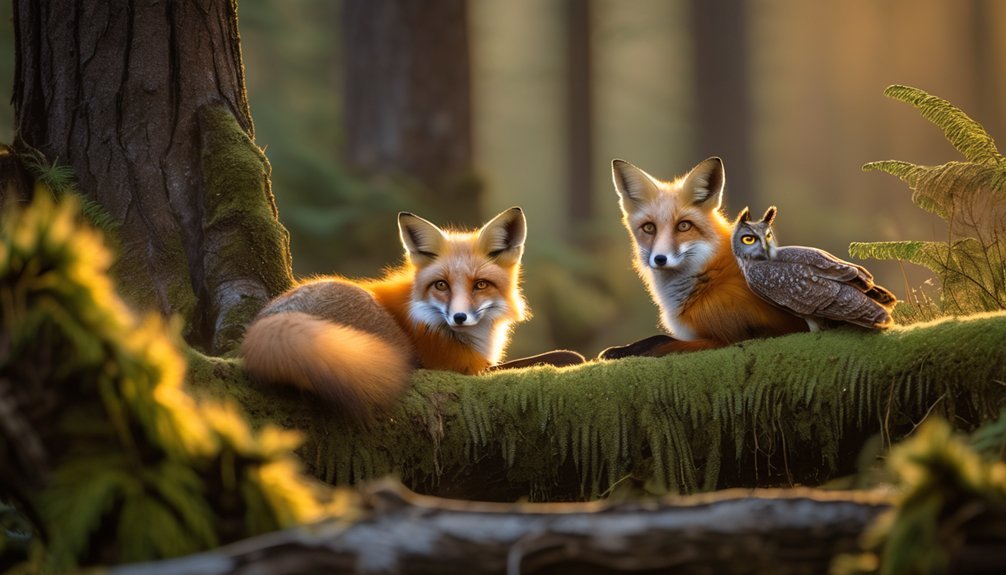
Animal friendships seem unusual when they cross species boundaries, because you don’t usually expect one animal to seek comfort, protection, or play from another that isn’t its own kind.
You notice these bonds when instinctive caution gives way to trust, and interspecies communication becomes readable through posture, touch, and timing.
What surprises you most is that emotional connections can form without shared language, yet still show clear mutual benefit.
These relationships often challenge your assumptions about territorial behavior, social hierarchy, and survival priorities.
You may see one animal remaining calm near another that would normally trigger alarm, which suggests flexible social recognition.

That adaptability makes the bond remarkable, not sentimental alone, but biologically meaningful and carefully negotiated.
Dog and Deer Friendship
A dog and a deer can form a striking friendship because their usual roles in the wild rarely overlap in a way that invites calm contact.
You may see the dog soften its canine instincts, lowering its posture and moving with careful restraint, while the deer reads deer behavior with alert but measured attention. When both animals choose proximity without threat, you’re witnessing a rare balance of curiosity and trust.
The dog often follows, and the deer sometimes mirrors that pace, creating quiet companionship.
You should still remember that this bond depends on temperament, early exposure, and safety.
If you watch closely, you’ll notice that the relationship feels intimate not because it’s sentimental, but because it’s deliberate, mutually regulated, and unusually gentle.
Cats as Surrogate Moms
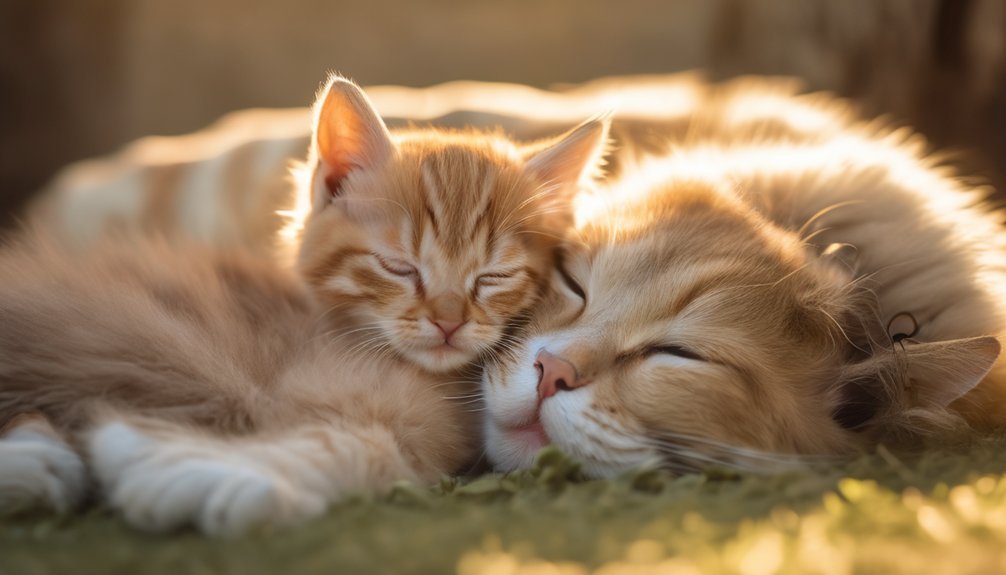
When a cat acts as a surrogate mom, she often redirects normal maternal behaviors toward kittens that aren’t her own, grooming, nursing, warming, and guarding them as if they were in her litter.
You can see cat nurturing in the way she responds to distress cues, lowers her stress around the young, and keeps them close for safety.
This behavior usually appears when her hormones, environment, and social context align, and it reflects real feline compassion rather than simple tolerance.
If you observe her closely, you’ll notice careful body placement, gentle licking, and steady contact that supports the kittens’ survival.
In these moments, her care feels intimate, protective, and remarkably precise, showing how flexible maternal instinct can be in cats.
Lions, Tigers, and Tiny Friends
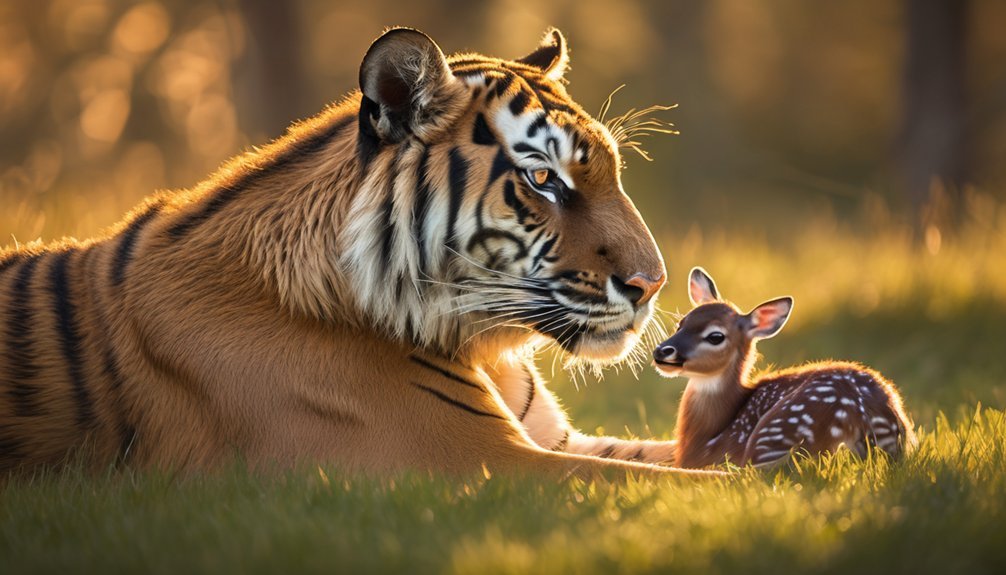
Even massive cats can show surprisingly gentle behavior toward tiny companions, especially when early socialization or unusual captive conditions bring them into close contact.
Massive cats can show surprising gentleness toward tiny companions when early socialization or unusual conditions bring them together.
You may notice a lion resting beside a kitten, or a tiger tolerating a rabbit’s delicate movements, with careful stillness replacing instinctive tension. In these lion tiger dynamics, the larger animal often lowers its pace, softens its posture, and avoids abrupt contact.
You’re seeing atypical responses, not a rule of nature, but they can still feel profoundly moving. These unusual companionships demand vigilance, because size alone can turn a tender moment into danger.
Still, when monitored well, they reveal how touch, proximity, and calm routines can create brief, measurable trust between species that would otherwise never meet.
Why Different Species Bond
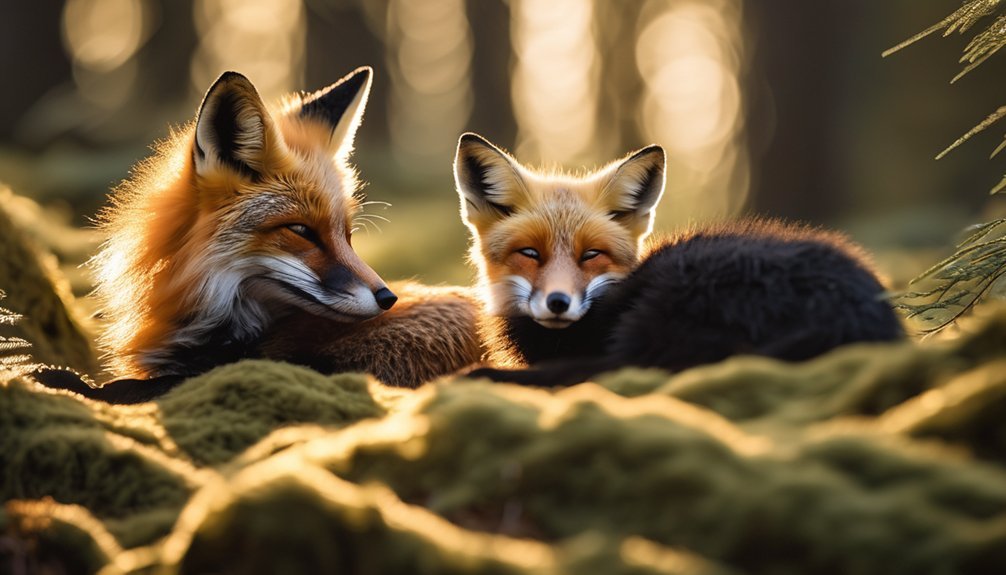
Different species often bond because safety, predictability, and repeated nonthreatening contact can override instinctive caution. You can see species connection when each animal learns the other’s social behavior and responds with calm attention.
In mixed groups, emotional support may reduce stress, while mutual benefits improve feeding access, vigilance, or rest. Your understanding grows when habitat diversity forces flexible survival strategy, and communication skills bridge body language, scent, and timing.
Playful interactions also matter; they train trust without pressure and reveal compatible temperaments. When one animal feels protected and the other feels accepted, attachment can deepen.
You’re watching a precise exchange, not fantasy: two organisms calibrate closeness, exchange comfort, and build a relationship that serves daily needs while remaining gentle and intimate.
How Unlikely Animal Bonds Start
Unlikely animal bonds usually start with a small, low-risk encounter: a shared resting place, a steady food source, or repeated proximity without threat.

You’ll often see each animal test the other’s boundaries with brief glances, relaxed posture, or careful approaches that signal calm rather than challenge.
Over time, these exchanges build trust through interspecies communication that’s subtle but readable if you watch closely.
You’re witnessing emotional intelligence at work when one animal mirrors the other’s pace, tolerates touch, or waits without pressure.
Each safe interaction lowers vigilance, and the bond deepens because neither animal feels forced.
In these early moments, affection isn’t dramatic; it’s measured, reciprocal, and quietly protective, forming the basis for an attachment that can endure.
Famous Zoo Animal Friendships
Those same small acts of trust can grow into famous bonds in zoo settings, where limited space, routine care, and constant visibility make every interaction easier to observe.
You can watch zoo residents form calm routines that look almost deliberate: a primate grooming a cat, a bird nesting near a mammal, two hoofed animals sharing shade. Staff document these interspecies bonds because they reveal social flexibility, reduced stress, and selective tolerance.
You may notice how one animal approaches, pauses, and waits for consent before contact, a pattern that signals comfort rather than accident. In the zoo, familiarity can turn into companionship under careful supervision.
When you see such pairings, you’re seeing not novelty alone, but a measurable expression of trust, attention, and emotional responsiveness.
Do Animal Friendships Last?
Do animal friendships last, or do they fade when seasons, habitats, or social groups change? You’ll often see bonds persist when both animals keep access to each other, shared routines, and low stress.
If one partner leaves, the connection can weaken, yet traces of recognition may remain. You may notice grooming, side-by-side resting, or protective behavior continuing over time, which signals animal loyalty rather than a fleeting encounter.
Friendship longevity depends on age, temperament, and whether daily contact stays intact. In some cases, separation doesn’t erase preference; it only pauses it.
When animals reunite, they can resume familiar behaviors quickly, as if the bond had been waiting. You can think of these ties as fragile, but not disposable.
What Science Says About Animal Friendships
Scientists study animal friendships by looking for repeated, voluntary social choices rather than one-time contact. You can think of friendship as patterned social behavior that persists when both animals seek proximity, grooming, play, or cooperative feeding.
Researchers measure who approaches whom, how often, and whether stress falls in each other’s presence. These data suggest some species show emotional intelligence: they read cues, remember partners, and adjust their actions to preserve trust.
You shouldn’t picture this as human romance projected onto wildlife; the evidence is careful and behavioral. Still, it can feel intimate because the bond is real to the animals involved.
When you see consistent mutual choice, you’re seeing a relationship that has measurable value, not random tolerance.
Most Heartwarming Animal Friendships
When animal friendships become visible in daily life, they often look surprisingly tender: a chimp may wait for a favored partner, an elephant may comfort a distressed companion, and two unlikely species may choose to stay close by choice.
You can see emotional connections override survival instincts in small, measurable acts: grooming, shared rest, and protective positioning.
- A dog gently lies beside a blind goat, steadying its body.
- A penguin returns daily to the same human caregiver, seeking reassurance.
- A lion and a lamb remain calm within the same enclosure, each lowering threat.
- Two rescued otters hold paws, reducing stress during sleep.
These bonds don’t erase danger; they soften it. When you witness them, you recognize intimacy as a biological signal, not sentiment alone, and that can feel profoundly human.
Frequently Asked Questions
Can Animals Become Friends Without Human Intervention?
Yes, you can see animals become friends without human intervention; animal communication and interspecies behavior often let them form bonds, share space, and reduce stress. You’ll notice affection, cooperation, and trust developing naturally over time.
Do Wild Animals Ever Form Lifelong Cross-Species Bonds?
Yes, you can observe them: wild animals sometimes form lifelong cross-species bonds, where danger meets tenderness. These unexpected alliances create cross species affection, emotional connections, and survival benefits, though they’re rare, adaptive, and deeply moving.
Can Animal Friendships Help Reduce Stress or Anxiety?
Yes, animal friendships can reduce your stress or anxiety by lowering cortisol and promoting calm. Through animal therapy and emotional support, you may feel safer, more connected, and gently soothed during difficult moments.
Are Unusual Animal Friendships Common in Captivity?
Not usually; in captivity, you’re seeing a carefully managed ecosystem, like a stitched quilt. Captivity dynamics can alter social behavior, so unusual bonds may appear more often, yet they’re still exceptions, not the rule.
Do Older Animals Accept New Species Companions More Easily?
Not always; you’ll see age influence matters, but older animals can accept new species companions if inter species bonding develops gradually. You should monitor stress, respect preferences, and support calm introductions with patient, compassionate care.
Conclusion
You can see that unusual animal friendships are not just feel-good stories; they often reflect real patterns of attachment, social learning, and stress reduction. If you wondered whether these bonds are “natural,” the evidence says yes, sometimes they are. Species boundaries can soften when safety, familiarity, and care are present. You should remember that these friendships don’t always last, but while they do, they reveal how deeply trust can form across difference.