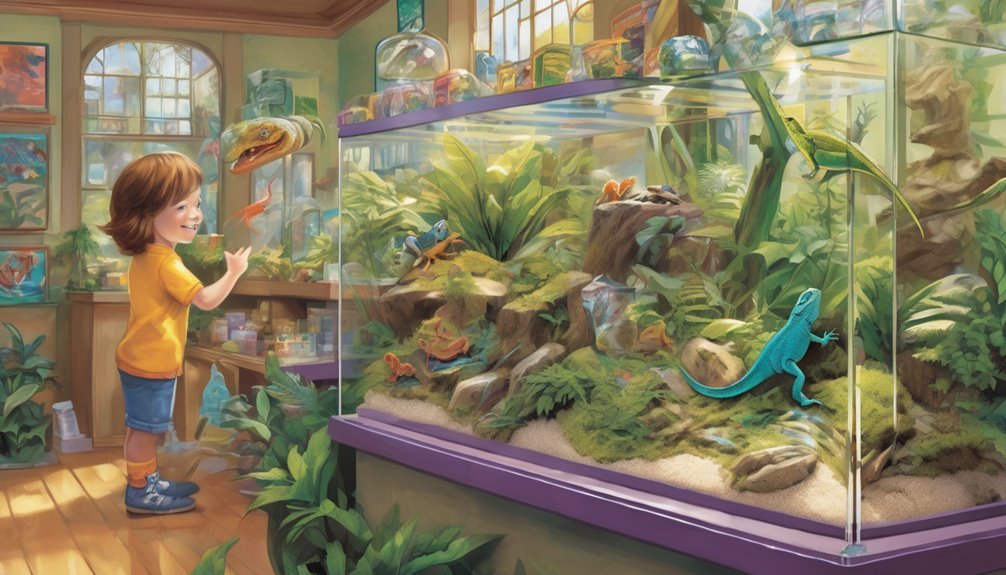
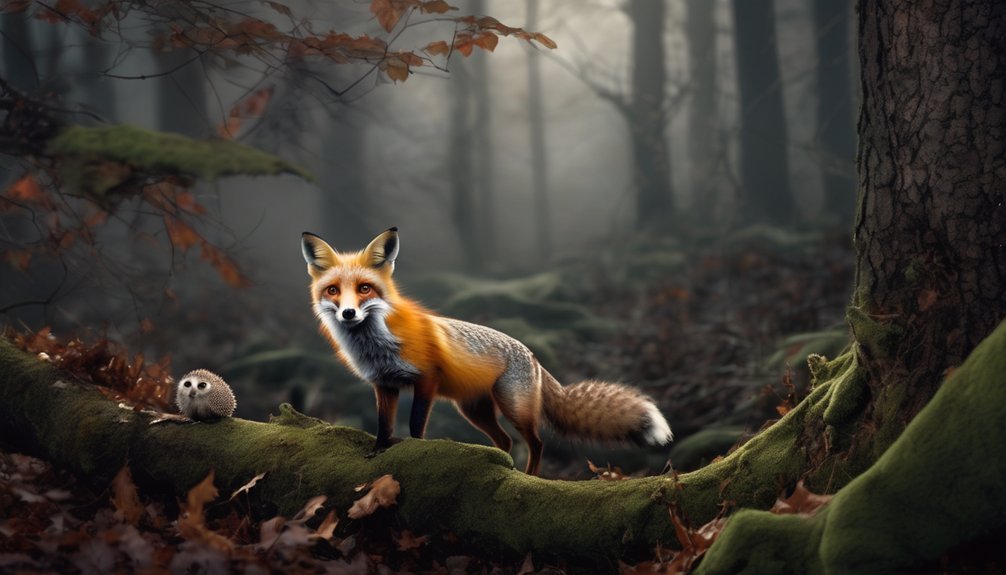
When you think about nocturnal animals, you’re seeing species built for darkness rather than daylight. Their eyes, ears, and noses often work with remarkable precision in low light, and their behavior changes to match the night cycle. You may expect simple adaptations, but the details are more complex, and moonlight, predators, and human light sources all shape what happens after sunset.
Key Takeaways
- Nocturnal animals are active at night and rest by day, using darkness to feed, move, and communicate.
- They have adaptations like enhanced night vision, keen hearing, strong smell, and echolocation to survive in low light.
- Many hunt with stealth, patience, camouflage, and quick strikes to catch prey and avoid predators.
- Moonlight, weather, and circadian rhythms shape their behavior, while bright nights can reduce activity.
- Light pollution, habitat loss, and noise disrupt nocturnal species, making conservation of dark habitats essential.
What Are Nocturnal Animals?
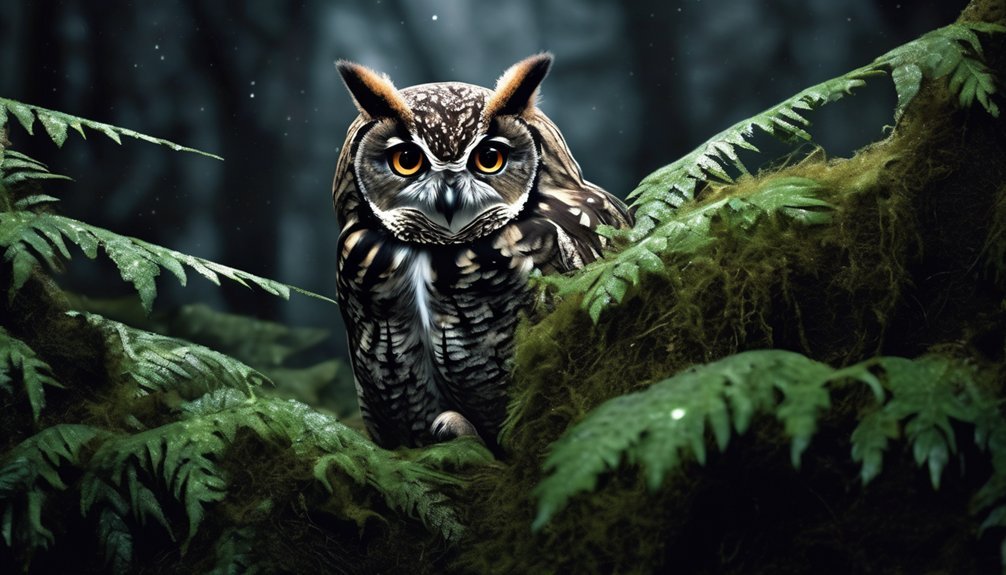
Nocturnal animals are species that are primarily active during the night and rest during the day. You can identify them by their nocturnal behaviors, which shape how they feed, move, and communicate after dark.
Their habitat preferences often align with low-light environments, and their ecological roles help regulate food webs in subtle but important ways. You’ll also notice evolutionary traits that support night adaptations, including sensory enhancements that improve detection of prey, mates, and threats.
These survival strategies can reduce predator avoidance risks while supporting mating rituals and efficient use of food sources. When you study them closely, you see that nocturnal animals aren’t defined by mystery alone; they’re defined by consistent biological patterns that let you understand how life persists in darkness.
How Are Nocturnal Animals Adapted?
At night, these animals rely on specialized adaptations that improve survival in darkness. You’ll notice that nocturnal species use night vision, sensory adaptations, and reduced disturbance from human activity to exploit safer habitats.

Nocturnal animals thrive in darkness, using night vision and heightened senses to navigate safer habitats with less disturbance.
Their hunting strategies often favor patience, stealth, and quick strikes, while camouflage techniques help them avoid predators and ambush prey. You can also see shifts in sleep patterns, since they rest during daylight and conserve energy for active periods after sunset.
Environmental influences such as temperature, moonlight, and cover shape their behavior. Many species adjust reproductive behaviors to match low-light conditions and reduced competition.
Together, these traits strengthen ecosystem roles by supporting pest control, seed dispersal, and food-web balance.
How Nocturnal Animals See at Night
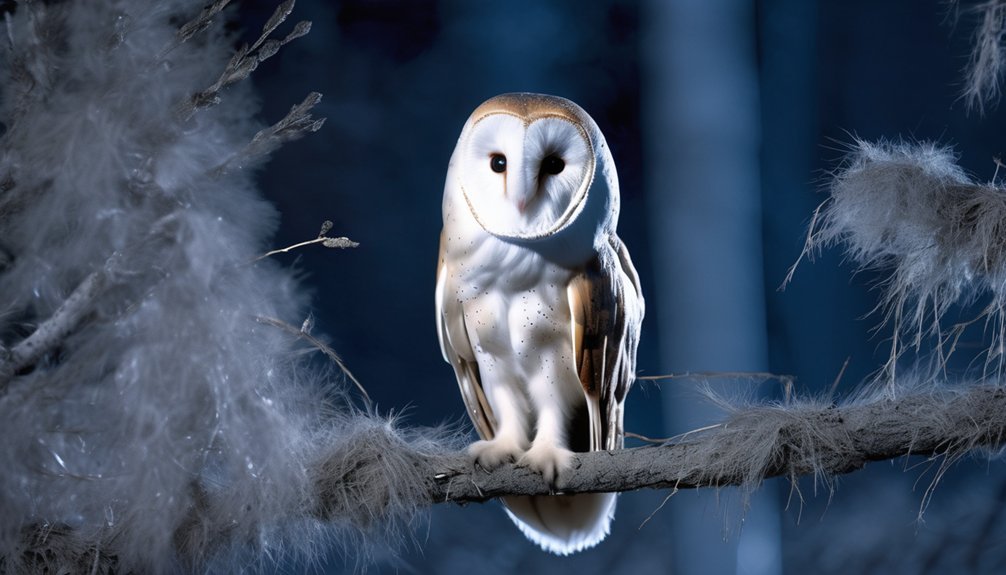
Even in dim light, nocturnal animals can gather enough visual information to navigate, hunt, and avoid danger because their eyes are specialized for low-light conditions.
You benefit from this night vision through sensory adaptations such as enlarged pupils, a reflective layer, and more rod cells than cone cells. These features increase light sensitivity, though they reduce color perception and can limit visual acuity.
During twilight activity, that trade-off supports efficient hunting strategies, letting you detect movement and track prey detection with precision.
The eye structure also helps you read environmental cues, such as shadows, contrast, and silhouettes, which guide safe movement across complex terrain.
In darkness, these animals don’t see less overall; they see differently, using biology to maximize usable detail.
How Nocturnal Animals Hear and Smell
Because sight is only one part of nighttime survival, nocturnal animals also rely heavily on hearing and smell to detect what their eyes can’t. You notice high sound sensitivity in animals that amplify faint rustles, wingbeats, or footfalls, letting them map movement in darkness.
Some use echolocation abilities to read environmental cues, turning echoes into precise location data. Their olfactory adaptations can be equally refined: larger nasal surfaces and receptor diversity help them identify mates, food, and territory.
These sensory enhancements support communication methods through scent marks and calls, while improving predator detection before a threat gets close. Your understanding of habitat preferences also deepens, because dense forests, open fields, and burrows reward different hunting techniques.
Together, these senses offer clear evolutionary advantages, sharpening survival when light fails.
Common Nocturnal Animals Around the World
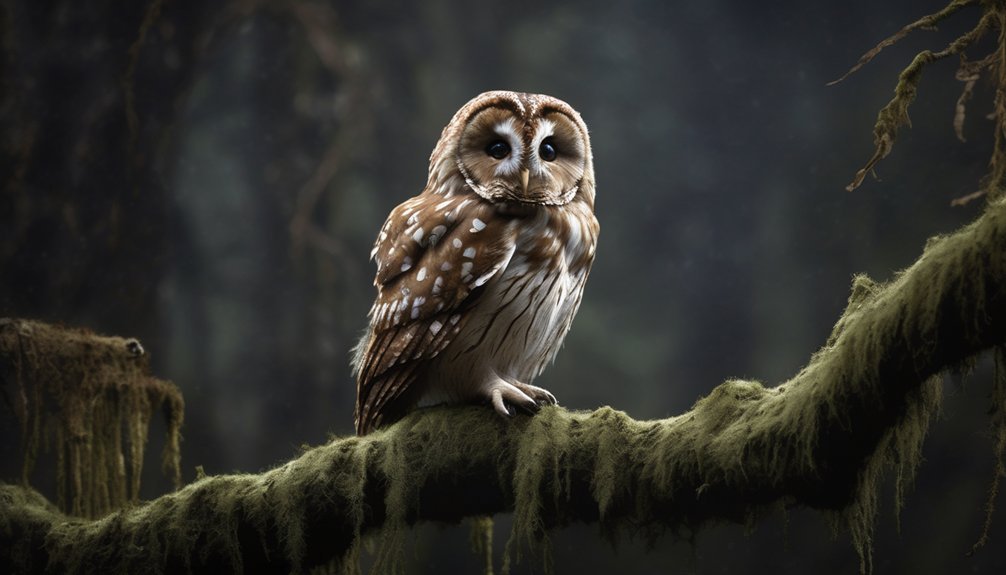
Common nocturnal animals occur on every continent except Antarctica and include mammals, birds, reptiles, amphibians, and many insects that are active mainly after sunset.
You’ll notice owl species with specialized night vision, plus bats whose bat diversity reflects wide habitat preferences. Their nocturnal habits shape urban wildlife too, where raccoons, geckos, and moths adapt to human light.
- You can track animal communication through calls, clicks, and scent signals.
- Habitat preferences vary from forests to deserts and wetlands.
- Foraging strategies often match temperature, cover, and resource timing.
- Survival tactics reduce predator prey overlap and improve energy use.
When you compare regions, you’ll see similar ecological roles repeated with local variation.
How Nocturnal Animals Hunt After Dark
Once night falls, nocturnal animals rely on a tightly coordinated set of sensory and behavioral adaptations to find prey in low light.
You can see how hunting techniques vary: owls use silent flight, bats exploit echolocation, and cats depend on acute hearing and vision. These prey strategies let them detect motion, judge distance, and strike with precision.

During nocturnal foraging, they often conserve energy by choosing routes that match habitat preferences, such as forest edges, grasslands, or wetlands. Stealth movements reduce vibration and sound, while group dynamics can improve detection or ambush success in social hunters.
Each trait offers evolutionary advantages because it increases capture rates and lowers risk. When you observe these patterns, you’re seeing a finely tuned predator system built for darkness.
Why Nocturnal Animals Sleep During the Day
During daylight, nocturnal animals usually rest because their bodies and senses are adapted to function most efficiently at night. You can see this daytime behavior as a result of circadian rhythms, which align activity with darkness and sleep with light.
Their sensory adaptations, like heightened hearing or vision, work best when temperatures drop and prey is active. Resting also supports energy conservation, letting them preserve glucose and reduce metabolic demand.
Resting conserves energy, preserving glucose and reducing metabolic demand for the night ahead.
- Sleep lowers unnecessary movement.
- Quiet shelter supports recovery.
- Habitat preferences shape safe resting sites.
- Predator avoidance improves when they stay hidden.
When you observe them, you’re seeing an efficient biological schedule, not laziness. Their physiology, behavior, and environment work together to keep them prepared for nighttime activity.
How Nocturnal Animals Avoid Predators at Night
At night, nocturnal animals reduce predator risk by combining stealth, timing, and sensory awareness. You can see that many species stay close to cover, moving along branches, burrows, or dense vegetation to limit exposure.
Their camouflage techniques help them blend with bark, leaves, or shadow, making detection harder for hunting eyes. You’ll also notice behavioral strategies such as brief movement bursts, quiet foot placement, and freezing when danger approaches.
Some animals stay alert through enlarged ears, whiskers, or acute hearing, which lets them detect approaching threats before they’re seen. By choosing safe routes and minimizing noise, they lower the chance of attack.
This careful balance of concealment and vigilance lets them forage, mate, and travel while staying safer in darkness.
How Moonlight Affects Behavior
Moonlight can strongly influence nocturnal behavior by changing how visible animals are to predators and prey. You’ll notice that activity often drops during bright nights, because the moonlight influence raises detection risk and alters hunting success.
Across lunar phases, many species shift foraging, travel, and communication to balance energy gain with safety.
- Bright moonlight can expose movement.
- Darker nights can increase roaming.
- Prey may freeze, hide, or delay feeding.
- Predators may track more efficiently under clear skies.
You can think of this as a fine-tuned behavioral response, not randomness. By reading light levels, nocturnal animals adjust their timing with remarkable precision, and that flexible pattern helps them survive in a world where every shadow matters.
How Humans Affect Nocturnal Animals
Human activity can disrupt nocturnal animals by altering light, noise, habitat structure, and movement patterns. You increase light pollution, which can shift feeding and breeding times, while urban noise masks calls and hampers navigation.
Habitat destruction fragments shelter and exposes individuals to predators, and climate change can intensify food scarcity by changing insect emergence and plant cycles. Research studies show that even brief human interaction may raise stress and reduce survival.
You can lessen these effects through conservation efforts that protect wildlife corridors, limit artificial lighting, and preserve dark refuges. When you reduce disturbance, you support ecological balance and give nocturnal species a better chance to persist in landscapes increasingly shaped by you.
Frequently Asked Questions
Do Nocturnal Animals Ever Become Active During Thunderstorms?
Yes, you’ll often see nocturnal activity increase during a thunderstorm. You should note thunderstorm behavior varies by species; some animals stay sheltered, while others exploit reduced light, cooler air, and quieter predator cues.
Can Nocturnal Animals Recognize Individual Voices?
Yes, some nocturnal animals can recognize individual voices. You’d see voice recognition especially in social interactions, where they identify mates, offspring, or rivals. Scientists link this skill to memory, learning, and survival benefits.
How Do Young Nocturnal Animals Learn Nighttime Survival Skills?
They learn by shadow and moon, like seedlings reaching light. You’ll see parental guidance shape their sensory development as they track scents, hear warnings, and practice stealth, building survival skills through repetition, observation, and instinct.
Do Artificial Lights Change Nocturnal Animals’ Mating Habits?
Yes—artificial lights can alter mating behavior by disrupting nocturnal adaptations. In urban environments, light pollution can shift timing, reduce courtship success, and change partner choice, so you’ll often see lower reproductive performance in affected species.
Which Nocturnal Animals Can Survive Extreme Desert Temperatures?
You’ll find fennec foxes, kangaroo rats, jerboas, and desert hedgehogs can survive extreme heat. Their desert adaptations support temperature regulation through burrowing, nocturnal activity, low water loss, and heat-dissipating ears or limbs.
Conclusion
When you step into the night, you enter a world ruled by the moon’s quiet signal. Nocturnal animals use darkness like a shield, relying on sharp senses, stealth, and timing to survive and hunt. But your lights can scatter their rhythms and blur their paths. Protecting these species means preserving the balance of the ecosystem they hold together. If you guard the night, you help keep nature’s hidden clock running.