Imagine you’ve just brought home a playful kitten named Luna, full of energy and curiosity. While the joy she brings is undeniable, it’s essential to ensure your home is safe and welcoming for her. From kitten-proofing your space to understanding her needs, there are several key factors to consider. Let’s explore the vital steps that can help you create a nurturing environment for Luna, ensuring she thrives in her new home.
Key Takeaways
- Prepare your home by kitten-proofing and creating a designated safe area for play, sleep, and eating.
- Provide essential supplies like a cozy bed, litter box, toys, and high-quality food for proper nutrition.
- Schedule regular vet visits for vaccinations and health check-ups to ensure your kitten’s well-being.
- Promote socialization and training with positive reinforcement, teaching basic commands for good behavior.
- Engage your kitten with interactive play and provide enrichment through toys and climbing spaces.
Why You Should Adopt a Kitten
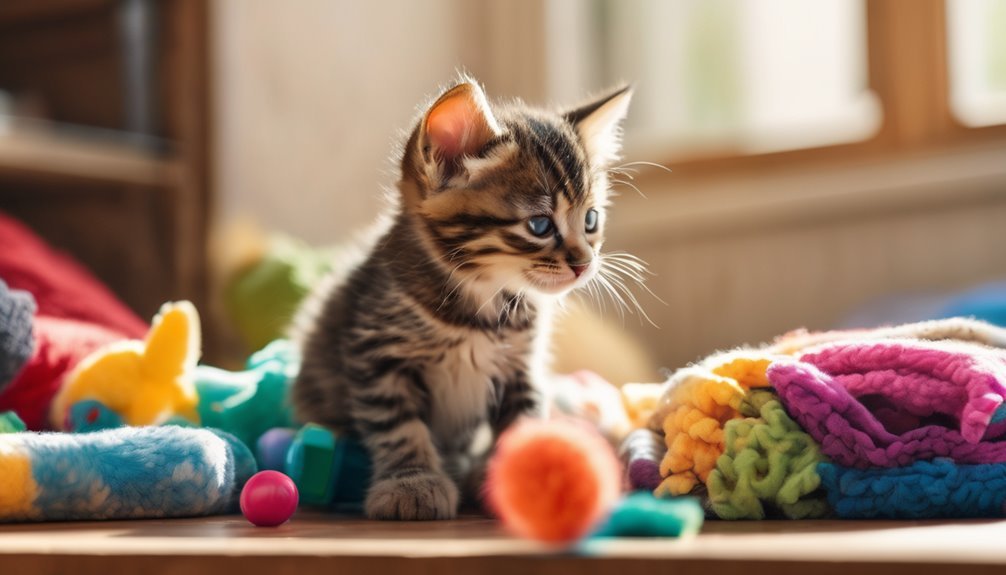
When you consider bringing a pet into your home, adopting a kitten can be one of the most rewarding decisions you make. The kitten adoption benefits are plentiful; you’re not just gaining a playful companion, but also giving a deserving animal a loving home.
Kittens bring joy, laughter, and a sense of purpose to your life. While fostering is a noble choice, adopting creates a permanent bond, allowing you to nurture your kitten’s growth and personality.
Kittens fill your life with joy and laughter, creating a lasting bond that nurtures their growth and personality.
You’ll experience the unique joy that comes with watching them thrive in a stable environment. By choosing adoption, you’re not only enriching your life but also making a significant impact on a kitten’s future.
Embrace this journey; it’s filled with love and companionship.

Preparing Your Home for a New Kitten
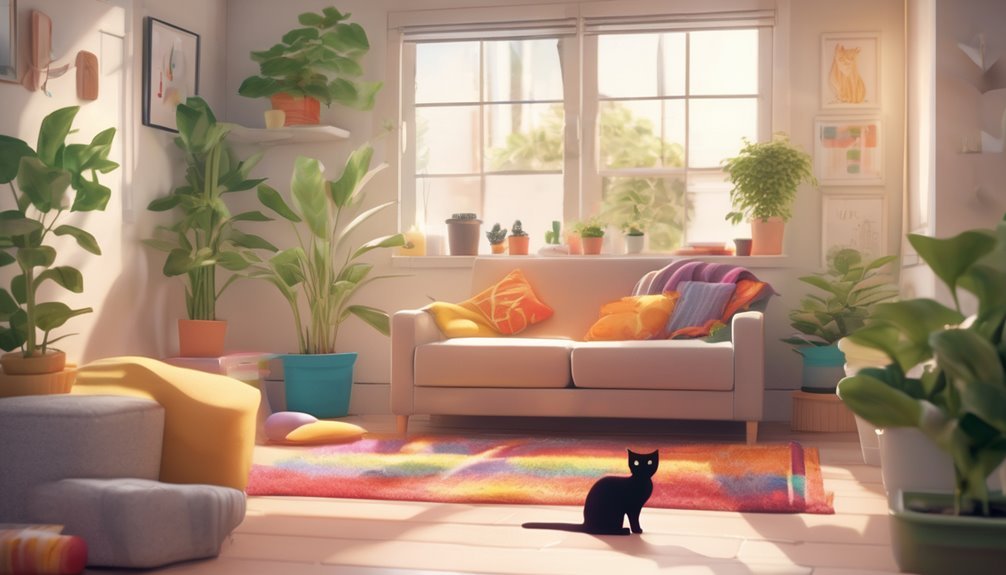
As you prepare to welcome a new kitten into your home, ensuring your space is safe and inviting is essential for a smooth transition.
Start by kitten proofing rooms; secure loose wires, remove toxic plants, and store small items out of reach. It’s also wise to check for open windows or gaps that could pose a risk.
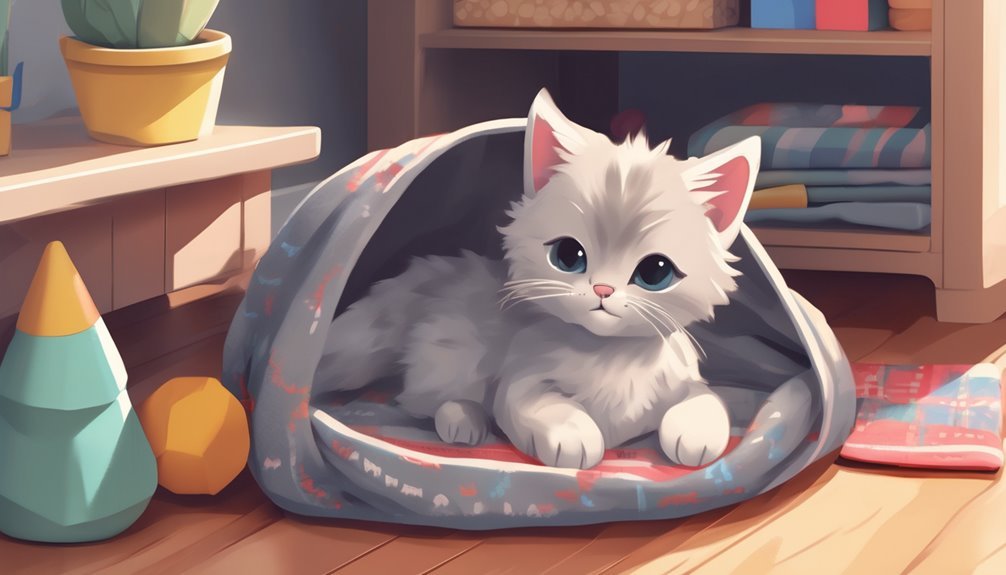
Create safe hiding spots where your kitten can feel secure and explore at their own pace. Cozy boxes or soft blankets can work wonders.
Additionally, consider setting up a designated area for your kitten to play, sleep, and eat, providing them with a sense of stability.
These thoughtful steps will help create a nurturing environment for your new furry friend.
Essential Supplies for Your Kitten
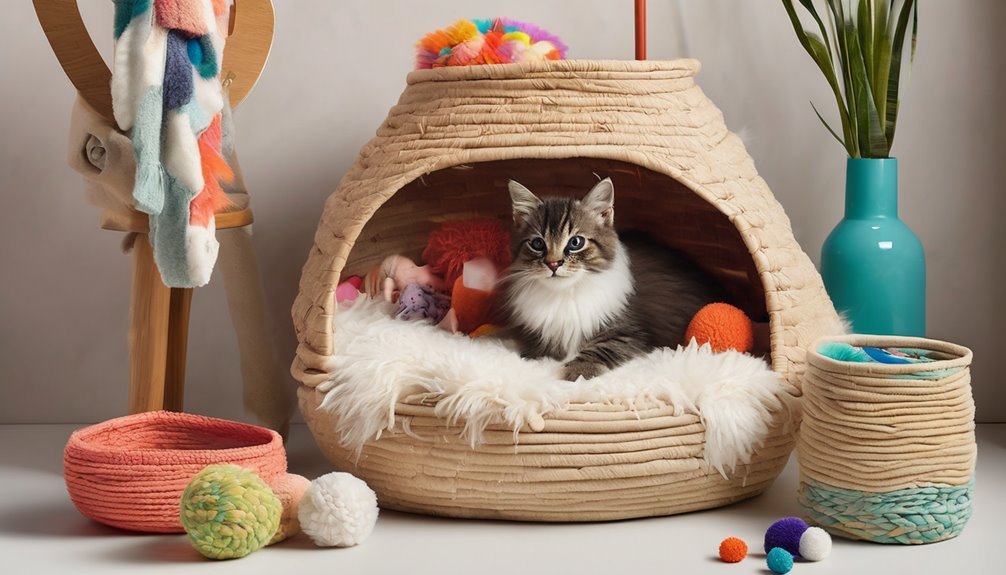
Bringing a new kitten home means you’ll need to gather a few essential supplies to ensure their comfort and well-being.
Start with the basics: a cozy bed, a litter box, and high-quality litter. Don’t forget toys to keep them entertained and mentally stimulated.
You’ll also want to invest in grooming tools, like a soft brush and nail clippers, to keep their coat healthy and manage those tiny claws.
A sturdy scratching post is crucial to protect your furniture and satisfy their natural instincts.
Lastly, have a collar and ID tag ready for safety.
Optimal Diet for Your Kitten’s Health
Creating a nurturing environment for your new kitten goes beyond just providing supplies; it also includes understanding their nutritional needs. Proper kitten nutrition is vital for growth and development, so choose a high-quality, age-appropriate food. A consistent feeding schedule helps regulate their metabolism and fosters a sense of security.
| Meal Time | Food Type |
|---|---|
| Morning | Dry kitten kibble |
| Afternoon | Wet or canned food |
| Evening | Dry kitten kibble |
Ensure fresh water is always available. As you create this routine, you’ll not only nourish your kitten but also strengthen your bond, showing them how much you care. Remember, healthy eating leads to a happy, playful companion!
Decoding Your Kitten’s Playful Behavior
Understanding your kitten’s playful behavior is essential for fostering their development and happiness. When you observe playful pouncing, it’s more than just fun; it’s a vital part of their growth. This behavior mimics hunting, helping them develop coordination and confidence.
Additionally, your kitten’s curious exploration reflects their desire to learn about their environment. Providing a safe space filled with engaging toys encourages this natural instinct, allowing them to thrive.
Remember, playtime isn’t just entertainment; it strengthens your bond and provides mental stimulation. By recognizing these behaviors, you can support your kitten’s needs while enjoying their delightful antics.
Embrace this playful stage—it’s a crucial time for both of you to connect and grow together.
Set a Daily Routine for Your Kitten
Establishing a daily routine for your kitten not only provides structure but also fosters a sense of security. A consistent playtime schedule helps your little one expend energy and develop healthy habits. Aim for short, engaging sessions several times a day, incorporating toys that stimulate their natural instincts.

Feeding consistency is equally crucial; try to stick to the same times daily. This helps regulate their digestion and creates a comforting rhythm in their life.
Socializing Your Kitten With Family and Pets
A structured daily routine sets the stage for your kitten’s social development.
Begin with gradual kitten introductions to family members and other pets. Ensure everyone approaches your kitten calmly, allowing it to explore at its own pace. This fosters trust and confidence.
When introducing your kitten to other pets, watch for signs of stress or aggression. Multi-pet dynamics can be tricky; give each pet its own space and allow them to meet through a baby gate or carrier initially.
Monitor their interactions closely and reward positive behavior with treats.
Always remember, patience is key. By taking the time to socialize your kitten properly, you’re helping create a harmonious household where everyone feels secure and loved.
What You Need to Know About Vet Visits?
While it may seem daunting, regular vet visits are essential for your kitten’s health and well-being. These appointments help ensure your furry friend receives necessary vaccinations and wellness check-ups. Staying on top of a vaccination schedule protects your kitten from serious diseases and allows you to catch any potential health issues early.
Here’s a quick reference for your kitten’s first-year vet visits:
| Age | Visit Type | Key Focus |
|---|---|---|
| 6-8 weeks | Initial Check-Up | First vaccinations |
| 12 weeks | Vaccination | Feline distemper, rabies |
| 16 weeks | Final Vaccination | Complete vaccination series |
| 6 months | Wellness Check-Up | Spay/neuter discussion, health |
Making vet visits a routine part of your kitten’s life helps create a healthy foundation for their future.
Litter Box Training Made Easy
Litter box training can be a straightforward process if you follow a few key steps.
Begin by choosing the right litter box types—opt for one that’s accessible and the right size for your kitten.
Next, use effective training techniques to encourage good habits. Here’s how:
- Location Matters: Place the box in a quiet, easily accessible area.
- Choose the Right Litter: Experiment with different litter types to see what your kitten prefers.
- Positive Reinforcement: Reward your kitten with treats or praise when they use the box.
- Consistent Cleaning: Keep the box clean to encourage regular use.
Following these steps will help foster a positive litter box experience for both you and your furry friend!
Common Kitten Health Issues to Watch For
Ensuring your kitten is comfortable with their litter box is just one aspect of responsible pet ownership. You’ll want to keep an eye out for common health issues. Make sure your kitten’s vaccinations are up to date to prevent diseases. Watch for signs of stress, like hiding or excessive grooming, which can indicate emotional discomfort.
Here’s a quick reference table for common concerns:
| Health Issue | Symptoms |
|---|---|
| Common Parasites | Vomiting, diarrhea |
| Nutrition Allergies | Itchy skin, upset stomach |
| Dental Care | Bad breath, difficulty eating |
| Developmental Milestones | Delayed play or social behavior |
Being proactive with health checks ensures your kitten grows into a happy, healthy cat.
Frequently Asked Questions
How Do I Choose the Right Kitten for My Lifestyle?
To choose the right kitten for your lifestyle, consider kitten personality types and energy levels. A playful, energetic kitten suits active households, while a calm, cuddly one fits a quieter environment. Know your preferences!
What Vaccinations Does My Kitten Need Right Away?
Right away, your kitten needs core vaccinations like FVRCP and rabies. Following a kitten vaccination schedule ensures their health—like little Luna, who thrived after getting her essential vaccinations, protecting her from serious diseases.
How Can I Tell if My Kitten Is Sick?
To tell if your kitten’s sick, watch for changes in behavior like lethargy, loss of appetite, or unusual vocalizations. Common illnesses can cause these signs, so trust your instincts and consult a vet if concerned.
Should I Let My Kitten Outside?
You shouldn’t let your kitten outside unsupervised. Outdoor safety is crucial; they can encounter dangers. Instead, consider supervised outdoor time on a leash or in a secure area, ensuring they explore safely and happily.
What Are the Signs of a Happy Kitten?
A happy kitten radiates joy like sunshine. Look for playful pouncing, relaxed body language, and a soft purr. When you see her chase toys and knead, you’ll know she’s truly content and thriving.
Conclusion
Bringing a kitten into your home might seem overwhelming at first, but the joy and companionship they offer far outweigh the initial challenges. Remember, every kitten is unique, and with patience and love, you’ll foster a strong bond. Don’t worry if you face hurdles—it’s all part of the journey. By following these care tips, you’ll not only create a safe environment for your new friend but also enjoy a fulfilling relationship that enriches both your lives.